Listen Live! Link to Schedule Link All Shows Link to Archives
  Home
Search


WBUR Newsroom
Election 2008
CommonHealth Blog
Boston Weather
BBC World News
NPR Top Stories
NPR's Morning Edition
NPR Topics: Books
NPR Topics: Movies
Fresh Air
All Things Considered
Marketplace
Submit a Story Idea


RSS Feeds
Podcasts


Reaction to Senate Budget
By Martha Bebinger

Listen to story (Real Audio)

(AP Graphic)
(AP Graphic)
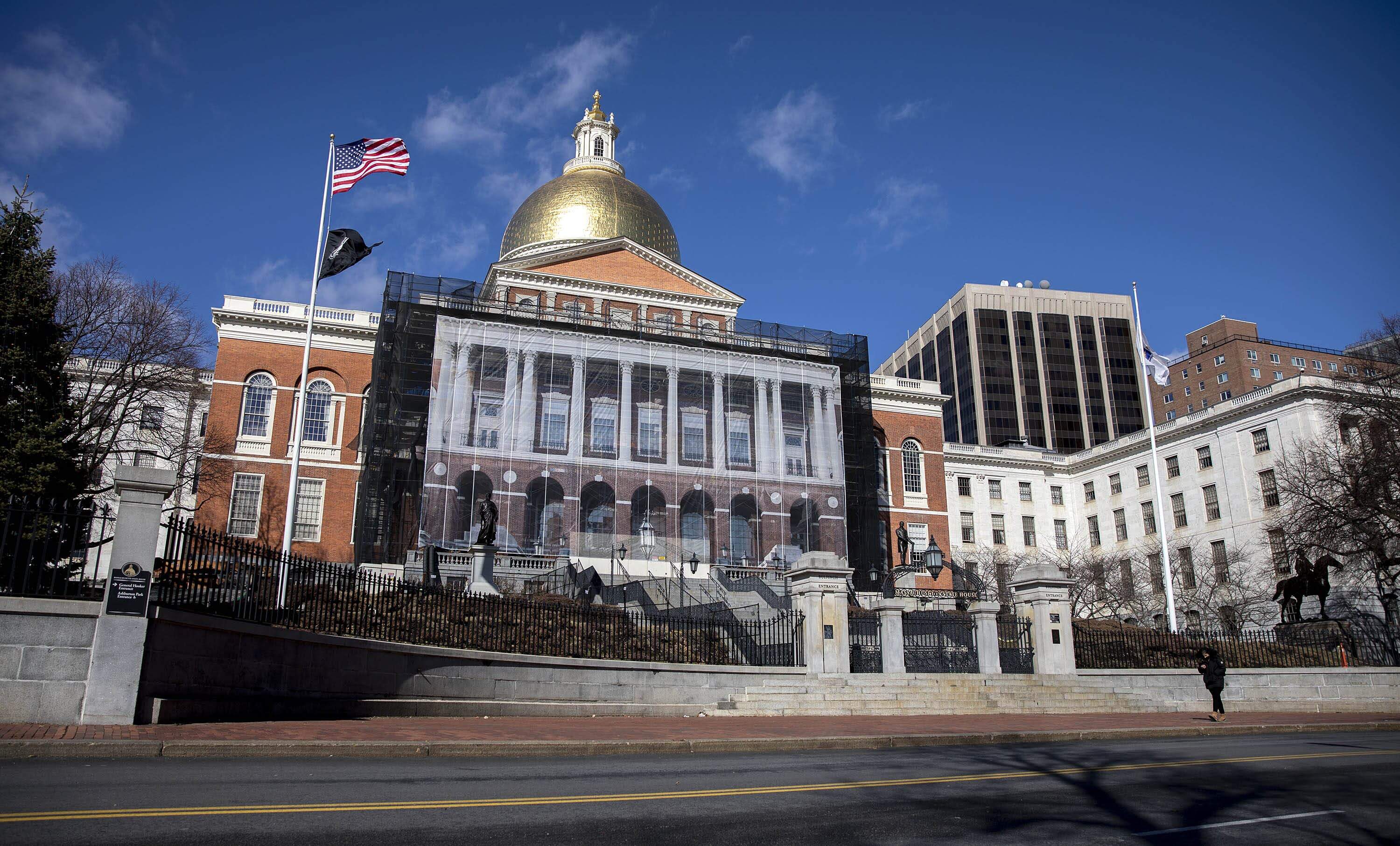
BOSTON, Mass. - May 15, 2008 - The Senate's plan for spending just over $28 billion next financial year looks a lot like proposals from the House and Governor Deval Patrick. But that's not necessarily a good thing.

The Senate relies on uncertain tax revenues, uses money from reserves, and puts off dealing with expected health coverage cost increases.

WBUR's Martha Bebinger reports on the latest round of budgeting in uncertain times.

Audio for this story will be available on WBUR's web site later today.

TEXT OF STORY:

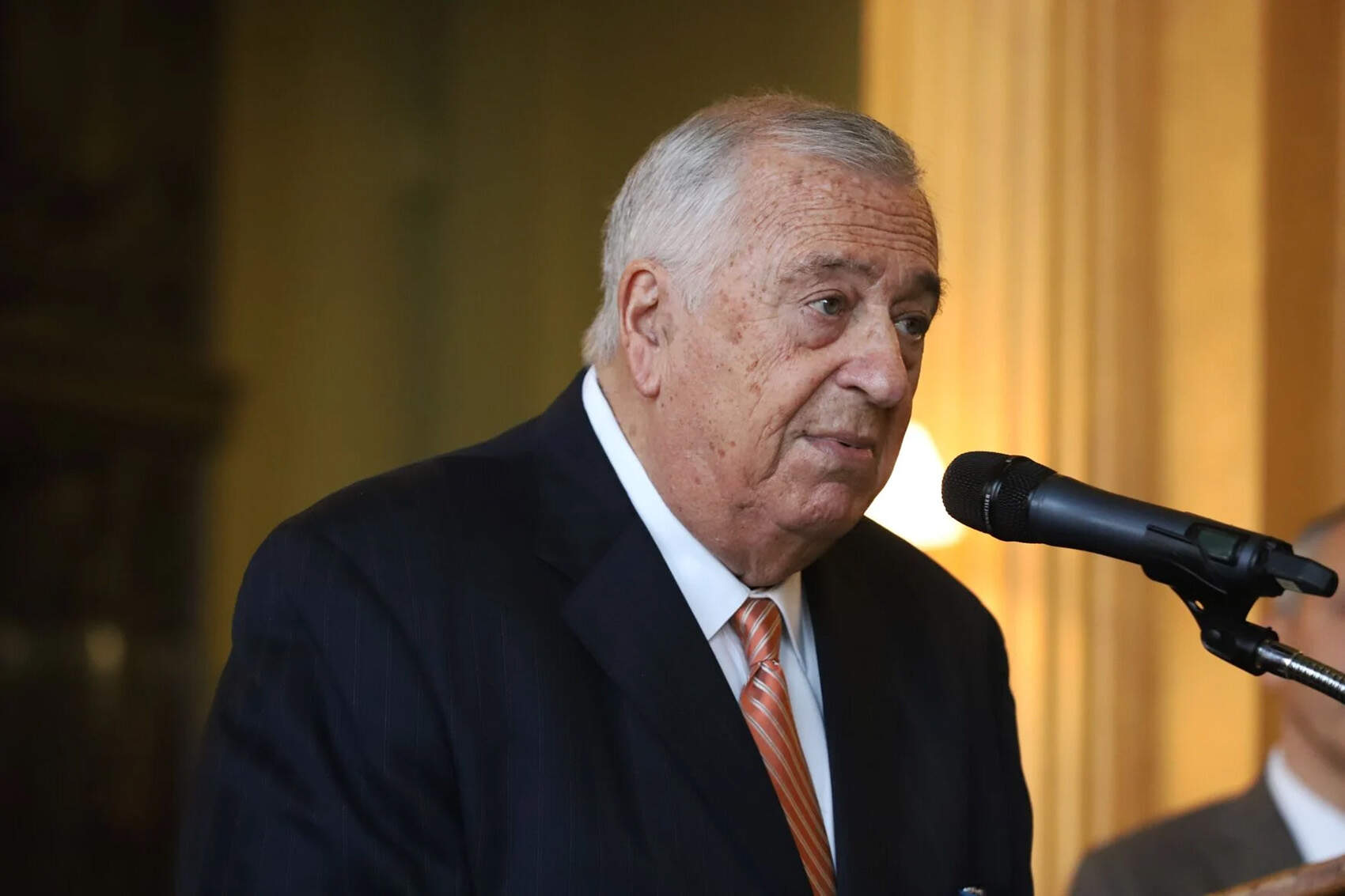
MARTHA BEBINGER: You know things aren't too good when the Senate's chief budget writer heralds his budget as prudent, and then tries to soften the message.

SEN. STEVEN PANAGIOTAKOS: In prudence, it doesn't mean, just Draconian, it means making some cuts, level funding in other areas and then making some appropriate investments within the parameters of our financial situation.

BEBINGER: Ways and Means chairman, Steven Panagiotakos and other Senate leaders say they tried to spread the pain...making cuts in 79 individual items. They also offered no increases for 224 others. The Senate adds 33 million dollars that was not in the House version or governor's budget for electronic medical records and the other investments from President Therese Murray's bill that are aimed at lowering health care spending.

NOAH BERGER: It's a very cautious budget and it's the kind of budget you would expect in a difficult fiscal time.

BEBINGER: That's Noah Berger, Director of the Massachusetts Budget and Policy Center. Michael Widmer, President of the Massachusetts Taxpayers Foundation is more skeptical.

MICHAEL WIDMER: It's not a recession budget. Now maybe we'll avoid the recession, but the nation is not, so it's hard to imagine that we will.

BEBINGER: Widmer says without further cuts, the state may have to use a billion dollars...about half its rainy day fund, by the end of next June, which is the end of the next fiscal year.

The House, Senate and Patrick administration have agreed that they can't replenish what they took from reserves this year and plan to take more next year. And Widmer says they aren't being realistic about next year's budget. On the revenue side, the Senate relies on 629-million dollars from a new tax bill.

The House has a different version with a lower estimate. Some analysts say both chambers numbers are too optimistic. On the spending side, the administration now says it needs another 413 million dollars for programs that cover the uninsured...but none of the proposed budgets are based on the higher, adjusted number. Senator Panagiotakos says that makes sense, for now.

PANAGIOTAKOS: If we're going to fix it, we're all going to have to fix it together. Its estimates and we're trying to get as much of a grasp on it as possible, but we will have to deal with it at some point, once we have a more solid number.

BEBINGER: There is growing frustration that the cost of covering the uninsured, through Masshealth and subsidized insurance, is forcing spending in other areas to shrink. Senator Michael Knapik is the ranking Republican on the Ways and Means committee.

SEN. MICHAEL KNAPIK: Not to draw a value judgment on it, but there's no question, without this program, we'd have easy half a billion dollars to use in other areas of the budget.

BEBINGER: Knapik is not sure if Republicans will try to curb health coverage enrollment. But Knapik does plan to file a budget amendment he says would bring much needed revenue into the state...Governor Patrick's casino bill.

KNAPIK: So that the senate has an opportunity to weigh in on, should we go down this road, or not. The House had this debate but we did not, we were silent on it. And the goal of creating jobs that the Governor wanted to achieve 100,000 is not being met and we've got to help him along the way.

BEBINGER: Aides to the Governor were surprised to hear that Senate Republicans hope to revive the casino debate. Senate leaders say they aren't sure if they'll take it up. The House resoundingly rejected the casino bill in March and isn't likely to reverse that stance while negotiating other budget differences with the Senate.

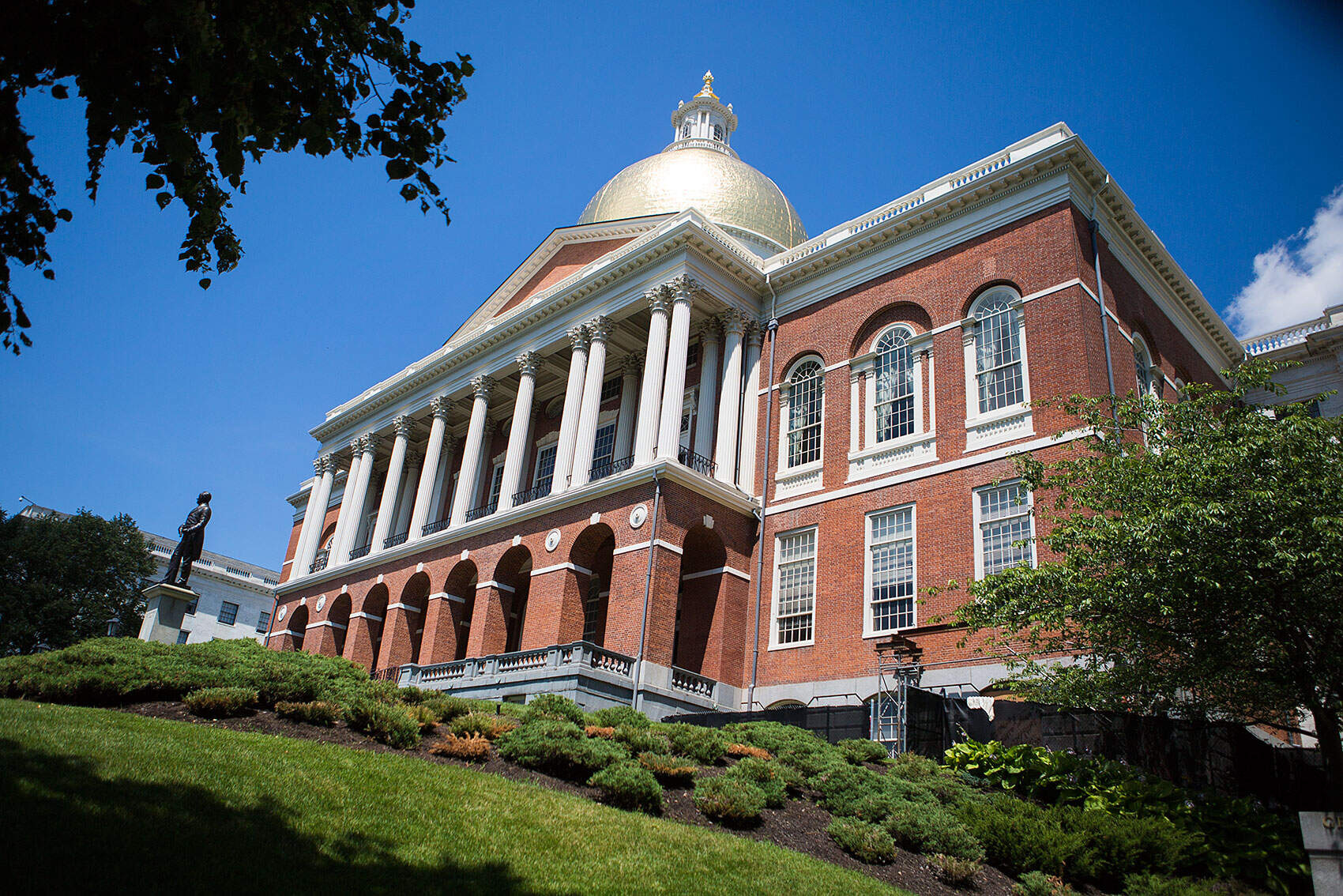
For WBUR, I'm Martha Bebinger at the State House.


RELATED LINKS


WBUR: May 14 Interview with Steven Panagiotakos, Chairman of the Senate Ways and Means Committee.


   From The WBUR Newsroom

Kerry Speaks at DNC
BOSTON (August 28, 2008) Four years after addressing the Democratic National Convention as the party's presidential nominee, Senator John Kerry addressed Democratic delegates last night, and said America is closer to electing a Democratic president now than in 2004.
Patrick Helps Obama Win Mass.
DENVER, CO (August 28, 2008) Even though Massachusetts voted for Hillary Clinton back on Super Tuesday, Barack Obama won the majority of Bay State delegate votes yesterday, thanks in part to the efforts of Governor Deval Patrick.
Convention Notebook Day 4
DENVER, CO (August 28, 2008) In his Convention Notebook today, WBUR's Bob Oakes dissects the moment in which this convention finally belonged to Barack Obama.
MA Delegation Helps Obama Win Nomination
DENVER, CO (August 28, 2008) Even though Massachusetts voters chose Hillary Clinton in the primary, the Bay State helped Obama secure the Democratic presidential nomination last night.


spacer
NPR spacer BBC spacer PRI spacer CopyrightBoston UniversityFAQContact UsPrivacy StatementSite Map