Support WBUR
Commentary
Mass. should convene a Blue Ribbon Commission to develop a new model for campus safety
As caps and gowns disappear and college campuses empty, academic and public leaders have an important summer job — ensuring that students return to a safer environment in the fall.
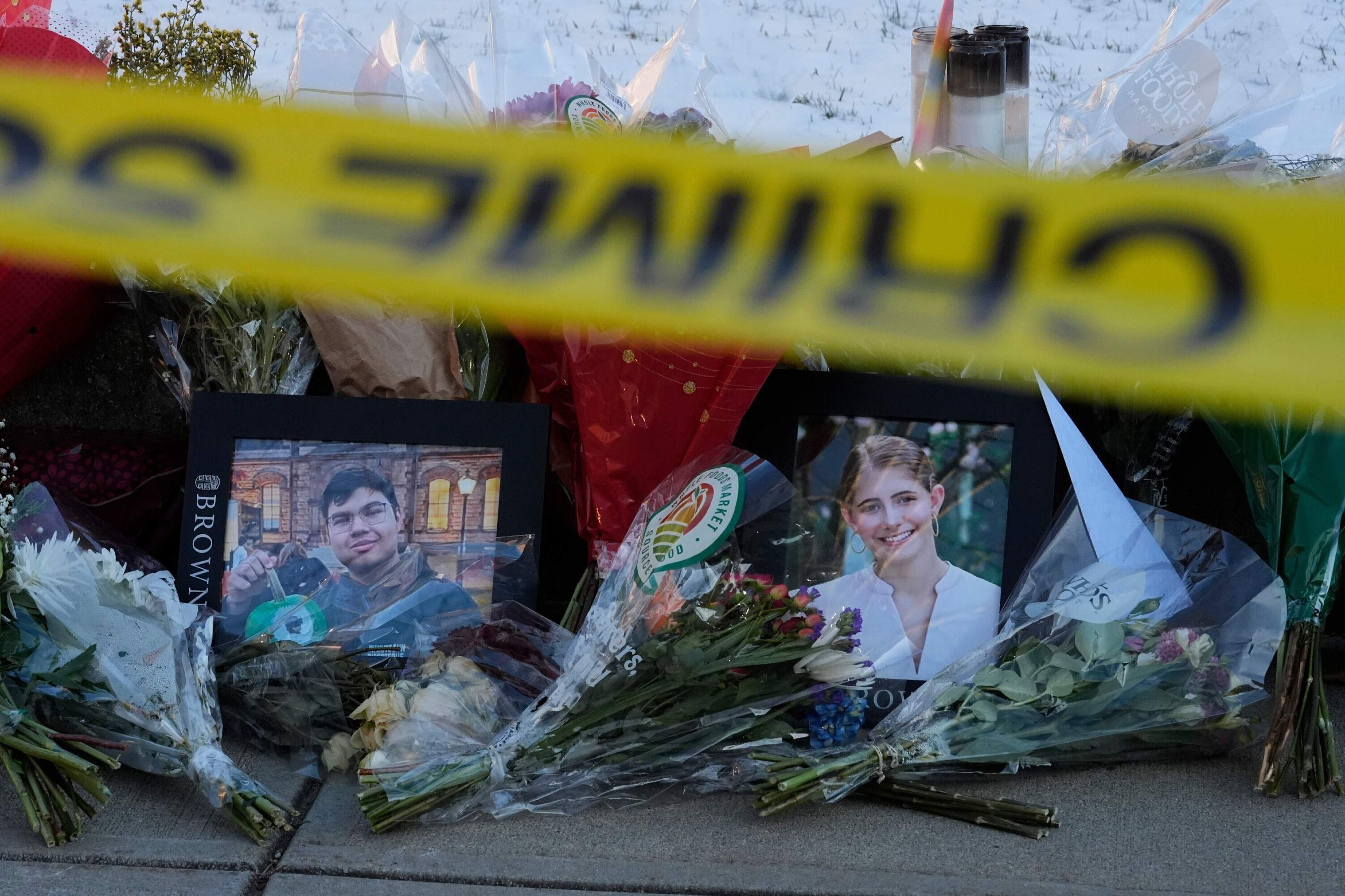
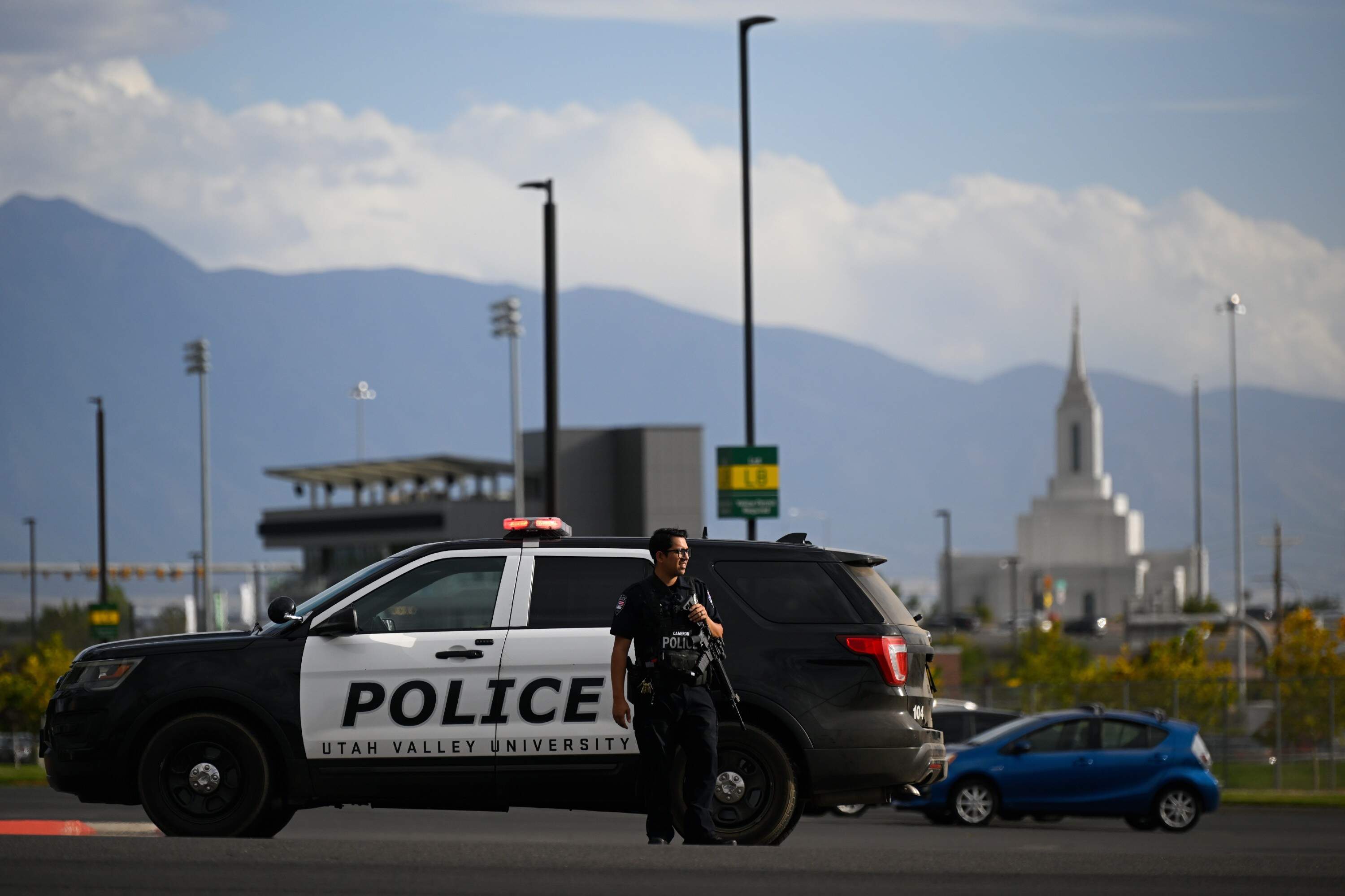
Massachusetts boasts some of the world's leading academic institutions, and to date, has had the good fortune to be spared gun violence that occurred in separate incidents when one lone gunman terrorized the Brown University community and another killed Charlie Kirk at Utah Valley University last year. Between when it started counting in 2024 and this writing, Everytown for Gun Safety has documented 186 gunfire incidents on college campuses.
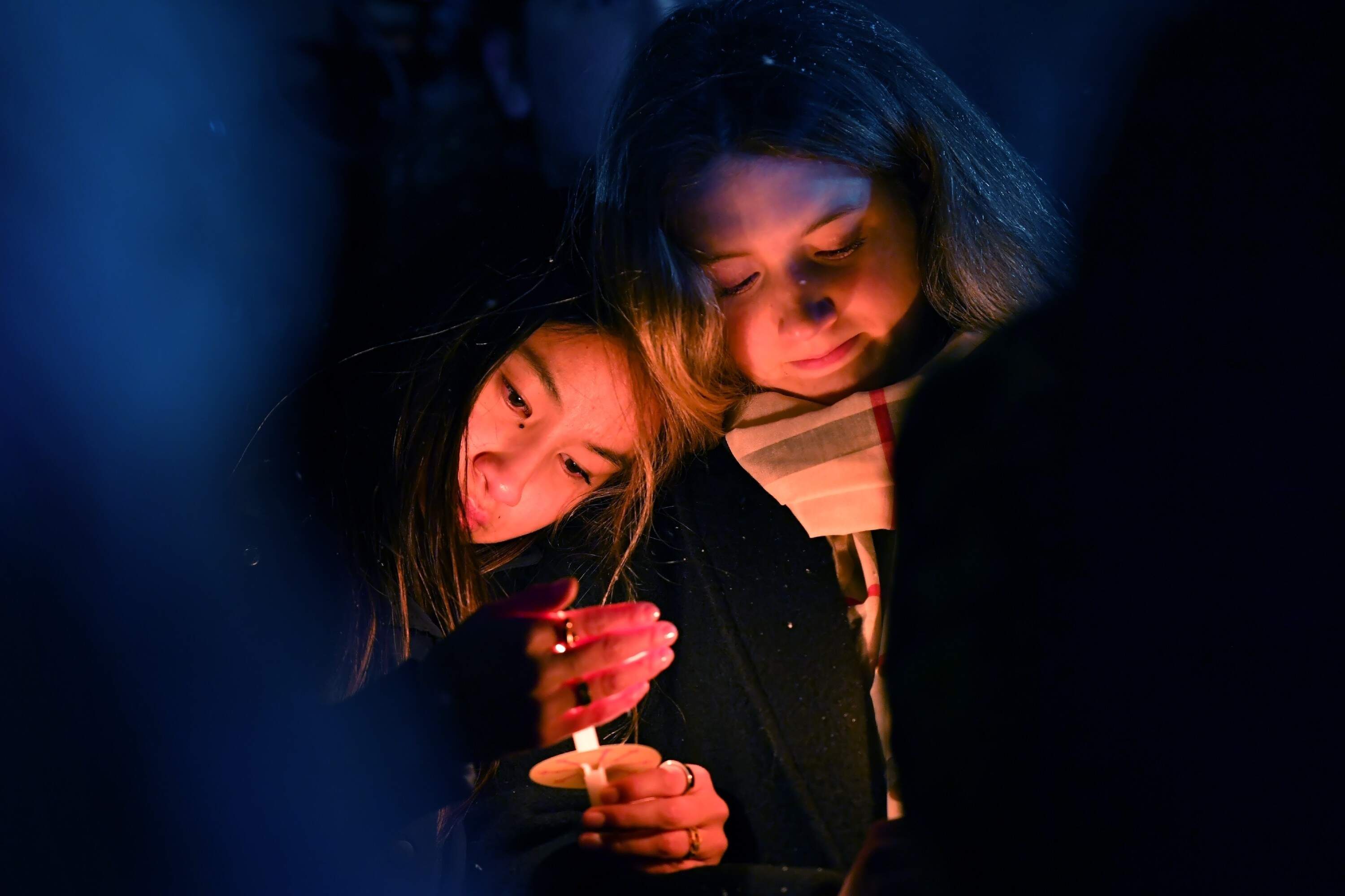
The impact goes far beyond lost lives. The trauma of witnessing a shooting can have lasting repercussions on the life of a young person, increasing the chances they will abuse drugs and alcohol; suffer from depression, anxiety, and posttraumatic stress disorder; experience performance problems in school; and can even increase the risk of engaging in later criminal activity.
Yet, with strategic preparedness, acts of terrorism and violence can be thwarted. The seamless, safe evacuation of 100+ children and staff at Temple Israel in Michigan in March was a powerful example of what that could look like. Security staff and teachers knew what to do, the building had multiple layers of physical security in place, and the administration documented and rehearsed strict security protocols – in this case, just weeks before. Additionally, a well-coordinated first responder team integrated staff from local, county, state and federal agencies in a case study of what can go right when terror strikes.
In 2018, the Tree of Life Synagogue attack forced the Jewish Federations of America and individual congregations to adopt increasingly sophisticated approaches to safety and preparedness for terrorist attacks, such as installing real-time security camera monitoring, adding fencing and bollards and numbering every room to help with pinpointing locations in case of an attack. Active shooter drills at K-12 schools have become commonplace in the post-Columbine era. Yet, sadly, no national effort has sought to identify what works to prevent or properly respond to violence or terrorism on college campuses.
Campus law enforcement agencies today face an increasingly complex set of responsibilities, without commensurate increases in resources. For example, parents may call campus law enforcement to confirm the safety of a child studying abroad when conflict strikes, an increasingly common occurrence now that 300,000 students (10% of undergraduates) participate in study abroad programs. Campus law enforcement is also responsible for high-tech threats from hackers and preparing for the potential of a bioterror attack — all while carefully balancing civil liberties and public safety in today’s heated political environment. The law enforcement skills needed on a college campus are vastly different from those for policing the surrounding area. Yet, all too often, campus police are retired municipal or state officers untrained in the unique challenges college communities face.
It’s time to innovate and upgrade campus law enforcement for today’s complex and potentially combustible environment. College and university leaders need to take stock of their institutions’ risks and preparedness and develop safety strategies that address both. That starts with redefining the mission of campus law enforcement and determining appropriate investments in training, preparedness and reducing vulnerabilities.
Collaboration among campus law enforcement and local, regional and state partners should also be an important element of a new model. For example, while campus law enforcement will be very familiar with building layout and patterns of student behavior, other law enforcement agencies may have more sophisticated equipment for handling a sniper or explosives.
After a campus shooting, there are always questions. Were there enough cameras? Were they in the right places? Should there have been more locked doors and other physical security measures? Could the shooter have been flagged for intervention? As important as the answers to these questions are for any one incident, we need to develop a systematic approach to preventing future campus violence in the first place.
Flooding campuses with security cameras and locked doors can provide a false sense of security when what we really need is to apply first principles thinking to campus safety and define the scope and expectations for the role of campus police and security as well as their local partners.
The federal government is unlikely to lead this effort, so state and academic leaders in Massachusetts should convene a Blue Ribbon Commission to develop a new model for campus safety. We should do this now with a preliminary report and recommendations due during the fall 2026 semester. Drawing on experts across a diverse range of fields could examine current best and promising practices, along with a roadmap and timeline for what we can reasonably achieve. The commission should incorporate the wisdom and experience of the best minds from law enforcement, private security, technology, and the mental health field.
Let’s not wait until tragedy strikes again.