Support WBUR
5 energy affordability policies to watch right now in Mass.
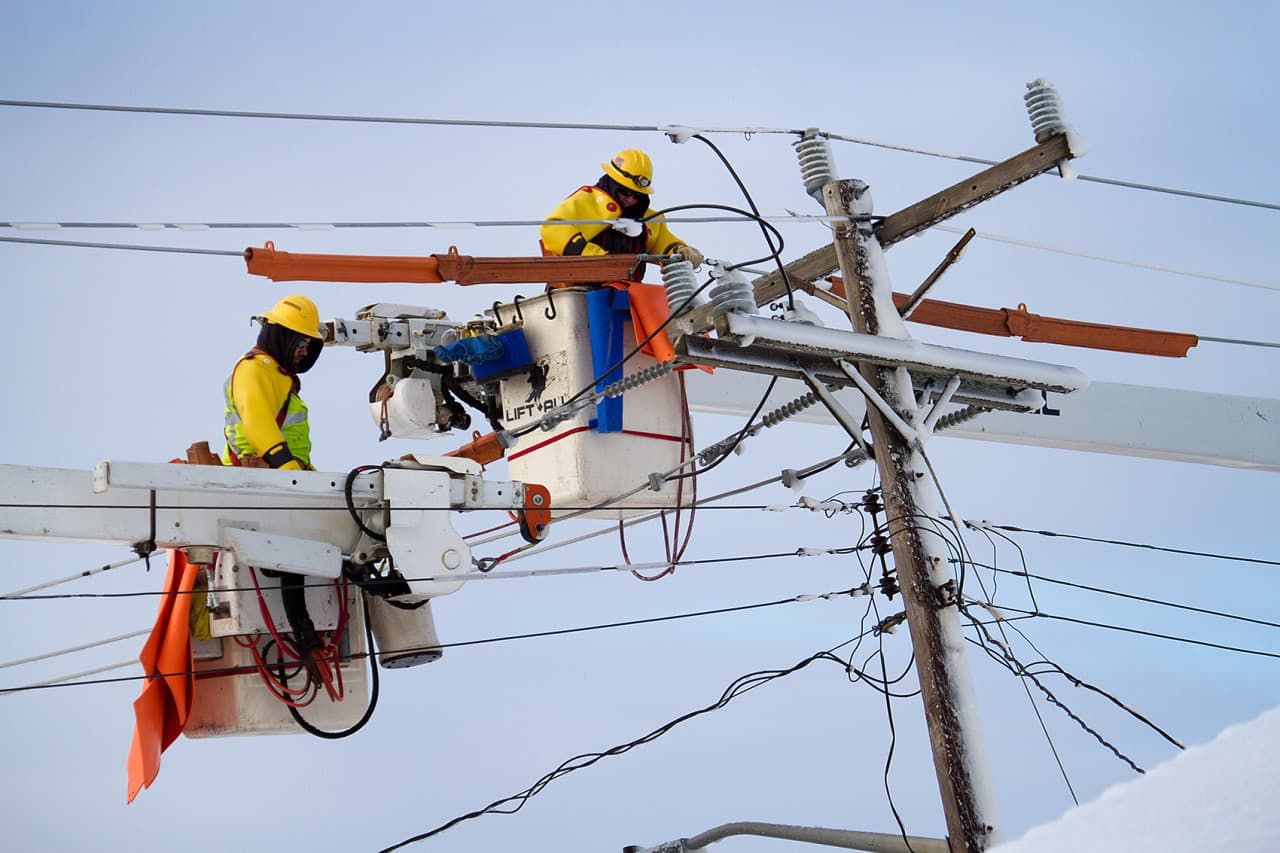
Every two years, lawmakers in Massachusetts attempt to pass a big climate and energy bill. This year, the overarching theme is something everyone seems to be talking about: how to cut utility bills.
There are competing visions for how the state should achieve this. Gov. Maura Healey offered her proposal in the fall, and House lawmakers passed their version earlier this year. The Senate is expected to release its take on energy affordability legislation soon.
Energy policy is complicated, and finding ways to reduce costs — especially in the short term — is tricky. Here are five important policies bound to spark debate among lawmakers as they attempt to finalize an affordability package this summer and pass it into law.
1. Opening the door to nuclear power
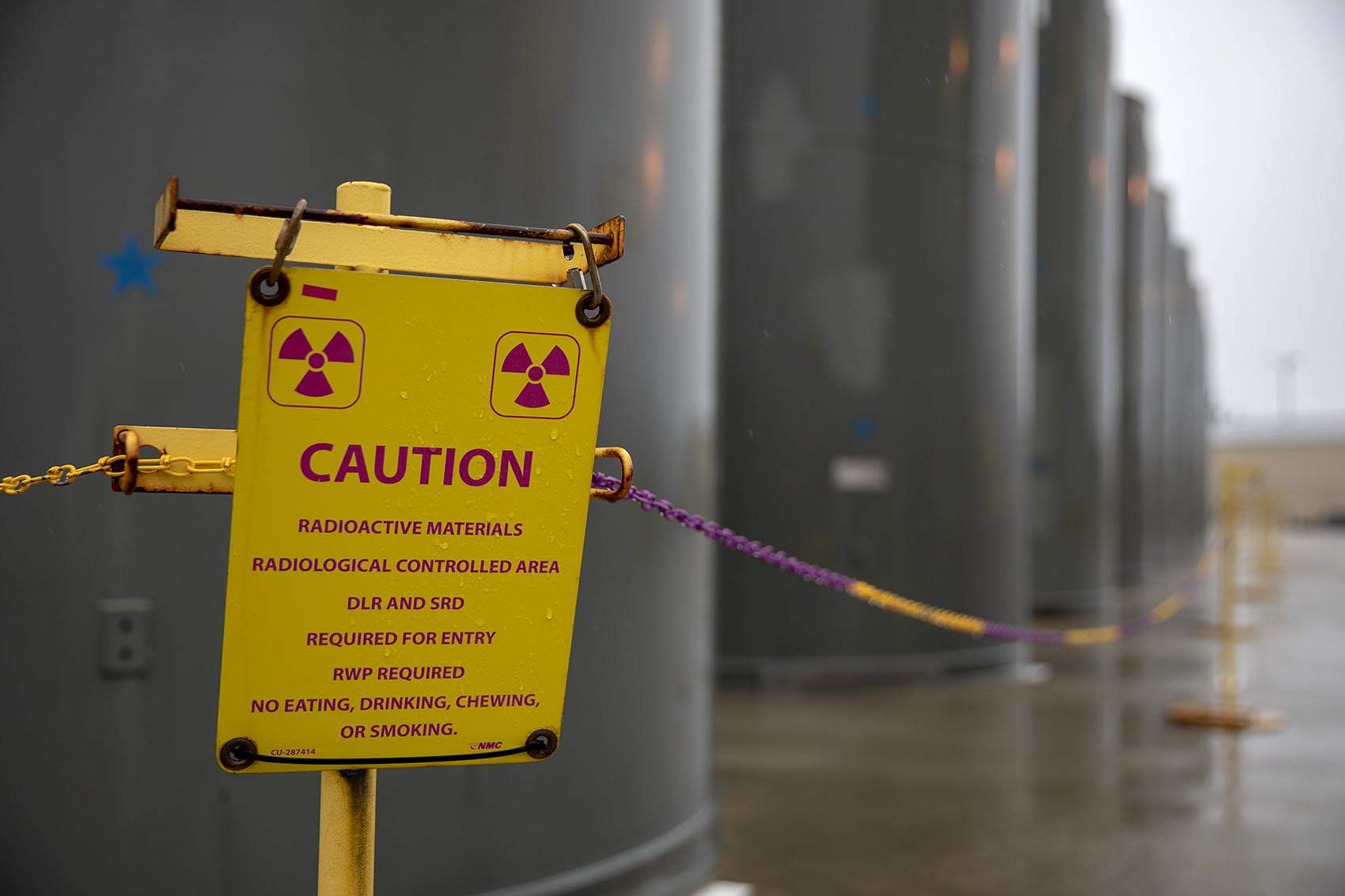
One of the biggest barriers to nuclear power in Massachusetts is a 1982 law that requires a statewide vote to build a new reactor. House lawmakers and the governor are in favor of repealing it.
Proponents of this move argue that expanding nuclear power could lower energy costs and help the state meet its climate goals. Other U.S. states have already moved in this direction: Eight of the 14 states with similar restrictions have fully or partially lifted them, and three more states are exploring rollbacks, according to the Healey administration.
But many longtime opponents of nuclear energy say Massachusetts should keep the restriction intact. They maintain that new designs for smaller reactors do not allay their concerns about safety and radioactive waste. Brita Lundberg, an infectious disease doctor with Greater Boston Physicians for Social Responsibility, called the state’s pursuit of new nuclear power "fraught."
“This is just terrible news for Massachusetts residents whose lives will be shortened and health damaged by the repeal of this law,” she said.
Even if the 1982 law is rolled back, a speedy buildout of new nuclear reactors is unlikely, said Sukesh Aghara. He leads the Healey Administration’s "Nuclear Roadmap" initiative, which explores what role nuclear power could play in the state.
Any new reactor will still face state and federal regulations, technological challenges and public opinion hurdles, said Aghara, a professor of engineering at UMass Lowell. But repealing the law would show the state is ready to have a "serious conversation about building nuclear power."
The energy affordability package that cleared the House earlier this year would repeal the 1982 law, but it’s unclear where the Senate will land.
2. Cutting Mass Save's budget
Lawmakers are eyeing big cuts to Mass Save, the state program that provides home energy audits and rebates for heat pumps, better insulation and other energy efficiency upgrades.
The House's affordability bill slashes $1 billion from the initiative’s budget. Proponents argue Mass Save’s spending has gotten out of hand and needs a reset. They also say this cut would provide immediate relief for utility customers, who fund the program through a monthly charge on their bills.
The $4.5 billion Mass Save program operates on three-year funding cycles, with the current cycle ending next year. The proposed reduction would effectively cut two-thirds of the budget for the upcoming year.
Opponents of the cut say it would be shortsighted to gut a program that helps residents use less energy and lower their bills. They also point out that the program provides long-term savings for everyone in the state, not just those who take advantage of its rebates, because energy efficiency reduces the need to invest in new electric and gas infrastructure.
An analysis by the Acadia Center published earlier this year found that, between 2016 and 2024, ratepayers spent $8.4 billion on Mass Save but avoided spending $16.1 billion on electricity, gas and related infrastructure.
Sen. Mike Barrett, who chairs that chamber's energy committee, said the Senate's bill is not finalized yet, but he and his colleagues are discussing ways to adjust the Mass Save program without cutting its budget immediately.
3. More bonds for utility projects
This proposal goes deep into the weeds, but it's important because it has to do with how utilities spend your money.
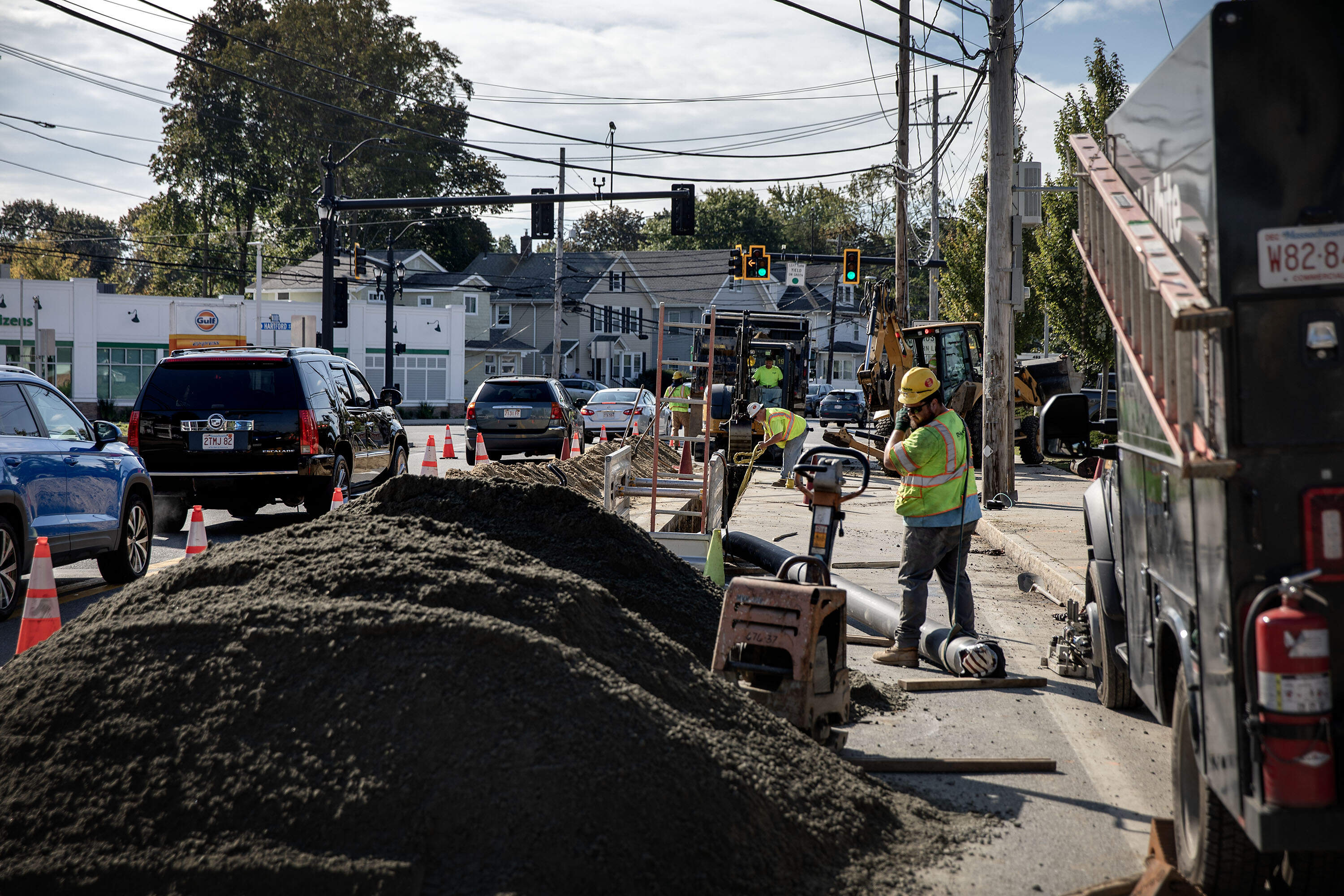
Typically, when utility companies need to build something expensive — like an electrical substation or a new stretch of gas pipeline — they pay for it by selling bonds and raising money from investors. Ratepayers are on the hook to pay off that debt.
Right now, utilities tend to use an even mix of bonds and investors to finance projects. Bonds generally have lower interest rates, making them cheaper in the long run. But money borrowed from investors is collected from ratepayers with a built-in profit margin for the utility. So some state lawmakers want to change the mix to include more bonds when utilities pay for projects.
This year, state lawmakers are considering whether to allow the use of a special type of bond known as a "securitized bond." These bonds, which are sometimes called "rate reduction bonds," have even lower interest rates and longer terms than typical utility bonds. Proponents say they could help reduce ratepayer costs and utility bill volatility.
Several states already allow utilities to issue securitized bonds. In California, for example, utilities often pay for wildfire recovery costs this way. A report last year from the Analysis Group concluded that "securitization could be a helpful strategy" for making energy more affordable in Massachusetts.
Gov. Healey's administration has touted these bonds as an important part of the governor's affordability legislation, estimating they could save ratepayers up to $5 billion over the next decade.
Securitization "has the potential to reduce monthly bill impacts for customers," said William Hinkle, a spokesperson for Eversource. But he cautioned they should only be used in limited circumstances. It may make sense to use the bonds to fund one-time costs, like storm recovery, he said, but it's not always in ratepayers’ best interest to use them for recurring expenses or ongoing programmatic costs because the costs can stack up over time.
The House bill did not include securitization, but Barrett said the Senate may include the tool in its forthcoming version of the bill.
4. Reining in third-party electricity suppliers
In Massachusetts, residents can buy electricity from their utility or a third-party company, known as a competitive electric supplier. In some cases, people save money by signing up with a competitive supplier. But more often, as Attorney General Andrea Campbell's office has found year after year, consumers tend to lose money. Between July 2024 and June 2025, for instance, the average household with a competitive electric supplier paid $197 more than they would have on a utility's basic service plan.
The AG's reports consistently show that older adults, those who don't speak English as a first language and people who live in low-income and minority neighborhoods are charged the highest rates and end up losing the most money.
In the last few legislative sessions, Massachusetts lawmakers have come close to passing restrictions on the industry. Many advocates said they were pleasantly surprised to see the House — the historic roadblock — pass a bill this session that limits how these companies operate.
“Folks are being overcharged in the competitive electric supply market," said David Melly, senior policy director of the Environmental League of Massachusetts. If you want cost savings, he said, this is the place to look.
The House's bill would put new restrictions on marketing, eliminate automatic contract renewals and variable rate contracts, and allow cities and towns to ban these suppliers.
Melly said he expects the Senate also to address this industry in its version of the bill.
5. Cutting costs for gas pipeline repairs
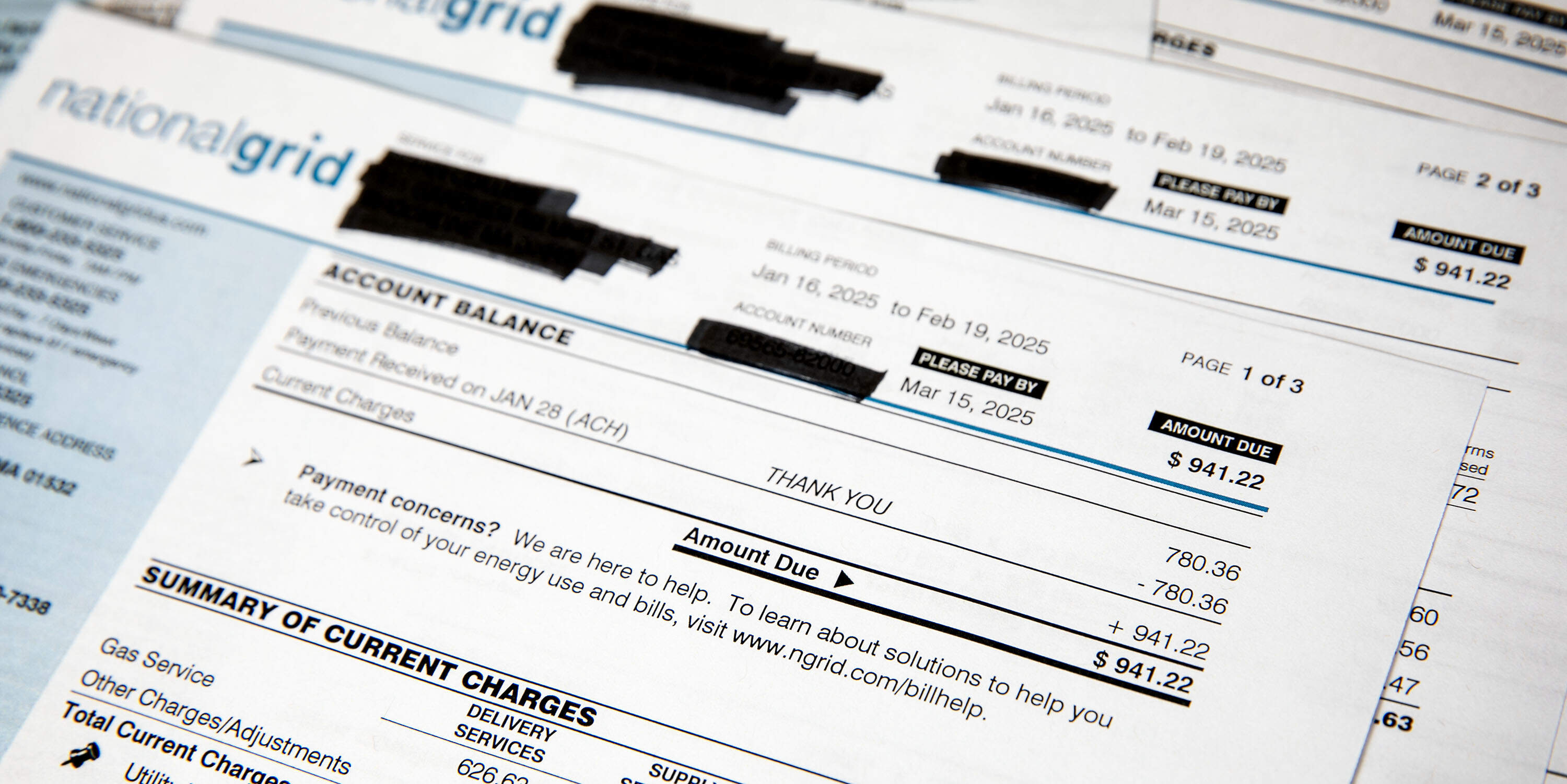
When lawmakers created the Gas System Enhancement Program in 2014, the goal was to encourage utilities to fix more leaky gas lines. Since then, utility companies have spent billions on pipeline replacement. According to the Attorney General's office, about 8%-11% of what gas customers pay their utilities each month goes to this program.
While no one wants gas companies to ignore leaky pipes, critics of the program say utilities often opt for more expensive replacement projects rather than cheaper repairs. They also question the logic of spending so much ratepayer money on fossil fuel infrastructure when the state is trying to transition away from natural gas.
There have been efforts to rein in the program in recent years, but advocates say more restraints are needed. And because gas utilities are obligated to fix leaky pipes regardless of financial incentives, many have also called for phasing out the program entirely.
Healey’s proposal and the House bill do not address this issue. But some in the Senate, including Barrett, have said they are interested in revising the program.
" I'm optimistic," said Caitlin Peale Sloan, vice president for climate & energy at the Conservation Law Foundation. "I wouldn't expect them to ignore the gas affordability issue."