Support WBUR
2026 Summer Arts Guides
11 art exhibits to check out this summer
What informs our collective memory of specific moments in history? How do we challenge our beliefs and expand our imagination? Art exhibitions opening across Greater Boston this summer ask viewers to challenge their previously held ideologies and reflect on why certain stories are told time and time again. “Where’s Boston? 50 Years Later” at the Boston Athenaeum explores images from 1974 and questions what defines the city and its people. “List Projects 35: Pap Souleye Fall” at the MIT List Visual Arts Center examines what can be found in the void and how technology controls us. “The Way We Never Were: The American Professional Photographers Collection” at the Harvard Art Museums illuminates how manipulated images can alter the ways we remember history.
'Giorgio Griffa: Paths in the Forest'
The Clark Art Institute
June 13-Oct. 12
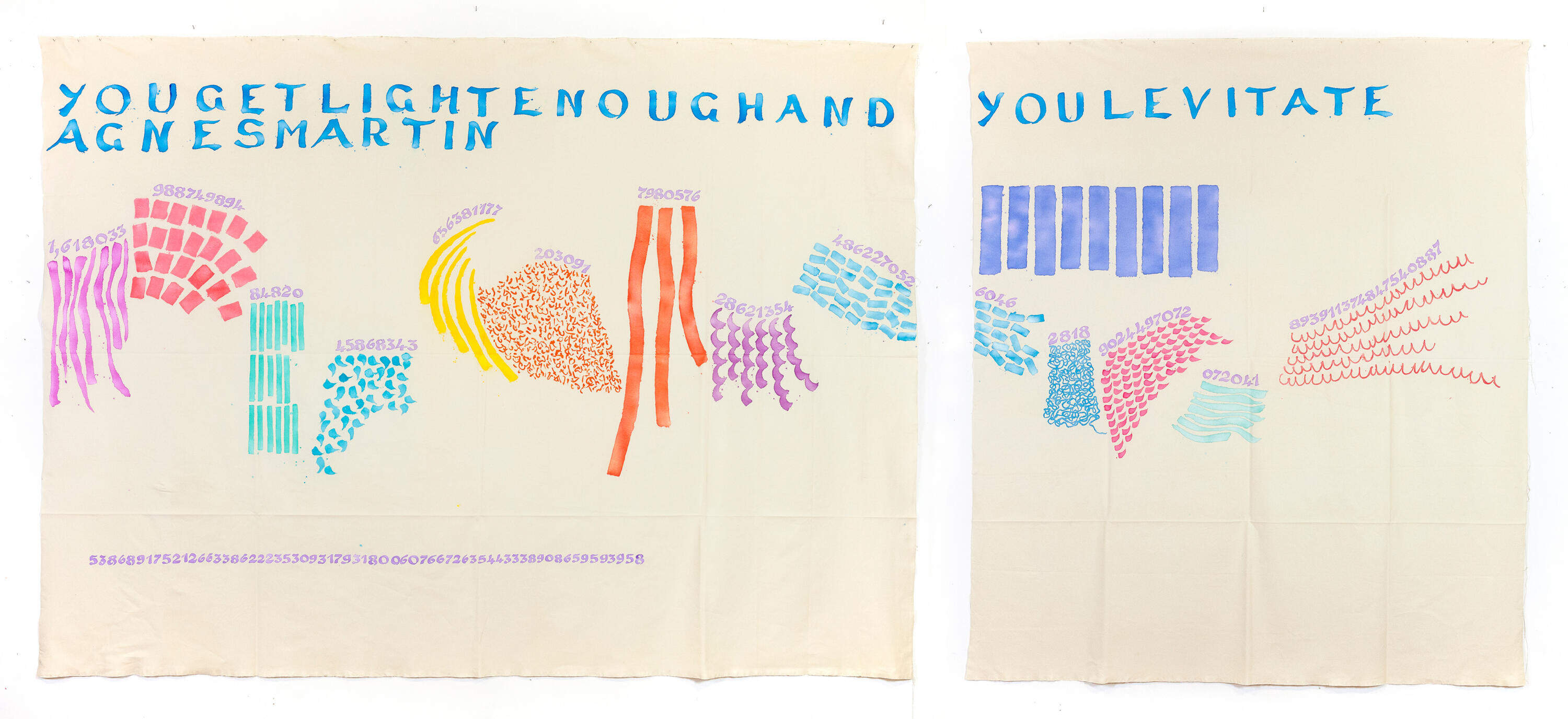
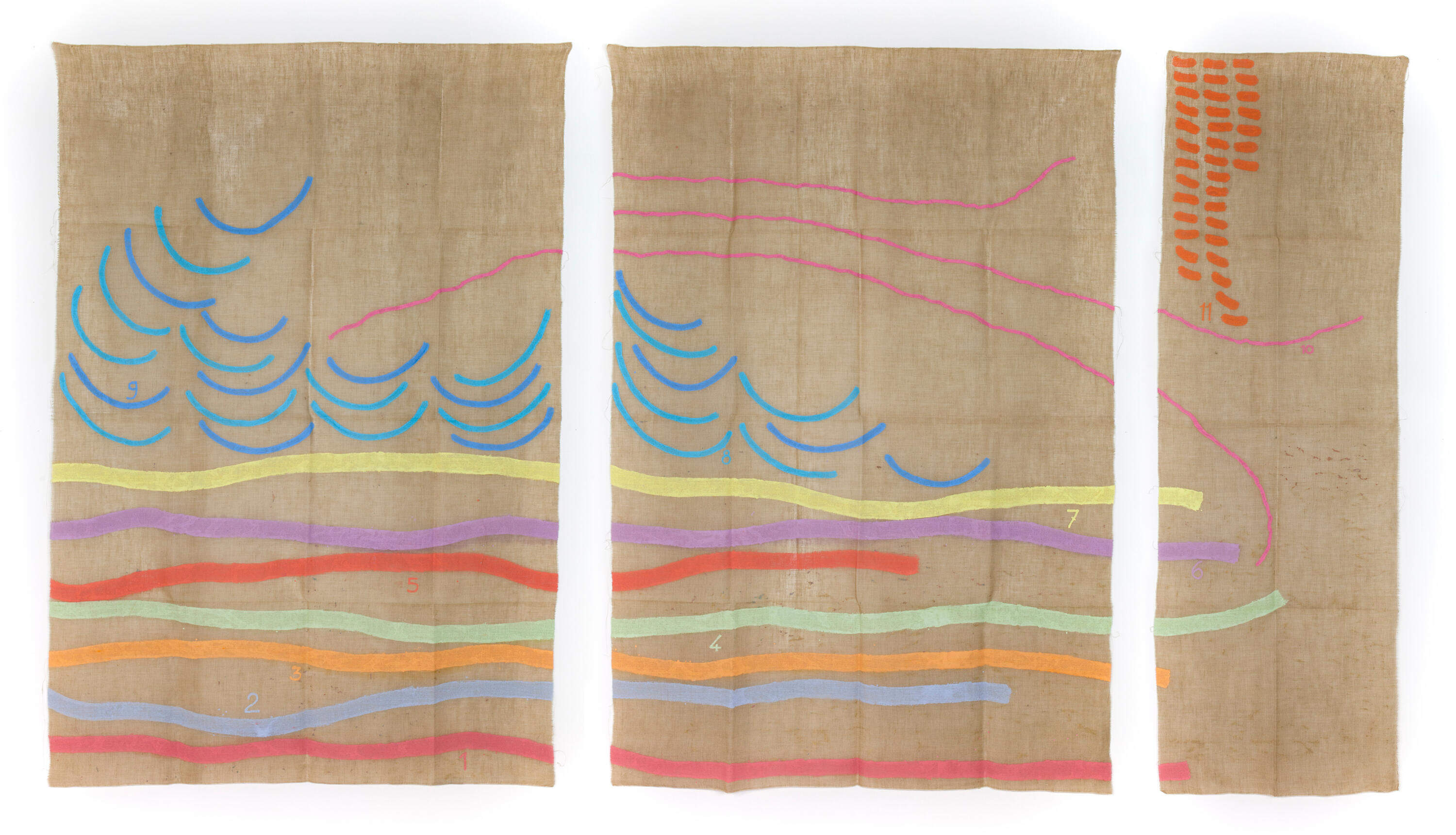
The 90-year-old Italian abstract painter Giorgio Griffa works with diluted acrylics in pastels to create a watercolor effect on canvases. He purposefully moves on before each piece is finished, embracing the Zen Buddhist idea of impermanence. Griffa’s paintings are composed of lines, dots, linear patterns and numbers in thinned hues. His works change as they are exhibited and taken down because they are folded for storage and retain the creases that come with this process. He creates “impersonal marks that belong to any hand, with thousands of years of memory” and views his art as archival facts. Through 13 cycles, Griffa explores “the same dark forest,” which represents the unknown and the potential growth and knowledge that comes with it. “Paths in the Forest” at The Clark Art Institute marks Griffa’s first solo exhibition in the U.S.
'Where's Boston? 50 Years Later'
Boston Athenaeum
Opening June 16
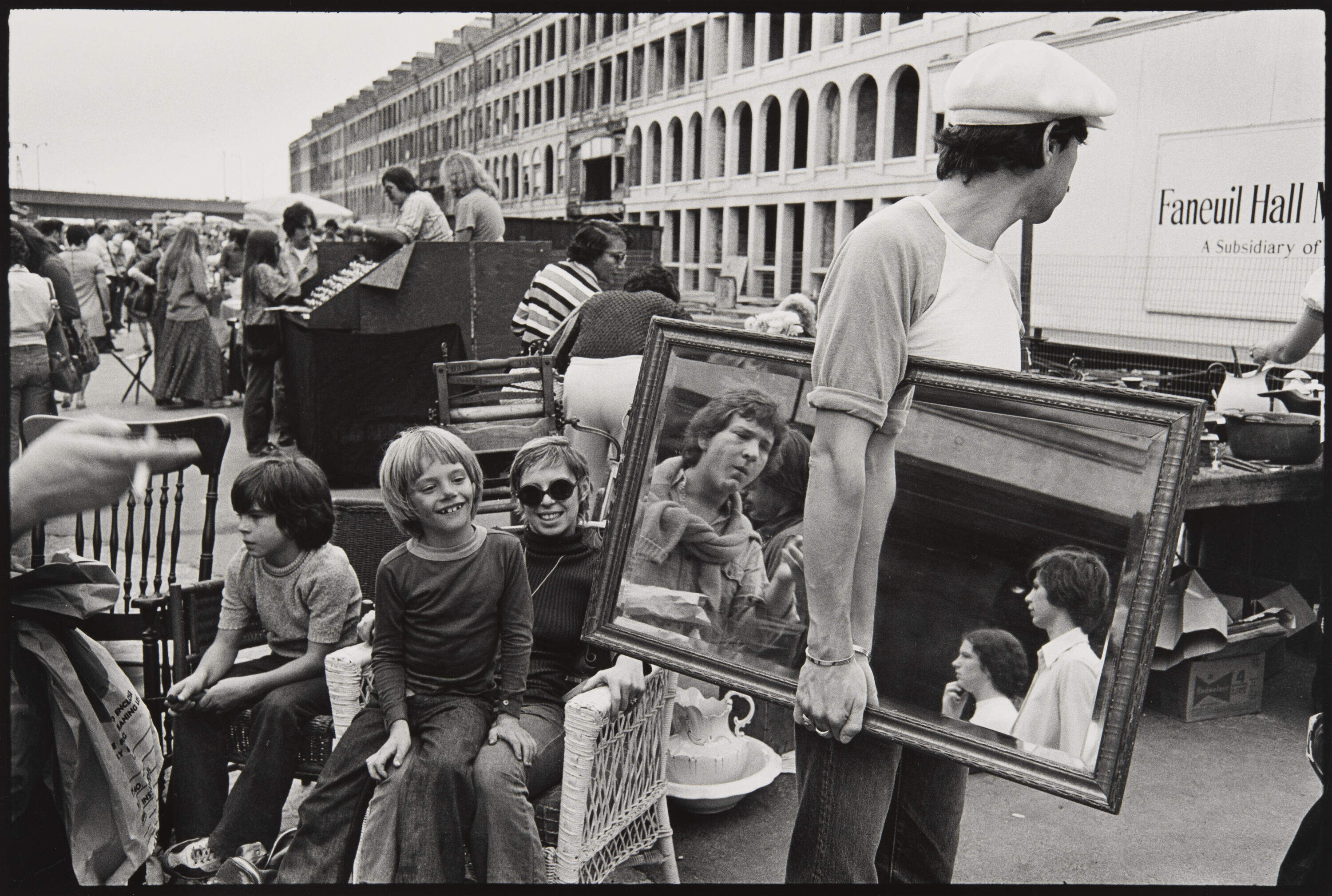
Photographer Constantine Manos spent nine months capturing ordinary moments across Boston to create an all-encompassing portrait of the city. Originally commissioned for the “Where’s Boston?” Bicentennial exhibition, Manos photographed public events and intimate interactions, from flea markets to weddings. Now, 52 years later, viewers are asked to examine the complexities of community, race and access that prevailed then and how they have changed or remain the same. Who are Bostonians? What defines this city? The Boston Athenaeum is also working to identify community members in Manos’ photos. If viewers recognize a subject, remember an event or want to share any insights, they can reach out to the Boston Athenaeum.
'James Dye: The Void, the Wheel, and the Monster'
Fitchburg Art Museum
June 20-Sept. 20
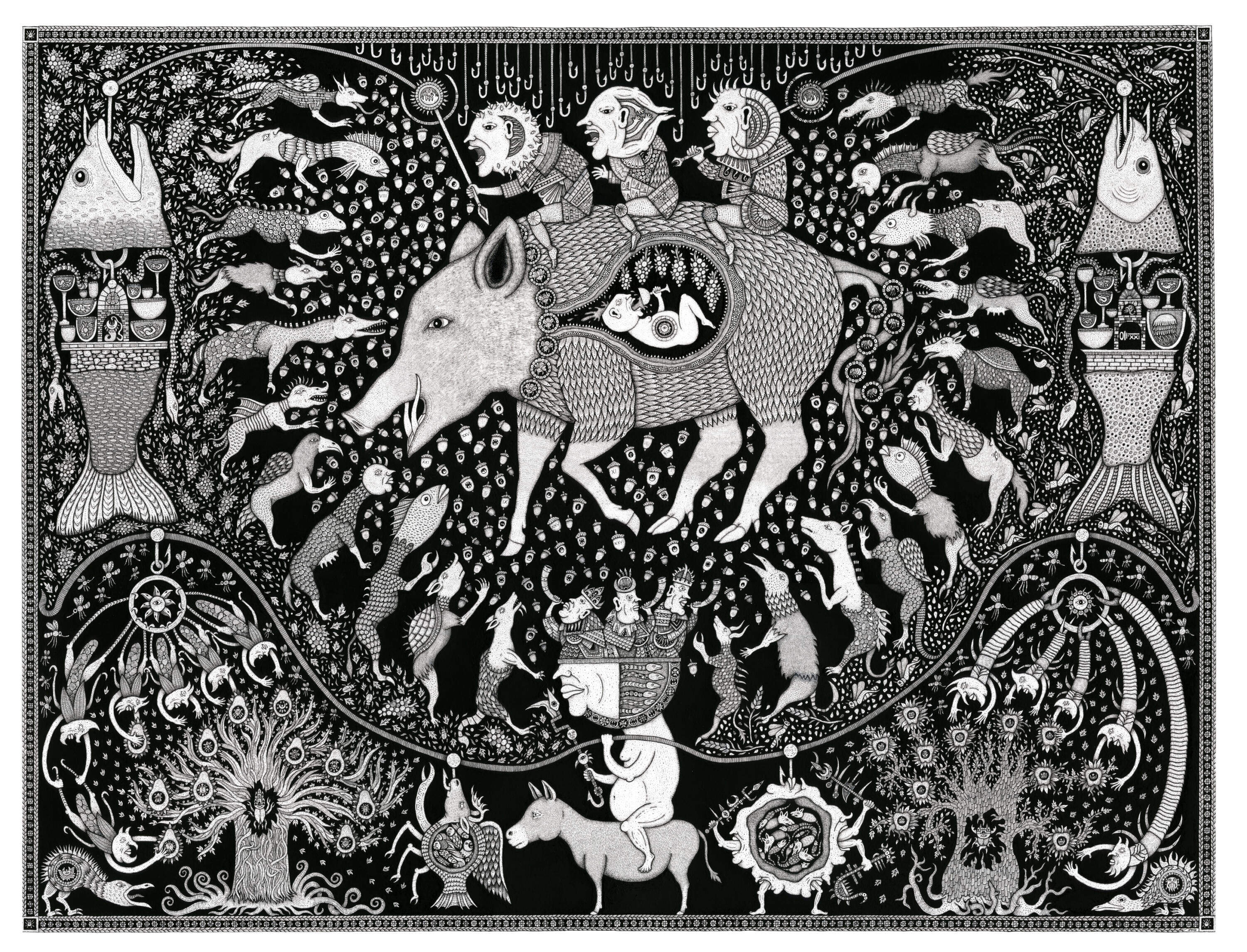
The aptly named Worcester-based artist James Dye crafts extremely detailed India ink drawings, using a dip pen and brush, of monstrous creatures within mythical stories. Drawing from history, mythology, religion and psychology, his peculiar worlds examine light and dark, and life and the absence of it. In an effort to discover his place in the world, Dye utilizes primal imagery extracted from a shared subconscious. Dye won first prize in the 89th Regional Exhibition of Art & Craft at the Fitchburg Art Museum last year.
'Stories on the Planet: Asagi Maeda'
Fuller Craft Museum
June 27-Nov. 8
“Stories on the Planet” at Fuller Craft Museum explores miniature sculptural worlds within the wearable art of Japanese metalsmith Asagi Maeda. She works with wood, plexiglass, resin, enamel, silver, gold and precious stones to craft tiny scenes of everyday life. Small golden dancers and musicians convey a range of human emotions. Maeda’s pieces prove that worlds less than an inch tall can hold meaning. Based in Tokyo, Maeda exhibits internationally and teaches wax carving at Jyoshibi Art University.
'Daniela Rivera: Hacia Quando (To When)'
MASS MoCA
Opening July 11
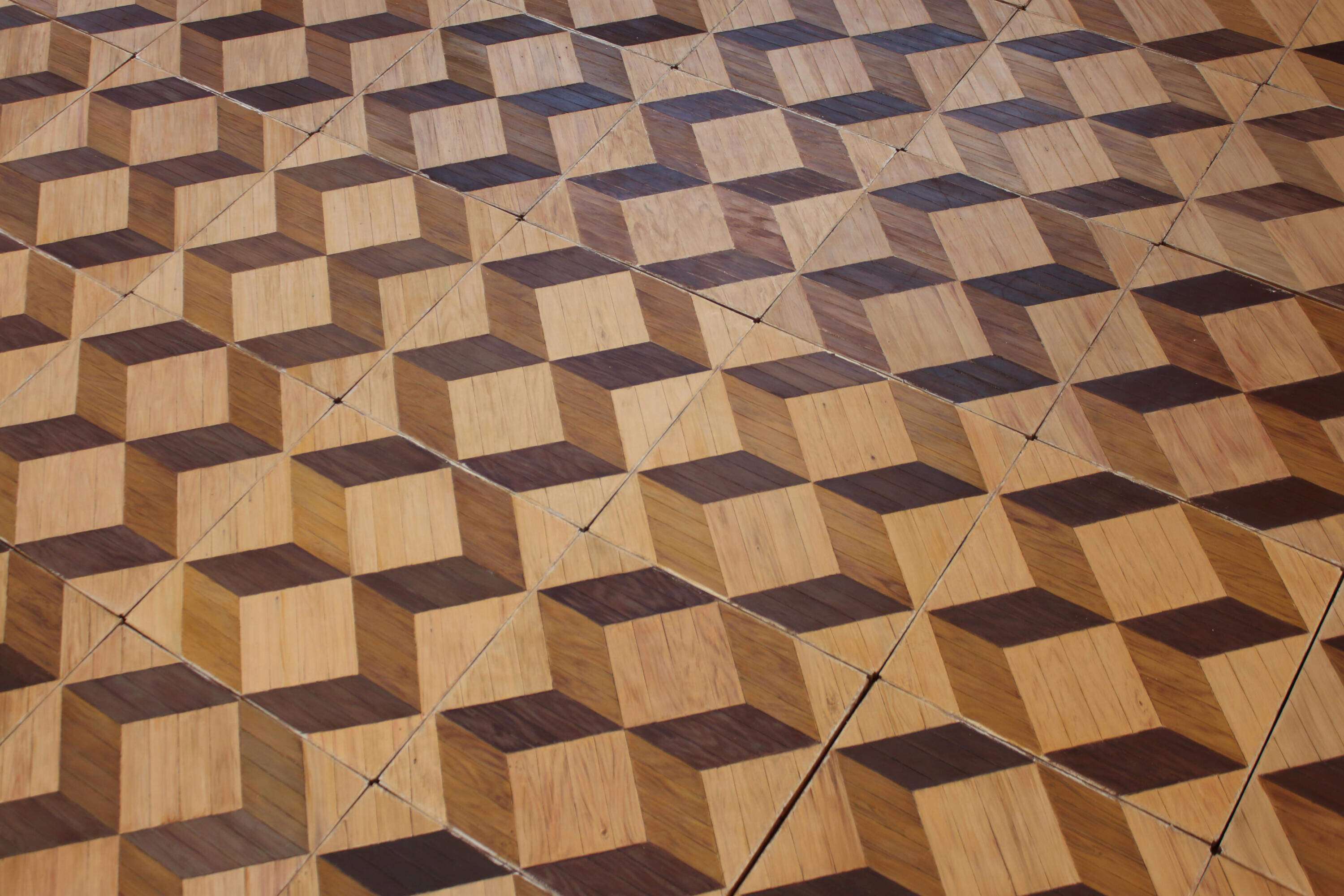
Many artworks are meant to be admired but not touched. Chilean-born and Boston-based artist Daniela Rivera invites viewers to become more than simply viewers and walk on her floor fresco at MASS MoCA. The inclined platform floor is crafted from handmade tiles fabricated in pre-Hispanic fresco traditions. As visitors walk up the floor, microphones under the incline will amplify the sounds of their movement. In October, Rivera and the museum will utilize the sounds of visitors migrating across the floor coupled with performers’ voices and movement in a new opera work. “Hacia Cuando: An Opera” will feature artists Javier Gustavo Bustos, Jenny Olivia Johnson and Sebastian Muirhead. Rivera will also hold fresco-making workshops to continue passing on knowledge of this traditional craft.
'List Projects 35: Pap Souleye Fall'
MIT List Visual Arts Center
July 30-Nov. 29
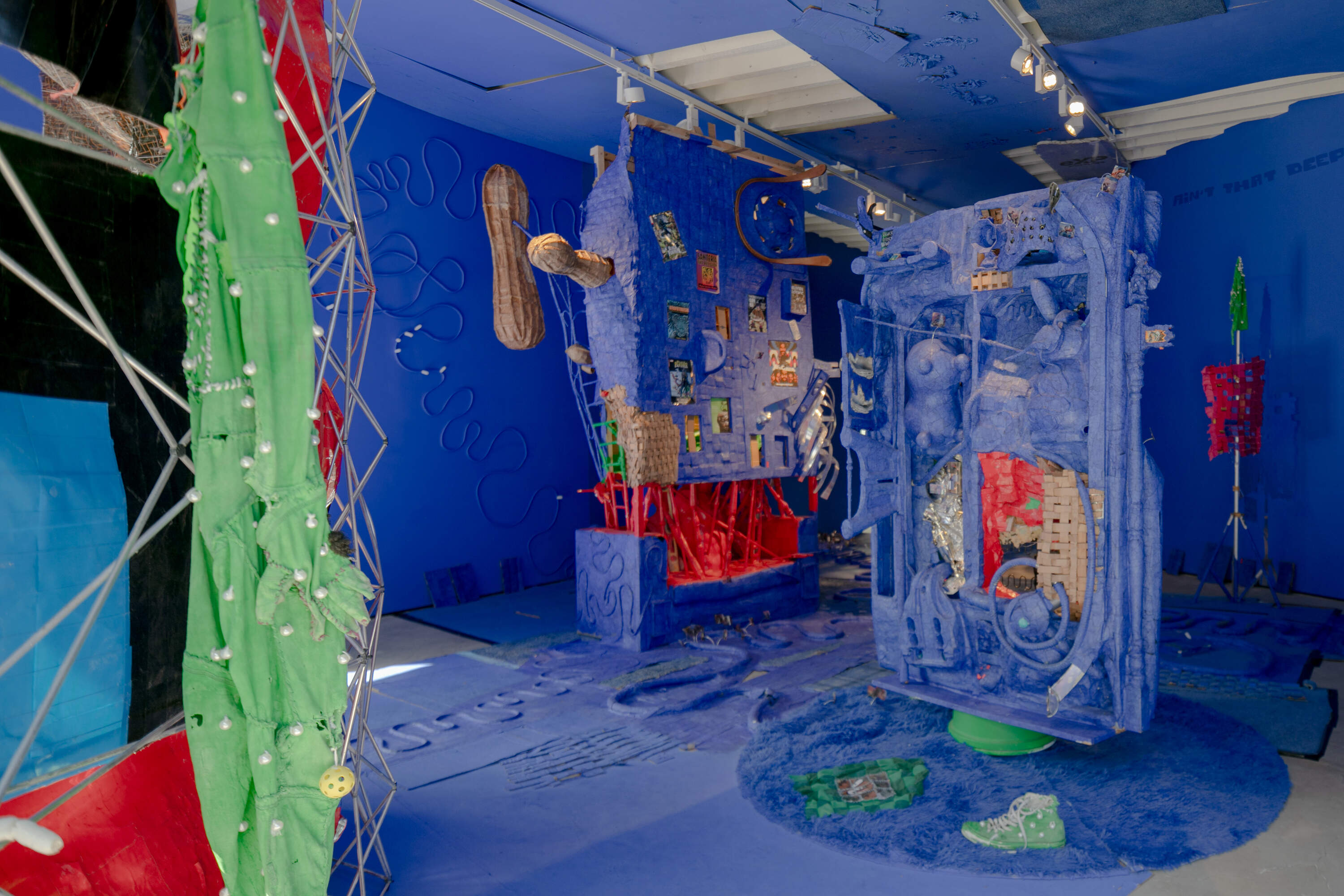
The MIT List Visual Arts Center is celebrating 40 years of experimentation, innovation and art with a new List Project exhibition. Artist and comic book illustrator Pap Souleye Fall develops works within the world they developed called “DEAD PIXEL,” inspired by the term of the same name that means the black spots that materialize on-screen from technological error. Through installation, performance, drawing, sculpture and video, Fall visualizes the empty spaces as “portals to hidden realms of autonomy.” In a new installation in the saga at MIT List Visual Arts Center, the story’s protagonist, also named DEAD PIXEL, evades THE DATA COLLECTOR villain by camouflaging in green-screen green. In this world, data is a precious material like a human soul, and THE DATA COLLECTOR represents data mining and predictive analytics that control and surveil users. Fall’s exhibition explores the digital age as well as other systems of power, like slavery and the quilt patterns people developed on the Underground Railroad to communicate sensitive messages.
'ChromaForm'
Rose Art Museum
Aug. 19-May 31, 2027
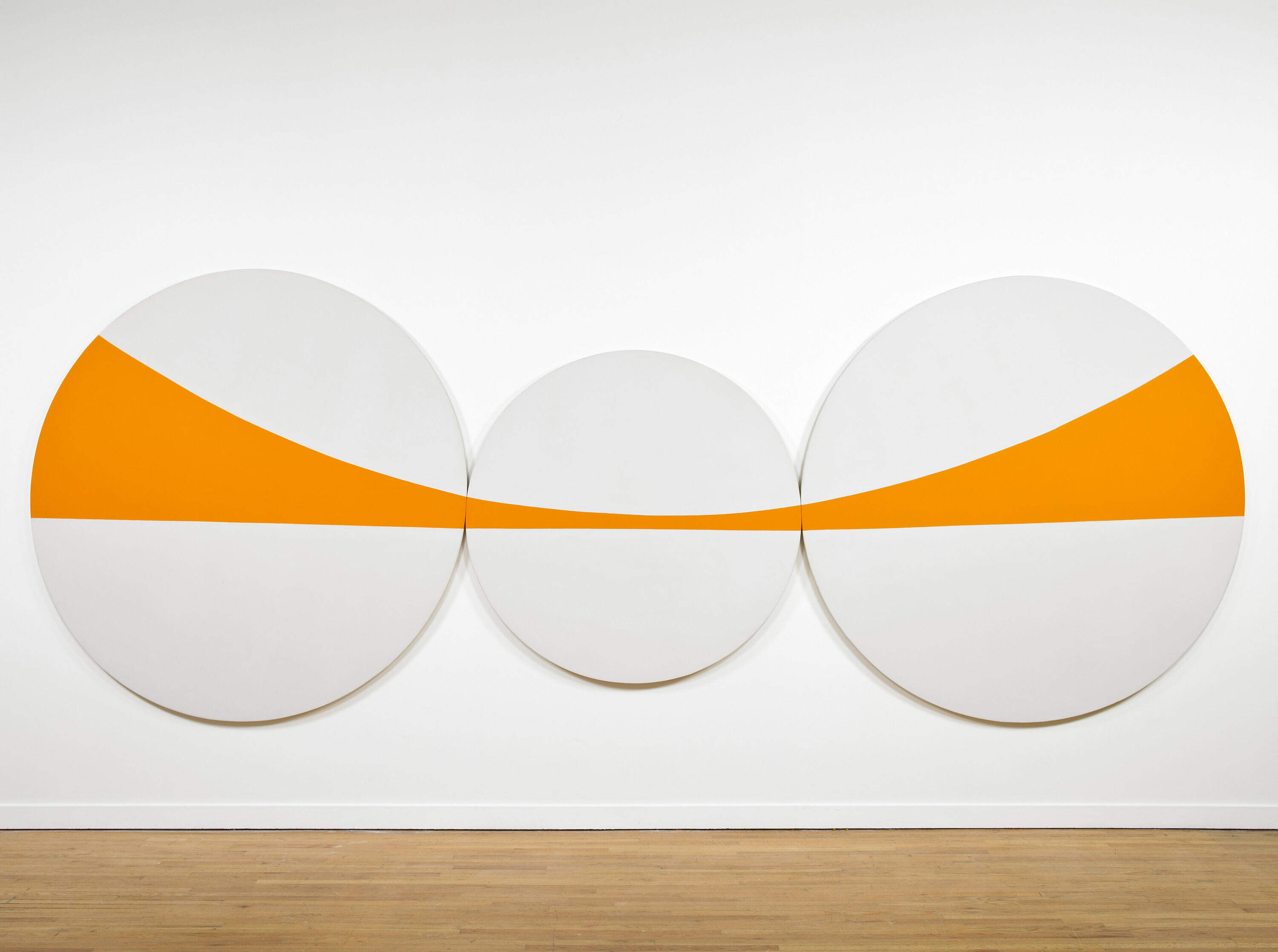
The Rose Art Museum will reopen with “ChromaForm,” an exhibition ruminating on the vitality of color and geometry in mid-20th-century abstraction, a movement characterized by clarity, structure and perception. The late American painter Leon Polk Smith is one of the featured artists. He is considered one of the founders of the hard-edge style of Minimal, abstract art, and explored shaped canvases with contrasting vibrant color.
'Leilah Babirye'
Institute of Contemporary Art/Boston
Aug. 27-Jan. 18, 2027
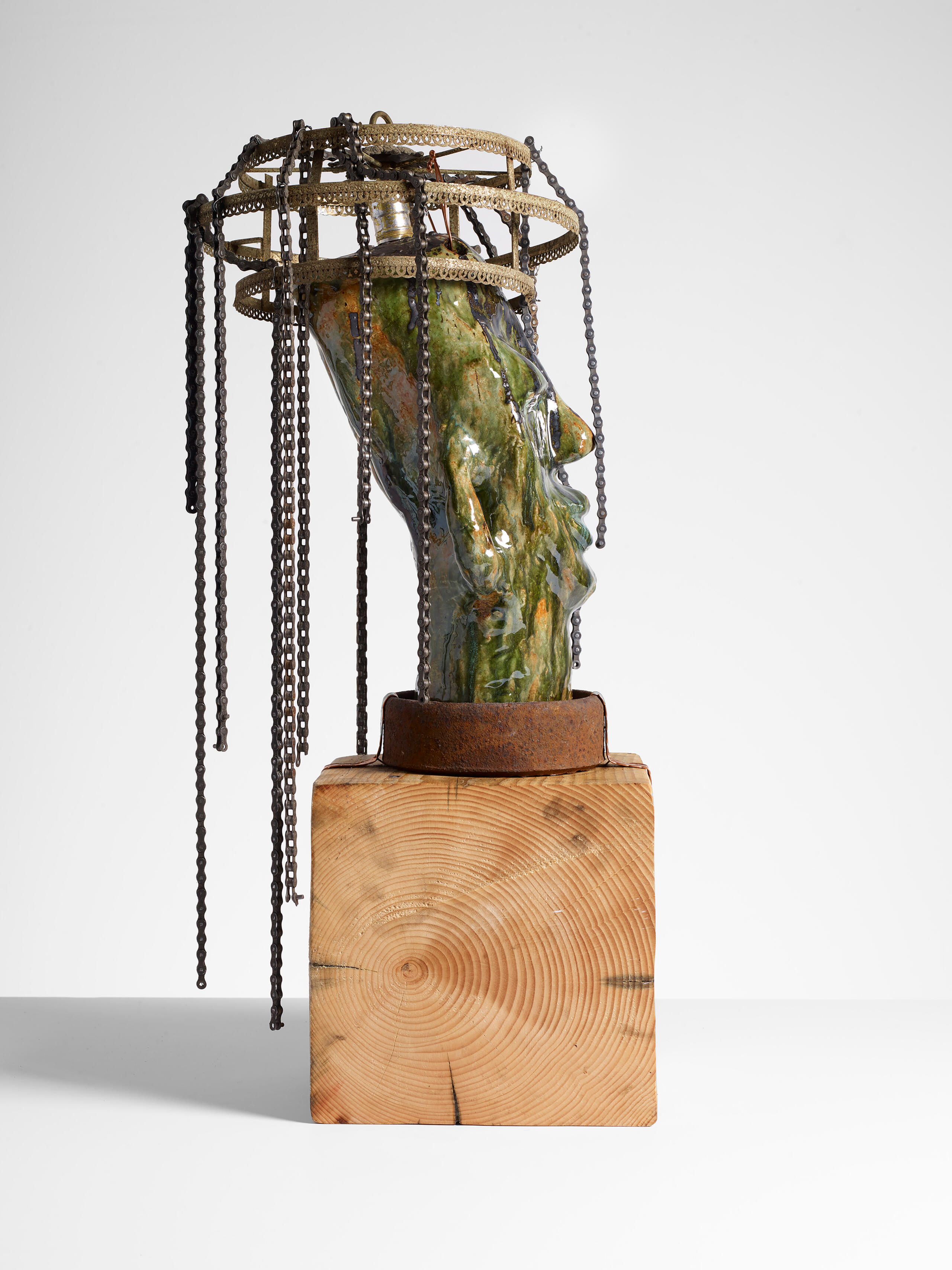
Ugandan sculptural artist Leilah Babirye works with ceramics, wood and debris — from gears to rubber inner tubes of bicycle tires — to craft powerful headdresses, jewelry and ceramic forms. This new exhibition at the Institute of Contemporary Art/Boston ruminates on queer weddings through ceramic sculptures. She created all of the roles from the bride to the flower girl. The sculptures come together in celebration with large-scale works in charred wood as aunties, uncles and ancestors observing the ceremony. Babirye is dedicated to uplifting queer identities as she fled Uganda after being outed as gay. Her first book will accompany the exhibition.
'Cynthia Daignault'
Institute of Contemporary Art/Boston
Aug. 27-Jan. 18, 2027
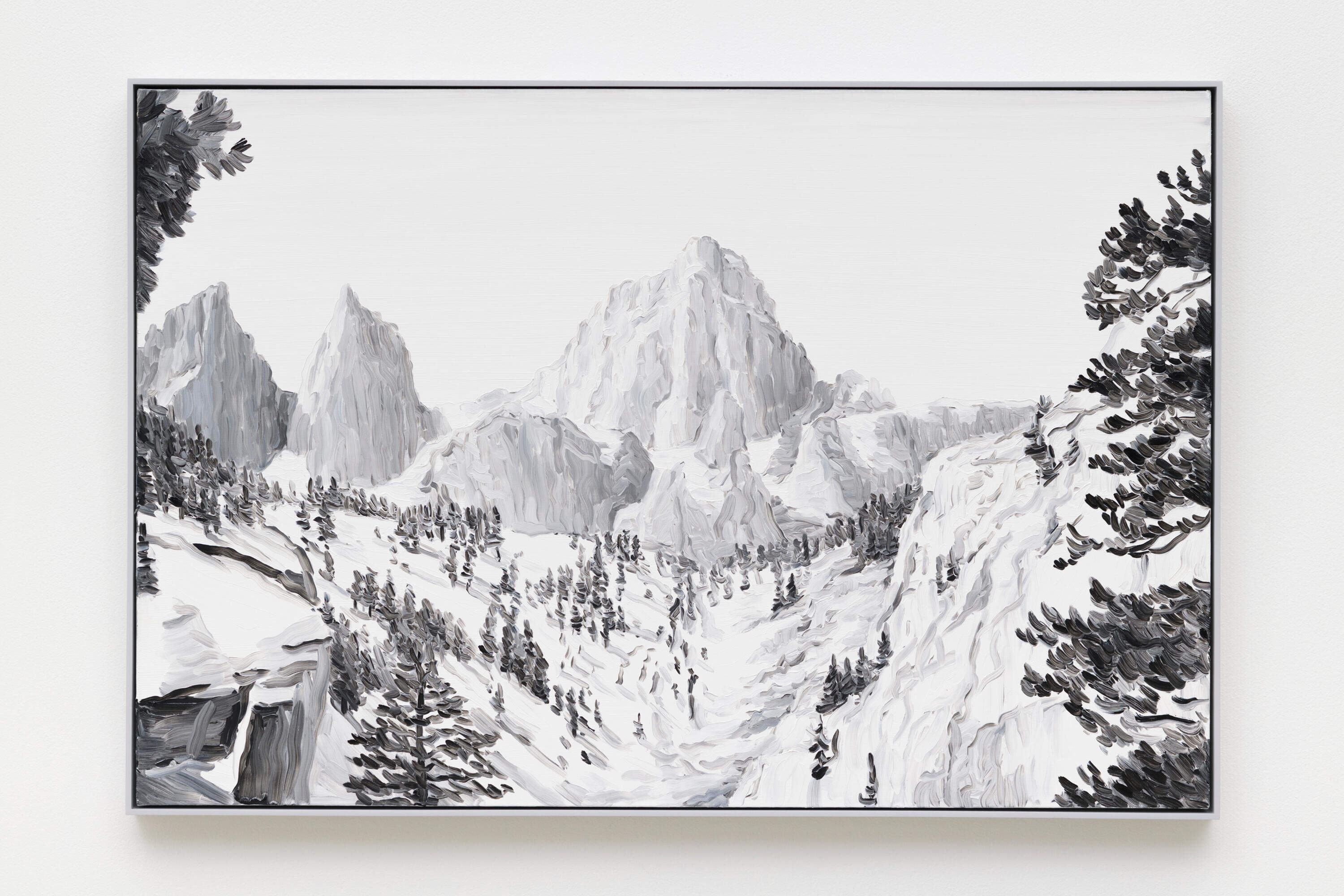
Also at the ICA, Cynthia Daignault conceptualizes her work as “long-form painting,” creating pieces with a central, developing narrative. The Baltimore-based artist paints episodic works on the American landscape as it captures specific moments in history. In this exhibition, Daignault develops a multipanel installation of “the view looking up the Merced River through the sheer granite valley to the sky beyond at Yosemite National Park.”
'The Way We Never Were: The American Professional Photographers Collection'
Harvard Art Museums
Aug. 29-May 9, 2027
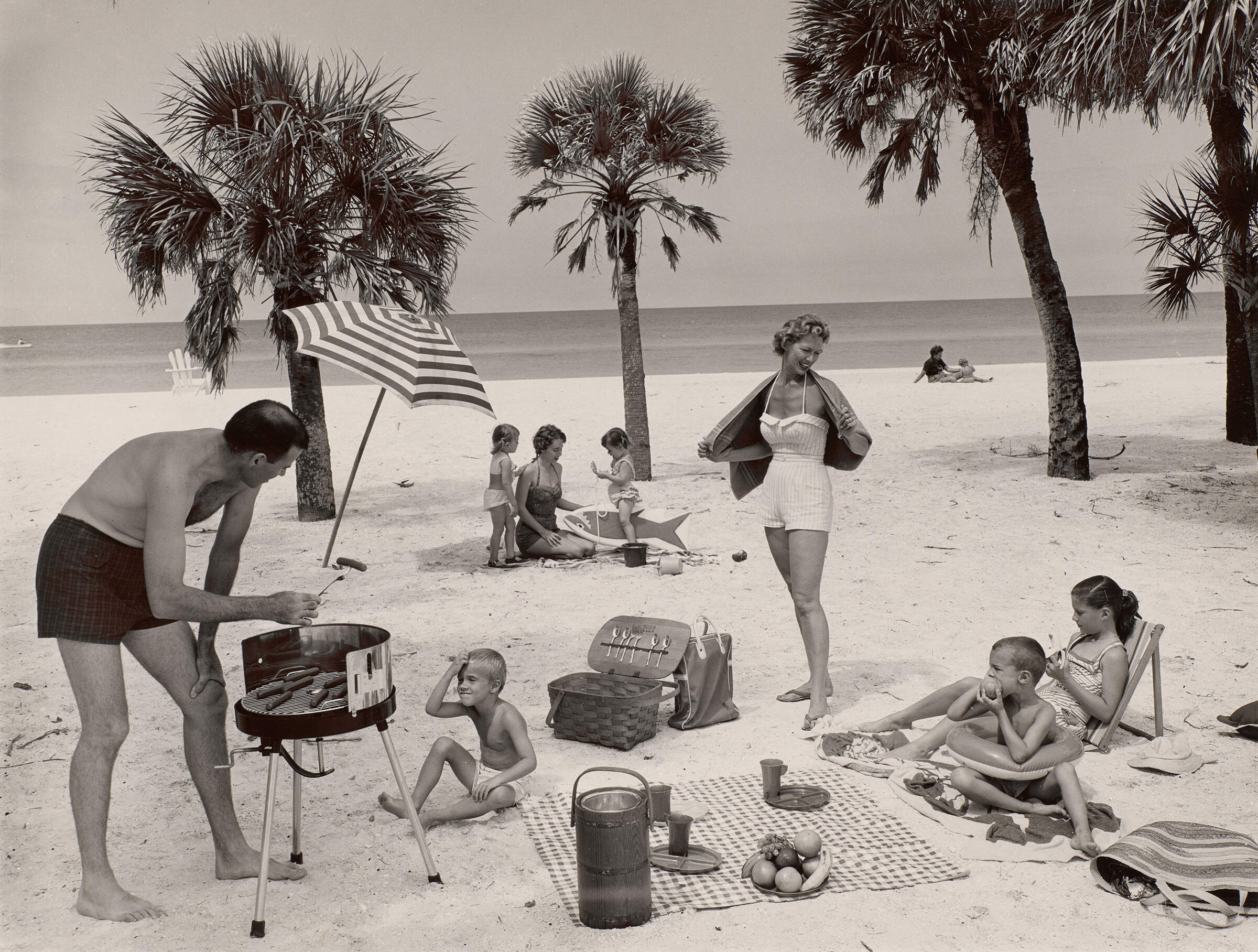
At the Harvard Art Museums, “The Way We Never Were” explores the ways photography influences cultural memories of postwar America. People often think of post-World War II America as peaceful and stable, but why is that the collective memory? Photographers were commissioned to capture daily life in a way that manipulated and redefined it. “The Way We Never Were” reflects on an archive of 20,000 photographs from the late 1930s through the early 1960s of weddings, corporate gatherings and other typical social events from the Harvard Art Museums’ American Professional Photographers Collection. The exhibition looks at what was documented, what was left out and how events were memorialized to inform our understanding of mid-century American culture.
'Maverick Kings: Three Visionary Pharaohs of Egypt's Golden Age'
Museum of Fine Arts, Boston
Sept. 6-Dec. 6
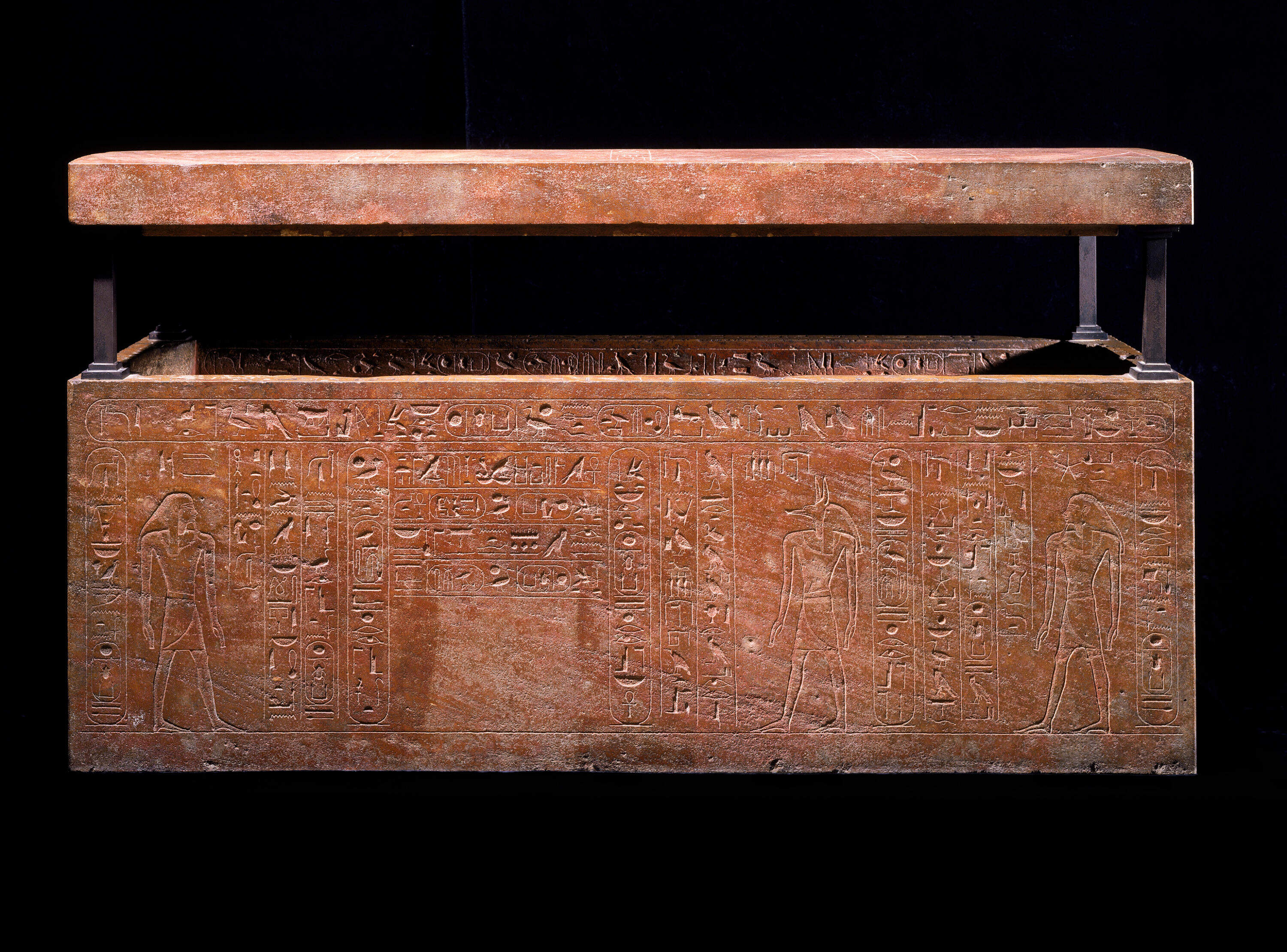
“Maverick Kings” focuses on three rulers of the 18th Dynasty in Egypt — Hatshepsut, Amenhotep III and Akhenaten — and the ways they utilized artists and architects to develop work that promoted their objectives during their reigns. Hatshepsut was actually one of Egypt’s only female pharaohs, and she founded the 18th-Dynasty artistic style. She constructed towering temples with statues and obelisks depicting her as king. However, years after she died, her images were destroyed and her name was erased from history — the reason is still unknown. “Maverick Kings” pulls primarily from the MFA’s collection of ancient Egyptian art to showcase the lives of the pharaohs through their art. Some of the works include the only royal sarcophagus from the 18th Dynasty outside of Egypt, which is dedicated to Hatshepsut, and large statues of deities in animal form.