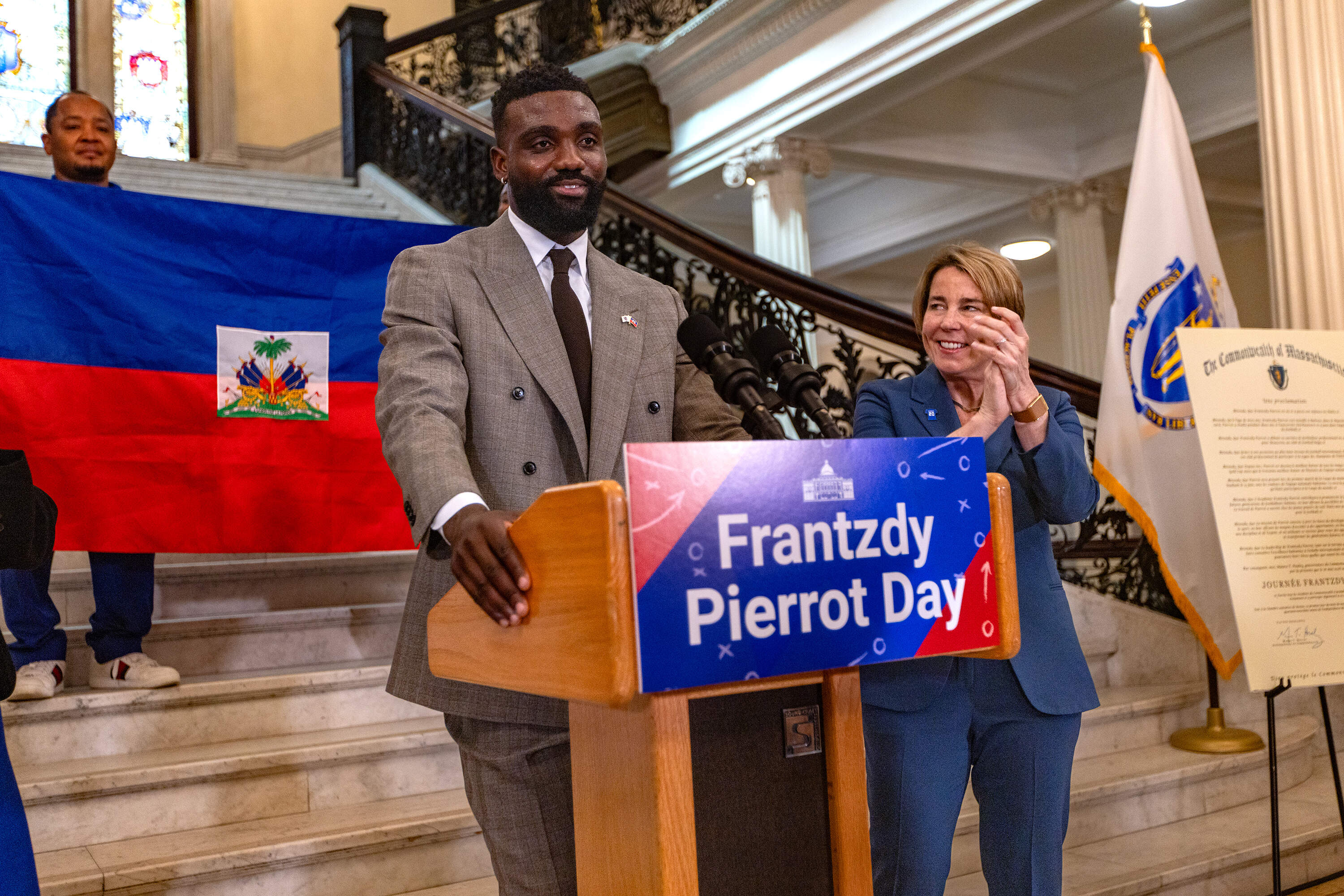
Melrose soccer star Pierrot will play for Haiti in the World Cup
"He really represents the very best of Massachusetts," said Gov. Maura Healey, upon declaring Frantzdy Pierrot Day.
"He really represents the very best of Massachusetts," said Gov. Maura Healey, upon declaring Frantzdy Pierrot Day.
Support WBUR
Harvard economist Raj Chetty has spent his career studying the geography of opportunity. That is, which communities in America give kids the best shot to get out of, and stay...
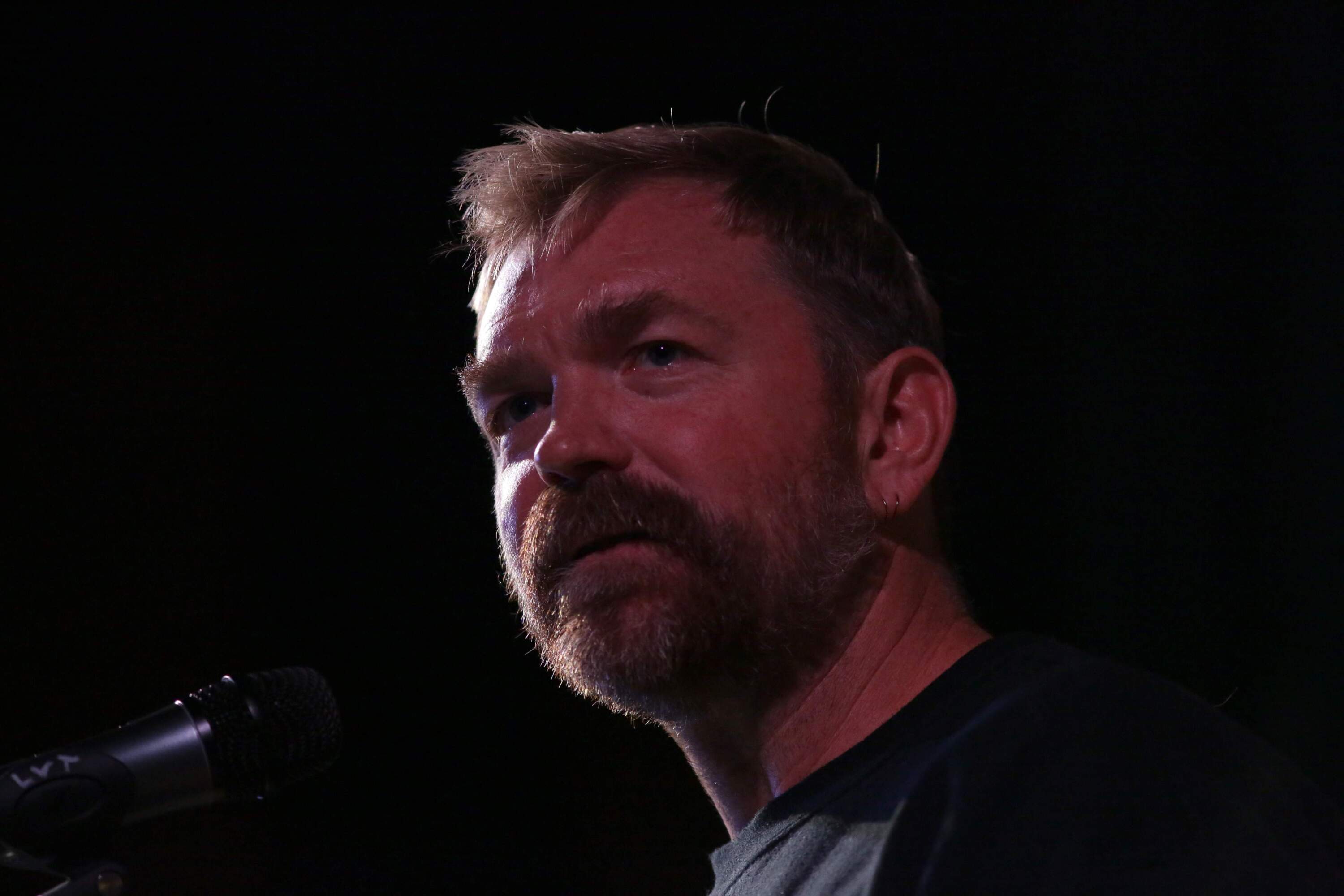
Maine Senate candidate Graham Platner was greeted with unwanted news from Massachusetts twice over the Memorial Day weekend.

A beloved historic sign, saved from the scrap heap, sits in a workshop in Somerville. It faces a steep financial road back to the New Bedford skyline.
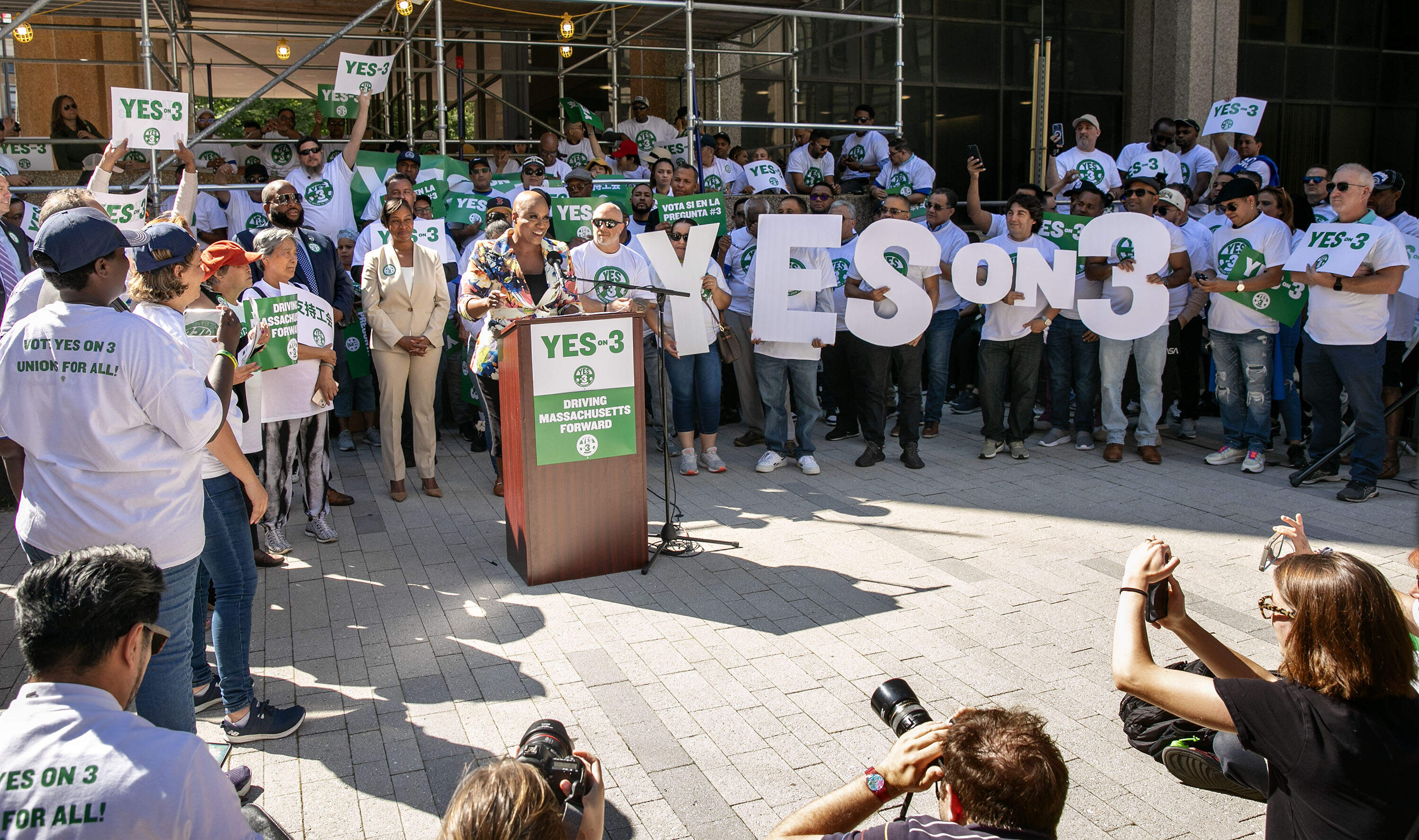
The formal recognition comes 18 months after a 2024 ballot question gave local ride-hailing drivers the right to collectively bargain. The union will now represent about 70,000 drivers.
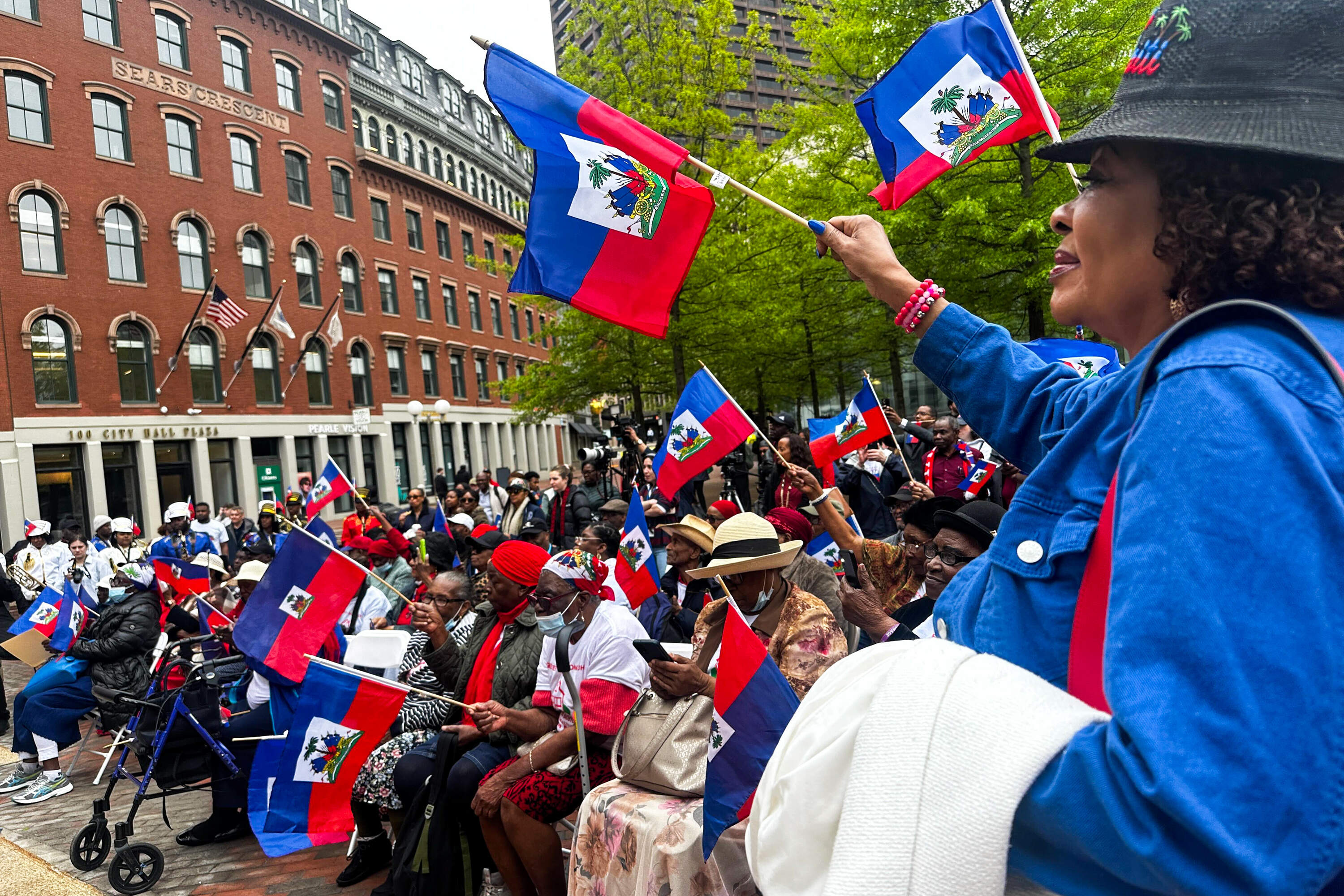
It’s only the second time in Haiti's history that the team has made the tournament, and its first game, against Scotland on June 13, will take place in Foxborough. “It’s...
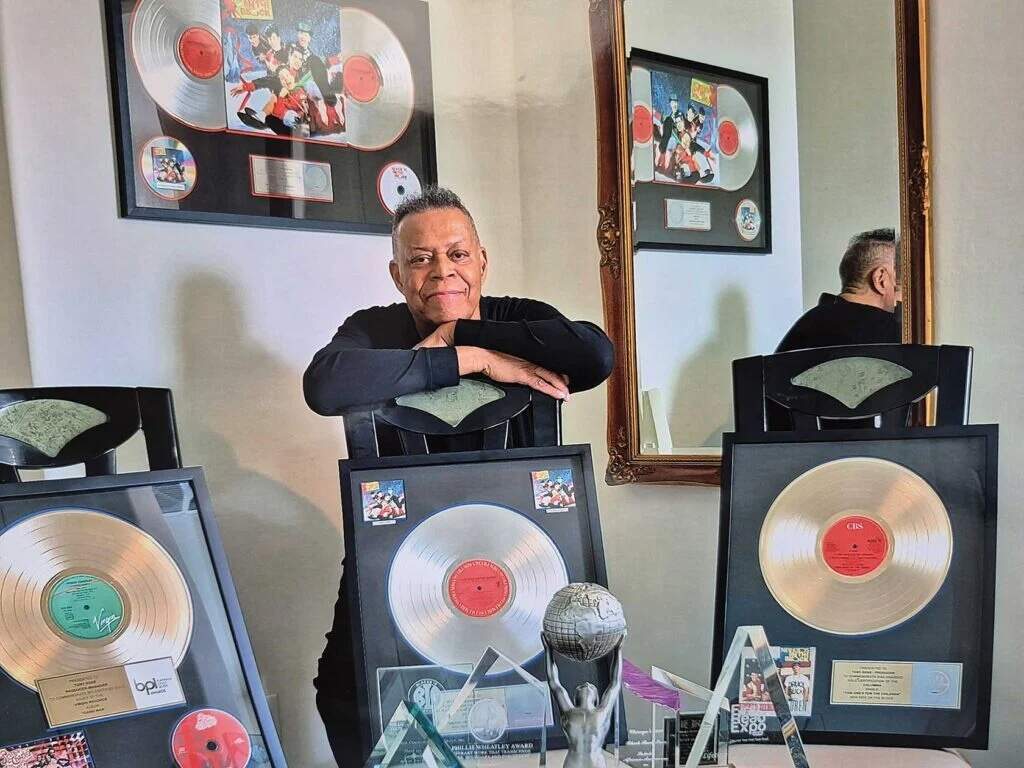
Rose, who grew up in Roxbury, shaped Boston's music scene in the '70s and '80s, mentoring artists like Prince Charles Alexander who would define the city's sound. He died last...
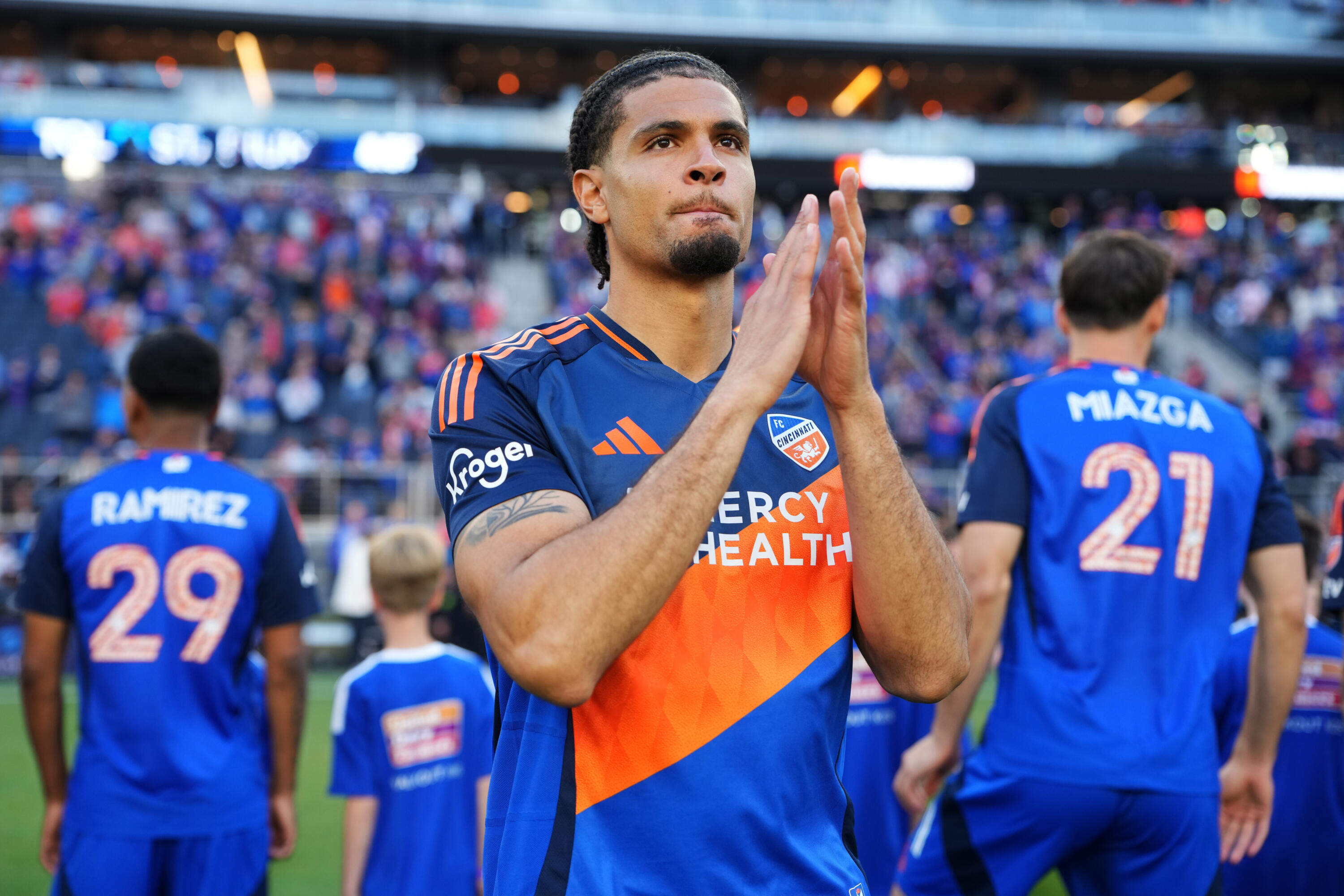
Use our handy list and map to learn a little more about the players representing the U.S. at the World Cup this summer.
Boston comedian Ken Reid walks through the rise, roasty highs and eventual fall of Boston Market.
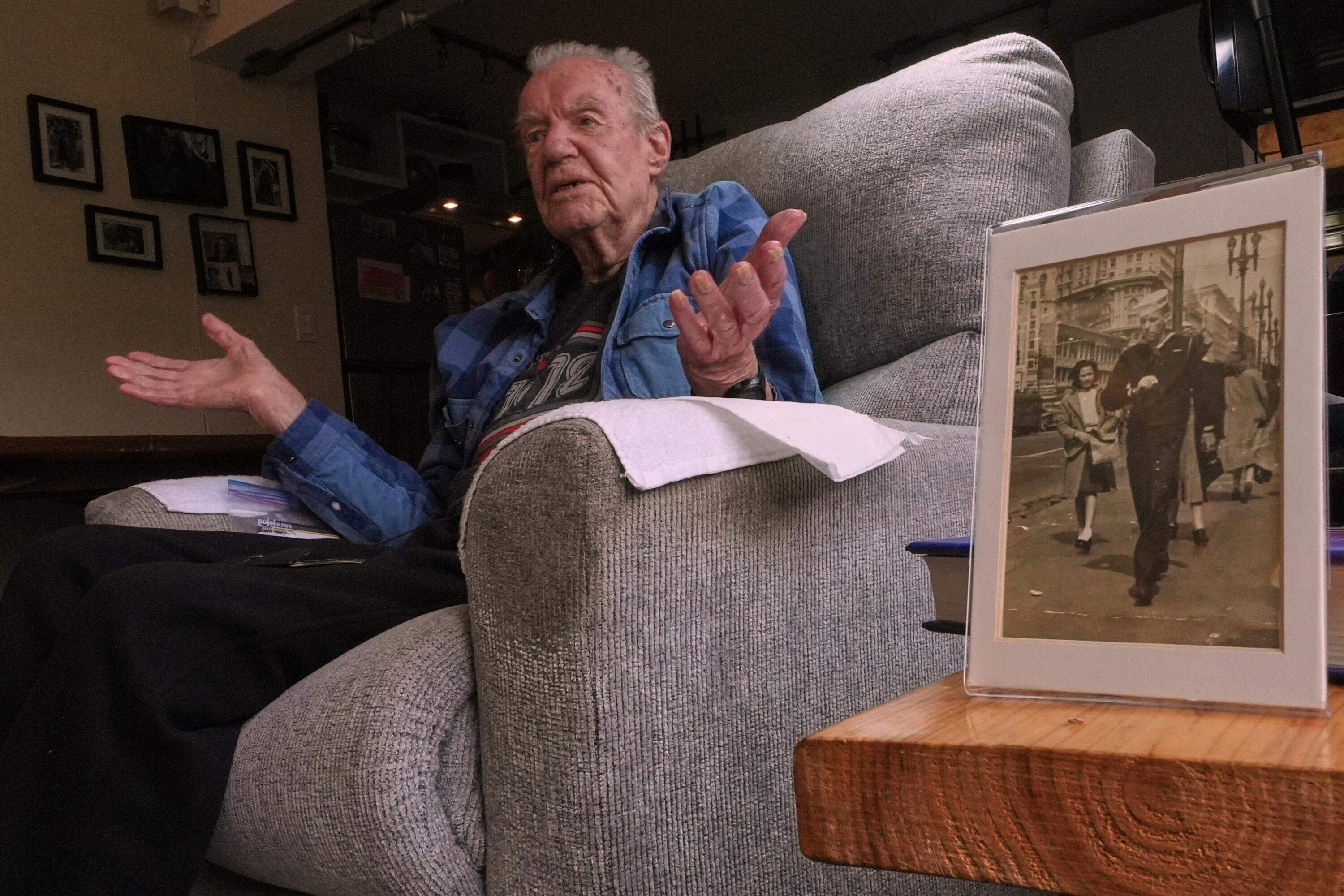
As the oldest survivor of the attack, Cape Cod resident Freeman Johnson has become a local celebrity and the reluctant face of one of the most important events in World...

The fight over Hager Pond Dam in Marlborough is a window into the hundreds of “high hazard” dams in Massachusetts that no longer serve any purpose.

The Boston Fire Department said Robert Kilduff, a 24-year veteran firefighter, died from a fall while battling a three-alarm fire at 18 Treadway Road in Dorchester on Saturday.

The Institute of Contemporary Art's East Boston outpost marks the start of the 2026 season with the U.S. premieres of artist Lucy Raven's "Hardpan" and "Murderers Bar." “So much of...
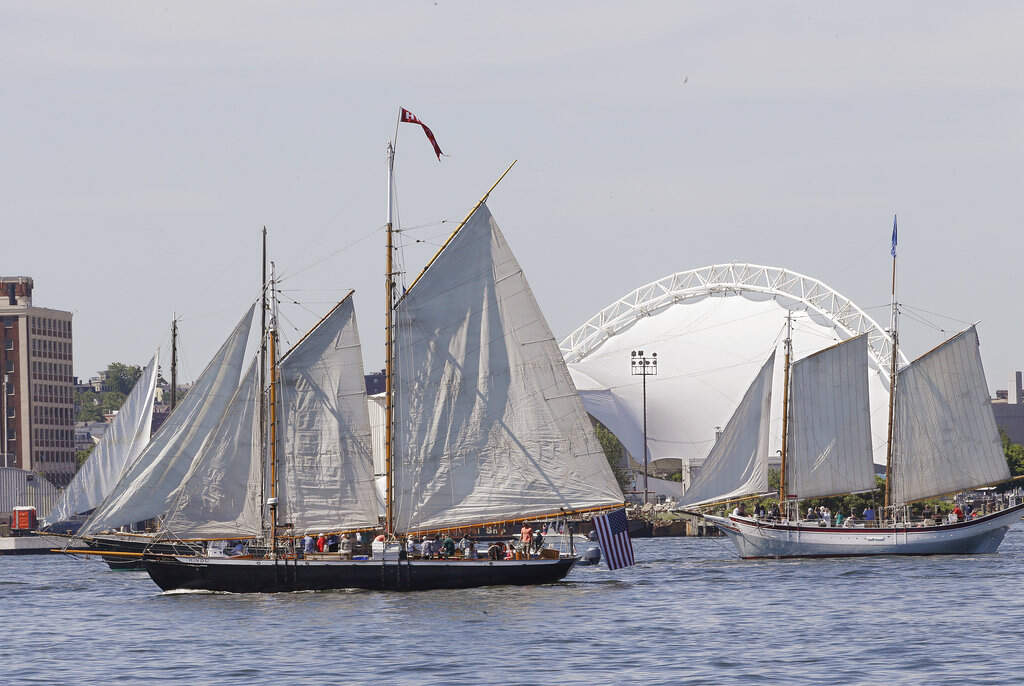
More than 50 tall ships from across the world are docking in Boston Harbor this July. The last time the tall ships came was in 2017. Here's what to expect...

With so many events centered on colonial history happening across the Massachusetts, we were wondering what people might've eaten at a summer gathering in 1776. The short answer? Not burgers...
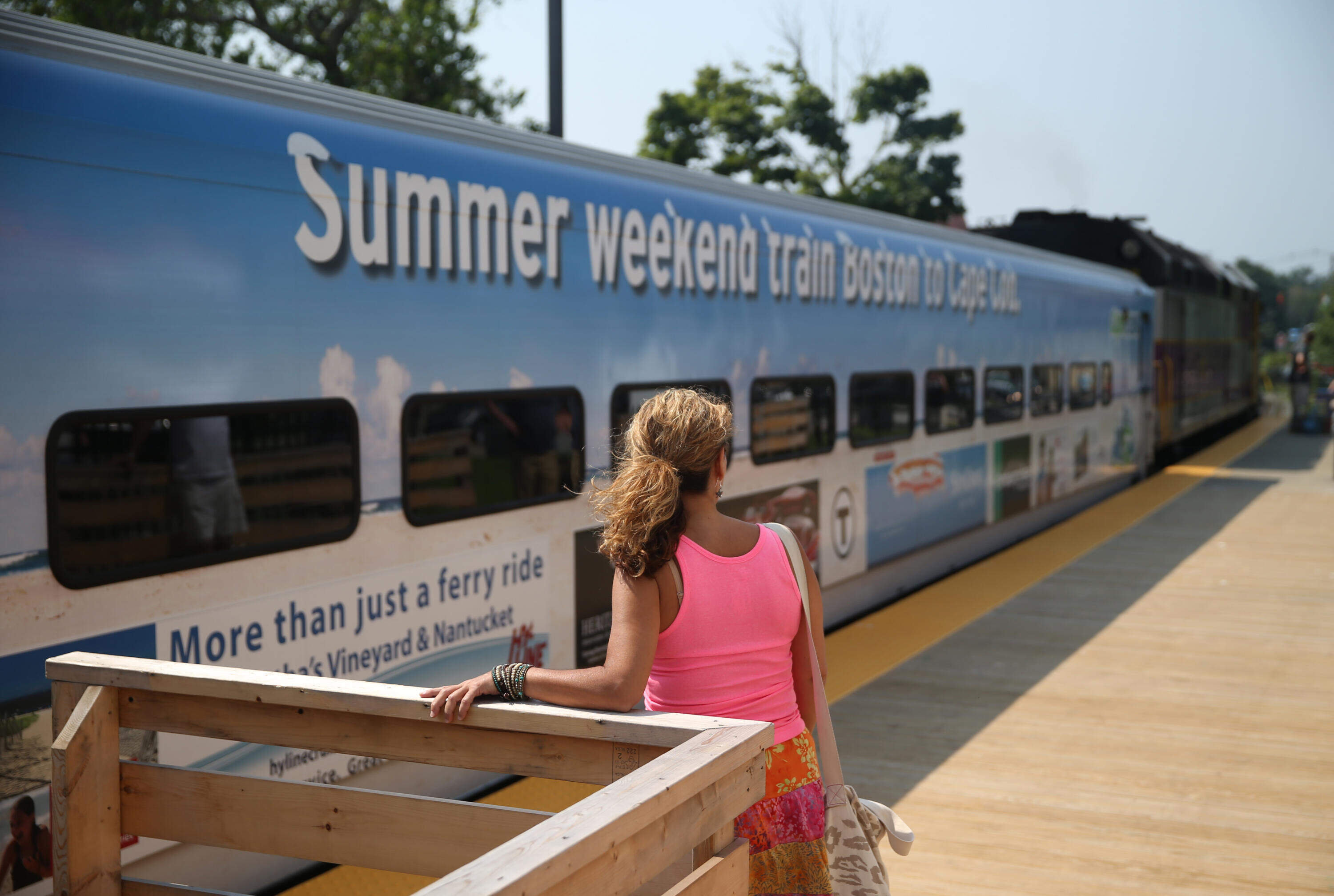
Coming off a record 2025 summer, the seasonal CapeFlyer train from Boston to Cape Cod resumes service Friday. And it touts a few ammenities other MBTA trains don't have.
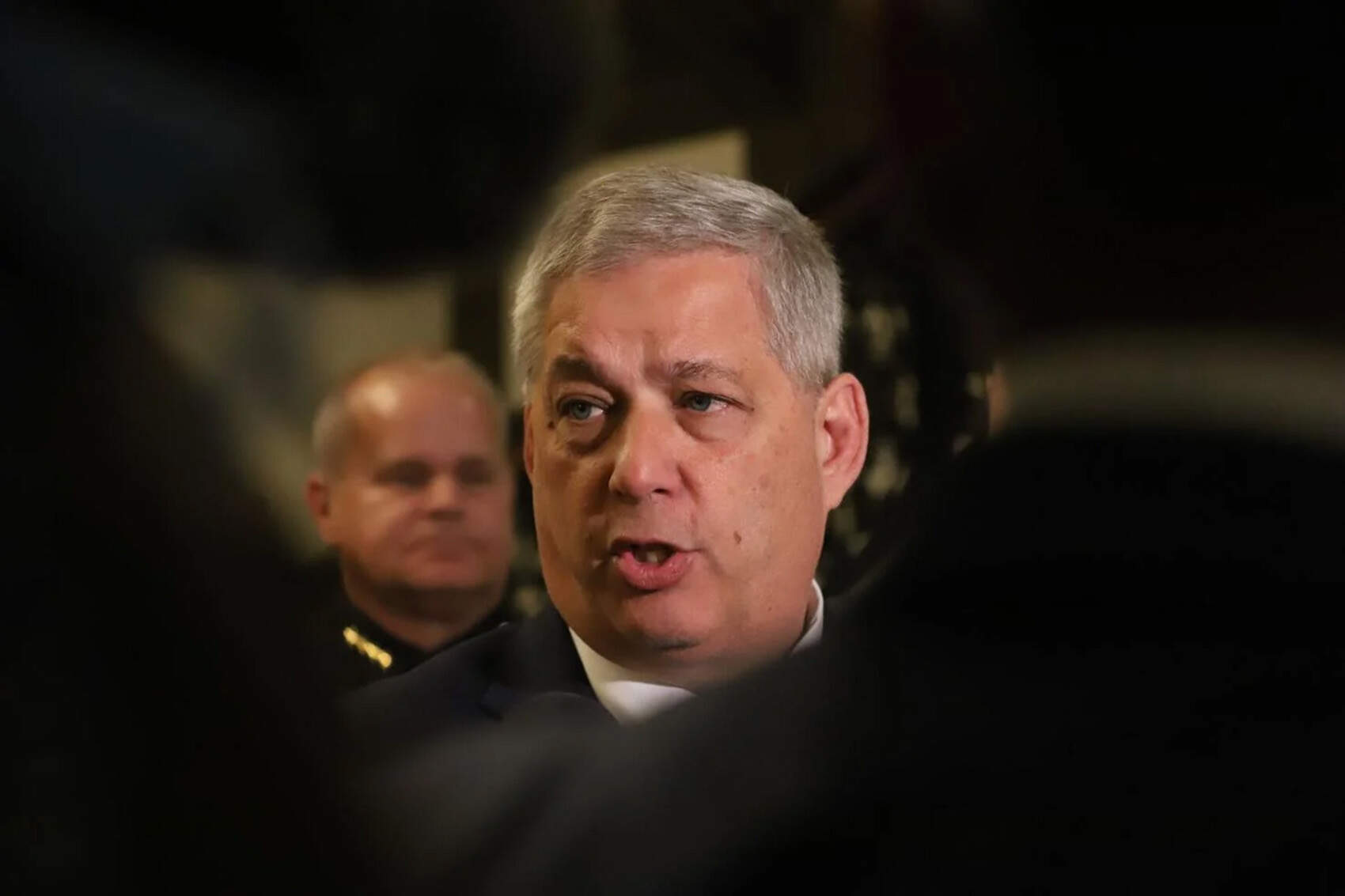
The Senate's $63.4 billion fiscal year 2027 budget will next move into conference committee negotiations with the House, which last month passed a fiscal 2027 budget that included about $50...

Holy Cross sports economist Victor Matheson discusses why World Cup tickets have gotten so expensive and the things fans can do to find the most affordable tickets.
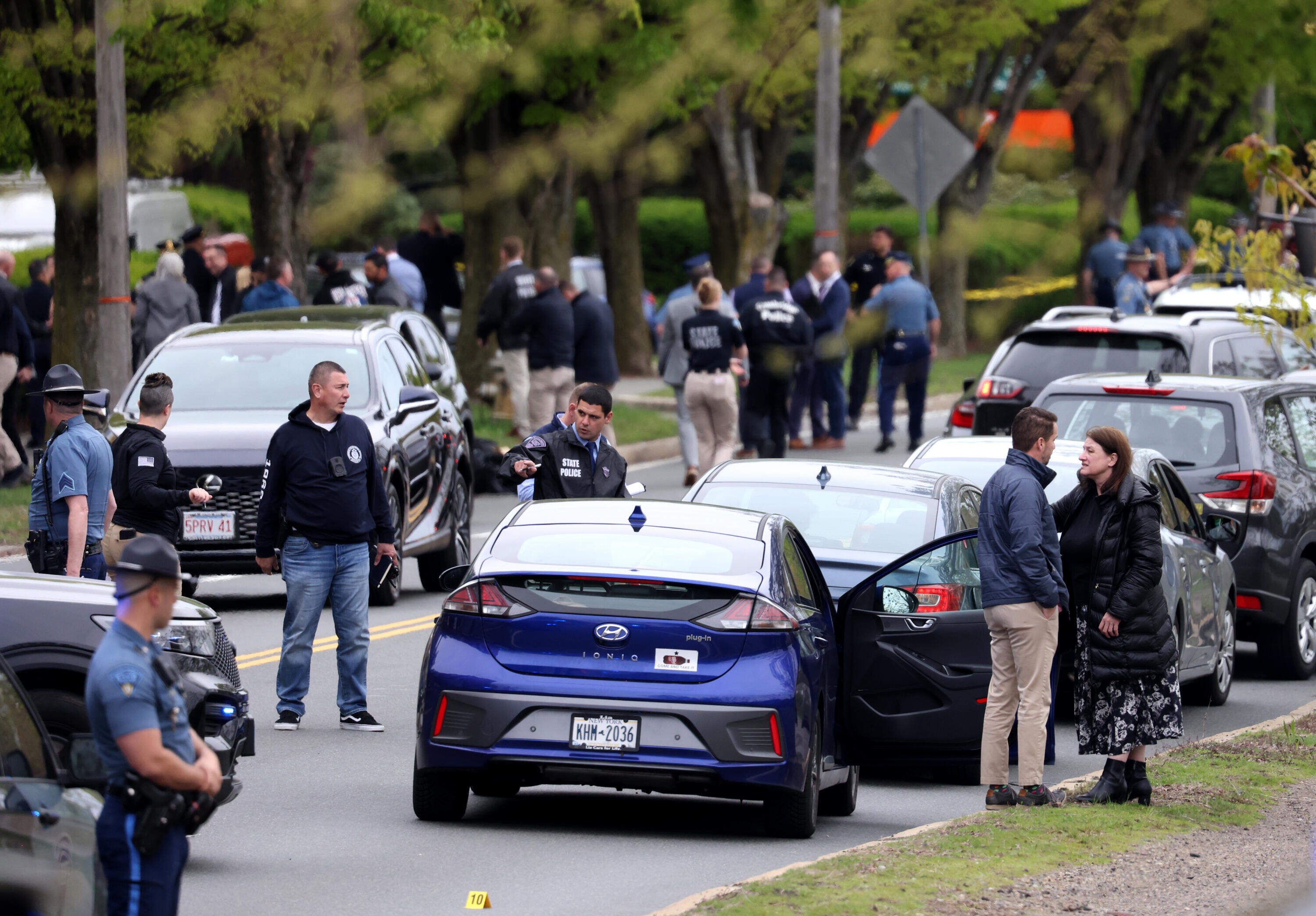
The judge found prosecutors demonstrated dangerousness, and Brown should be held without bail for up to 120 days, because he poses a risk to the community. State law requires a...
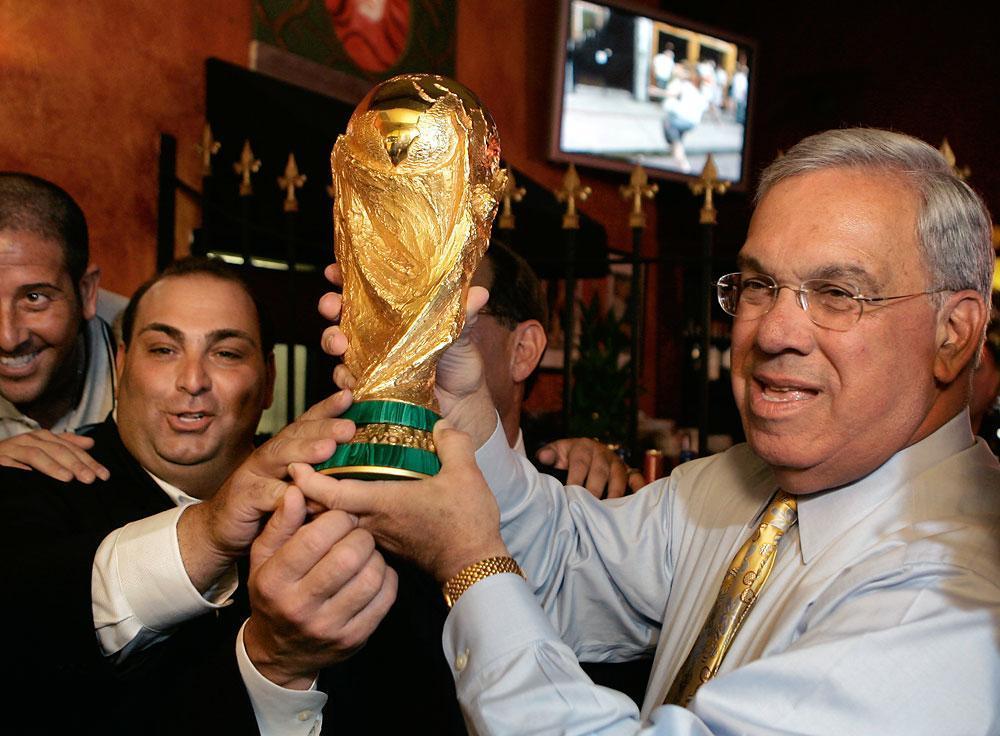
The World Cup comes to Boston(ish) this summer, with seven matches scheduled for Gillette Stadium in Foxborough. Here are the basics you need to know.
Fred Dow, Harry's son, joins WBUR's Morning Edition to discuss his work to preserve his father's story.
WBUR's Anthony Brooks reports Barney Frank is being remembered as a fierce advocate for liberal causes, including gay rights.
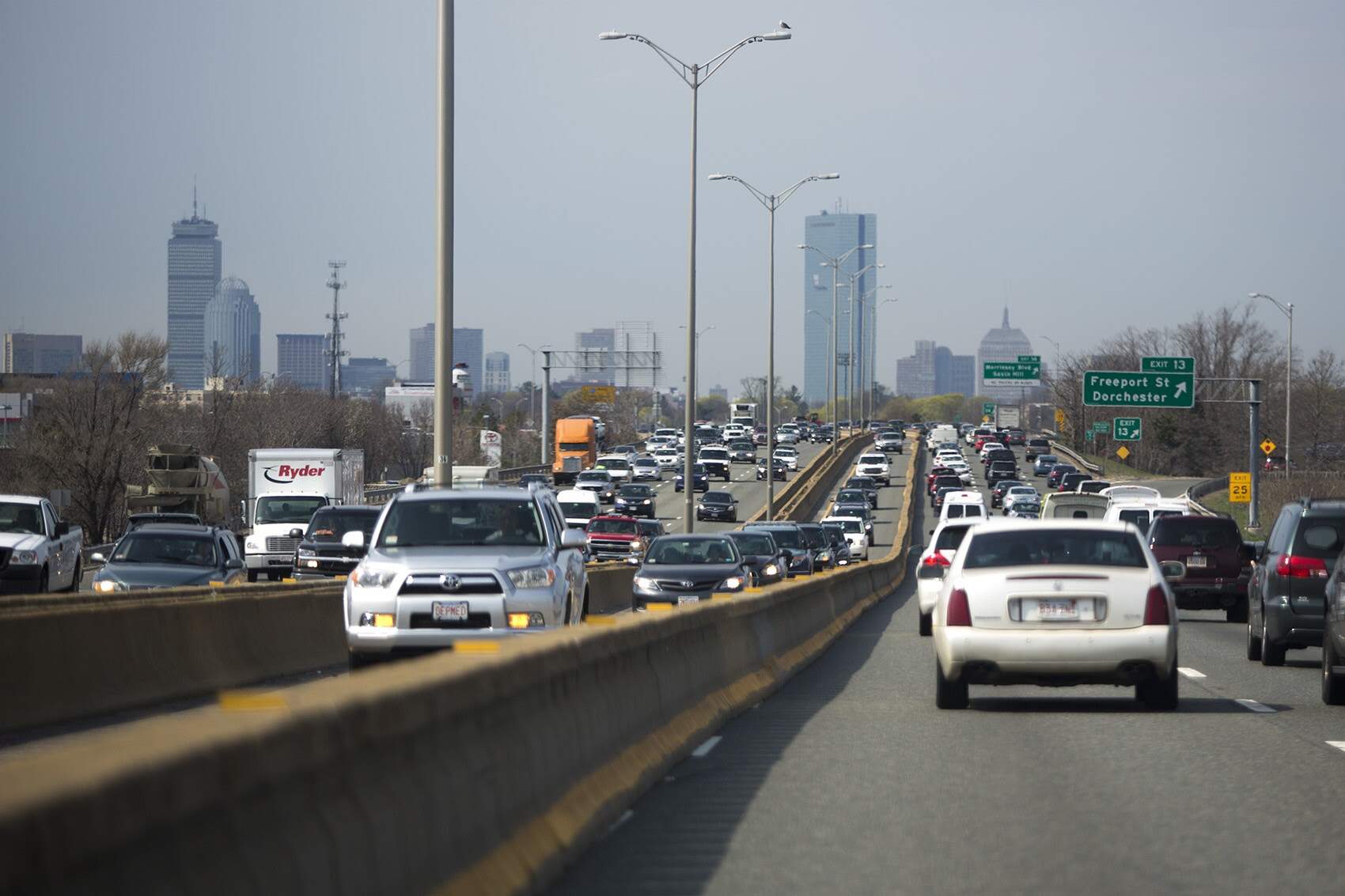
The average price of a gallon of gas in Massachusetts has topped $4.50 for this first time since 2022. Here's a look at the expected impacts on summer travel and...
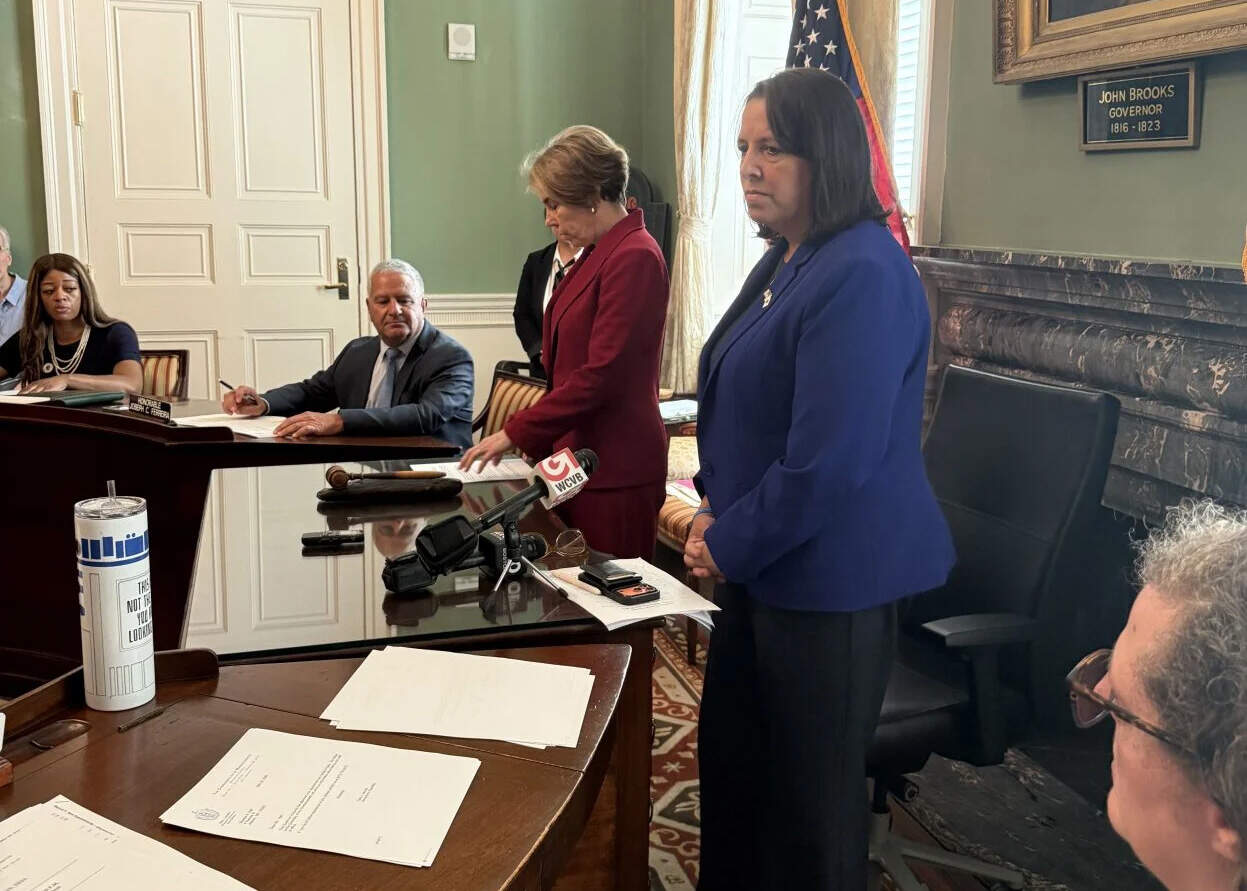
Vincent DeMore's nomination failed on a 4-3 vote. DeMore's nomination sparked backlash from critics who said his work as a prosecutor doesn't reflect the “type of multidisciplinary, rehabilitative expertise” needed...
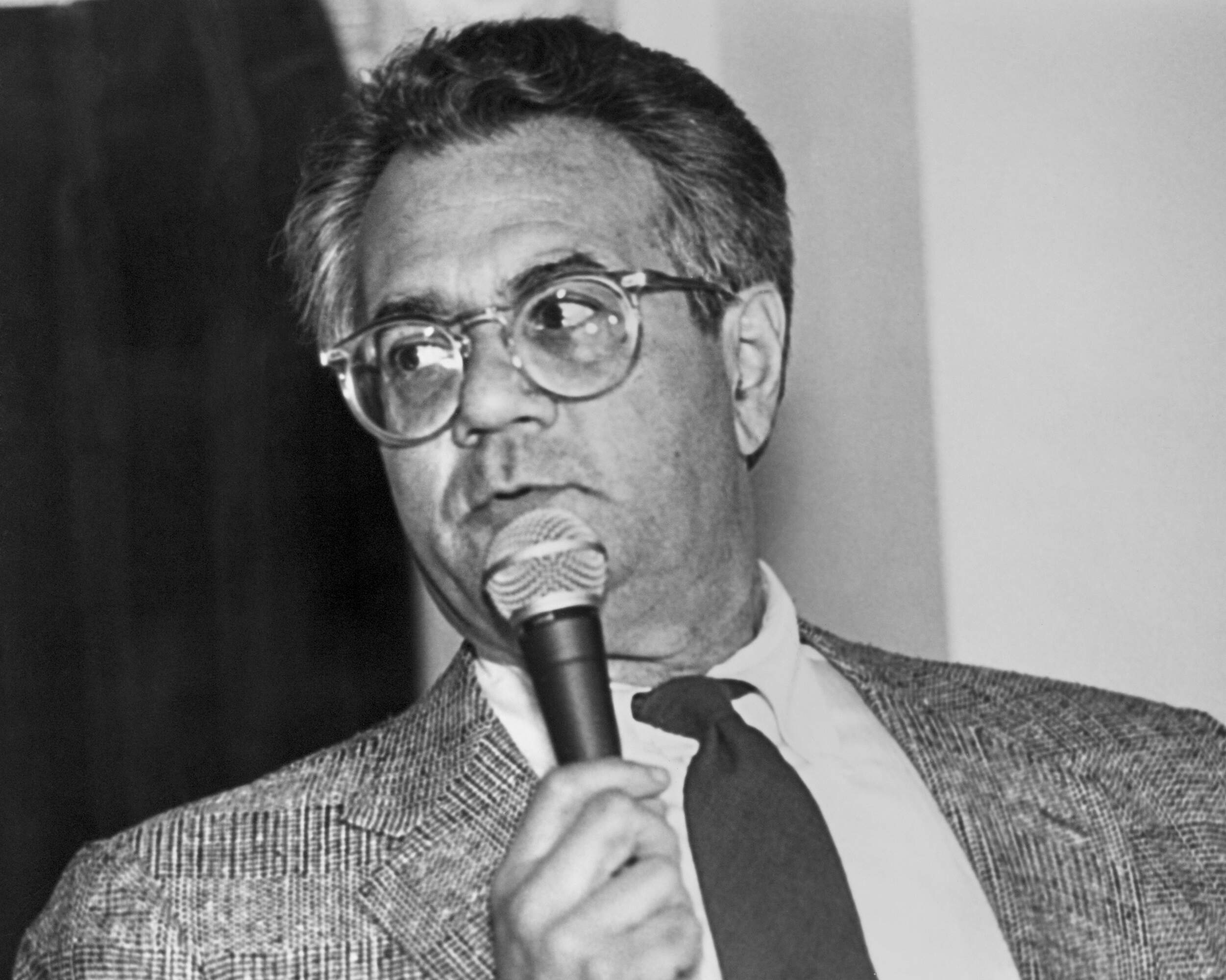
Former Massachusetts Governor Deval Patrick joined WBUR’s All Things Considered host Lisa Mullins to talk about Frank’s legacy.
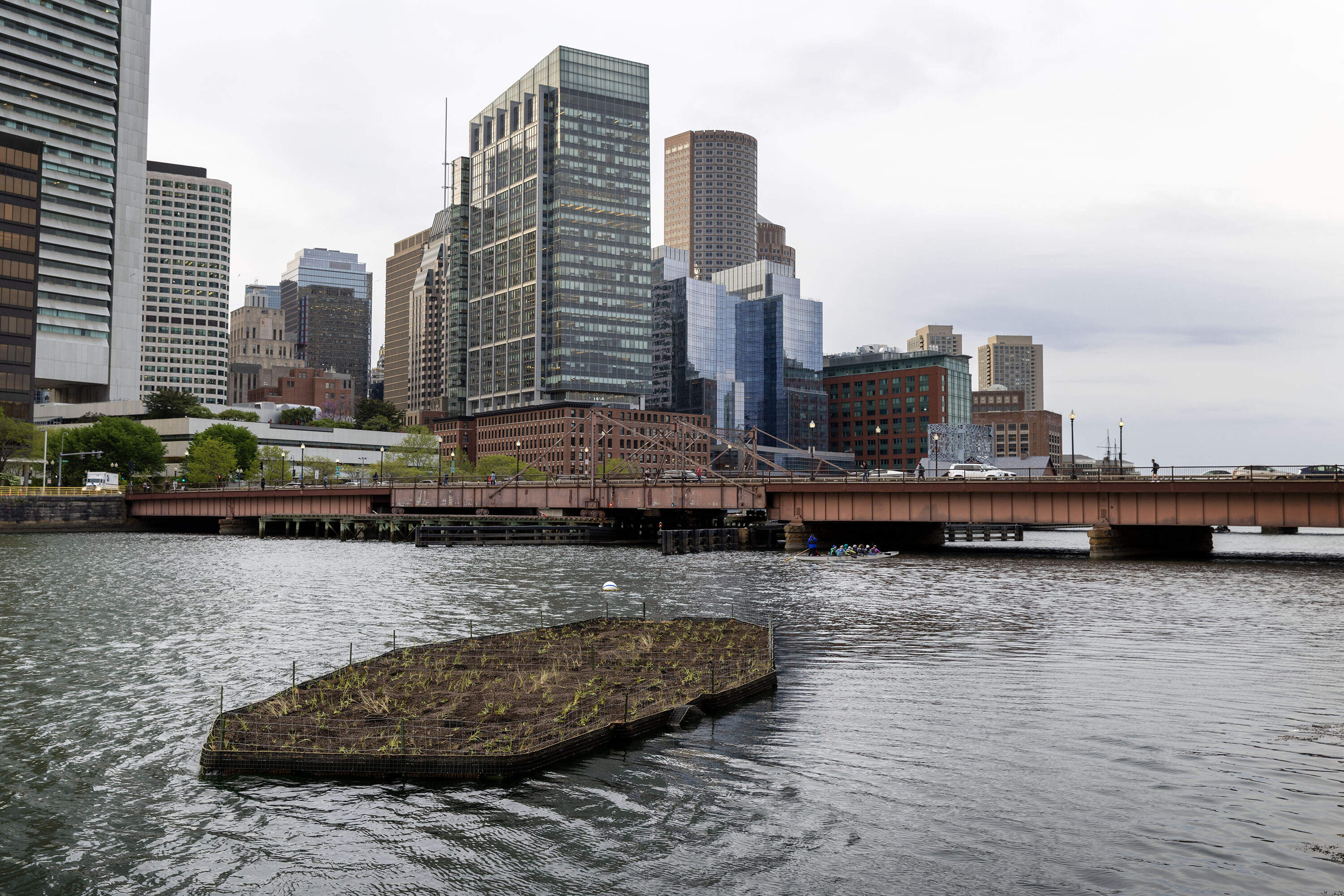
Experts hope a new floating wetland project will bring back natural “edge habitat” that disappeared when developers reshaped Boston’s perimeter with landfill and seawalls. Recreating those destroyed coastal environments can...
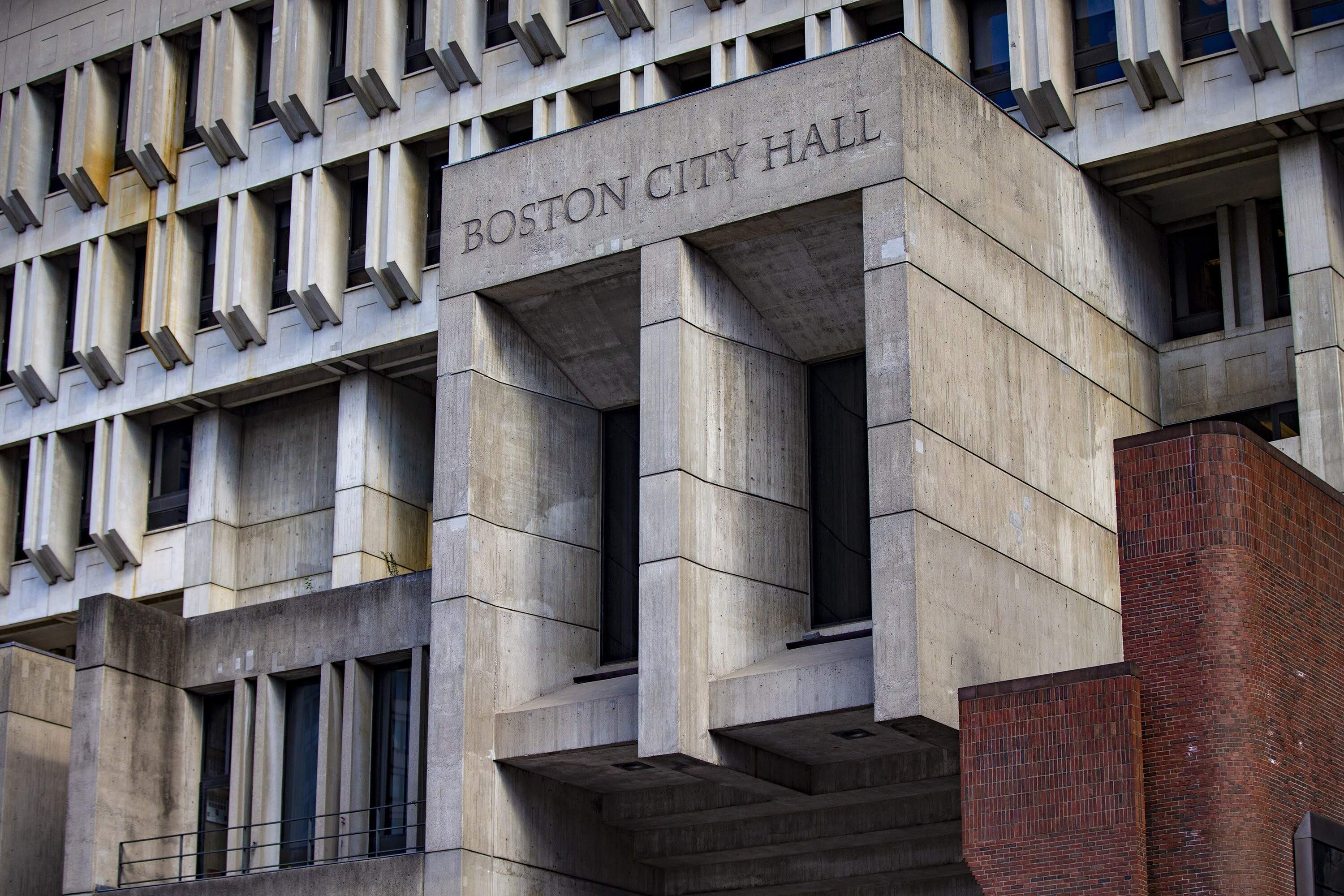
In a battle over Boston's next budget, the city council is trying to flex its power to mitigate cuts made by Mayor Michelle Wu. But councilors are limited in how...
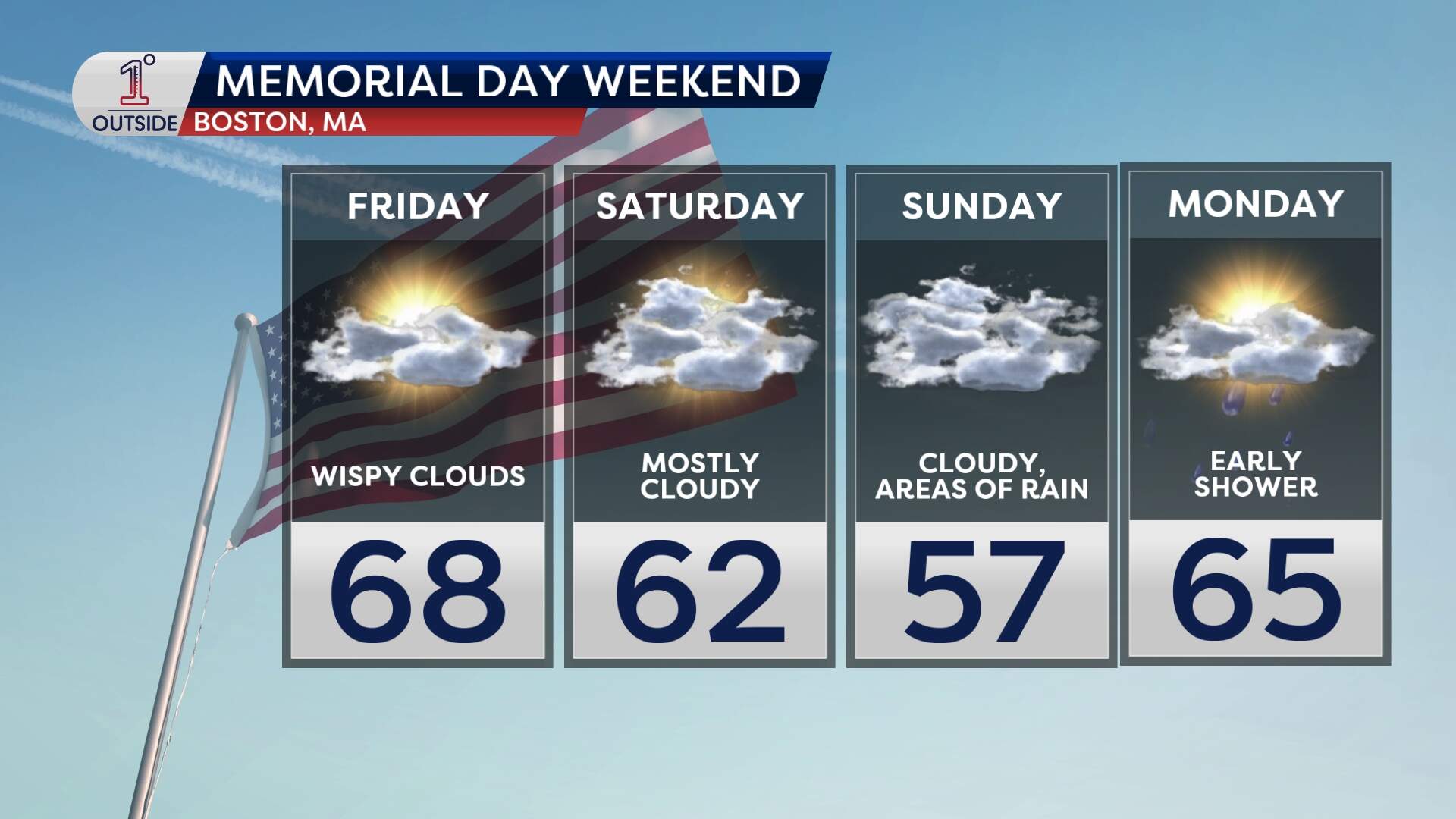
While the weekend won't bring beach weather, there's no need to cancel your plans. While it will be significantly cooler at times, there will be plenty of bright spots.
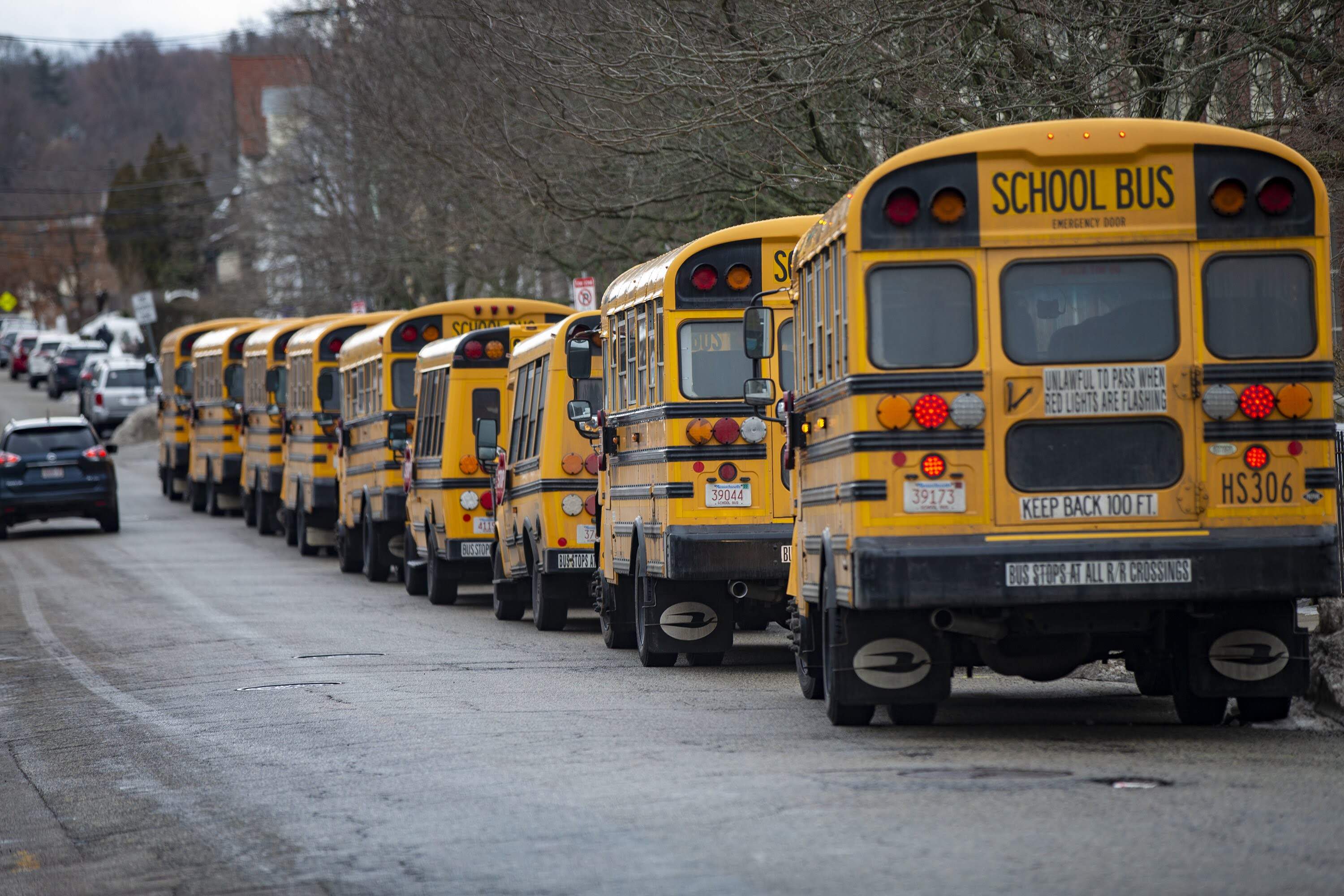
Among the plaintiffs are nine Black and Latino students who argue they attend school in segregated districts across the state, according to the lawsuit filed in Suffolk Superior Court. The...
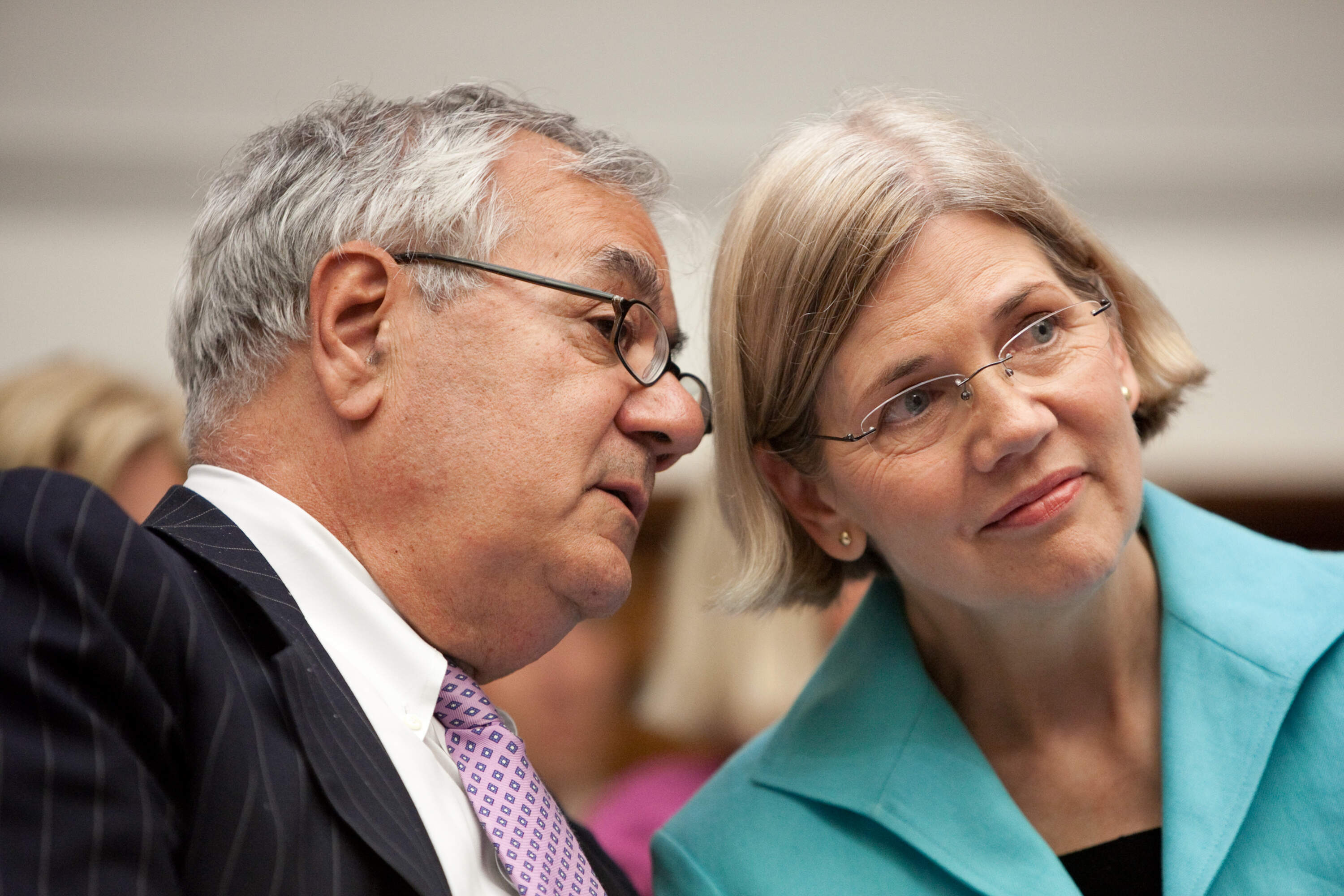
Former Congressman Joe Kennedy III, who succeeded Frank in the 4th Congressional District, called Frank 'fearless' and 'one of the great public servants of our time.'
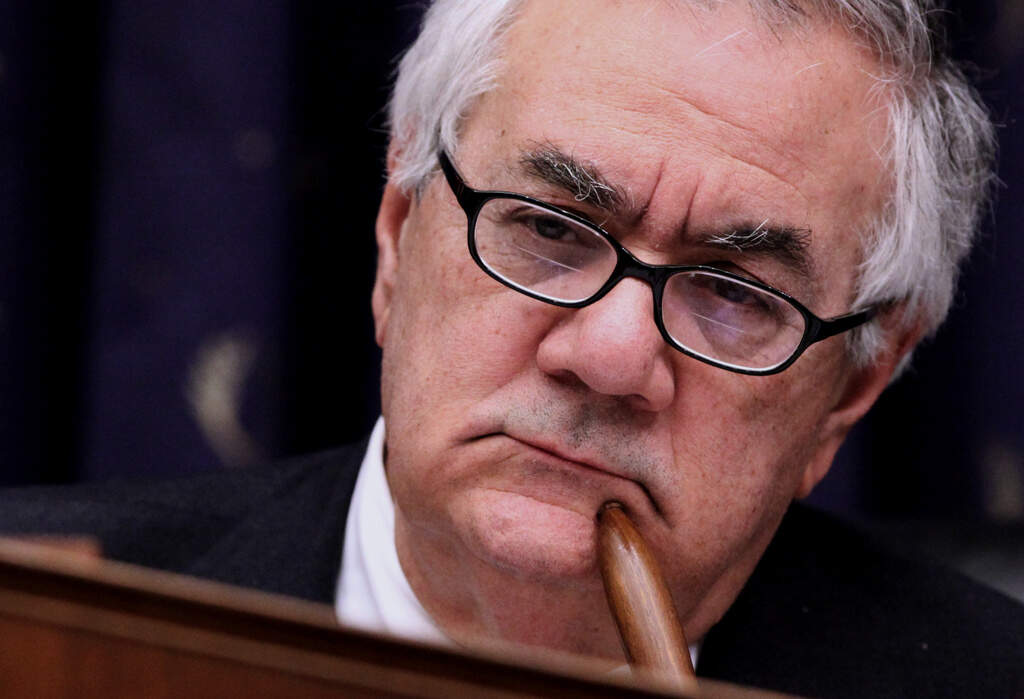
Barney Frank has died. The longtime Democratic congressman from Massachusetts was a leading liberal who brought new visibility to gay rights. He also helped to craft the most significant changes...