Support WBUR
A New Hampshire grocery store helps immigrant families preserve their culinary traditions
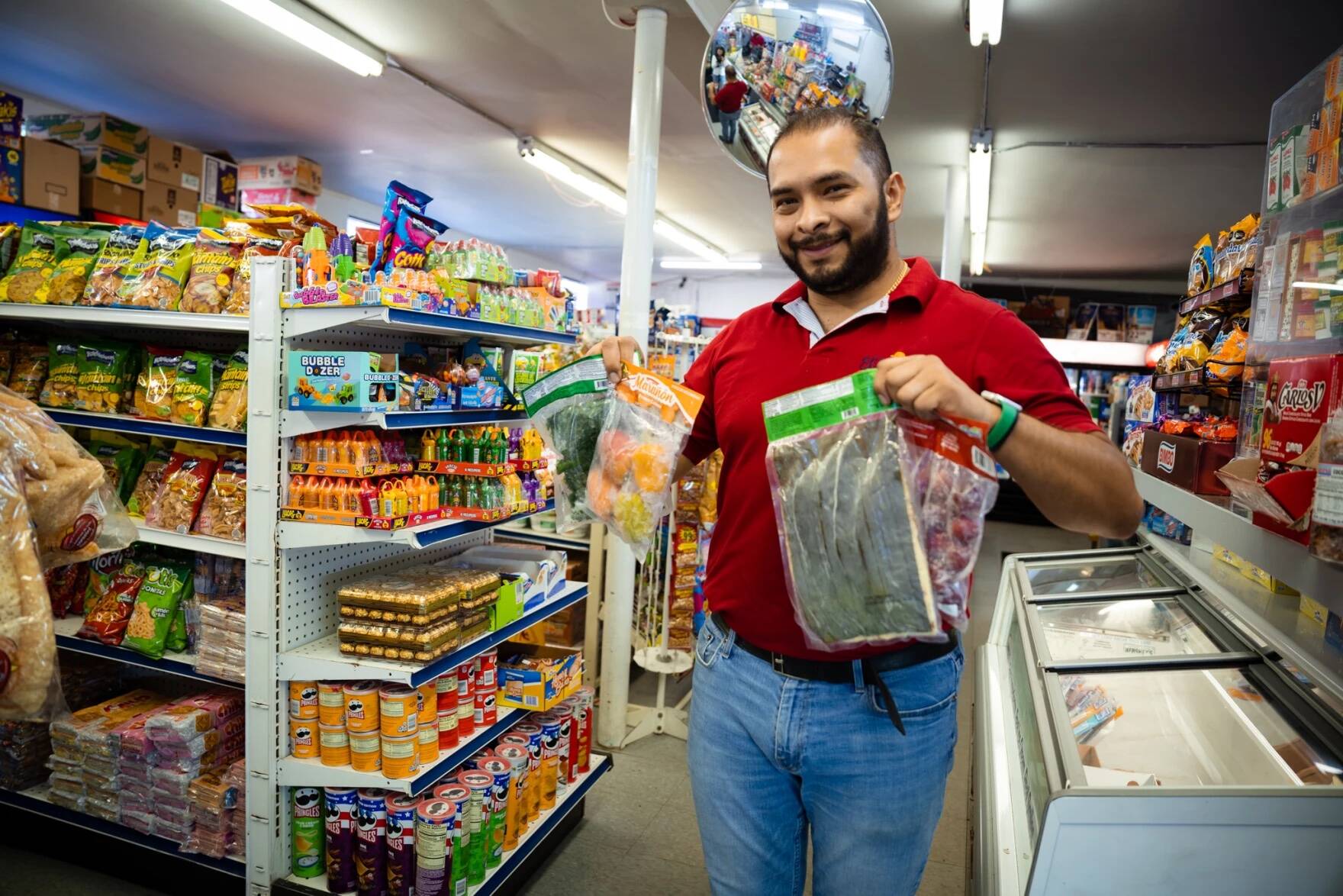
John Cardona owns a grocery store on the East Side of Manchester called El Parcero. It’s Cardona’s nickname, but in Colombia, where he was born, it also means “friend.”
The neighborhood surrounding the store is home to a lot of people dealing with poverty and food insecurity. But despite those challenges, Cardona has found success there. That’s in part because he’s provided a lifeline to the community’s large Latino population: offering hard-to-find ingredients that help them preserve their culinary heritage.
“Because of a coincidence, I found this is my place,” he said. “God put this in my path.”
Five months ago, Cardona said he was walking in the neighborhood and saw a store on sale. A divine force, he said, told him that was the opportunity he had been looking for 12 years.
Today, the shelves inside are stocked with a variety of specialty ethnic products. He offers ingredients like chipilín, flor de loroco, panela and hojas de maxán, which are used in many dishes from Central America, like pupusas, tamales, and desserts.
Cardona also offers all sorts of Latin American snacks that remind people of their childhood.
All of these products are difficult to find in regular grocery stores — and some of them are new to Cardona. Occasionally, he is surprised by the shapes and colors of the products he has never seen and has no clue how to prepare them.
“But the clients guide me,” he said.
Pacaya, for example, is a vegetable that looks like yellow tentacles or chicken feet. He hasn't tasted one, but he says it’s really popular.
Cardona said people feel at home in a store where they can speak in Spanish. One of his employees, Ram Pottini, is a college student from India who says he is learning Spanish to help the Latino community.
“This language is good, like my language,” he said.
Food can help to bring family members of different generations, who immigrated at different times, closer together. It helps immigrant communities slow down the process of acculturation to the U.S., as research has found it is usually one of the last practices families lose after immigration.
But preserving recipes and culinary traditions depends on the availability of ingredients, and El Parcero is trying to fill that void. Cardona buys his products in Massachusetts and re-stocks them every week. Many of his products are frozen, but science says that doesn’t mean they are less nutritious.
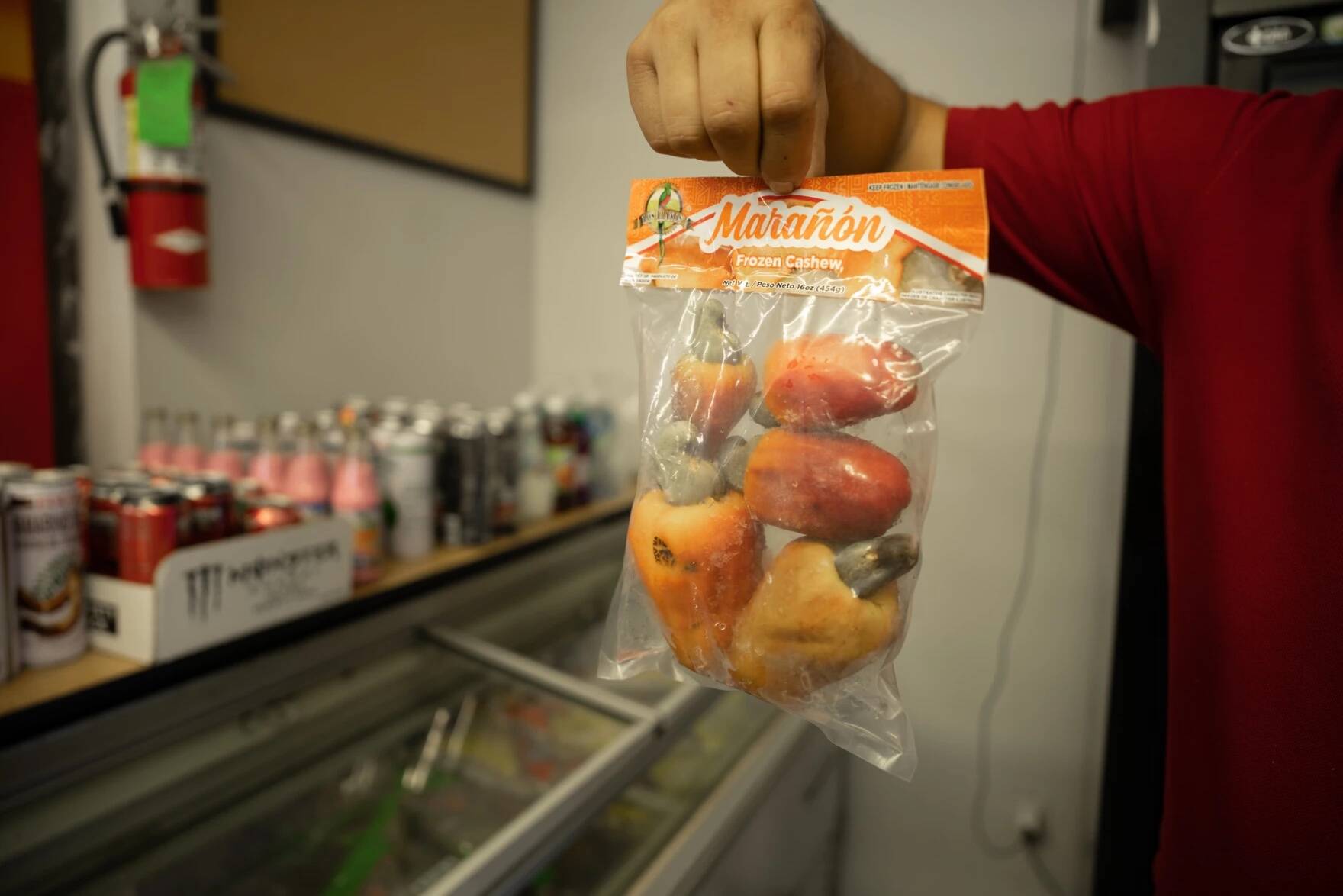
“People get excited when they find their country’s produce,” Cardona said. “And they spread the word [to others].”
Ethnic stores like Cardona’s also help low-income neighborhoods fight food insecurity. Cardona wants to serve other people who live in the neighborhood, including those with ties to Africa and other continents. He said his goal is to bring in products from all over Latin America, and he wants his store to become a place that the whole community can enjoy.
He found one new fan in Loui Serrecchin, who has Italian roots. His family arrived in the U.S before World War II, looking for freedom, and he appreciates that the food in Cardona’s immigrant-owned business has a story behind it. He says he enjoys the snacks and the different varieties of cheeses.
“I’ve been eating mostly Latino. I don’t like things from big chains, big corporations making my stuff,” Serrecchin said. “I'd rather have mom-and-pop stores.”
This story is a production of the New England News Collaborative. It was originally published by New Hampshire Public Radio.