Support WBUR
Senate committee holds Steward Health CEO in contempt
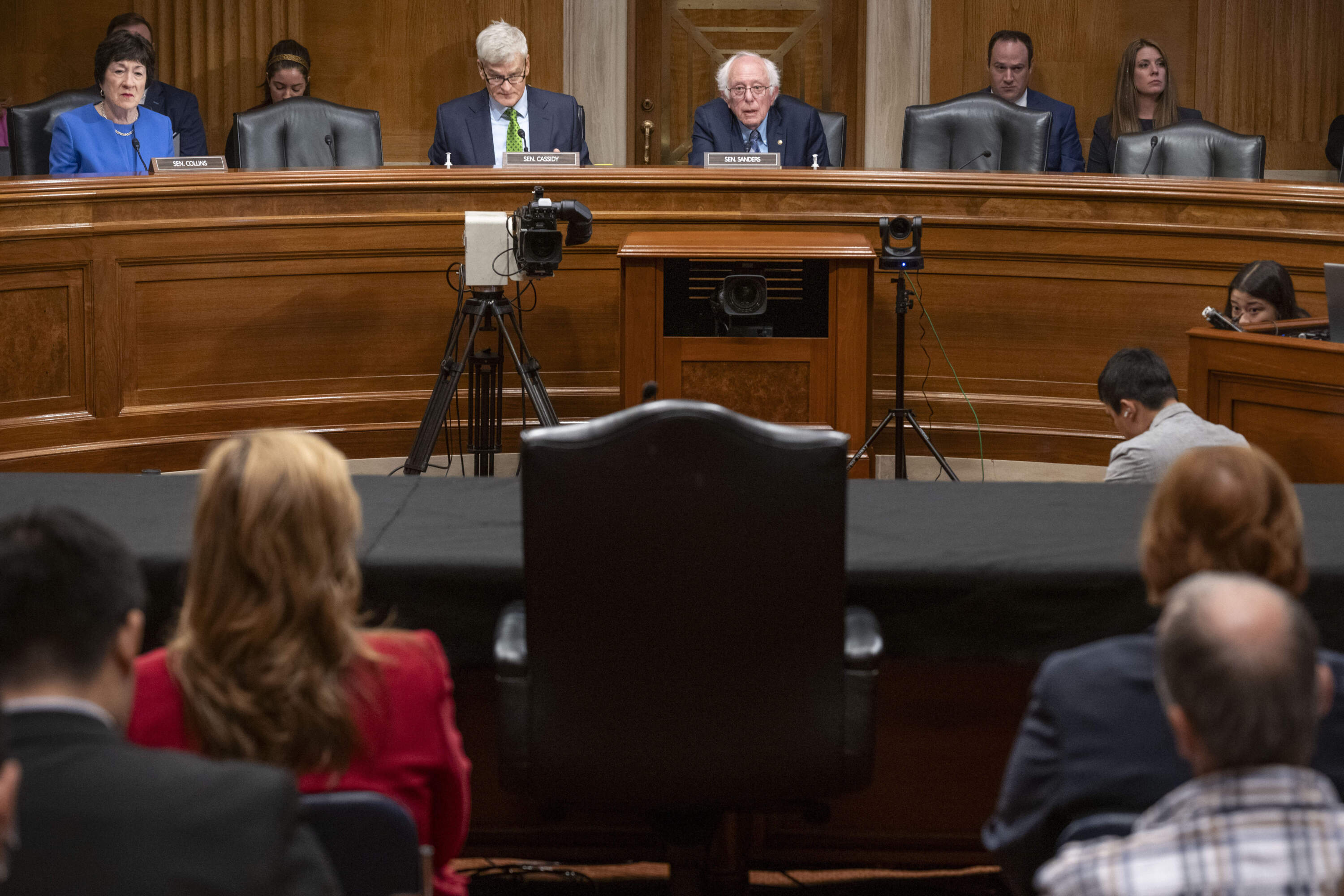
A U.S. Senate committee voted Thursday to hold Steward Health Care CEO Ralph de la Torre in civil and criminal contempt after he refused to testify publicly about his company’s bankruptcy. The two votes were unanimous, 20 to zero, with just one member abstaining.
The resolutions from the Senate Committee on Health, Education, Labor and Pensions now go to the full Senate. If the full Senate agrees, de la Torre could be prosecuted and even face jail time for defying a subpoena to testify.
Sen. Bernie Sanders of Vermont, an Independent who chairs the HELP Committee, said de la Torre gave senators no choice but to take this rare and bipartisan action.
“For months this committee has invited Dr. de la Torre today to testify about the financial mismanagement and what occurred at Steward Health Care. Time after time he has arrogantly refused to appear,” Sanders said.
“Even though he may be able to afford some of the most expensive lawyers in America — no, Dr. de la Torre is not above the law,” Sanders added.
De la Torre began his career as a surgeon and has led Steward since its founding in Massachusetts — with private equity backing — 14 years ago. The company launched with the promise of rescuing struggling hospitals and providing high-quality care at lower costs. Until recently, it operated more than 30 hospitals in eight states across the country.
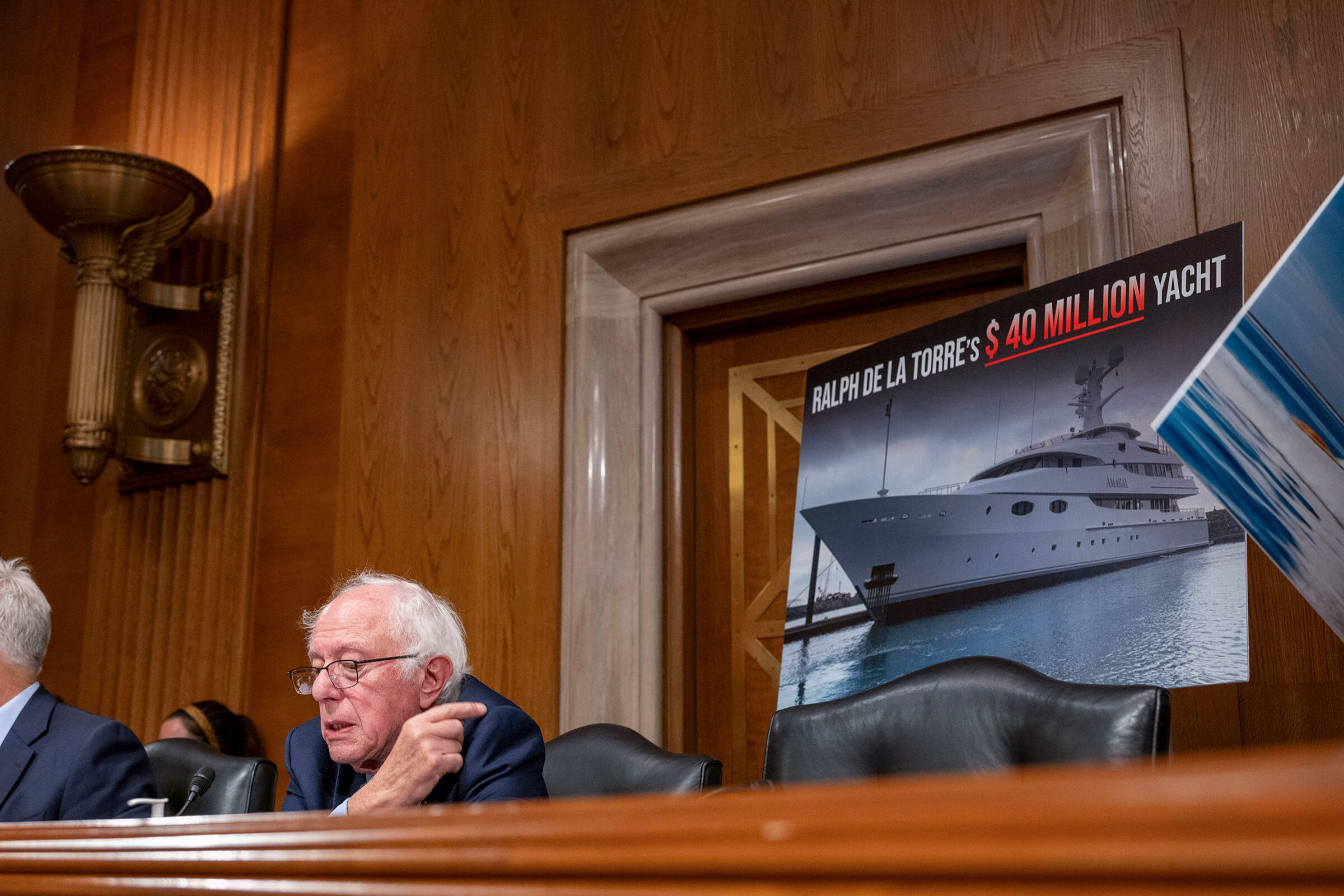
Over the years, de la Torre’s personal wealth grew, even as his hospitals struggled to pay for basic supplies, and sometimes, to keep patients safe.
De la Torre has come under fire from elected officials and Steward workers for enjoying a lavish lifestyle that included a luxury yacht, use of company-owned private jets, and homes around the world while his hospital chain slid into bankruptcy.
In a letter to senators Wednesday, de la Torre's lawyer said the CEO was invoking his rights under the Fifth Amendment of the U.S. Constitution, which allow him to refrain from testifying. The lawyer, Alexander Merton, also criticized senators for trying to convict de la Torre in a court of public opinion.
“The U.S. Constitution affords Dr. de la Torre inalienable rights against being compelled by the government to provide sworn testimony that is specifically (yet baselessly) sought to frame Dr. de la Torre as a criminal scapegoat for the systemic failures in Massachusetts’ health care system,” Merton wrote.
De la Torre has become a target for Democrats and Republicans alike.
“It is not just Congress he is defying, it is the people whom we represent,” said Senator Bill Cassidy, the Republican ranking member of the Senate HELP Committee, whose home state of Louisiana is home to a troubled Steward hospital.
“It's important, not just in this incident, but to send a message to those in the future who might say, ‘Oh, we don't have to listen to Congress. We can stiff ‘em,’ ” Cassidy said. “If we do nothing here, [we] have no way to compel those in the future who on a different occasion should provide answers to the American people.”
The committee’s votes came a week after senators heard emotional testimony from Massachusetts nurses, who described the burdens of working at Steward hospitals where supplies and staff often ran low.
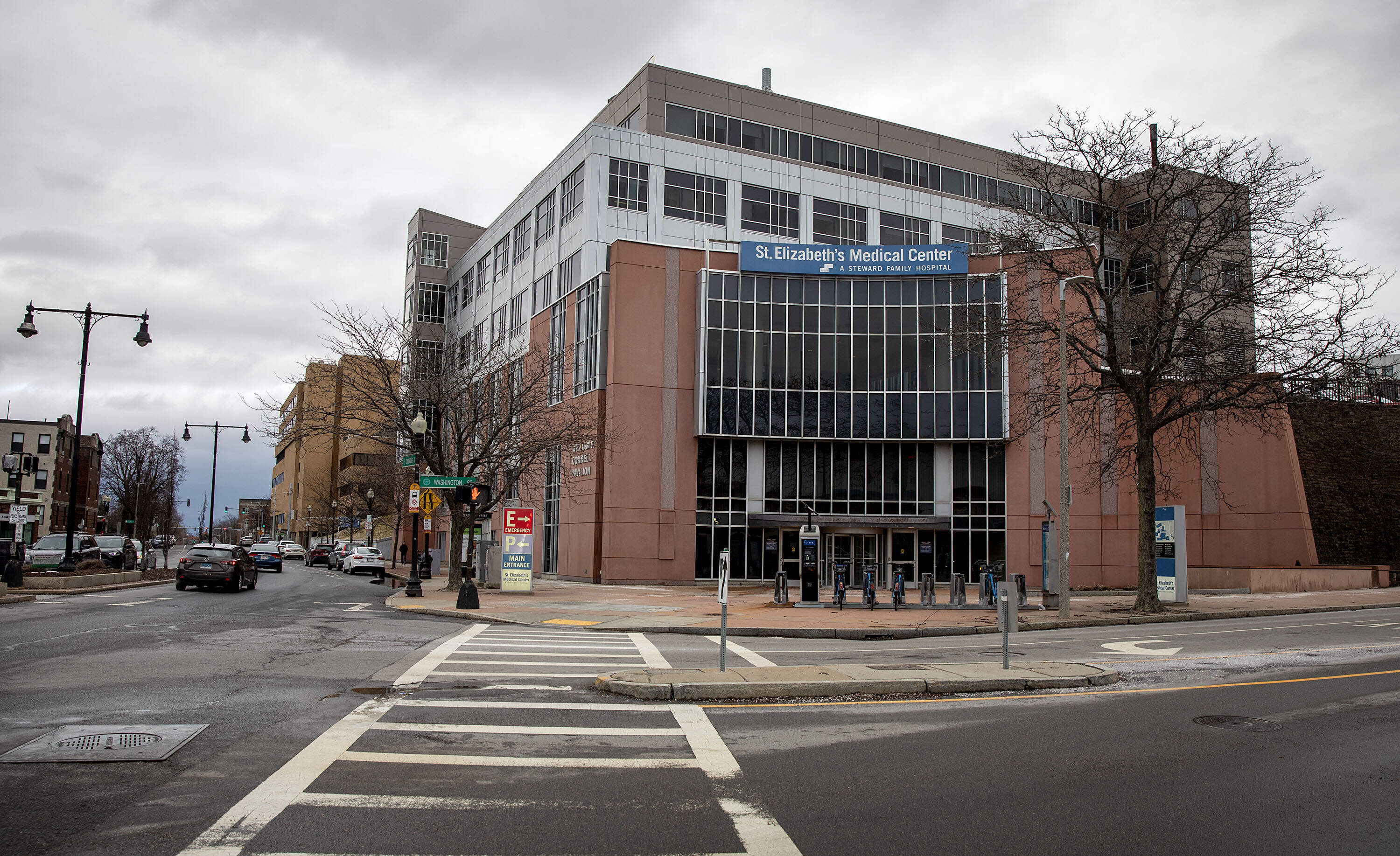
Ellen MacInnis, a nurse at St. Elizabeth’s Medical Center in Boston and a member of the Massachusetts Nurses Association Board, testified that staffing and supply shortages put patients at risk.
“Sometimes it gets so bad, it's like you can't even get to toilet somebody, or you know somebody's hungry and you should have gotten them something to eat, or you know that they're due for pain medication,” MacInnis recently told WBUR. “To not be able to do that, it just brings you to your knees.”
Steward’s dramatic failure has rattled communities across the country that rely on the company’s hospitals for medical care and jobs. And it has stirred anxieties about the broader role of private investment in hospital care.
Vikas Saini, president of the Needham-based Lown Institute, a think tank that studies money in health care, said the Steward story represents a trend in health care and American capitalism.
“In some ways [it] is straight out of the private equity playbook, which is that you load up companies with debt, and then use that borrowed money to pocket for yourself massive profits — because, hey, why not?” Saini said.
Dr. Zirui Song, an associate professor at Harvard Medical School, said private equity investments in health care have been growing for years, following deregulation of the industry. About 8% of U.S. hospitals are now owned by private equity firms.
Song and his colleagues found that when these firms acquire hospitals, patients are 25% more likely to suffer infections, falls and other problems. He said lawmakers should establish some guardrails around private investment in health care, because it’s different from other industries.
“We deal with people's livelihoods and their health and hopes and dreams and fears and uncertainties,” said Song, who also works as a primary care physician at Massachusetts General Hospital. “These are not goods that roll off of a conveyor belt.”
U.S. Sen. Ed Markey, a Massachusetts Democrat, has been promoting federal legislation that would increase transparency of private equity spending and close certain tax loopholes.
Meanwhile, the fallout of Steward’s bankruptcy continues. The company is selling or transferring most of its hospitals to new owners. State officials in Massachusetts are reviewing the plans to sell St. Elizabeth’s Medical Center, Good Samaritan Medical Center, Morton Hospital, St. Anne’s Hospital and Holy Family Hospital. The sales are scheduled to be completed by the end of the month.
Steward also closed two hospitals this month – Carney and Nashoba Valley – despite emotional pleas to keep them open.