Support WBUR
How Mass. transportation projects may fare under Trump
The state of Massachusetts is counting on more than a billion dollars in federal funding for critical transportation projects in the coming years. But that money could be in question under the second Trump administration.
Through competitive grants offered under President Biden’s Bipartisan Infrastructure Law, the state has been awarded $1.18 billion for such projects as replacing the aging Cape Cod bridges, renovating the MBTA’s North Station drawbridge and overhauling the Mass Pike in Allston.
Former Massachusetts Secretary of Transportation Jim Aloisi told WBUR that funding could be in “jeopardy.”
“It's not like they cut a check and hand it to the state, they don't do that,” Aloisi said of grant funding from the federal government. “The state spends money, puts in a request for reimbursement, and the feds reimburse out of the grant.”
Funding comes over the life of projects, he explained. The disbursement process, coupled with the time it takes to get major infrastructure projects done, leaves grants vulnerable to changes, especially when a new administration enters the White House, Aloisi said. It's possible that “either we will lose that funding or it won't be to the extent that we were hoping to receive.”
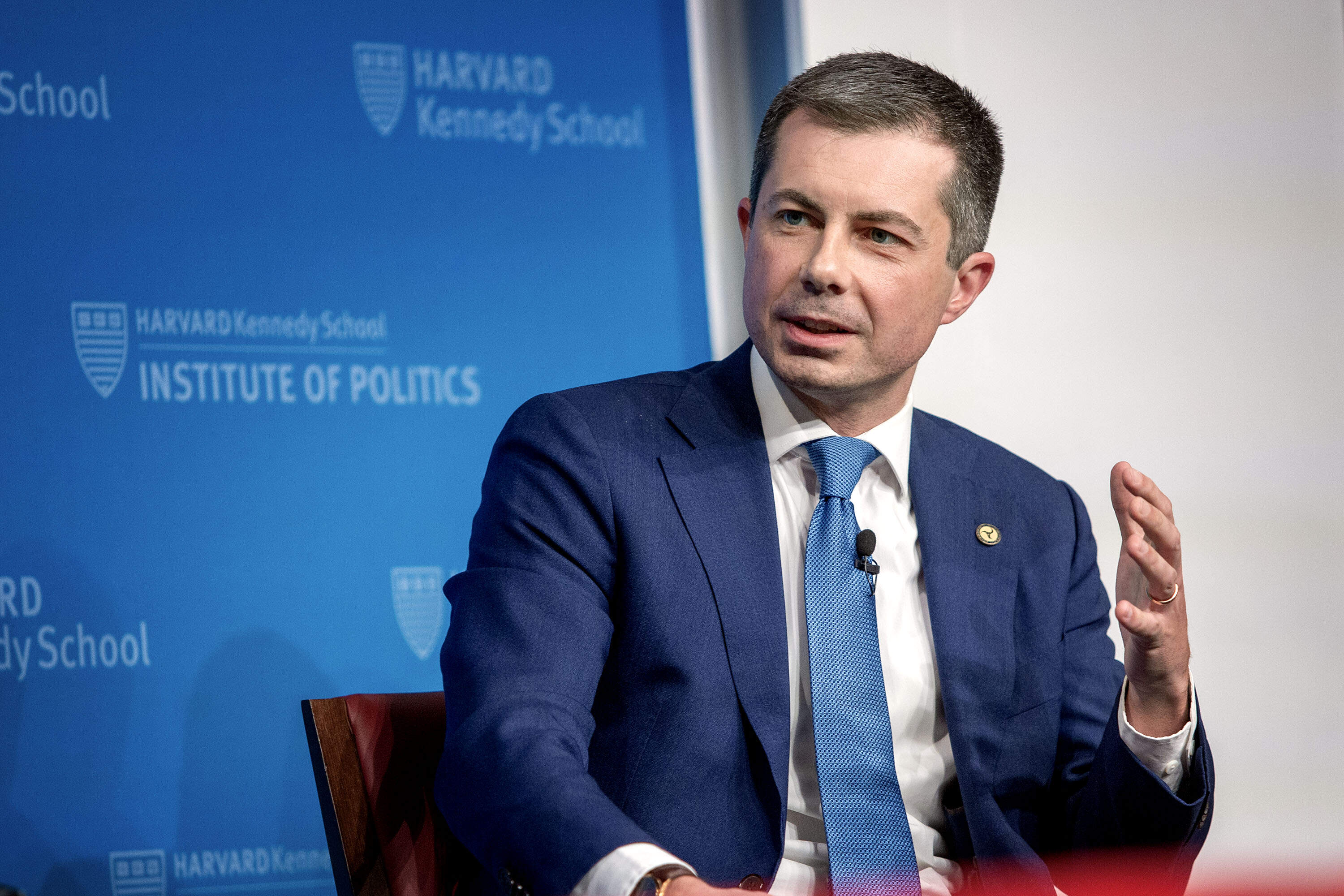
U.S. Transportation Secretary Pete Buttigieg hinted this week at the need for speed in securing funds awarded under the Biden administration. Speaking at the Harvard Kennedy School on Tuesday evening, Buttigieg mentioned the Allston Mass Pike initiative.
“Now, we have parts of that grant agreement already done, but if we could work at warp speed — at warp speed — then that'll happen in a few years, right?”
The Allston project would reconfigure a portion of the Mass Pike that runs through the area, allowing for the creation of a commuter rail and bus station. It also would improve bike and pedestrian access to the Charles River.
Reggie Ramos, executive director of the Transportation for Massachusetts transit coalition, said she’d like to see transportation funding in the state become “election-cycle resilient.” One way to do that, she said, would be to establish revenue sources for transportation through legislation.
Aloisi recommends the state “think about how to wean itself off, frankly, some federal funding in order to be more independent and more in charge of our own future,” when it comes to infrastructure and transportation needs.
If the Trump administration decides to roll back any of the grant funding, there are some things Massachusetts can do to push back. Aloisi said support from the state’s business leaders and congressional delegation will be essential to defending the funds.
Additionally, “we have to do our best to build coalitions with other states. We're not the only state in this position and hopefully there's some power in numbers," he said.
As Trump rolls out appointments to his cabinet, transit officials and stakeholders are watching for who the next secretary of transportation will be, and how current grants will be impacted.
“What we do know," Aolisi said, "is that nothing's set in stone and guaranteed, that's for sure.”