Support WBUR
More heat pumps and help for renters: What's in the new Mass Save plan
In a new plan, leaders of Mass Save pledged big changes to the statewide program that provides rebates to residents to make their homes and businesses more energy efficient.
The program, they said, will shift its mission and now hold the dual goal of helping households conserve energy and slash planet-warming emissions.
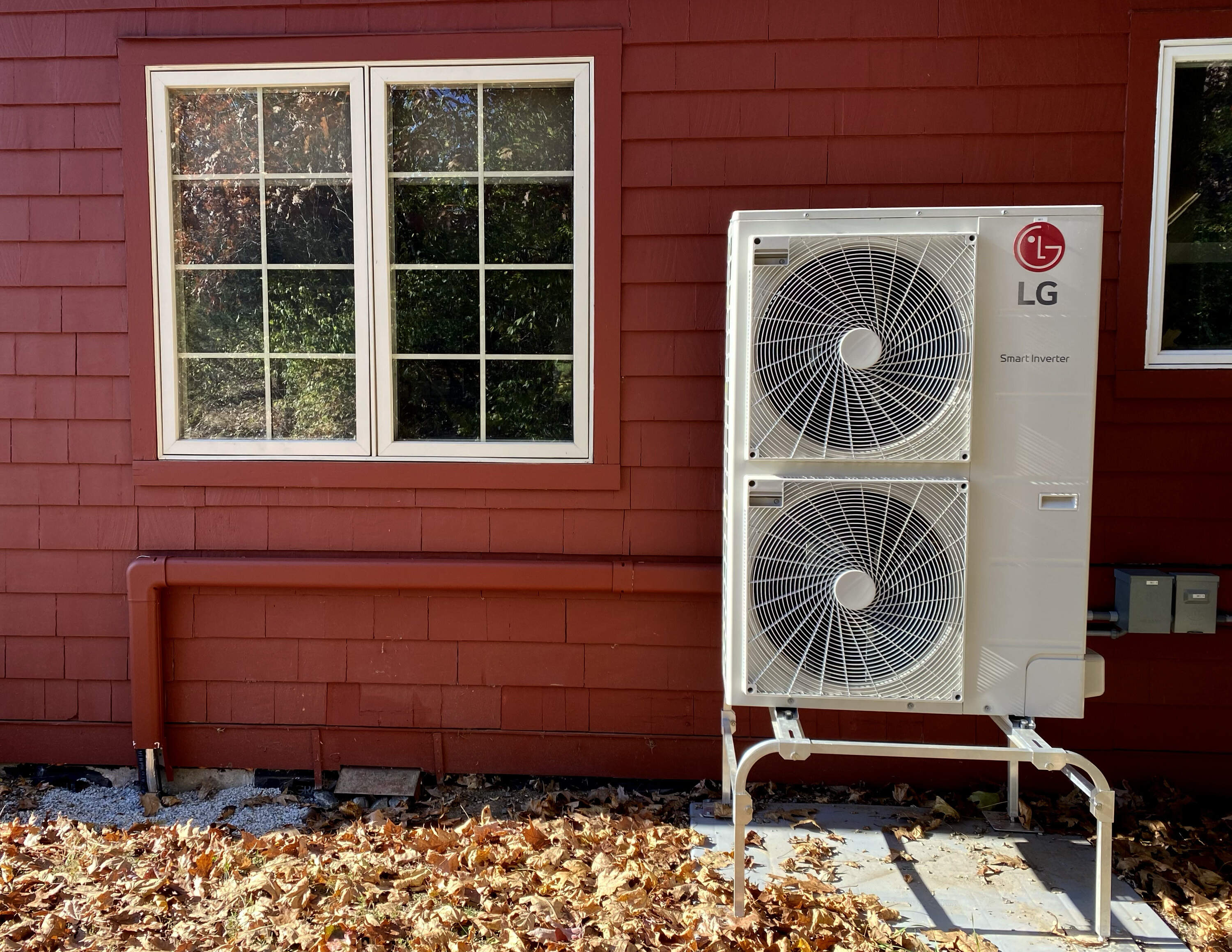
Mass Save also will stop offering rebates for furnaces, boilers and other appliances that use fossil fuels like natural gas or oil, even if they’re highly efficient, the plan outlined. Instead, Mass Save administrators said they'll focus on heat pumps, which use electricity to provide heating and cooling.
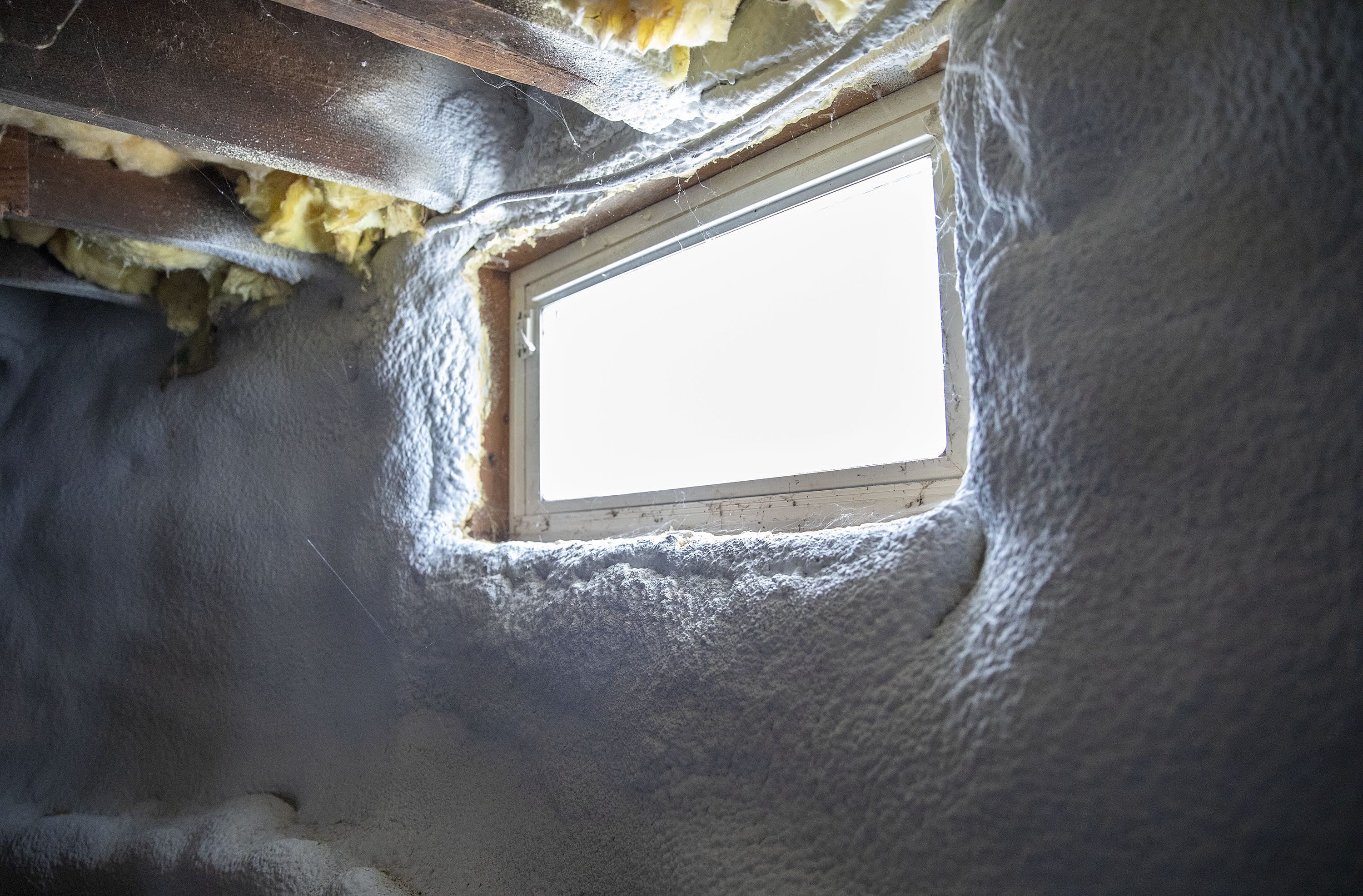
They also promised greater outreach and an expansion of the pool of households — including many renters — eligible for free appliances and weatherization services, like insulation and new windows.
“This is our clean energy transition in action,” said the state’s Energy and Environmental Affairs Secretary Rebecca Tepper.
The state Department of Public Utilities is reviewing the proposals, released as part of Mass Save's plan through 2027. The department is expected to issue a decision by the end of February. If approved, many of the changes take effect immediately.
The proposed plan is estimated to cost about $5 billion, a 22% increase from its previous three-year plan. Mass Save is funded through fees on customers' utility bills; it's run by a partnership of gas and electric utilities, as well as the Cape Light Compact, a municipal energy program.
Kyle Murray, Massachusetts program director at the Acadia Center, a climate advocacy and research group, called the plan “innovative.”
“The plan includes record-breaking numbers all around that will keep Massachusetts a leader in progress on climate,” he wrote in an email.
Murray added it would help many residents — including renters and those with lower incomes — save money and reduce their homes’ climate footprints.
Lofty goals
Mass Save leaders said the program aims to weatherize about 184,000 homes and apartments by the end of 2027. They also hope to convince 120,000 households to install electric heat pumps for heating and cooling — a potentially huge spike in participants. Between 2020 and the first half of 2023, the program helped just 30,000 households make the switch.
“The goals are very aggressive [in order] to do more in the next three years than we’ve done in the past seven or so,” said Elizabeth Mahony, commissioner of the Massachusetts Department of Energy Resources, which oversees Mass Save.
Cutting carbon emissions
Historically, Mass Save almost entirely focused on energy efficiency, prioritizing efforts like weatherization and urging residents to purchase certain appliances. But a few years ago, lawmakers decided the program should do more to tackle carbon emissions, a key focus in the state's effort to address climate change.
To meet this new directive, Mass Save will go all-in on electric appliances. The program will only offer rebates for electric heat pumps and appliances, like induction stoves and internet-connected thermostats.
Mass Save heat pump rebates depend on the type and size of the system. The rebates proposed for 2025 are the same as those currently offered, but they will decrease slightly in 2026 and 2027. Utility officials said they lowered rebates because they expect installation and appliance costs to go down.
“We are trying to be protective and careful about how we’re using ratepayer funds for program incentives,” said Kate Peters, director of residential energy efficiency at Eversource, one of the utilities that runs Mass Save.
The plan also called for an increase in virtual assessments. The remote walk-throughs allow homeowners and renters to get energy efficiency advice from an approved contractor, including how to switch from gas or oil to electric.
Mahony, with the Department of Energy Resources, said Mass Save rolled out the assessments in early 2023 and found customers who signed up took more steps to cut carbon emissions, “rather than just getting an audit and getting their free light bulbs.”
Customer Service
Even the most energy-savvy residents can find Mass Save challenging to navigate. There are many contractors and technologies to deal with, and the best options are not always easy to identify.
According to its plan, Mass Save will create a statewide customer service center, so residents can call, email or chat online with a person who can walk them through the program and its offerings. A version already exists for low-income customers, which Mahony said has been successful.
She said service center staff will also be trained to assist residents with related home improvements, such as upgrading electrical panels, financing solar panels or installing ductwork for centralized heating systems.
As as part of the update, the utilities pledged to process rebates faster — an issue that's frustrated some Mass Save customers in the past. They also said they'll allow pre-approvals for heat pump rebates, which should speed reimbursements and remove uncertainty about eligibility.
Equity
Administrators said the new plan was designed to improve equity for Mass Save consumers and stakeholders in several ways. They called for at least 40% of the program’s total funding go toward making weatherization and climate-friendly appliances more accessible and affordable.
It included a new initiative to focus on reducing carbon emissions from schools in state-designated environmental justice communities. And it set aside millions of dollars for training a more diverse workforce of electricians, HVAC technicians, solar installers and other clean energy workers.
But some of the biggest impacts for customers may come from the proposed expansion of free services for moderate income households — those making 60-80% of the statewide median income, or approximately $95,000-126,000 for a family of four.
Right now, low-income customers can get many Mass Save services for free — including weatherization and heat pumps. (Really! For free!) If the Department of Public Utilities approves the new plan, many moderate-income residents will qualify for these free services, too.
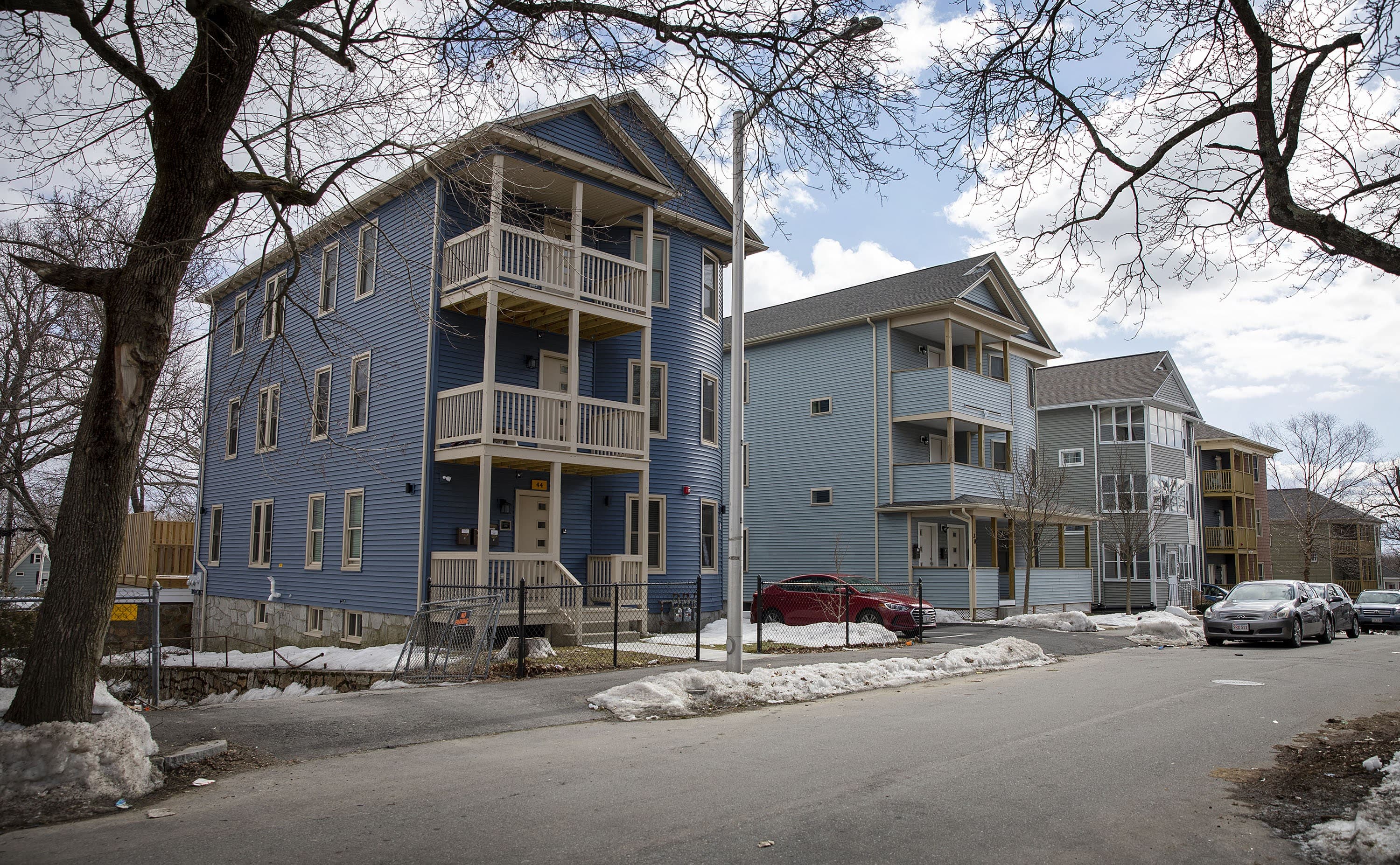
The 2025-2027 Mass Save Plan would also establish “designated equity communities” where all renters, regardless of income, can receive free weatherization and electrification services. Communities on this list include Boston, Brockton, Chelsea, Everett, Fall River, Framingham, Fitchburg, Lawrence, Lowell, Lynn, Malden, New Bedford, Oak Bluffs, Pittsfield, Quincy, Revere, Salem, Springfield, Tisbury, Woburn and Worcester.
Mahony said this part of the plan was designed to encourage landlords to take advantage of Mass Save’s offerings. Because tenants usually pay their own utility bills, many landlords don’t have strong incentives to install better windows, seal up cracks or install heat pumps.
The message to landlords is, “You’re not going to have to pay out of pocket, and we’re going to improve your property,” Mahony said. “We’re hoping that’s enough of a carrot for many more landlords to participate in this program.”
What will this mean for my utility bill?
To fund the $5 billion Mass Save program, utilities proposed a range of fees on customer electric and gas bills. The estimates, which vary by year and utility, are all over the place. Some households could see the fees drop a few cents; in other cases, they could rise by as much as $38 a month and then drop off. The utilities stressed that these figures are not final and are subject to review by the Department of Public Utilities.
Customers who weatherize their homes and apartments should see immediate savings on their heating and cooling bills. The effect for those who install electric heat pumps tends to be more variable. In general, households switching from propane, oil or electric baseboard heating should see savings. Those switching from natural gas may see their bills go up a little, especially in the short-term. Long-term effects depend largely on gas prices and global gas markets.
“I do think that a lot of our gas customers are thinking about the climate in long-term when they're making decisions about what they want to install in their home,” Peters of Eversource said. “So maybe they see a bit of a cost increase, but that’s worth it to them for the other benefits of a heat pump, like cleaner air.”
Will this be enough to meet the state’s climate goals?
In short, no. But, state officials say it will make a meaningful dent.
Buildings in Massachusetts emit an estimated 22.6 million metric tons of climate pollution every year, accounting for about 35% of total state emissions. To stay on track with its mid-century climate goals, Massachusetts needs to cut at least 5 million metric tons of this pollution by 2030.
Between 2025 and the end of 2027, the Mass Save program is expected to cut about 1 million metric tons of climate pollution.
While the Healey administration is not expecting Mass Save alone to shoulder the 2030 goal, it did ask the utilities to estimate what it would cost to cut 2.2 million metric tons, or half the total state goal, by 2027.
The answer: at least $16.3 billion.
Murray of the Acadia Center said that’s too much to put on the backs of ratepayers.
“We have likely hit close to the maximum output of the current funding model,” he said in an email. “It is of the utmost importance that the Commonwealth make finding outside funding for the programs a top priority."