Support WBUR
Nordic skiing faces uncertain future in southern and central Maine
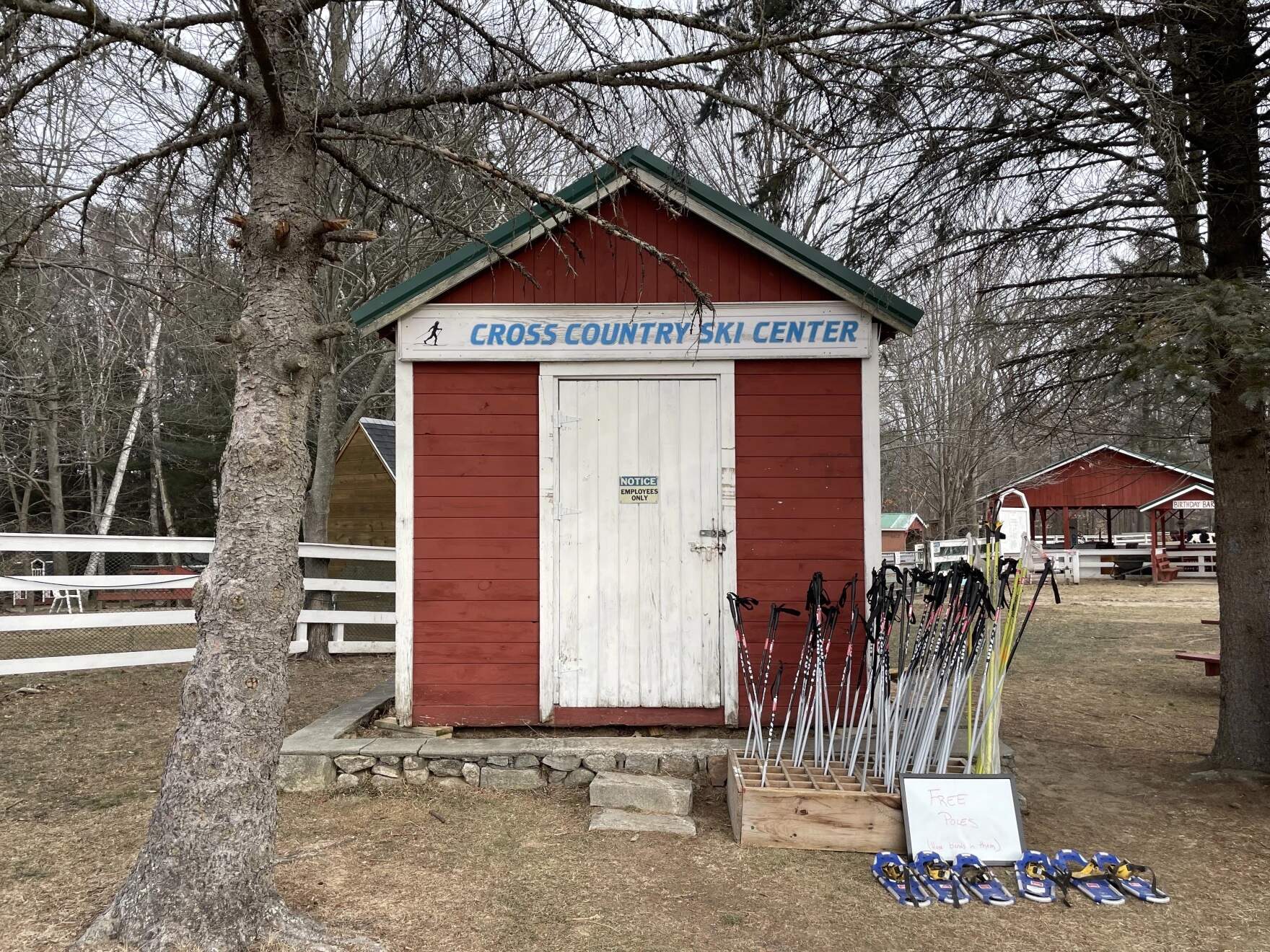
After 30 years offering cross-country skiing on its network of trails, Smiling Hill Farm made the tough decision this winter to permanently end the skiing program.
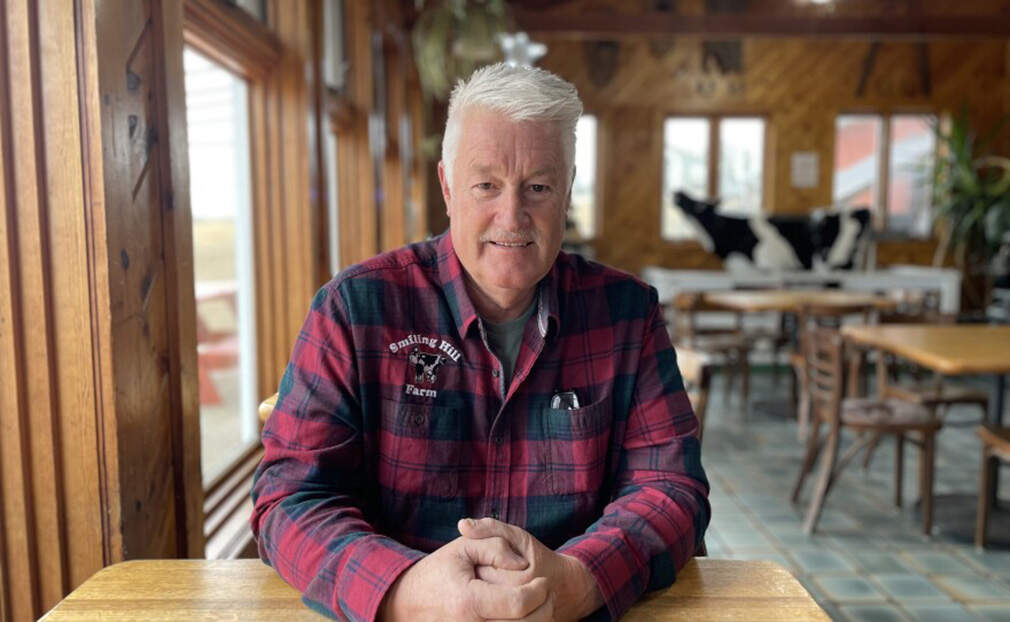
The farm has been in Michael Knight's family for over 300 years. He used to groom the trails with his father.
"We'd get up at 10 o'clock, 11 o'clock at night and groom all night long," Knight recalls. And it was good to be out in nature and in the evening. I always looked across the snow on a cold night, and it just sparkles when the light hits it. I always called it diamonds in the snow."
But despite his love for the sport, Knight says it's just not viable anymore. Last winter, the farm saw just one good day of skiing. Between grooming, hiring employees, and maintaining rental equipment, Cross-country skiing hasn't brought in a profit for the farm in over five years.
"Hey, we're in the middle of January, and you need a good five or six weeks of revenue coming into this place in order to make that pay for itself. And I'm smart enough to realize it ain't working."
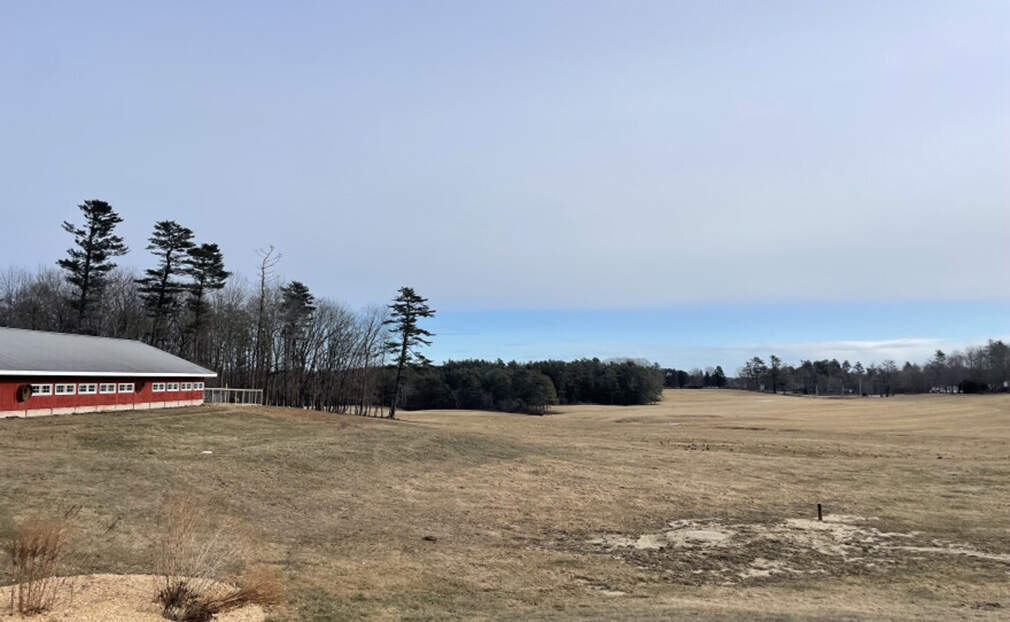
Ski trails all across Southern Maine have been bare this winter due to lack of snow. Even this past weekend's snowstorm wasn't enough to open cross-country ski trails at Pineland Farms in New Glouster, which needs a good six inches of snow to start grooming.
Yarmouth High School's ski team would normally train at Pineland Farms, just 15 minutes away. Over winter break, they traveled up to Millinocket to practice on snow. It was that, team captains Graham Baybutte and Zander Gordan tell me, or have a repeat of last year.
"We haven't gotten on snow at all. That's our only chance to get on snow and actually ski," Baybutte says.
"There's nothing worse than showing up to the first race, never having skied before," Gordon adds. "That's really rough, especially if you're new to the team."
Maine’s winters have warmed 5 degrees Fahrenheit and shortened by three weeks in the past century due to human-caused climate change. The last two winters in Maine were the warmest on record.
Darmouth researcher Alex Gottlieb says future winters in Southern Maine will be characterized by not only less snow, but more 'melt events' - and, the warmer it gets, the faster this process accelerates.
"You might expect, if you warm a degree, that your snow season will shorten by, say, a week, but that next degree might not shorten it by another week, but by, say, 10, 11, 12 days," Gottlieb explains. "So each additional bit of warming is going to take a larger and larger chunk of either the length of your snow season or the amount of snow that you're accumulating."
Gottlieb says Southern Maine can expect to lose 10-12 days of snow cover per degree Celsius of warming.
Snowpack is vital to cross-country skiing, which needs at least half a foot of snow to create a decently groomed trail.
Bowdoin college Nordic coach Nathan Alsobrook has been coaching since 1999. He says he used to be able to count on a good snow season from Thanksgiving through March. Lately, he has his students trying something different to break up the monotony of months of dryland training: skiing on grass, or sand.
"You just end up taking a really old junky pair of skis, maybe something you outgrew from back when you were 14 or 15 years old and kind of all beat up and scratched up. And take those out and find a find a beach or a dune, that has the sand is not too coarse, and the ski will actually slide on it," Alsobrook says. "Or, if you can find a nice grassy slope, a hill somewhere,"
But one cross-country ski course in Waterville has found a way forward.
Quarry Road is the only Nordic ski area in central and southern Maine that has invested in making artificial snow. On a recent Tuesday evening after school, it was packed with close to 200 people, all on skis: from tiny children to high school and college athletes to amateur adults.
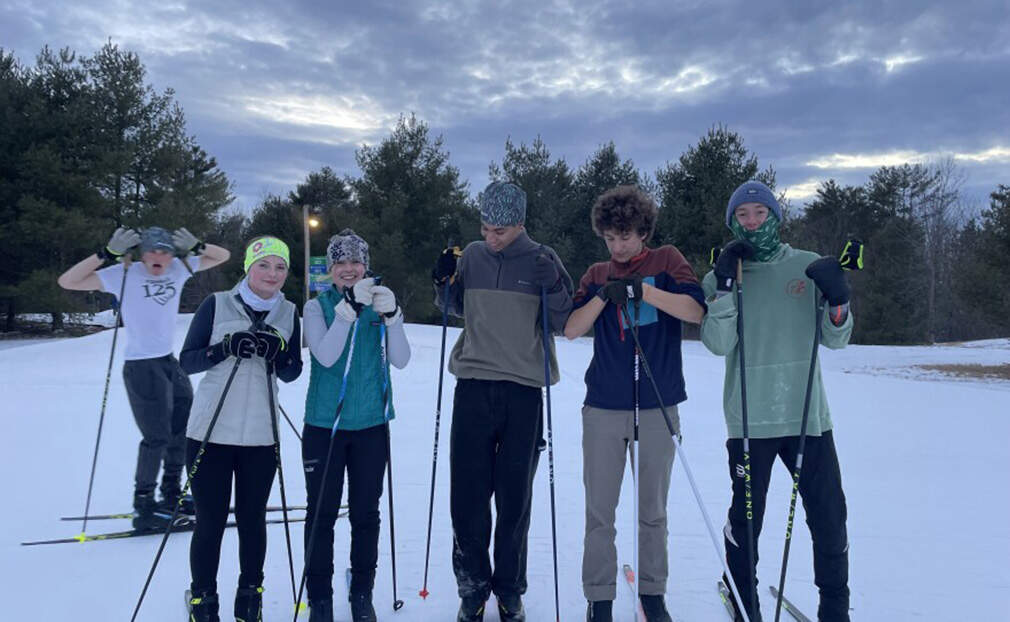
Skiers from Waynflete High have driven up to practice on snow before a big race. Student athletes Athena Esbjörn-Hargens, Audrey Winch, and Amos Noto say they come up maybe once a week.
"It's an hour and a half drive, and hour practice, and an hour and half back. But it's the only place with snow, really..." Winch and Esbjorn-Hargens tell me.
"We're always shocked, at how much snow they have, at how groomed it is, it's really amazing," Noto adds.
Jeff Tucker, director of skiing at Quarry Road and coach of the Waterville ski team, thinks this is the future of the sport. Having a layer of manmade snow guarantees trails will be open, and establishes a critical base layer that makes natural snow stick better and last longer.
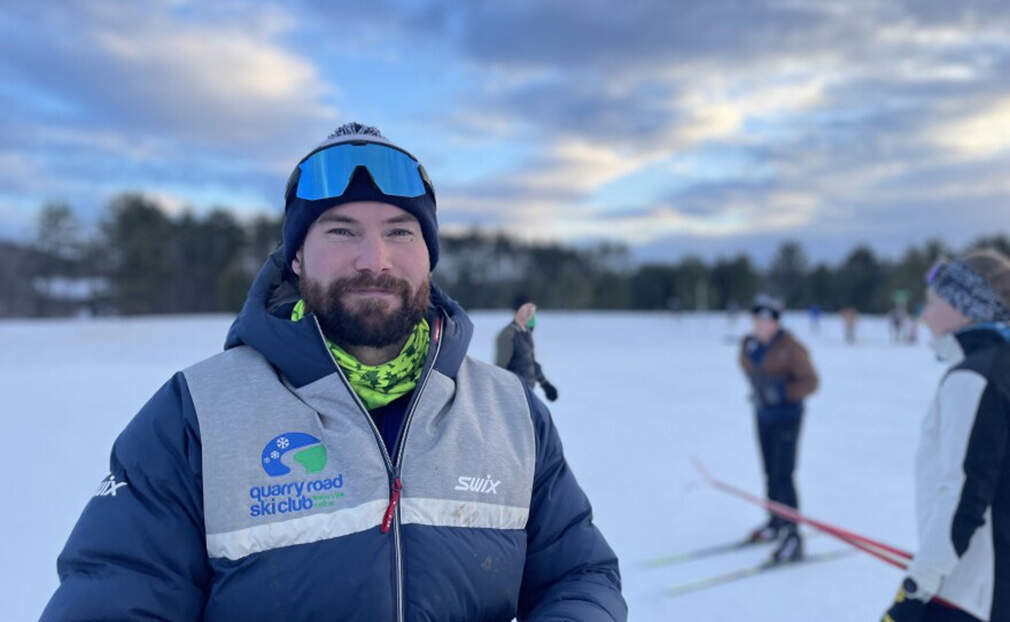
"I do think there is a pretty obvious path forward with snow making," he says. "I do feel, locally, it's definitely keeping the sport alive. I'd love to see other venues figure something out that works for them."
But he acknowledges it won't be possible for everyone. Making snow is a costly, labor-intensive process. Quarry Road, a non-profit, has over two dozen volunteers, in addition to the Parks and Rec staff, who are trained to help out with the process.
Other Nordic ski areas in New England, like Beaver Meadow in New Hampshire and Craftsbury Outdoor Center in Vermont, have started investing in snowmaking, too.
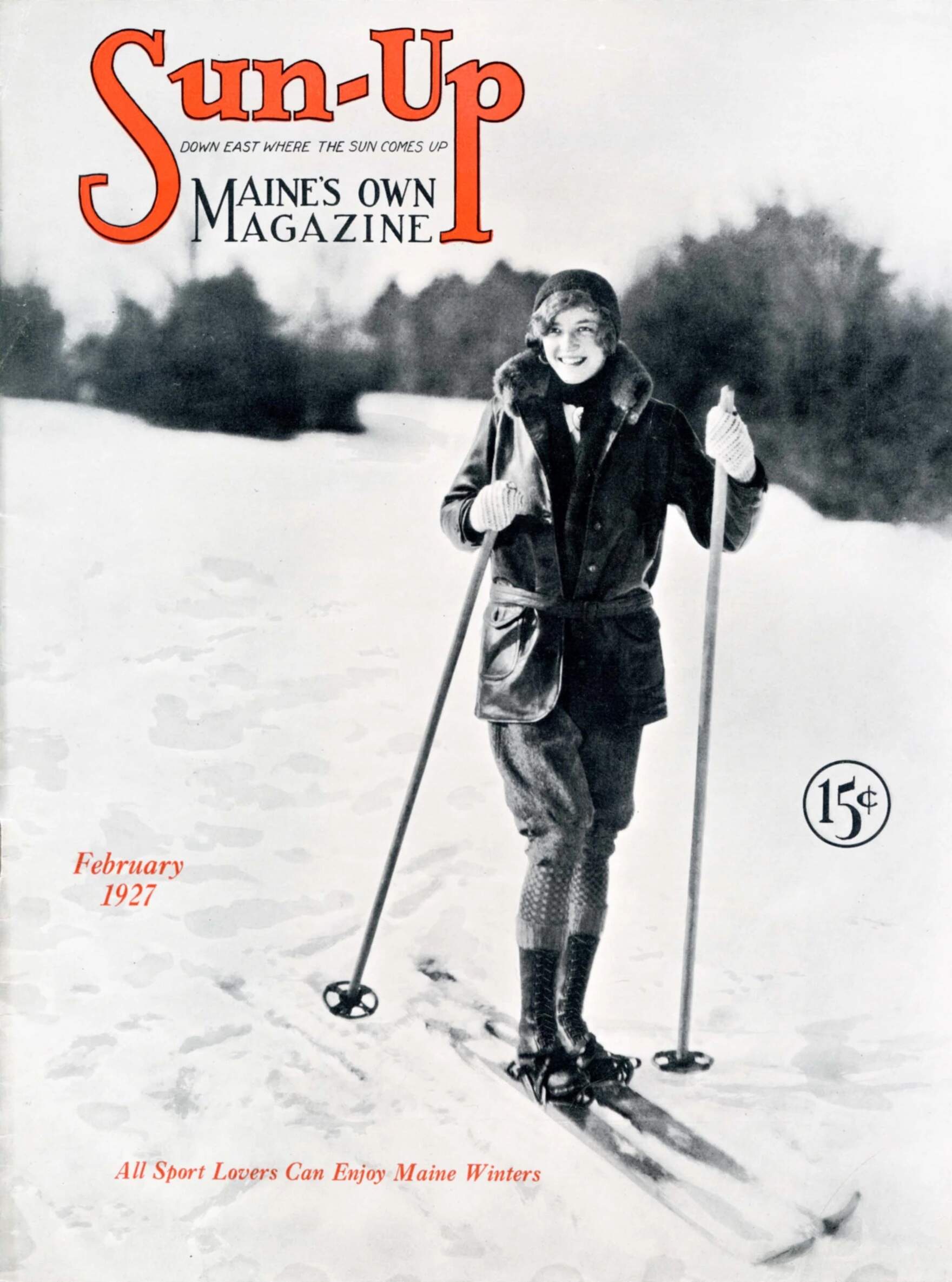
Still, it's not a silver bullet. Alsobrook says it means the future of cross-country racing is likely safe, for now. But as natural snow disappears, the sport becomes less accessible for casual Nordic skiers.
"It's just going to be that much harder for people to get into the sport. And honestly, why would you if you've never tried this sport before, you know, how are you going to get excited about it when it takes so much investment of time and money to get the equipment and get to the right places that have those little pockets of snow."
And according to Alsobrook, it won't save the magic that draws people to Nordic skiing: exploring new trails, in your local woods in fresh snow.
"We can still preserve ski racing, or we can still preserve a certain level of recreational skiing with a snow making loop, but that's never going to replicate the exploration element, the wilderness, you know, getting out and stretching your legs and skiing for kilometer after kilometer," he says.
For southern Maine, at least, the days that you can wake up, strap on some skis, and ski around your local field, land trust, or golf course, are now few and far between.
For Omari Brent, a sophomore at Wayneflete, that's all the more reason to get outside and ski now.
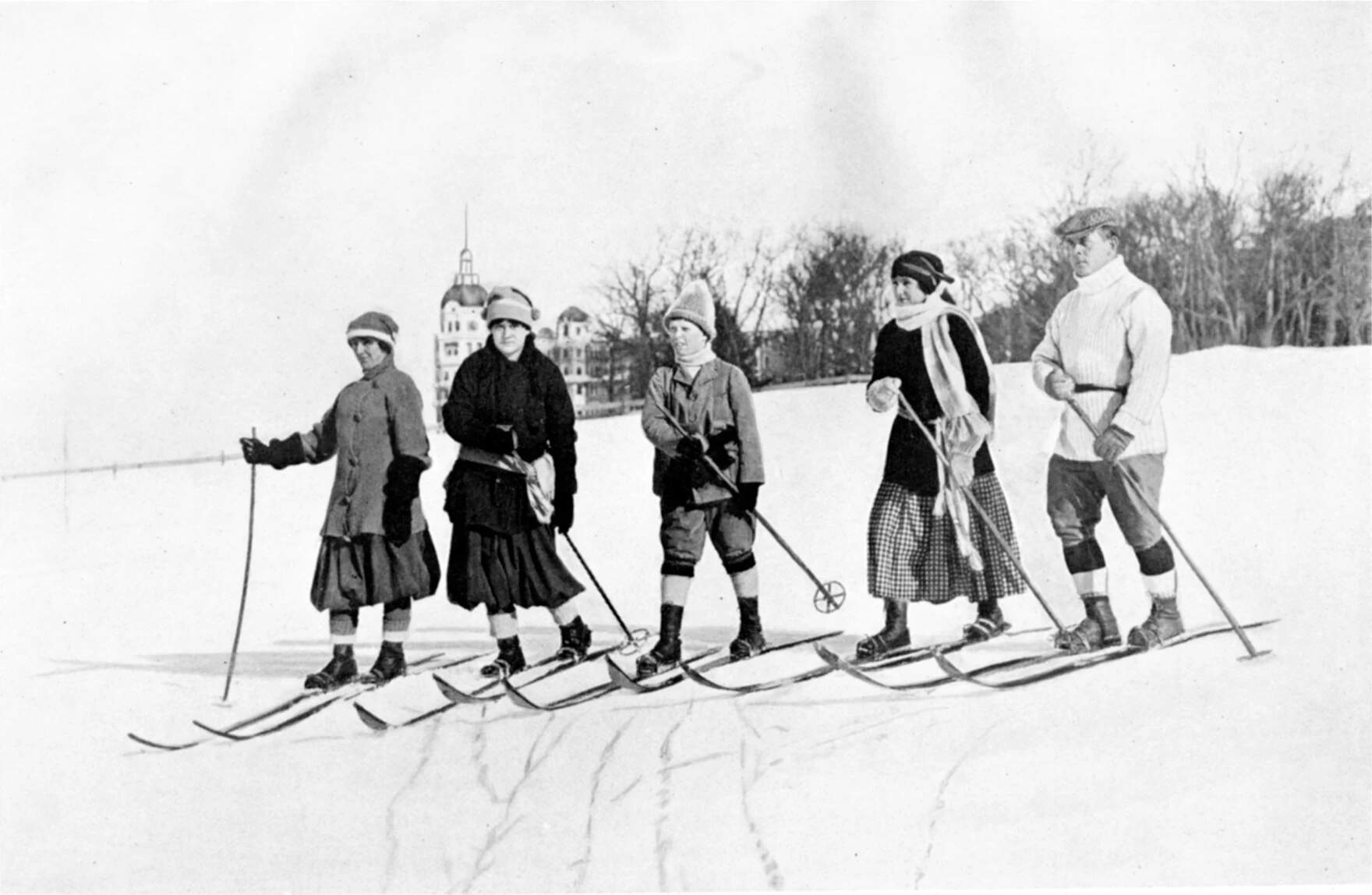
"Being outside in the snow as an extra circular activity for your high school is not something that most people in America have," he says. "And it's a scary thought that you might not be able to just go hang out in the snow anywhere in the next 50 years. It kind of made me want to cherish what we've got."
This story is a production of the New England News Collaborative. It was originally published by Maine Public.