Support WBUR
In a warming world, allergy season is getting longer
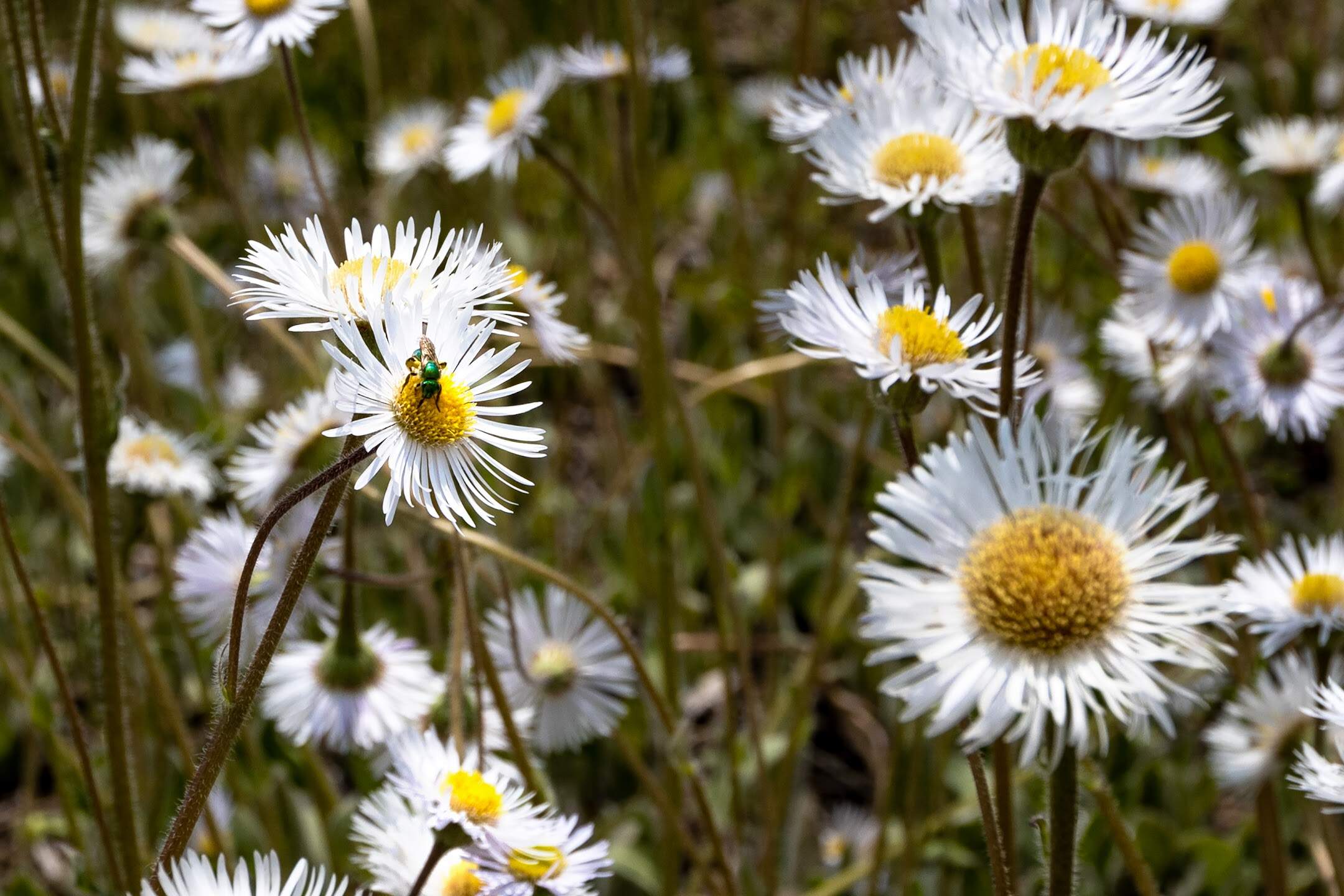
Winters are becoming shorter, which means allergy season is becoming longer.
A new analysis released Wednesday from the nonprofit Climate Central shows that recent "freeze-free" seasons across 172 major U.S. cities have 20 extra days on average when compared to 1970.
In Boston, the growing season has become 15 days longer than it was in the '70s — meaning more time for plants to release pollen and for allergy sufferers to sneeze and itch.
The intensifying allergy season is one way people are confronting climate change in their daily lives, said Lauren Casey, a Climate Central meteorologist.
Climate change "feels like this very big entity that we're contending with — and we are," she said. "But we also have to see the smaller implications in our lives. It is affecting us at the everyday level."
Not only is the allergy season getting longer, but there's also more pollen, which can lead to worse symptoms, the report notes. Higher levels of carbon dioxide are driving increased growth of common allergy-inducing plants like ragweed and some grass species.
Nicholas Nassikas, a pulmonary and critical care physician at Beth Israel Deaconess Medical Center, said the combination of longer allergy seasons and increased pollen is a "double whammy."
The report's findings support what doctors like Nassikas are hearing from patients. Every year, more patients tell Nassikas that their symptoms are the worst they've ever been. It's especially difficult for those with underlying respiratory conditions like asthma, he said.
It's tricky to predict how bad an allergy season will be, but previous years can offer some guidance.
"Every plant responds differently to temperature changes and changes in how much rain they're seeing," Nassikas said.
Warmer weather and more rain create the best conditions for pollen to disperse. Forecasters at the National Oceanic and Atmospheric Administration predict a warmer-than-average spring for New England, but an average level of precipitation.
Even though there's not a layer of yellow-green powder on cars and sidewalks in Boston yet, allergy season is beginning, according to Frederic Little, an allergist and immunology specialist at Boston Medical Center.
Trees along the eastern seaboard from Georgia to Virginia pollinate in late February. Drifting pollen particles sometimes find their way to Boston even if trees are bare and there's still snow on the ground, Little said.
This pollen movement is impacted by southern weather patterns. Given the heavy precipitation over the last few months, there will likely be more plant growth. And, Little said, that could mean more pollen for the Boston area.
Tree pollen season starts in early March. Little tells his patients sensitive to tree pollen to begin treatments, like medication or allergy shots, now.
A warming world also means that non-native flora can now survive in areas closer to New England. Little has adapted his clinic's allergy test to account for certain grasses typically found in the South but are now increasingly found farther north.
In the context of climate change, Nassikas said it's important not just to look at this year's season, but think about the next decade or two. He worries about the fluctuations from year to year.
"There's going to be bad years and good years, but the trend is so clearly that pollen seasons are going to be longer and higher pollen concentrations during those seasons," he said.