Support WBUR
Tufts student's attorneys question when immigration agents moved her to Louisiana
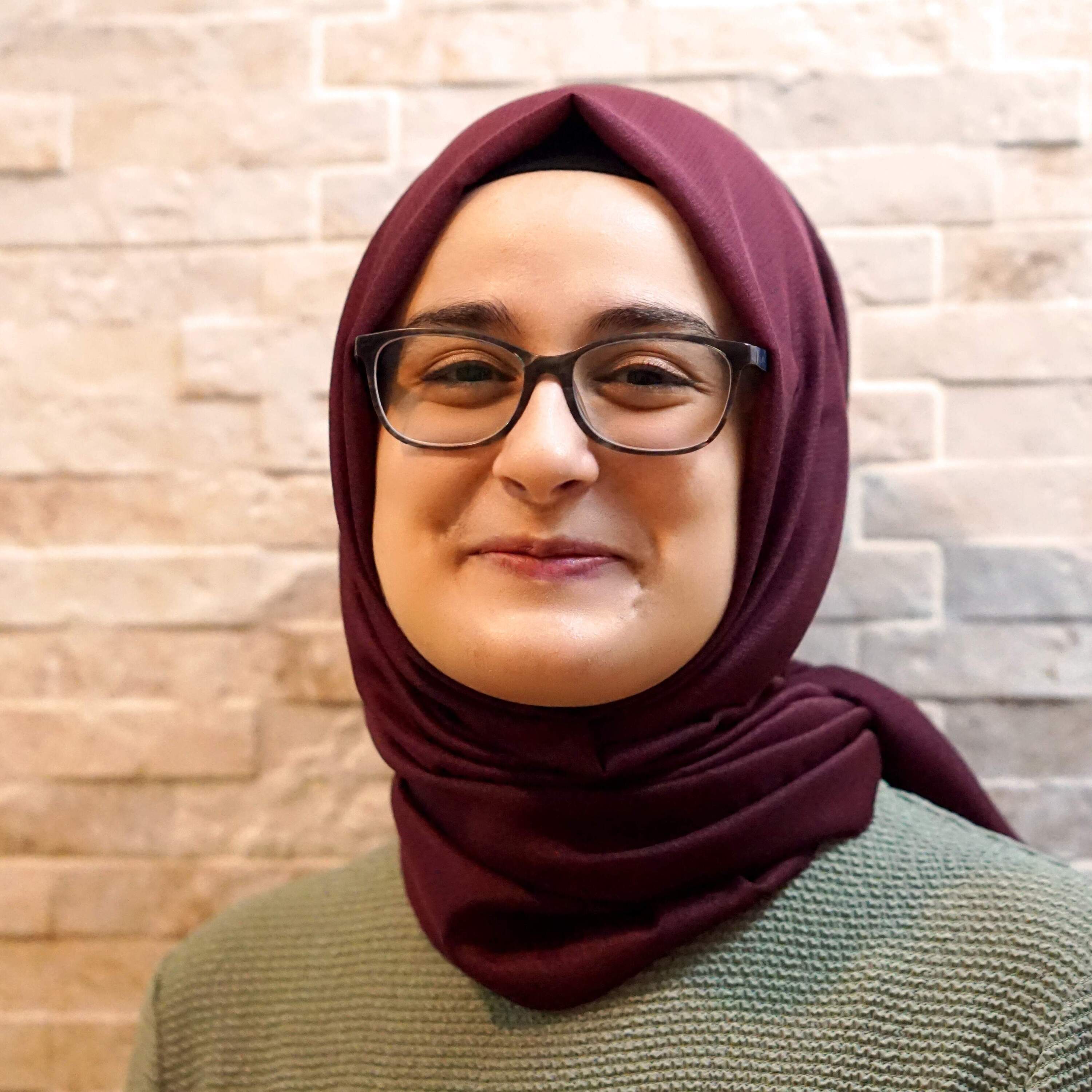
Attorneys for the Tufts University student detained Tuesday are challenging federal prosecutors’ claim that she was already out of state when a judge ordered she remain in Massachusetts, according to an amended complaint filed Friday in court.
Massachusetts Federal Judge Indira Talwani’s order, telling federal authorities to keep Turkish national Rümeysa Öztürk in Massachusetts, was issued around 11 p.m. Tuesday. Six hours earlier, plainclothes immigration officers surrounded and handcuffed the 30-year-old doctoral student in Somerville before taking her away in an unmarked SUV.
On Thursday, Assistant U.S. Attorney Mark Sauter said in a court filing that he “had been informed that Petitioner [Öztürk] was detained outside of Massachusetts at the time the Petition was filed and the Court’s Service Order was issued.” He didn’t explain when Öztürk was put on a plane bound for Louisiana, but said a timeline was forthcoming.
Sauter referred questions to a DOJ spokesperson, who has not responded to a request for comment.
Öztürk’s legal team — which now includes lawyers with the ACLU of Massachusetts — say government officials named in the complaint withheld information about her location from everyone, including her own attorneys, for nearly 24 hours.
“Sometime after receiving that order, ICE officials transferred Rümeysa to Louisiana without notifying the Court, her counsel, or Department of Justice counsel on this case,” Öztürk’s attorneys wrote.
They said Öztürk’s movement appears to fall into a pattern of taking detainees “to distant locations incommunicado and in secret to frustrate the ability of counsel to file habeas petitions on their behalf.”
The amended complaint details when and how Öztürk’s visa was revoked, alleges Öztürk had an asthma attack while en route to Louisiana (she was detained without access to her medication, a previous filing said), argues that she was targeted as part of an attempt to “silence viewpoints with which the Trump administration disagrees,” and claims the government’s actions violated both administrative procedure and her first and fifth amendment rights to freedom of speech and due process.
Judge Denise Casper on Friday ordered that the government keep Öztürk in the U.S. "until further order of this court."
Öztürk detention has sparked outrage in Massachusetts and across the country. Thirty-four representatives of Congress — including almost the entire Massachusetts delegation — sent a letter asking senior Trump administration officials detailed questions about the case.
Her detention and transfer to Louisiana follows the arrest of several other international students who’ve been outspoken about Palestinian rights and Israel’s war in Gaza. Mahmoud Khalil, a legal permanent resident and recent graduate of Columbia University who participated in the protest movement there, was similarly detained by immigration officers and sent to Louisiana in early March, where he has remained.
“The Trump administration is sending a very clear message to anyone in America, that if they dare to disagree with the government, they will be punished,” said Jessie Rossman, legal director for the ACLU of Massachusetts.
Rossman said Öztürk told her lawyers she’s scared — both for herself and for other students in similar situations.
“If this could happen to her, she feels like it could happen to anyone,” Rossman said.
Secretary of State Marco Rubio said Thursday he’d revoked Öztürk’s visa, adding they cancel visas “every day.” He said he’s done it about 300 times.
The complaint alleges Öztürk received no notice that her visa had been revoked prior to her arrest. It said that, on Tuesday, U.S. Immigration and Customs Enforcement provided her a Notice to Appear — which functions as a charging document for removal proceedings.
The notice said the State Department had revoked her visa on March 21 and she has an initial hearing scheduled for early April, according to the complaint.
With additional reporting from WBUR’s Amy Sokolow.
Editor's note: An earlier version of this story included the wrong name for a judge. The judge who issued the initial order is Indira Talwani. We regret the error.
This article was originally published on March 28, 2025.