Support WBUR
Watertown archive marks 50 years of preserving Armenia diaspora photos
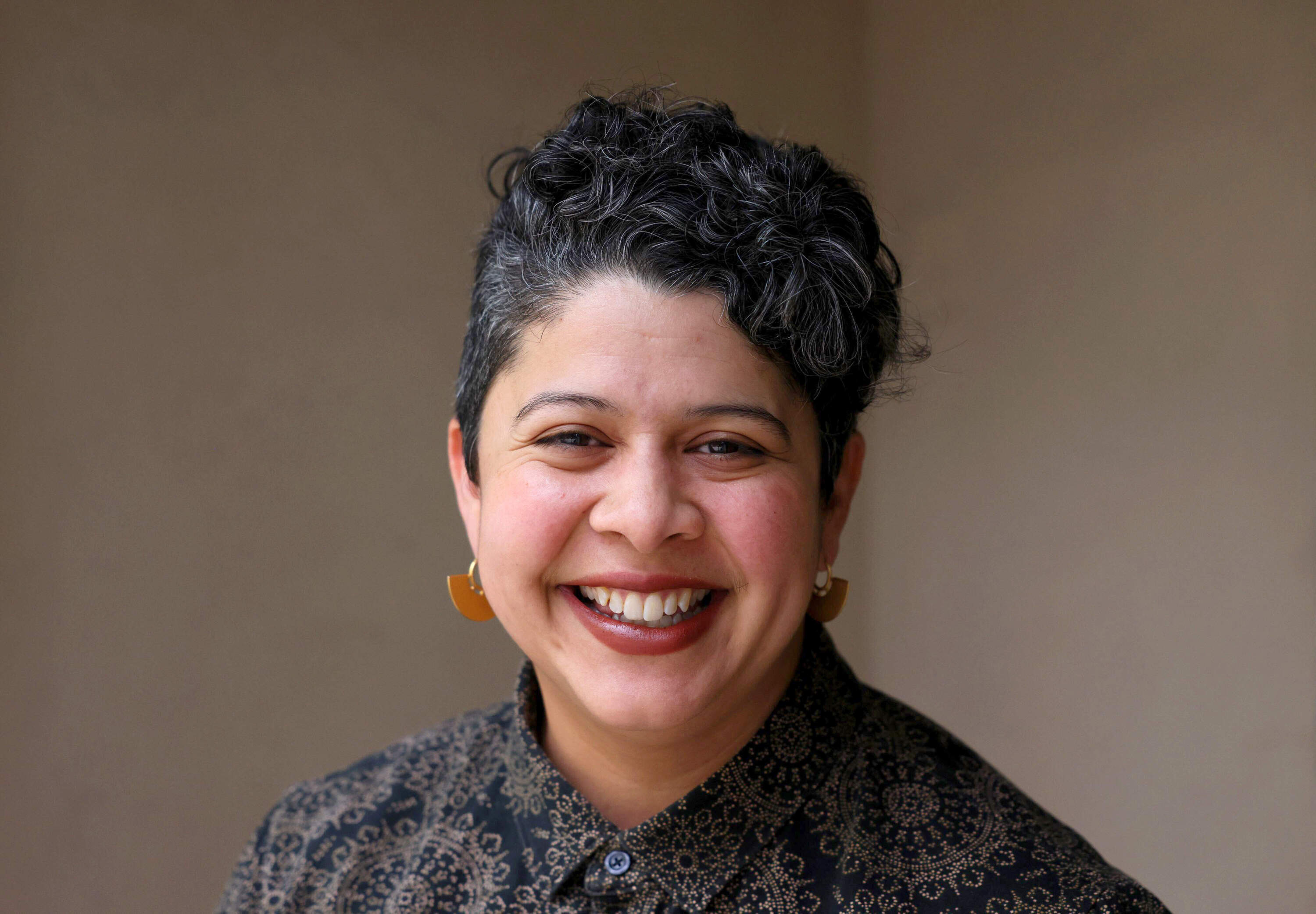
Ruth Thomasian remembers sneaking up to her family’s attic as a child in Belmont to look at boxes of her parents' old photographs. Even then, those images tugged at her. Something in that history drew her eye.
“Nobody ever talked about them,” said Thomasian, 79, whose father was Armenian. “I never brought them back down to ask my parents what they were all about.”
Her natural curiosity led her to study history, but she had no interest in knowing the birth or death dates of Roman emperors. She wanted to understand social history, the day-to-day lives of ordinary people. She was especially drawn to the photos and ephemera that documented lives before and after the 1915 Armenian genocide.
“We're living in a time where people don't seem to fully grasp genocide,” Thomasian said. “ We're all capable of doing it, and therefore we must study it and understand that it's wrong and that it never happen again.”
Because of Thomasian, there are now more than 100,000 photographs preserved in a climate-controlled archive in Watertown. Fifty years ago, she founded Project Save Photograph Archive, an organization that documents the local, regional and global Armenian experience.
”What's very powerful for me about this is that it's also breaking a little bit of that victimhood,” said Project Save executive director Arto Vaun, who took on the role in 2021. “That the genocide is not what defines what it means to be an Armenian. That was an incredibly unfortunate, earth-shattering historical moment. However, Armenians [have] thousands of years of history.”
“It was a vibrant, vibrant community within and outside of that part of the world before the genocide,” he said.
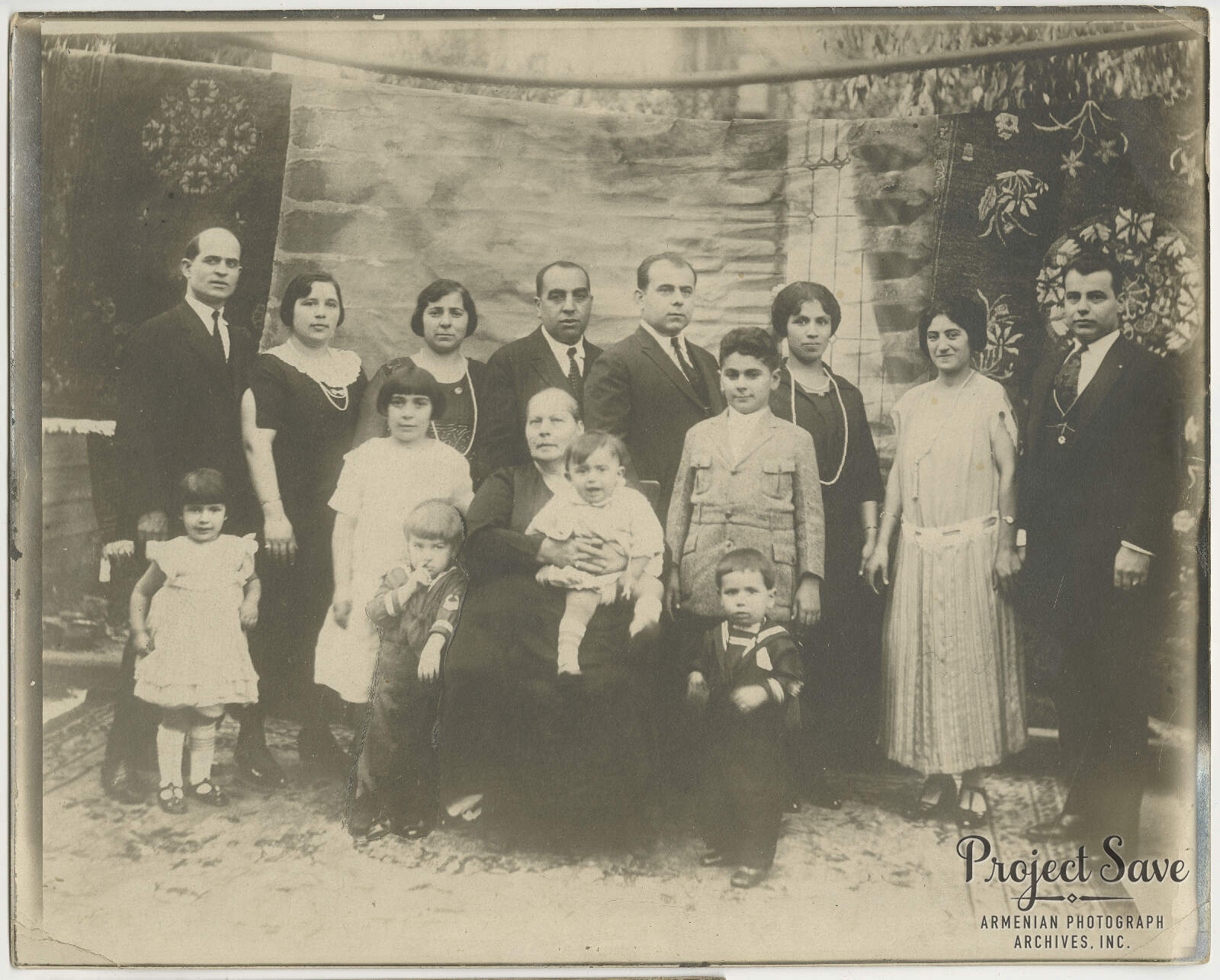
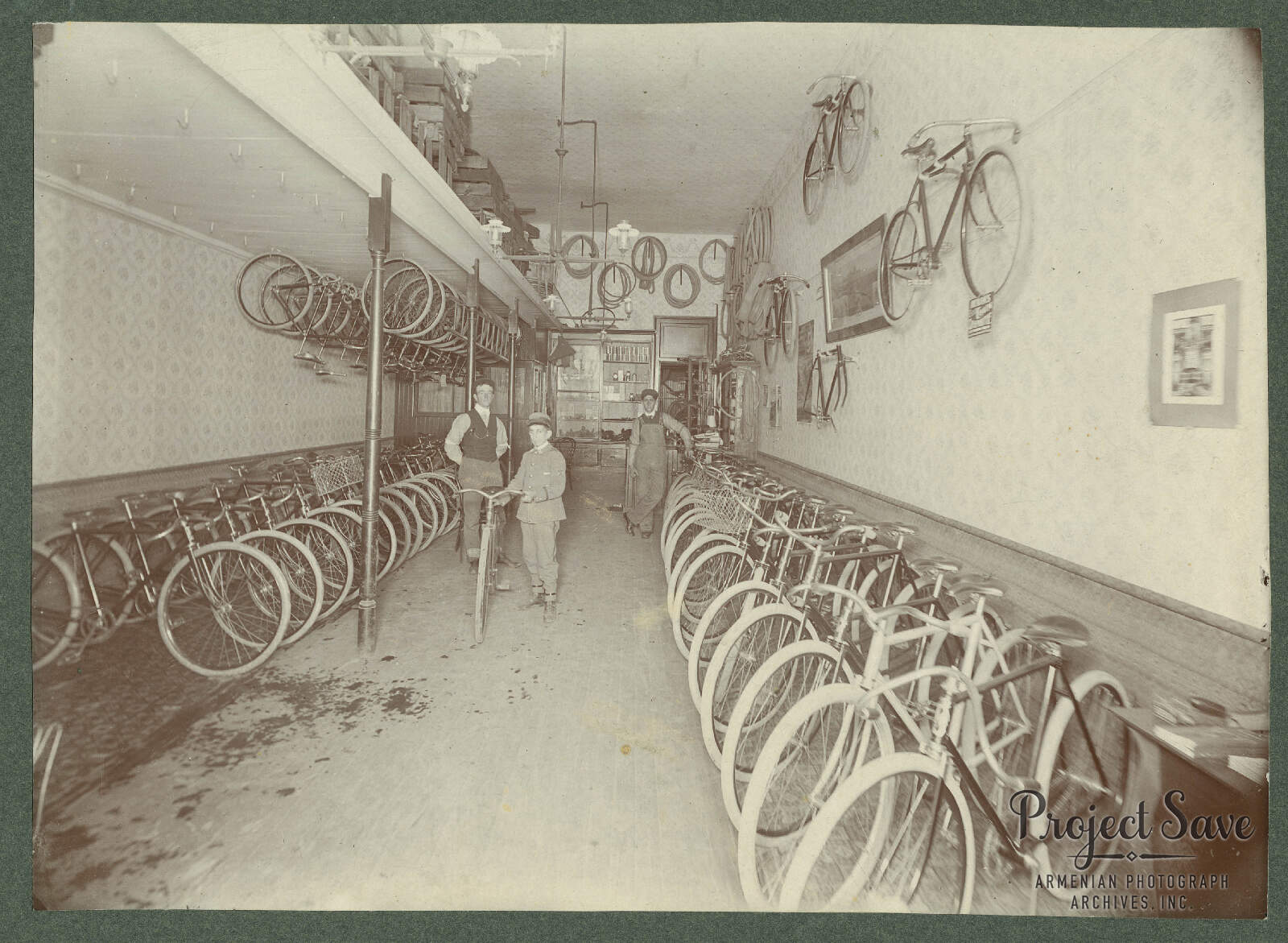
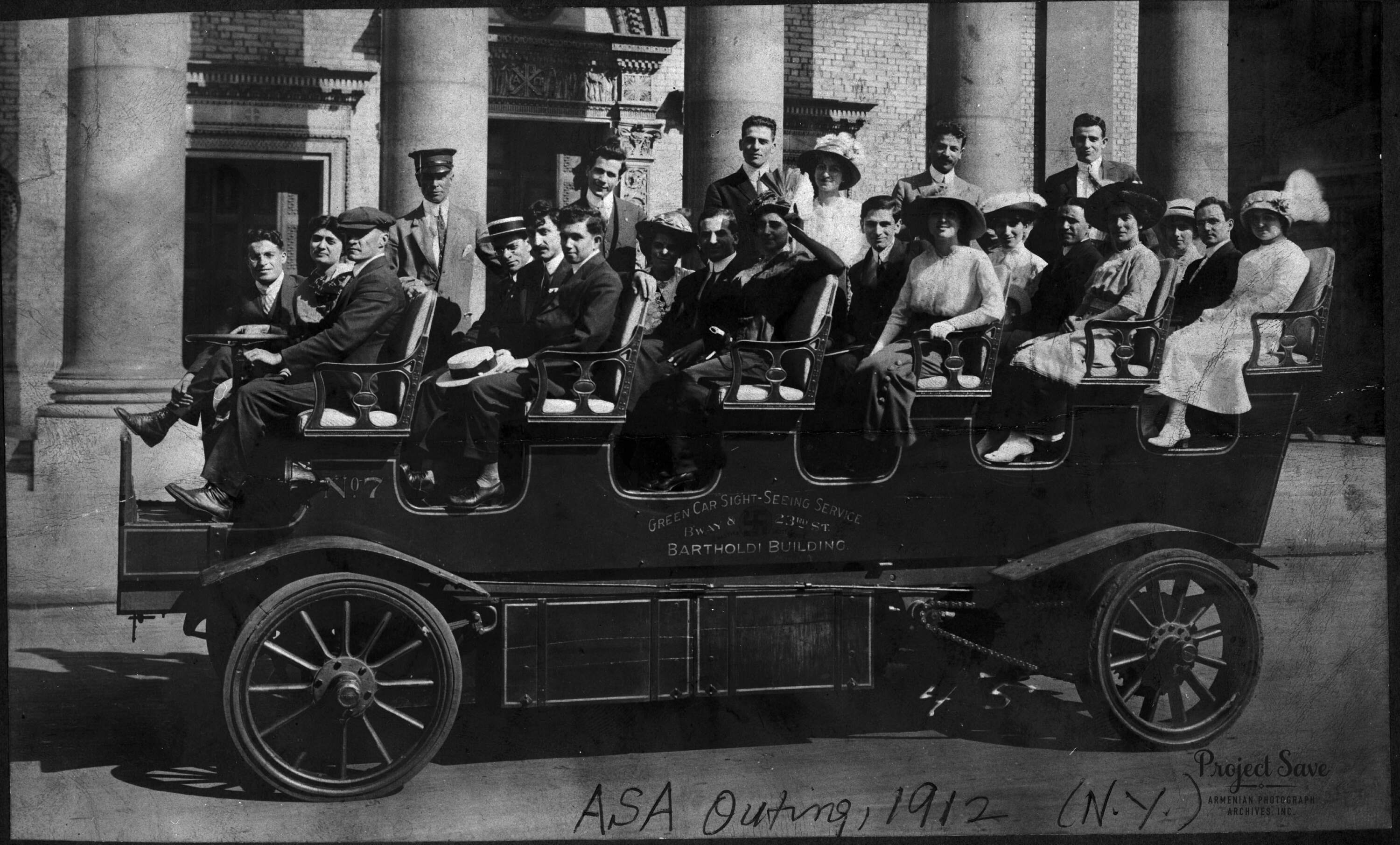
Presently, only 4% of the archive has been catalogued. Thomasian taught herself to archive images. Wedding scenes from the homeland, family portraits on oriental rugs, Armenian women learning the oud in Cuba. The collection is rich. And there are endless portraits taken alongside the Statue of Liberty.
“Most of these people came to the U.S. in steerage class,” Thomasian said. “They were down below deck. They never saw the statue coming in.”
Thomasian spends most afternoons seated in an office surrounded by both recent as well as photos going back to the 1800s. Her penmanship is distinctive on the back of photos. She writes names, dates, locations in pencil. She keeps files filled with donor information of people who entrusted her with their family history. She used to drive to Philadelphia, Chicago and other cities for photos. She’s now focused on writing her book and finally has the chance to archive her own family history after a lifetime of recording others. She turns 80 this month.
“You know, whoever convinced us that in retirement, you should just put your feet up and watch television — that's not my idea. My grandparents never believed in that,” she said. “I don't think they could've. But they also believed that you needed to keep doing something that you cared deeply about.”
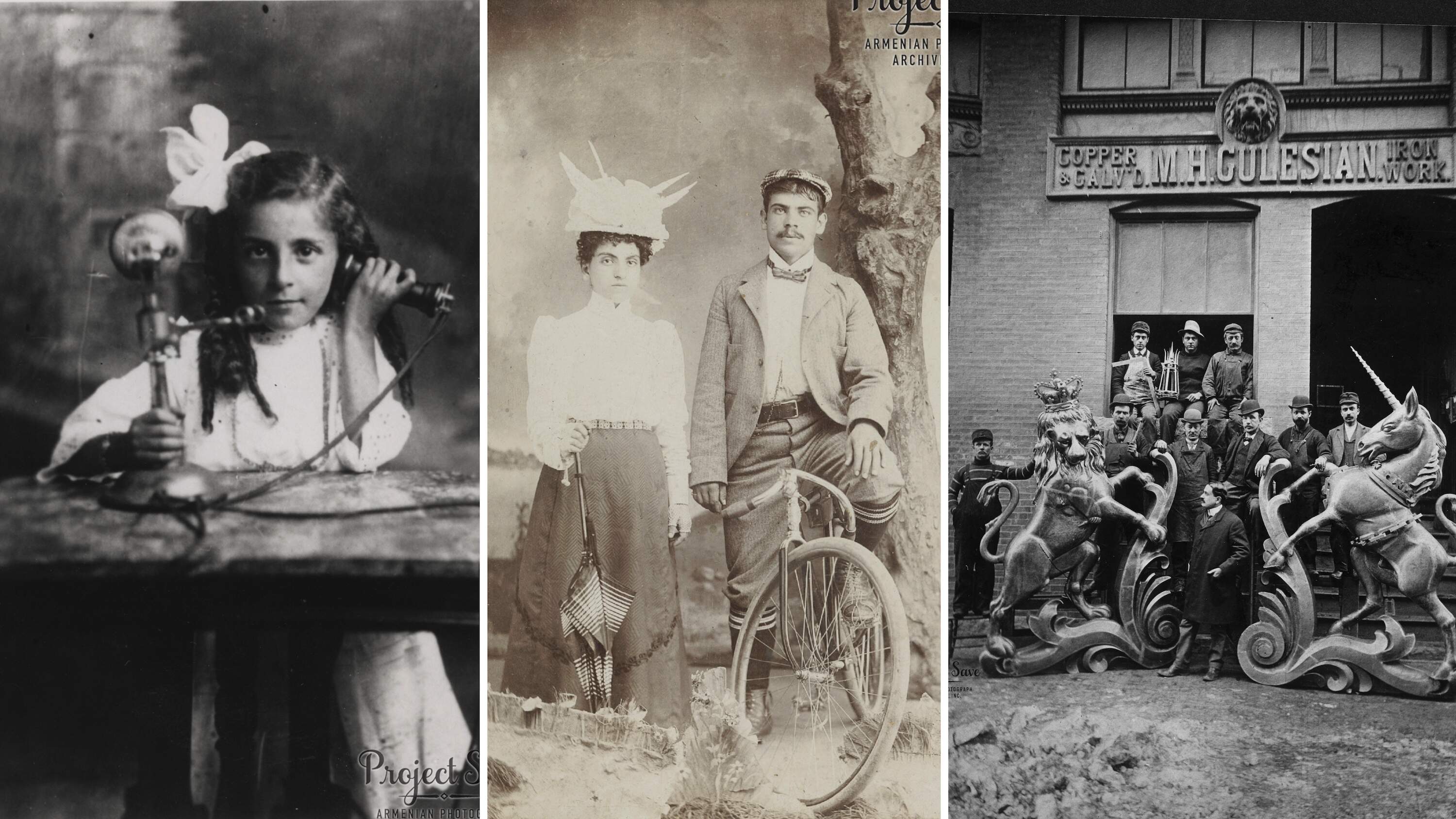
What would become Thomasian’s life’s work started in her 20s. Back then, she jumped jobs, from teaching third graders in upstate New York to making hats on Broadway for musicals like “A Chorus Line.” Her eye served her well as an aspiring costume designer who got her start as a milliner, a job few wanted at the time.
“It was a bunch of old ladies sitting around a table speaking Italian,” Tomasian said. “As they stitched their brims and put the brims on the crowns…I liked sitting there listening to their stories. And I always had these carpenter pants side pockets on them, and I always carried a little pad of paper and a pencil. I would write down what they were saying.”
Local Armenians found out there was a half-Armenian young woman making costumes on the “Great White Way.”
“They had a drama group and they asked me to costume,” she said. “The play was set in the homeland back a hundred years ago. Did I know what people dressed like, looked like? Not a thing. So I thought, well, how am I going to costume these people and make it authentic?”
Photographs. The elders showed her their photographs, including some photos they hadn’t looked at in years. Thomasian would work around the clock in the theater, but on free days, she attended senior lunches. She kept them company and these elders, all around the age Thomasian is now, would invite her to their homes, feed her and she’d walk away with photographs some borrowed, others gifted.
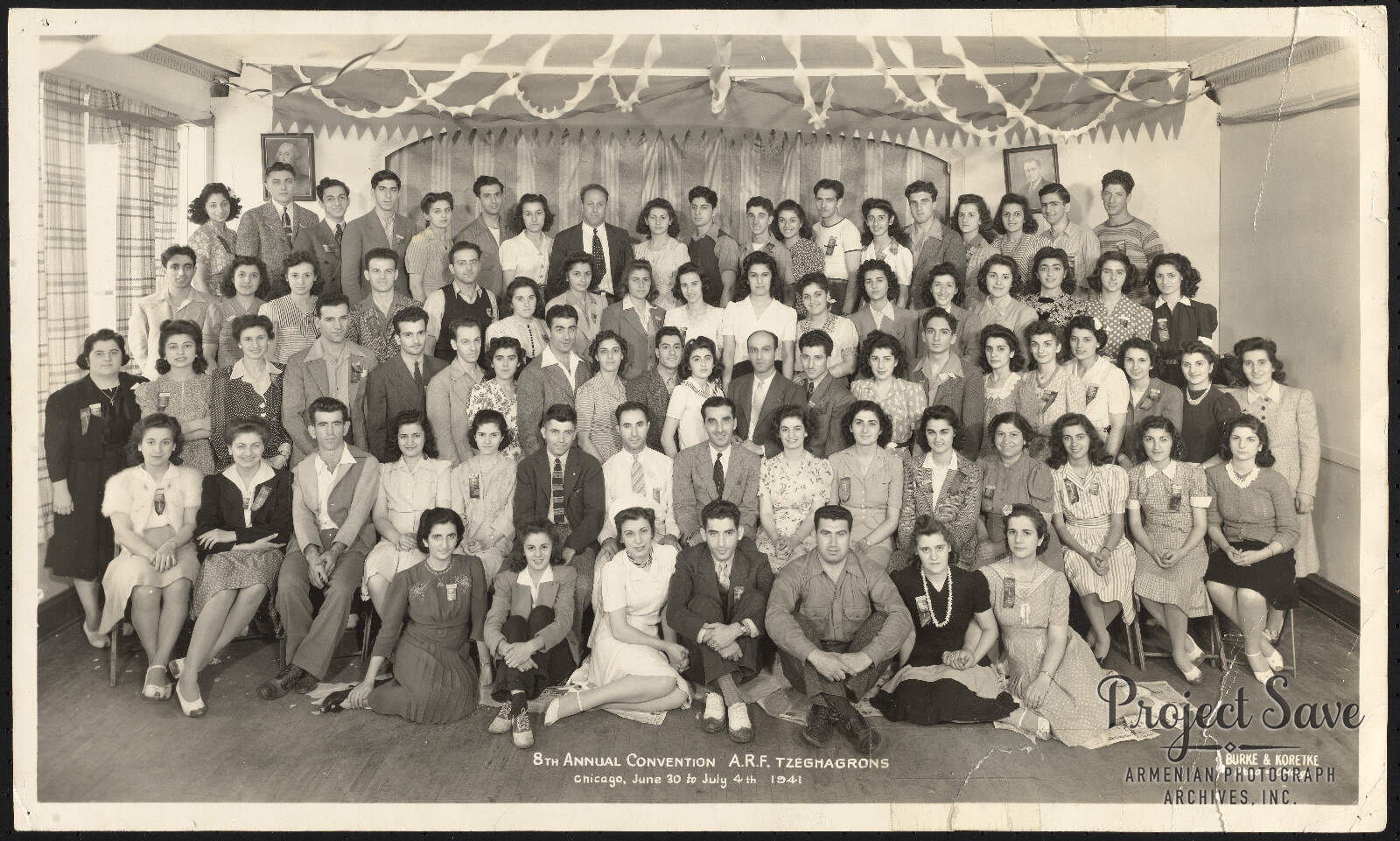
By the time she left New York City, she had collected just under 1,000 photographs.
“One man even pulled a photograph out of his jacket pocket and said, ‘I always carry this with me,’” she said. “And I thought, ‘oh my God.’ It was a photo of his parents, his family in the homeland that he had lost.”
Many of these seniors were survivors of what is often called the first genocide of the 20th century. Historians still fight against erasure and those that deny this history ever happened. Talking about the photos helped, Thomasian said, and she never directly asked them what they lived through or who they lost.
“They're not going to be around forever, and I have to know what I'm looking at,” she said. “I have to sit with them and talk with them and ask them questions. So, I left the theater and then I had to figure out, ‘well, how are you going to pay the rent?’”
She was 30 then and she made a plan. She found work as a home health aid for these seniors. She was their personal archivist. Nothing was more important to her.
“It would be easy to get frustrated with so much work to do, but I find pleasure in it,” Thomasian said. “And every day you see something new, or maybe you've seen the photographs before, but this time you look at it with a different eye and see something different.”
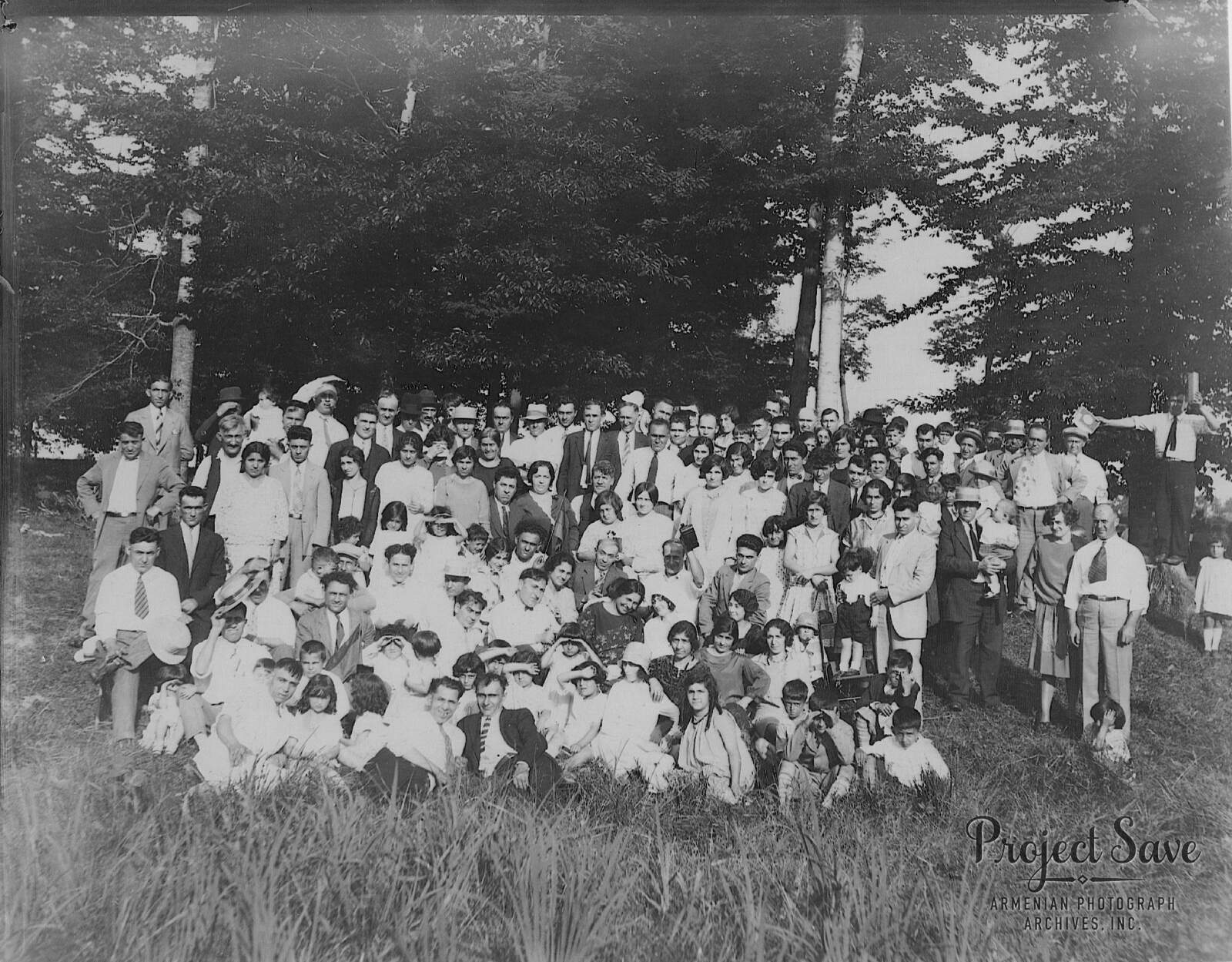
Half a century after starting the archive, the hope is to possibly broaden the scope to include other communities, a way to acknowledge the multiplicity of the Armenian experience.
“Photography is such a universal language, it’s a medium that viscerally expresses what it means to be human,” Vaun said.
Vaun has a vision for a more sustainable future. He assembled a brand new board of advisors who bring expertise from the Boston Public Library, Harvard museums, the Getty, the Smithsonian, as well as working contemporary photographers. He moved the archive into its first public-facing space, designed a slate of new initiatives and created an artist-in-residence program.
His goal is to now implement a strategy that brings the archive to life with exhibits such as “Roots and Resilience: Armenians of Watertown and Beyond,” currently on display at the Watertown library. Vaun has a talk scheduled for April 30 on archives as a site of resistance and renewal. They’re in the process of planning a fundraising campaign for an endowment and a celebration of Thomasian’s tenure as well as events over the next year for Project Save's 50th anniversary.
“ As the world changes, as the Armenian communities adapt and change in order to be a living archive, you have to reflect that,” Vaun said. “We can be, we should be a home for other displaced groups, for other immigrant groups because by doing that then these photos will be accentuated.”
For Vaun, a musician, poet, and academic who taught in Armenia for years, the archive led to a personal discovery: a trove of images of the funeral of a beloved Armenian pope, Zareh I, Catholicos of the Holy See of Cilicia, former bishop of Aleppo and his uncle. This is why the archive matters, Vaun said. It’s a place of discovery, excavation where families can piece together their history.
“These are photos I had not seen,” Vaun said. “Ruth didn’t know the connection, Marta, another archivist, didn’t know, but that’s why we’re saving them. Because one day, I showed up and I do know who that is. That’s my uncle.”
Those interested in making photographic donations to Project Save can read more here. Archive staff are available by phone during business hours at 617-923-4542 and via email at archives@projectsave.org.