Support WBUR
Review
'Sorry, Baby' is an astute and funny film about the after-effects of trauma
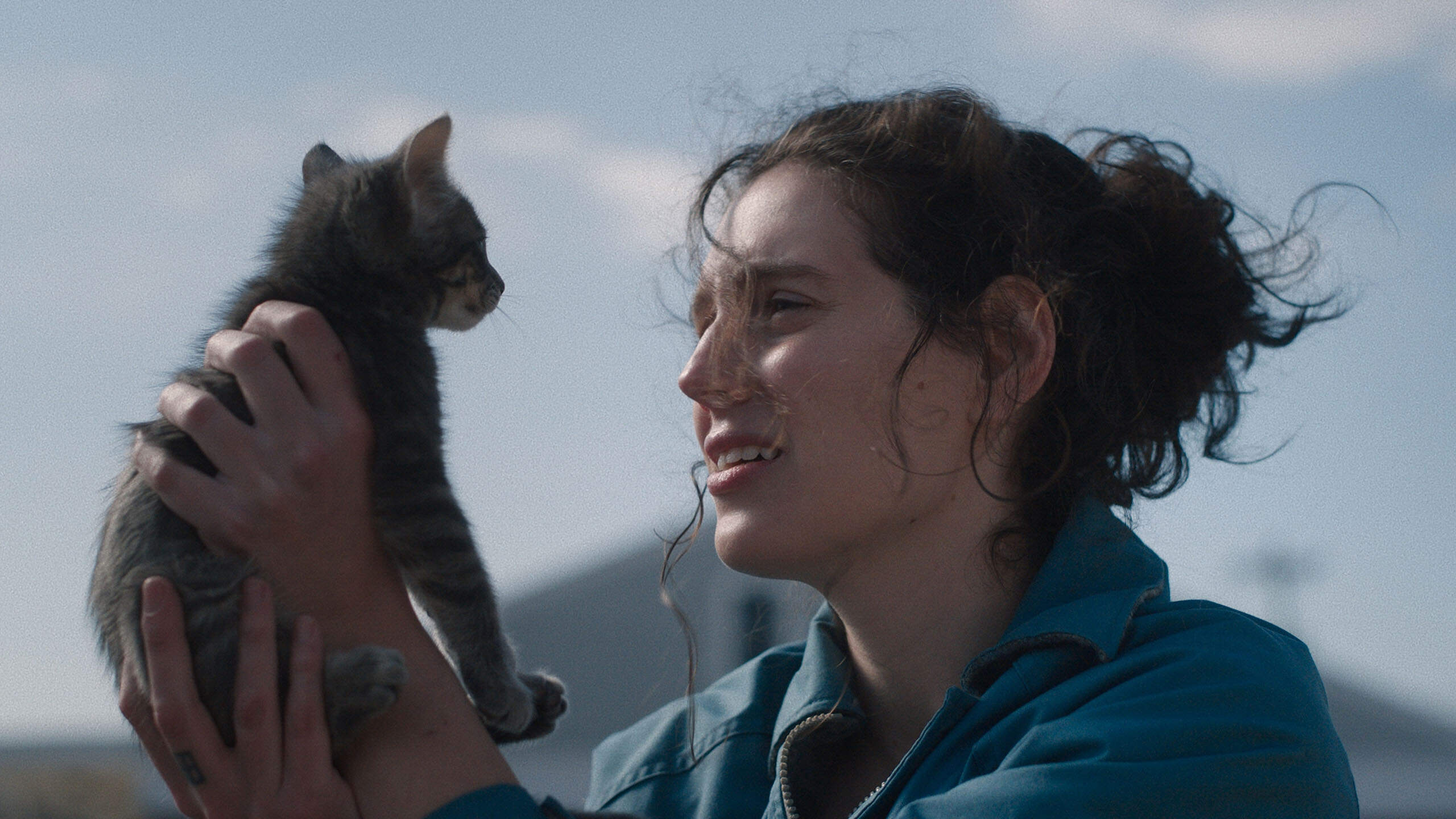
Agnes is stuck. She works and lives in the same sleepy New England college town where she went to grad school, living in a big, drafty-looking rental house. She’s got an enviable teaching position at the university, but there’s something uneasy about her relationship with the school, something we can’t quite put our fingers on at first. Played by writer-director Eva Victor, Agnes is an oddball, one of those people who occasionally blurts out thoughts the rest of us would probably keep to ourselves. Sometimes it’s tough to tell if she’s kidding. She’s tall but she slouches, with long, lanky limbs that she’s constantly folding in on themselves, like she’s trying to take up less space in the world.
As the movie begins, Agnes’ best friend and former classmate Lydie (Naomi Ackie) comes back to visit with good news. She’s having a baby. The two are wonderfully close, speaking a secret language of shared references and inside jokes that’s almost off-putting in how unconcerned they are with including the audience. But gradually, we begin to notice the delicacy with which Lydie treats Agnes, and how carefully they both talk around something they don’t want to get too specific about. When Lydie graduated, she got out of town, fell in love and started a life — all the stuff that Agnes hasn’t quite been able to do herself, ever since the bad thing happened.
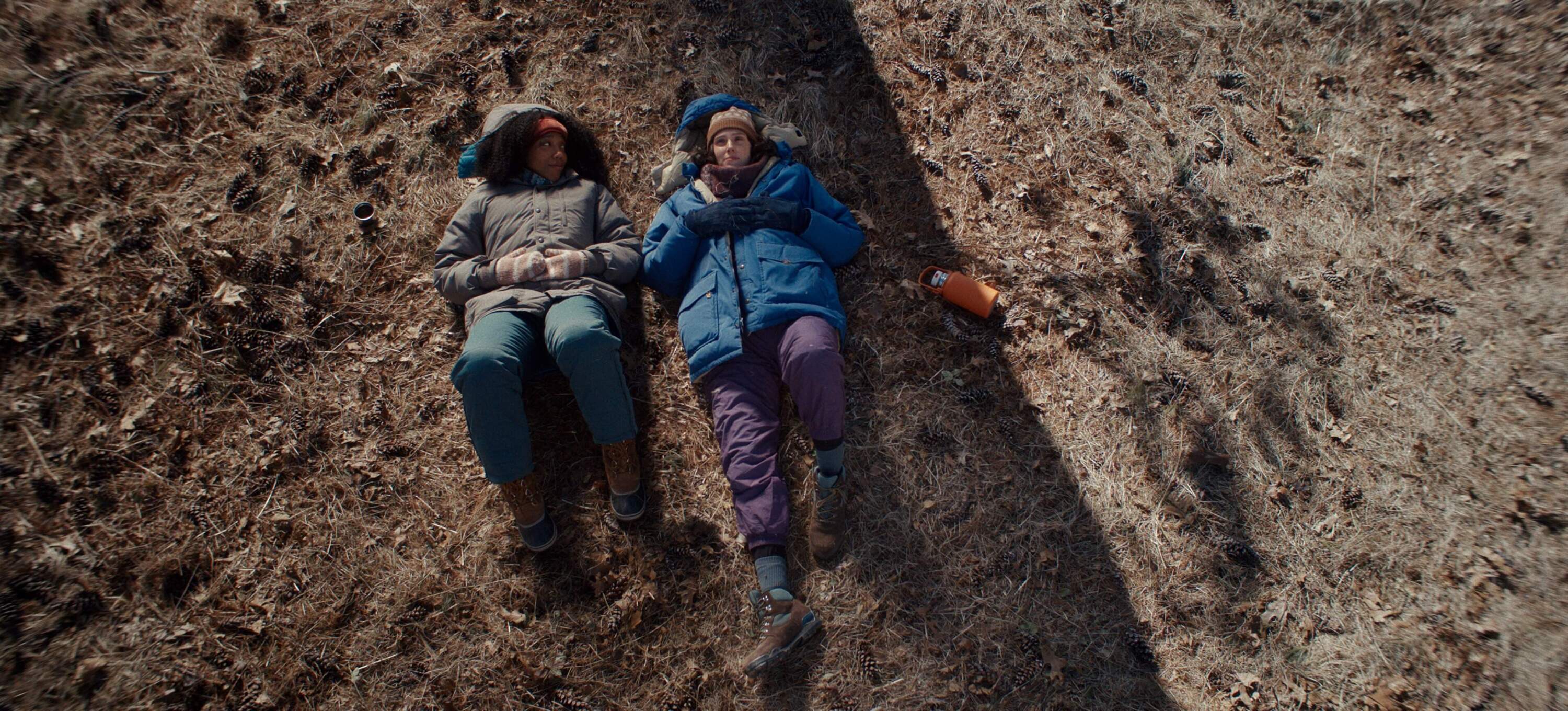
“Sorry, Baby” is an uncommonly astute and sometimes shockingly funny movie about the numbing aftereffects of trauma, that sticky sense of stasis while the rest of the world moves on without you. This hugely accomplished debut film is split up into four chapters presented out of chronological order, so we see “The Year With the Baby” before going back to “The Year With the Bad Thing.” These sort of temporal tricks are often used as gimmicks in indie movies, but Victor’s structuring here is essential, situating the movie in a perpetual present tense. “Sorry, Baby” isn’t a film about the bad thing, but about how life goes on before, after and all around it.
Agnes was raped by her thesis advisor. The monster managed to skip town while evading any accountability, and to this day she can’t be sure how many people at the university are even aware of what happened. In a bizarre irony, Agnes finds herself taking over his old job. It’s a position for which she’s clearly qualified, yet she still can’t quite get comfortable, which is totally understandable. Imagine going to work every morning and sitting at your rapist’s desk?
The movie excels at the sudden surrealness of trauma and how strange life becomes in its wake. Agnes and Lydie are the kind of people who can’t stop themselves from cracking jokes, even in the most inappropriate situations. Especially in the most inappropriate situations. The movie’s most bitterly funny scenes involve a doctor with a terrible bedside manner and the university’s human resources team, who despite facile claims of allyship are obviously only looking out for the school’s interests. (Whenever an HR rep claims to be on the side of students or workers, a friend of mine likes to point out who signs their paychecks.)
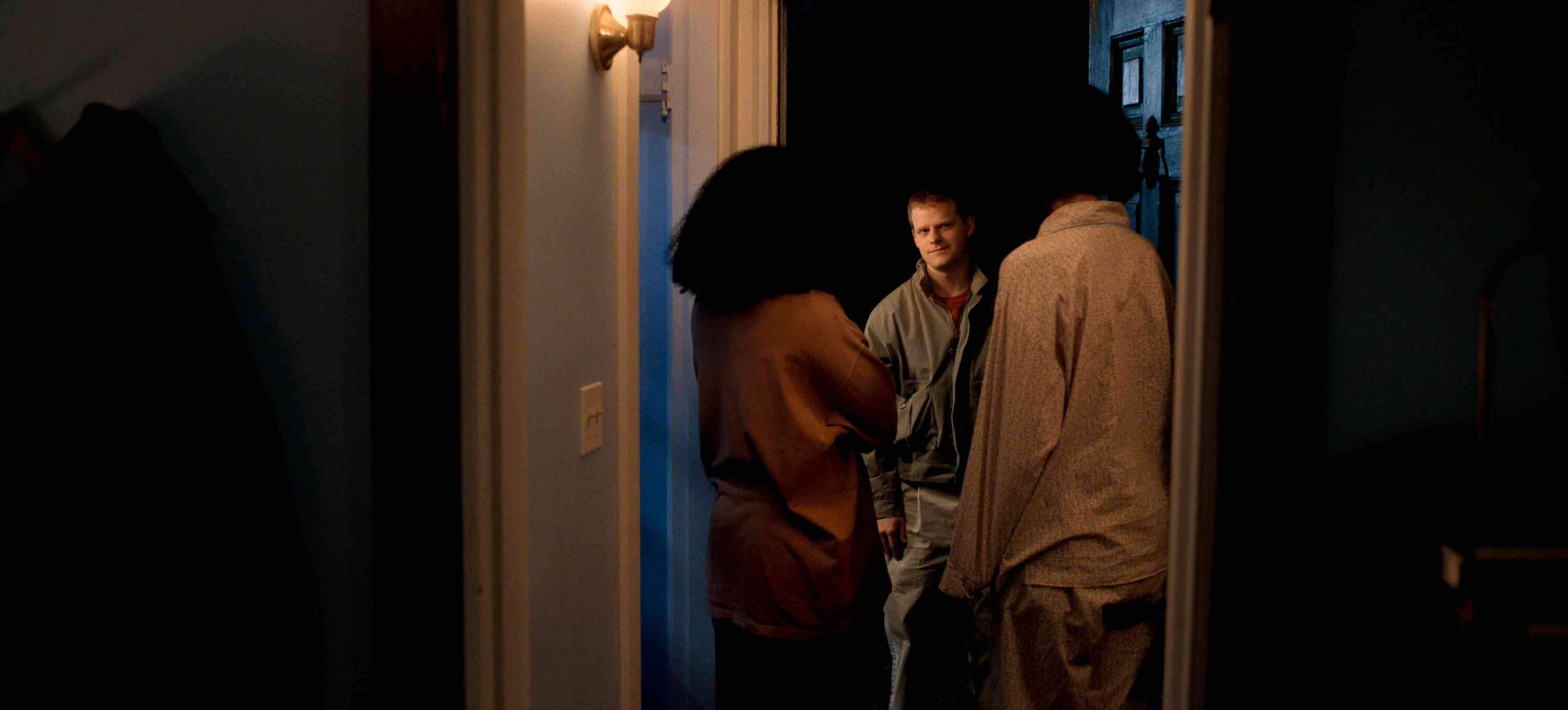
“Sorry, Baby” insists there’s no real right way to cope with or respond to things. Especially the bad thing. Humans are messy, impulsive animals under even the best of conditions, so whatever Agnes does is bound to appear inappropriate or strange. She eventually finds herself inching toward a relationship with her neighbor Gavin, played by Lucas Hedges as a decent fellow even more socially maladroit than Agnes. About eight or nine years ago, it seemed like Hedges was everywhere as a teen actor, Oscar-nominated for “Manchester by the Sea” and stealing scenes as Saoirse Ronan’s gay boyfriend in “Lady Bird.” I have no idea where he’s been, but it’s nice to have him back. Hedges and Victor negotiate some terrifically tender scenes together. You’re rooting for these two to make it work, however odd and unconventional their courtship.
Agnes turns out to be an excellent teacher, and there’s a smartly written scene in which one of her students throws a fit over “Lolita.” He’s parroting the trendy received wisdom that Nabokov’s masterpiece romanticizes its horrific subject matter, a misinterpretation that has hounded the book since it was first banned in the 1950s. I must admit, after an early shot of Lydie wincing at a paperback copy, I had initially braced myself for more of the same. But Agnes encourages her class — and by proxy, the audience — to think harder about what they’re reading, and try to understand the author’s larger intentions in writing that way about rape.
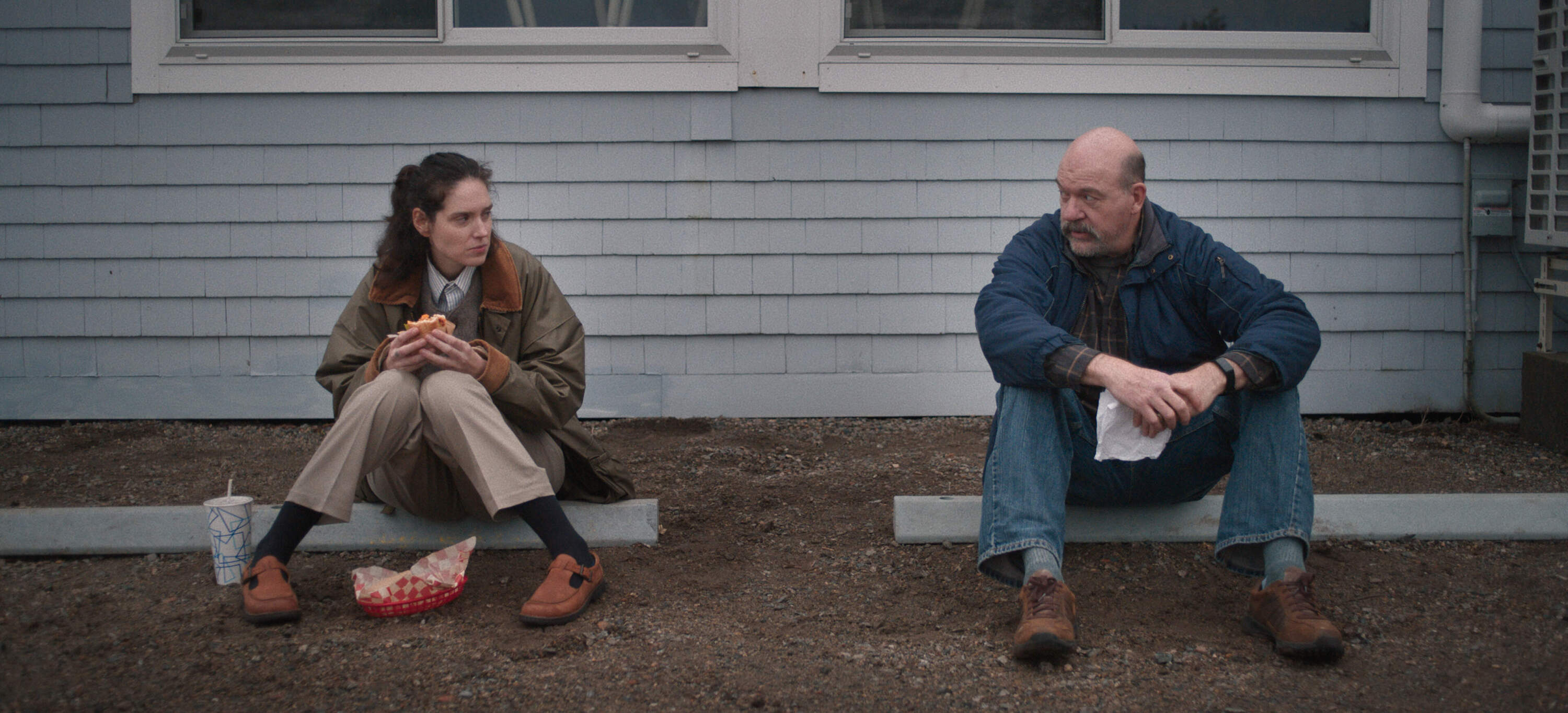
The movie is set in Maine but was shot locally on the North Shore, mostly around Ipswich and Essex. The latter town’s landmark J.T. Farnham’s Famous Fried Clams became the fictional Sandy Pete’s Sandwiches. In the chapter titled “The Year With the Good Sandwich,” ever-dependable character actor John Carroll Lynch has a small wonder of a one-scene role as Sandy Pete himself, a cantankerous stranger providing a shoulder for Agnes at one of her lowest moments. It’s a beautiful scene, full of humor and hope in spite of the circumstances. The whole movie’s like that.
“Sorry, Baby” opens Friday, July 4 at AMC Boston Common and the Coolidge Corner Theatre.