Support WBUR
Where Wu and Kraft stand on housing issues
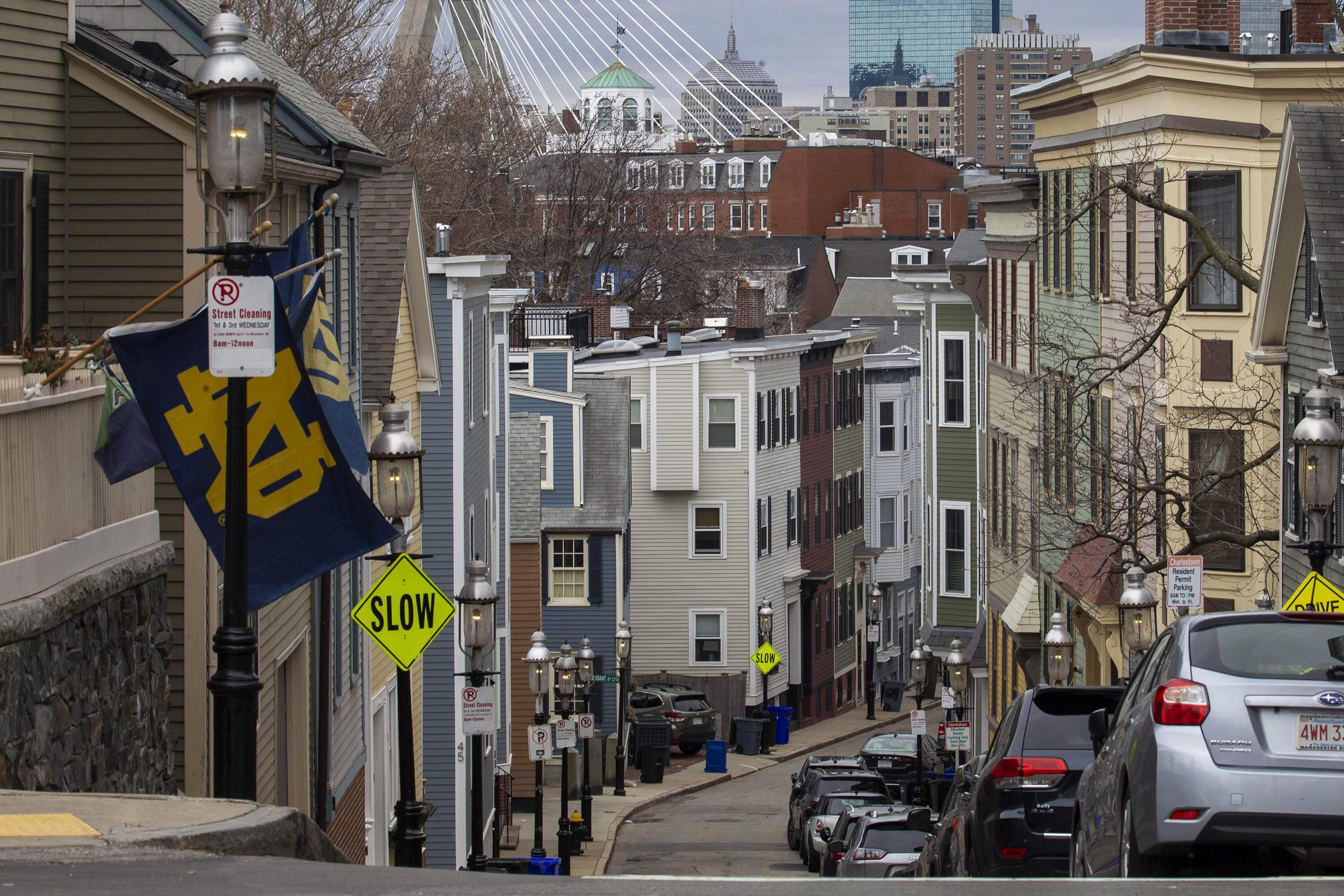
Housing has become a defining topic in the Boston mayor’s race. The median price listing for a single family home in the city is nearly $900,000, according to realtor.com, and median prices have surpassed $1 million in Greater Boston overall.
Incumbent Mayor Michelle Wu and challenger Josh Kraft sparred Tuesday over how to build more housing — specifically more affordable units for renters and owners — at a Roxbury-based forum hosted by Massachusetts Affordable Homeownership Alliance.
A Saint Anselm College poll from April found Wu “dominates” among voters who prioritized affordable housing (49%-14%) as their top issue. Her campaign says she’s “created more affordable housing and helped more families become homeowners than in any other 3-year period in the last 20 years,” an assertion that Kraft disputes.
Here are some key housing policies that distinguish Wu and Kraft:
Affordable housing requirements for new developments
Developers building larger multi-family projects in Boston must set aside 17-20% of the units as income-restricted housing. That's an increase from the previous 13% set-aside in the city's Inclusionary Development Policy (IDP).
Wu had championed the increase as a way to bring more affordable units to market. Kraft wants to return to 13%, saying the tougher requirement is a financial disincentive that keeps developers from breaking ground on projects. Going back to the old percentage would help get 26,000 previously approved units built, he said.
“ Right now we're in a housing emergency in this city and in the state,” he said at the Roxbury forum. “We need to produce more housing, and by reducing the IDP number, now we can get more housing into the ground.” At other events, he has taken more direct aim at Wu’s position, telling State House News Service that “20% of nothing being built is zero.”
But Wu stands by her affordable housing minimum, saying that the 26,000 units were approved under the old standard.
“ The reason why housing is not getting built here, or most cities around the country right now, isn't because we just implemented affordability requirements to the right level in October of this last year,” she said. “It's because interest rates are at the highest they've been in more than 20 years. It's because construction costs are being outta whack by President Trump's tariffs and crazy policies.”
Despite those circumstances, according to her campaign, “more than 17,000 housing units have been completed or broken ground, an additional 6,000 residential units are in construction despite the national downturn, and 14,000 units are in the pipeline.”
A luxury real estate sales tax to pay for more affordable housing
Wu and the Boston City Council have repeatedly asked the state Legislature to pass a home-rule petition allowing the city to impose a 1-2% tax on high-end property sales, with the revenue going toward a fund to help build more affordable housing. At the Roxbury forum, Wu said she’s “incredibly frustrated” that the effort did not pass at the State House.
Kraft said he wouldn’t support the fee because it would make construction more expensive and slow development. He advocated for a different path towards affordability.
“When we jumpstart housing across the city and create sources of tax revenue, that money will be committed to first-time homebuyer plans, which include folks in the affordable [area median income] categories,” he said.
But Kraft later said he’d be open to the fee in the future.
“In robust and great financial, fiscal times, this could be something we look at,” he said.
On this point, Wu struck a punch.
" The idea that you would wait and only put a common sense fee on that delivers affordable housing when it's good for developers, makes no sense at all,” she said to what might have been the loudest applause of the night. “ It takes years for these development projects to move forward, and what developers will do is they will say they can't afford it right now, and then when the economy is good, build what they already got approvals for before and then take all that profit.”
“You can't get affordability by unwinding affordability requirements.”
Rent control
In 2021, rent control was a core part of Wu’s campaign strategy. Four years ago, she was the only one of six major mayoral candidates to support it. But there’s a theme here: When she and Boston City Councilors advanced a so-called “rent stabilization” plan in 2023, it died on Beacon Hill.
That version of rent control would have limited annual rent increases on a majority of rentals to either 10% or the rate of inflation plus 6%, whichever was lower.
Kraft, meanwhile, has proposed a 20% real estate tax rebate to building owners who agree to cap rent increases at the rate of inflation plus 5% for 10 years. He said his rent control plan would exclude luxury rentals, and wouldn’t require approval by the state Legislature.
“As opposed to Mayor Wu’s failed push for mandatory rent control, Josh’s approach would create a system that benefits both landlords and renters,” the Kraft campaign website says.
Wu has called his plan “misleading.”
“Rent control means a certain government involvement to ensure that there are protections in place that apply across the board,” she told GBH’s Boston Public Radio in February. “And in fact what our administration had proposed and passed through the city council and [what] was stuck at the State House … would ensure that the worst actors, the predatory increases of more than 10% a year in rents, that those landlords and property owners who were pushing people out with 30%, 40%, 100% rent increases, that there would be guardrails to protect against that.”
Support for first-time homebuyers
Both candidates said they’d continue to fund the city’s discounted mortgage rate program for first-time homebuyers and ensure that at least 20% of new affordable housing produced in the city is for purchase, not rent.
They also both support a city-run affordable housing fund that helps first-time homebuyers make their first purchase.
Mayoral candidates Domingos DaRosa and Robert Cappucci will address housing at a separate alliance forum on August 7. DaRosa has expressed support for the estate transfer tax, rent control, and said he’d like to increase the Inclusionary Development Policy.
“I would like to increase the IDP to 15% for 4-50 units, 18% increase for 51-100 units, any development over 150 should increase 25% and continue to increase in 3% increments in a graduated manner determined by the number of units,” he wrote in a questionnaire from JP Progressives.