Support WBUR
Health department warns of rare bacterial infection linked to Cape Cod beach
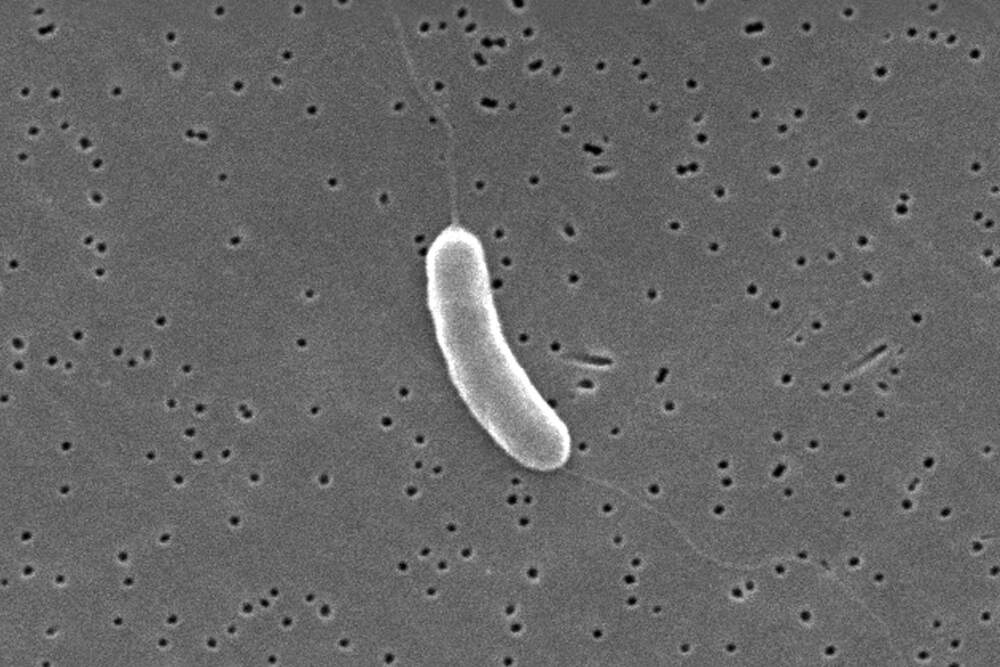
After a person contracted a rare bacterial infection that's likely linked to a Buzzards Bay beach, public health officials are urging Bay Staters with wounds to take precautions around coastal waters and to be vigilant about handling and consuming raw seafood.
The Department of Public Health issued an alert Wednesday about the "extremely rare case" of an individual developing a Vibrio vulnificus infection, which is more common in beaches on the Gulf Coast.
In Louisiana, 20 residents have contracted the infection and four have died this year, according to WBRZ. There have been 16 cases and five deaths in Florida, according to the Florida Department of Health.
Infections can "cause severe, even life-threatening illness," DPH Commissioner Robbie Goldstein said. People are at greater risk of severe disease if they have liver disease, cancer, diabetes, HIV or thalassemia, or are receiving immunosuppressive therapy.
"Vibrio bacteria normally live in warm, salt or brackish waters along the Atlantic coast," Goldstein said. "Heat waves and above-average water surface temperatures create favorable conditions for Vibrio bacteria to grow, making May through October generally the peak season for these bacteria. People with open wounds who spend time in the water, or those who consume contaminated shellfish, can develop an infection when the bacteria enter the body."
In Massachusetts, state health officials say there have been 71 confirmed and probable cases from various Vibrio species this year — with 30% of those individuals hospitalized.
DPH recommends that people with wounds cover them with a waterproof bandage or stay out of coastal waters, immediately wash wounds after contact with coastal waters, and wear protective clothing and shoes. People handling raw seafood should immediately wash their hands to avoid cross-contamination with other food, and be vigilant around consuming raw or undercooked seafood like oysters. The bacteria can also cause gastrointestinal issues, officials say.
People with open wounds who are exposed to warm coastal waters should monitor their symptoms and seek medical care "if they develop fever, chills, dangerously low blood pressure, blistering skin lesions or any redness, pain, swelling, warmth, discoloration, or discharge at the site of the wound," DPH says.