Support WBUR
Local orgs pick up the slack after feds slash suicide hotline funding
For the past three years, LGBTQ+ youth calling the nationwide Suicide and Crisis Lifeline had the option to "press 3" to be connected to crisis counselors specifically trained in the factors that contribute to higher rates of suicide among the community and able to handle higher-risk conversations.
But since the 988 lifeline ended the specialized service for LGBTQ+ youth after the Trump administration decided not to continue funding the program, local suicide-prevention organizations all over the country had to scramble to stand in the gap.
Fall River-based Samaritans South Coast, whose operators answer 988 calls made in Bristol and Suffolk counties, is providing its workers and volunteers more training in culturally competent care to ensure they’re able to deliver for everyone who calls.
Christine Rizza, training and outreach director for Samaritans South Coast, said the loss of the specialized counselors was heartbreaking.
“It wasn’t shocking to me that that happened, but it was very sad,” Rizza said. “It’s a population that really needs a lot of support and to take that away from them and single them out, it was pretty devastating.”
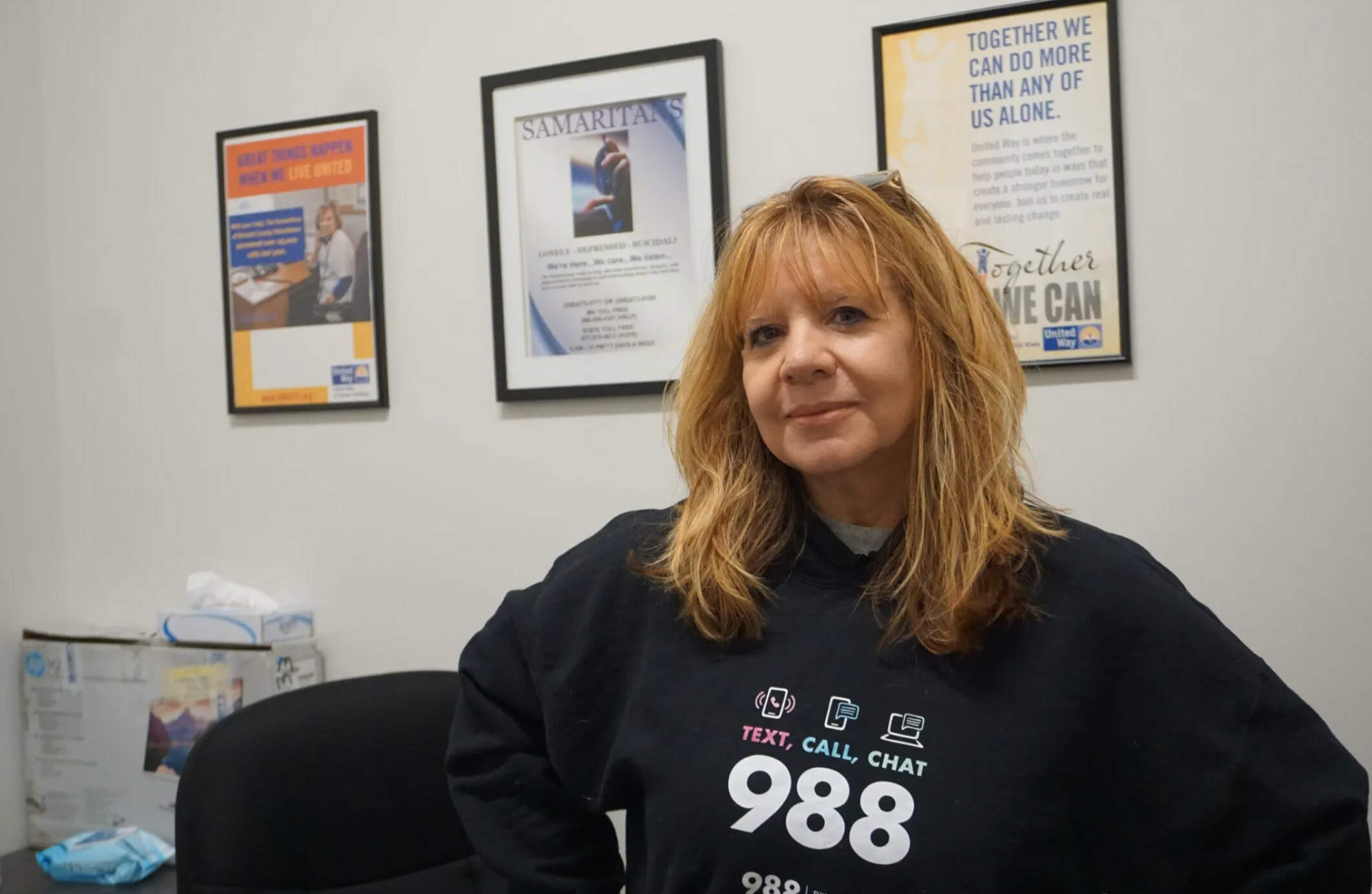
Samaritans South Coast, Rizza said, has augmented its training to better handle an increase in calls from LGBTQ+ youth. In Rhode Island, the administrative director of the 988 Call Center said his group is also increasing training for operators.
SSC already required its crisis counselors, a mix of interns from the community and full-time staffers, to go through a rigorous 40- to 50-hour training regime. Now, they also need to pass new, intensive modules from the Trevor Project, a nonprofit organization focused on LGBTQ+ youth that had previously operated the “press 3” lifeline, to help them better approach conversations with higher-risk populations.
“It went into Black LGBTQ [issues], which we hadn’t really explored before,” Rizza said. “It gave us a Transgender and Non-Binary Youth toolkit. So it’s definitely more robust training in that area.”
The South Coast crisis line had the second-most calls among all lifeline operators in Massachusetts last year, according to Samaritans South Coast Executive Director Darcy Lee, with roughly 18,000 calls. And the closure of Option 3 had an immediate effect.
In the entire 2024-25 fiscal year, Samaritans South Coast answered 42 calls from LGBTQ youth. In less than three months since the closure of Option 3, they’ve already answered 25, putting them on pace to double their call LGBTQ call volume for the next year.
The dedicated services for LGBTQ+ youth provided a welcoming space, Lee said.
“Having ‘press three’ available to them was the first time that they felt truly seen during a moment of crisis,” Lee said. “And so its closure creates a serious gap in affirming, accessible care. So we are filling that gap now.”
Mark Henson, vice president of government affairs and advocacy of the Trevor Project, said his organization still operates a hotline nationwide. But he acknowledges the weight that’s been placed upon local centers.
“It really is a question of how these local centers — and it is always local grassroots people helping people who figure out a way to make it work — [find] the best way possible to help communities,” Henson said. “But it’s a significant burden the Trump administration has put upon them.”
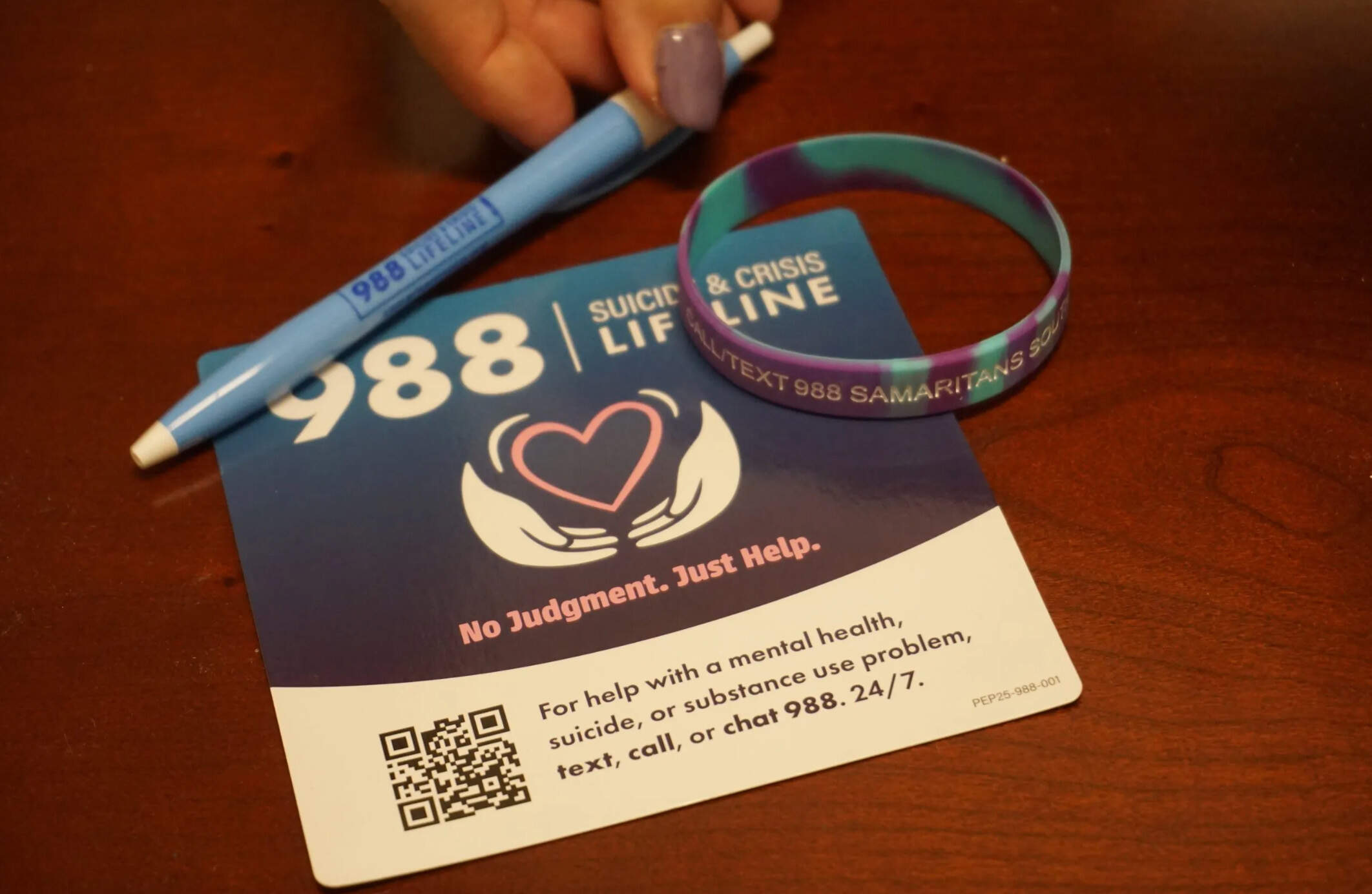
Henson went on to say that in response to the loss of Option 3, the Trevor Project has been trying to strengthen its relationship with local call centers across the nation.
“California announced a partnership for the Trevor Project to train all 500 of its general counselors in LGBTQ+ youth crisis-care competency,” Henson said. “So we look forward to working with Massachusetts, Rhode Island — really anyone, or any entity that comes to us.”
It is too early to tell what the data pattern for LGBTQ+ calls to local centers will look like going forward, Henson said. But he is worried about the potential long-term effects.
“In our national survey, nearly 40% of LGBTQ+ youth seriously considered attempting suicide in the past year. And 84% of LGBTQ+ youth wanted to access mental health care, but of those people, only half of them could,” Henson said. “So the elimination of the ‘press three’ option magnifies that lack of service.”
In the meantime, Samaritans South Coast’s Training and Outreach Director Christine Rizza said local call centers are doing what they can to inform the public that they are still there for them.
“We really are trying to get the word out that, ‘Yes you can still call us. You’re still going to get that caring person on the other end – all the time,’” Rizza said.
Rizza said she hasn’t given up hope that eventually Congress and the Trump Administration could re-start Option Three.
If you or someone you know are in crisis, no matter where you are, call or text 988 to connect with a counselor. Click here for more information on The Trevor Project’s hotline.
This story is a production of the New England News Collaborative. It was originally published by The Public's Radio.
This article was originally published on September 24, 2025.
This segment aired on September 24, 2025.