Support WBUR
Inside the MBTA's aging signal system as it gets a $295 million upgrade
A delay on the MBTA because of a "signal problem" is a regular occurrence. But for many MBTA riders, what that means is a mystery.
Simply put, the signal system is "the intelligence that helps trains move," according to the MBTA's senior director of operations project delivery, Samantha Cotten. It lets train operators know how fast they can drive, and allows the control center to keep tabs on where trains are.
Anything that disrupts the spreading of that information can be labeled as a "signal problem." The T estimates that roughly 30% of delays are caused by aging signals.
To reduce the number of these problems and resolve disruptions faster, the MBTA is in the middle of a $295 million project upgrading the signal system on the Red and Orange lines.
The initiative is the reason behind several service outages on those lines this year.
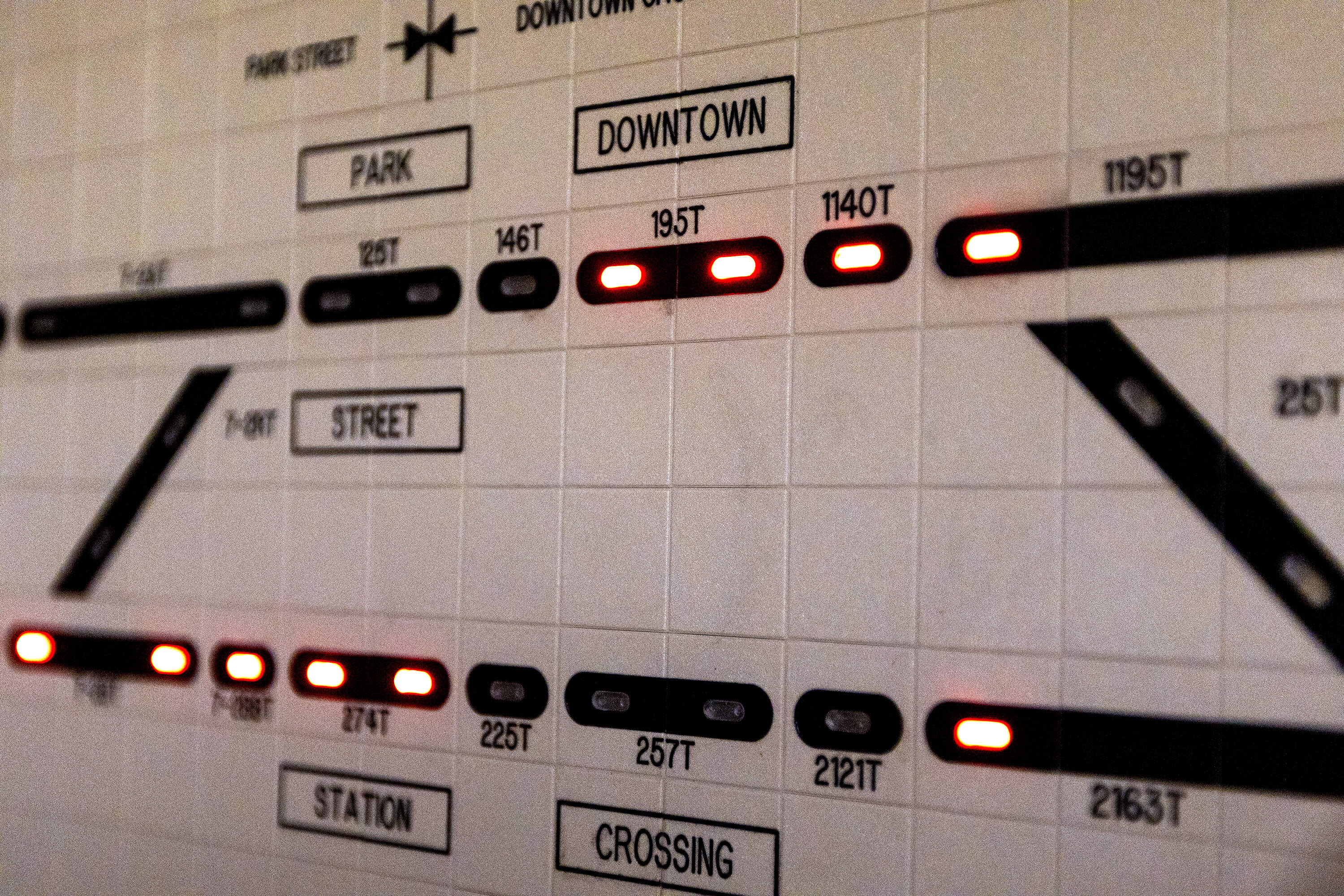
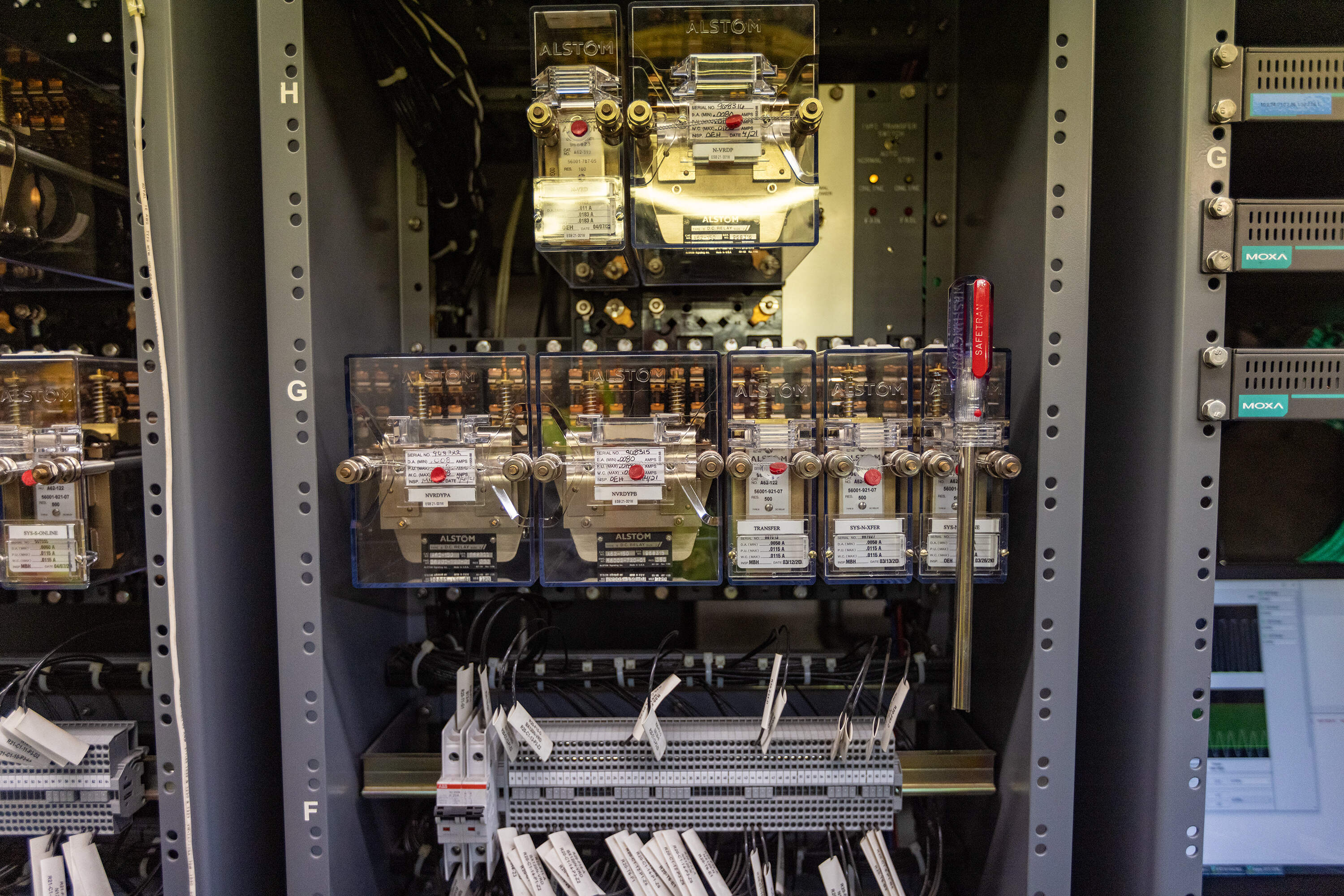
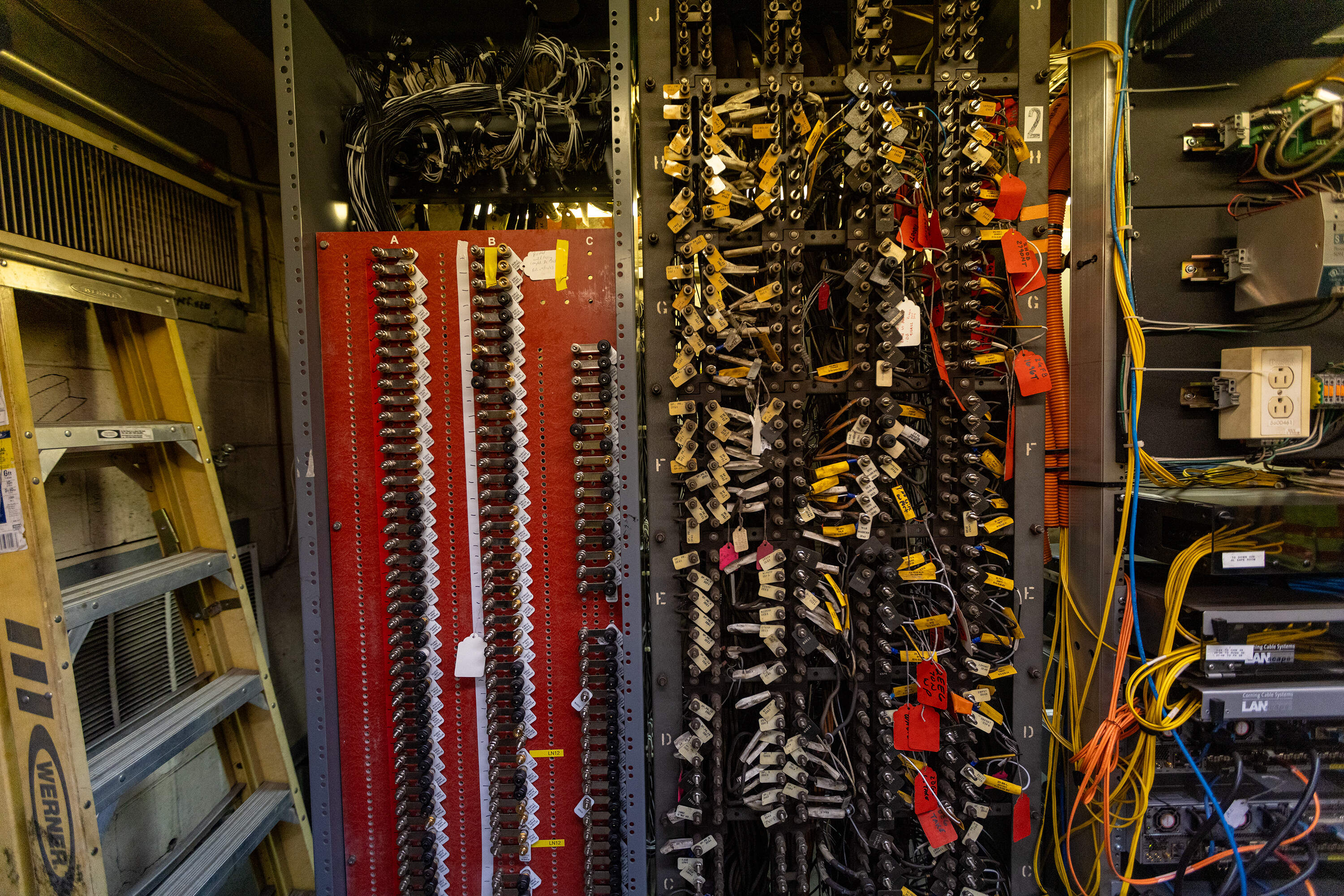
The current signal system is outdated. For decades all the information tracking the MBTA's trains was analog. The system used sound waves, wires and electromechanical relays, which were housed in hubs called signal rooms.
The equipment being replaced on the Red and Orange lines is approximately 50 years old, according to the MBTA.
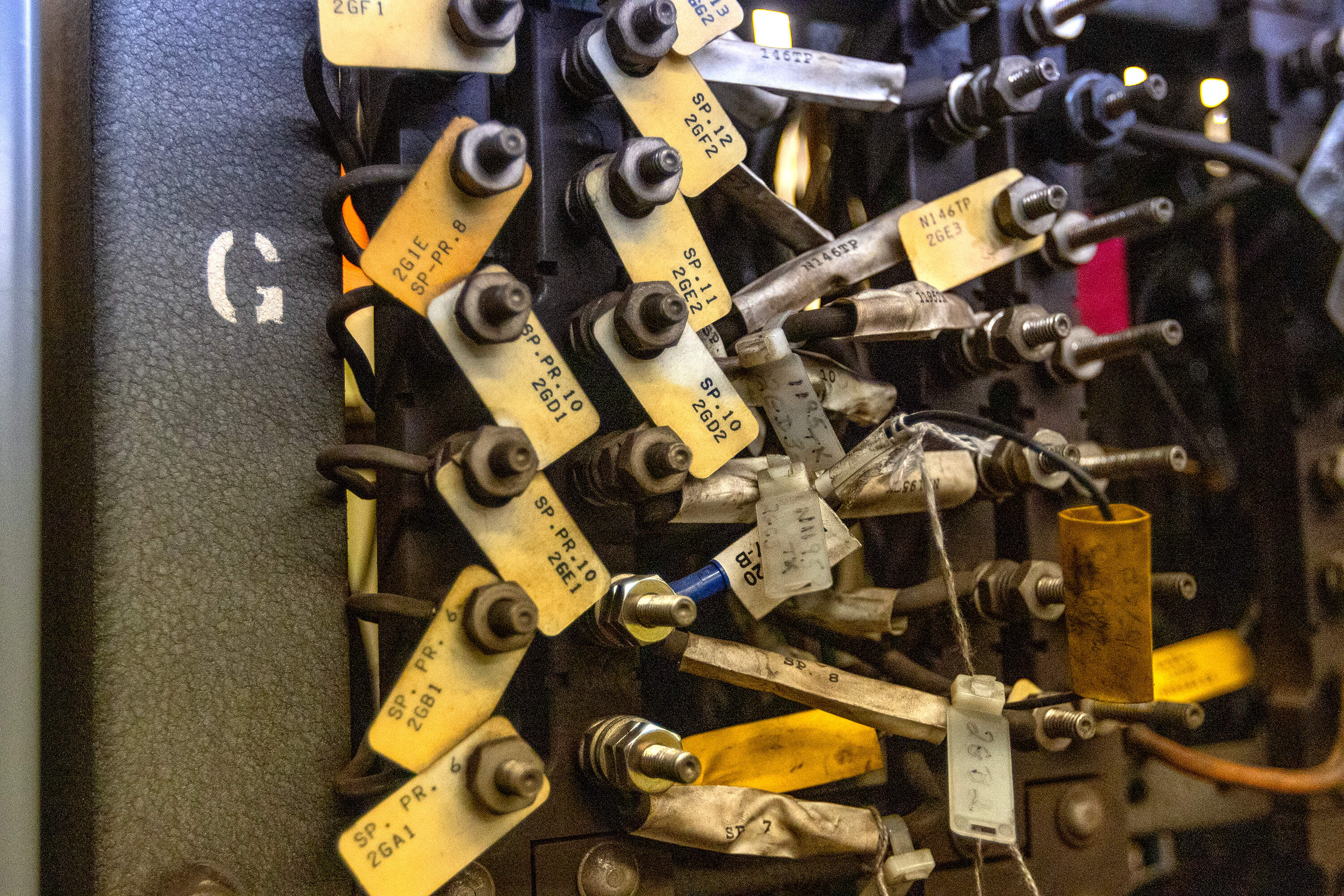
Tom Melanson, the T’s deputy director of signal engineering, said the analog system “became obsolete.” Manufacturers no longer serviced or maintained the aging equipment, and he said the transit authority was at risk of being “in dire straits for an extended period of time” if one of the signal rooms stopped functioning.
The signal system tracks trains' movements; if something interrupts that, like a light doesn’t change to tell a train to move forward when it's supposed to, or a piece of track is broken, the system alerts T staff.
Melanson said the old system required staff to inspect subway lines in person when errors were detected to determine the cause. This meant train service could be halted on a portion of the line for the error to be found and addressed.
The new system will be digital. Microprocessors are replacing the miles of wires and hundreds of relays that were once housed in signal rooms.
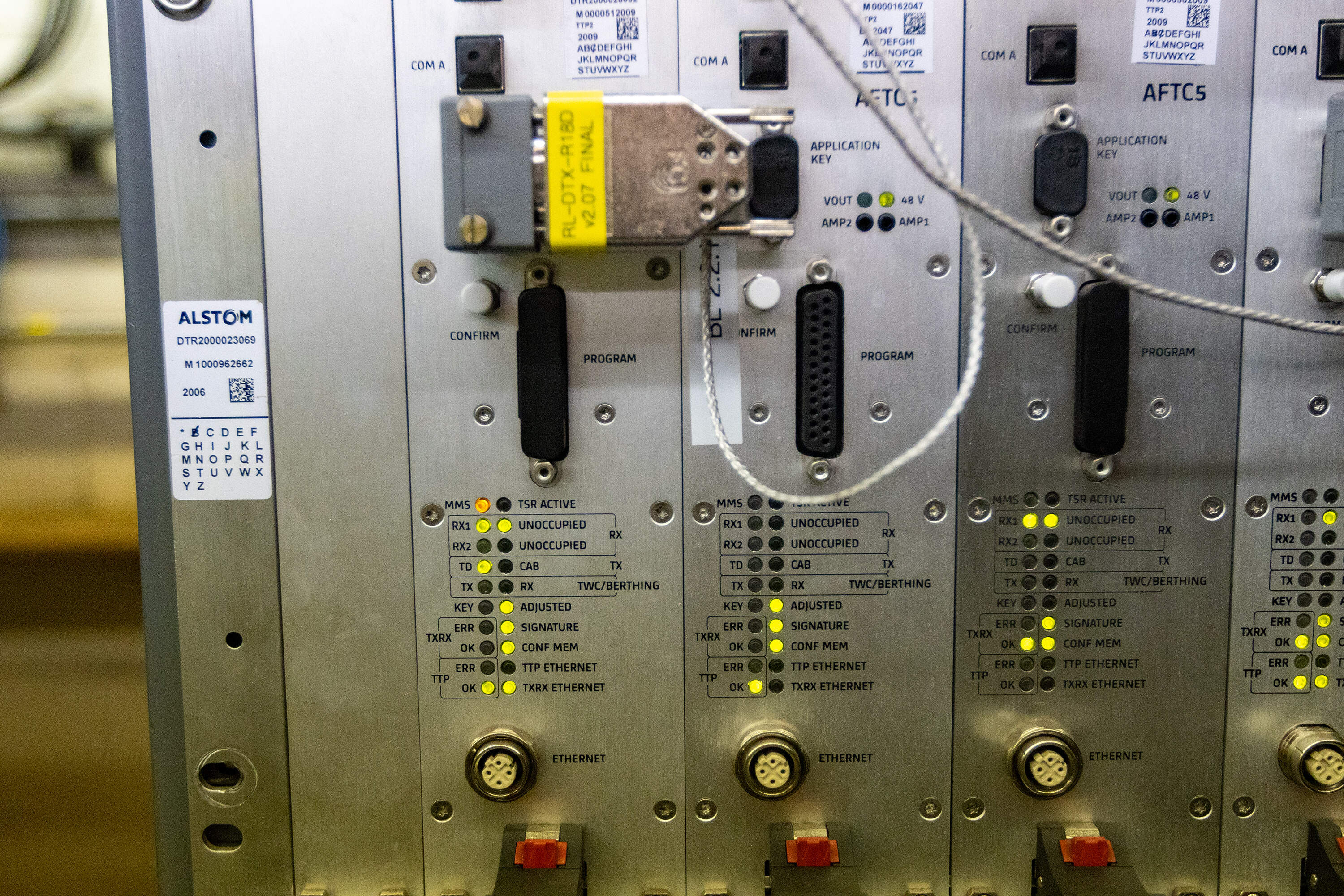
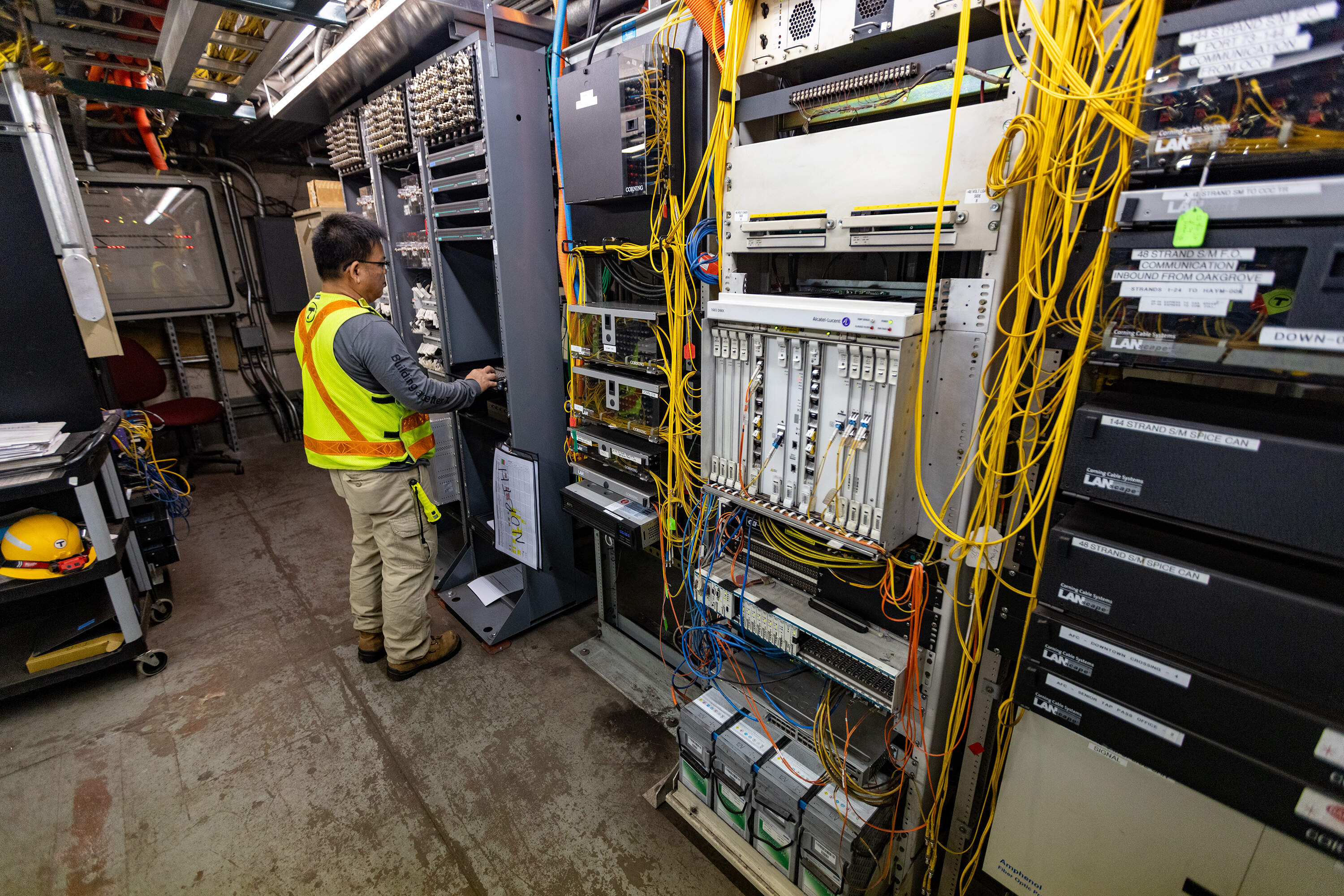
Inside one of the upgraded signal rooms in the bowels of Downtown Crossing station, the buzz of computers muffled the screeching trains.
Microprocessors with blinking green lights sat on a handful of racks. Melanson explained that the units communicate to each other through the train tracks.
“If there's a train out there, it interrupts that communication,” he said. “So therefore, the system knows, ‘Oh, there's a train there now’.”
The new system lets staff know the exact location of a disruption and the cause, which means problems are resolved faster. The transit authority claims the modernization of the signal system allows the T to more reliably track and move trains and reduce the number of errors and delays.
While the T continues to upgrade the system on the Red and Orange lines, riders can expect a few more disruptions to regular train service in the coming months.
MBTA rider Guido Milian, of Jamaica Plain, said his commute on the Orange Line has been replaced by shuttle buses several times this last year due to signal-related work. When service resumes, he said he doesn’t notice a difference in the quality of his trip, so it’s hard to know what got fixed.
“Maybe I have to pay attention," he said. But, he added, he wishes the T gave riders more information about what, specifically, it's working on that causes delays.
One thing the new system won’t do is eradicate train delays entirely due to signal problems.
Melanson said a "signal problem" is a “catchall phrase” the T uses for whenever the signal system flags an issue. He said there could be “hundreds of different reasons,” such as a light not giving a train the all clear to move along.
A spokesperson for the T said signal upgrades have been completed on 67% of the Orange Line and on 88% of the Red Line. The transit authority expects the work to be done on both lines by December 2026.
This segment aired on October 3, 2025.