Support WBUR
Boston's Weekly Health Newsletter
How pediatricians are taking on increasing childhood vaccine hesitancy
Editor's Note: This is an excerpt from WBUR's weekly health newsletter, CommonHealth. If you like what you read and want it in your inbox, sign up here.
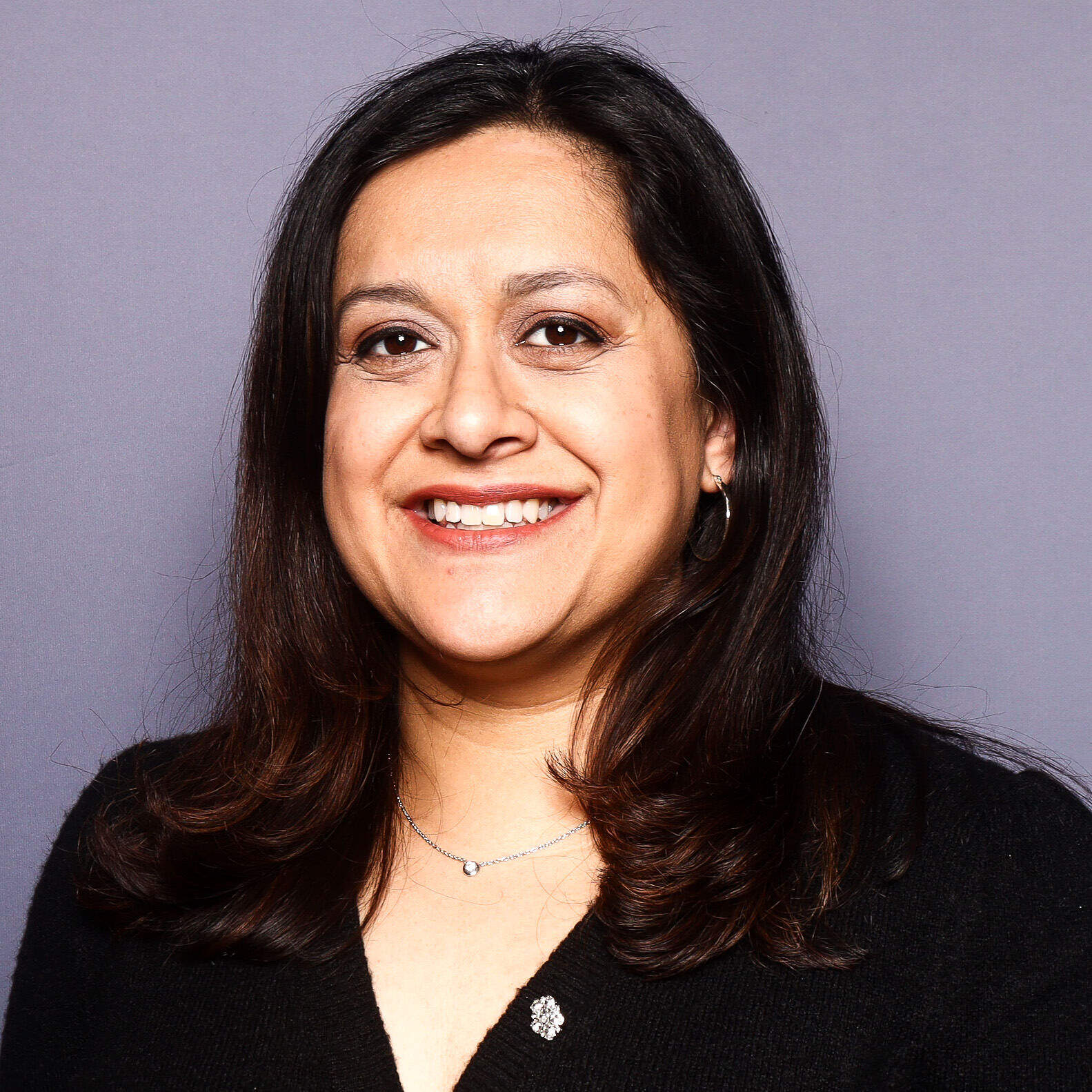
When a parent asks Dr. Brenda Anders Pring whether they should give their child shots to protect against measles, hepatitis or another vaccine-preventable disease, she is ready with the studies and data to make her case.
Pring tells patients about the overwhelming evidence that vaccines are safe and effective for the vast majority of people. And she’s quick to share what she decided to do with her own children, who are now 14 and 16.
“ They got their shots, and they're fine,” she tells patients. “And I'm happy now that I don't have to worry about them getting measles.”
Pring is president of the American Academy of Pediatrics’ Massachusetts chapter. She and other pediatricians told me that more and more patients are asking questions about vaccines — and a growing number are opting against routine immunizations because they’re worried about side effects or don’t trust the science.
Doctors attribute this growing skepticism at least partly to the Trump administration’s health care policies and statements questioning vaccines’ safety — despite evidence to the contrary.
About 16% of American parents and guardians have delayed or skipped at least one vaccine for their children (other than the flu and COVID shots), according to a KFF-Washington Post survey last month. Among Republicans who identify with Trump’s “Make America Great Again” movement, the figure is 25%.
Additionally, the share of Republican-leaning parents skipping vaccines has been on the rise, according to KFF.
Dr. Alexy Arauz Boudreau, who sees patients at Mass General’s health center in Chelsea, said she worries about children who could become seriously ill or even die because they’re unvaccinated.
Vaccines, she said, are the cornerstone of her work as a pediatrician.
“It is something that we talk about on a daily basis [with patients],” she said. “We all have taken an oath about never harming our patients when we become physicians. We all take that quite seriously.”
Pring, who sees patients in Boston, recalled staying at work late one recent Friday to talk to a family who did not want to inoculate their infant against hepatitis B. The parents said they didn’t know what was in the vaccine. So Pring found them a list of ingredients.
It wasn’t enough to convince the parents that day. But Pring said she’ll continue having these kinds of conversations.
“Parents are stuck in a situation where they’re hearing so much different noise, and we want to help,” Pring said. “We want to do the best thing for the child.”
You can read and listen to more of our coverage on this topic in the weeks ahead.