Support WBUR
Survey: parents need and want more after-school programs in Massachusetts
Four out of five Massachusetts families surveyed want after-school care for their kids, but aren’t getting it.
That’s the big takeaway from a new nationwide report out this month from the organization America After 3PM. The 700 families surveyed in the state cited high costs, lack of available program slots and unreliable transportation as some of the major barriers.
Patrick Stanton is the executive director of the Massachusetts Afterschool Partnership, which advocates for better after-school programming. He said these barriers are in line with what his organization has heard from providers and families.
“From providers we find a constricted amount of resources, the inability to offer services that they want to offer,” Stanton said. “And on the family side, they just can't find after-school programs that are operating and have access, like seats available for them.”
Thursday in Massachusetts will mark the 26th annual Lights on Afterschool, a nationwide event celebrating the importance of after-school programs to kids and their families. There are events for kids across the state including Somerville, Framingham, Pittsfield and Worcester.
There are dozens of after-school programs in communities across the state, from homework help to science or math clubs. Girls Inc. of Worcester has nearly two dozen programs that serve roughly 100 girls and young women in the central and MetroWest areas of the state.
“ When you think about the folks that are not accessing the programs, those are the neediest families, and those are typically the ones that may have extra needs."
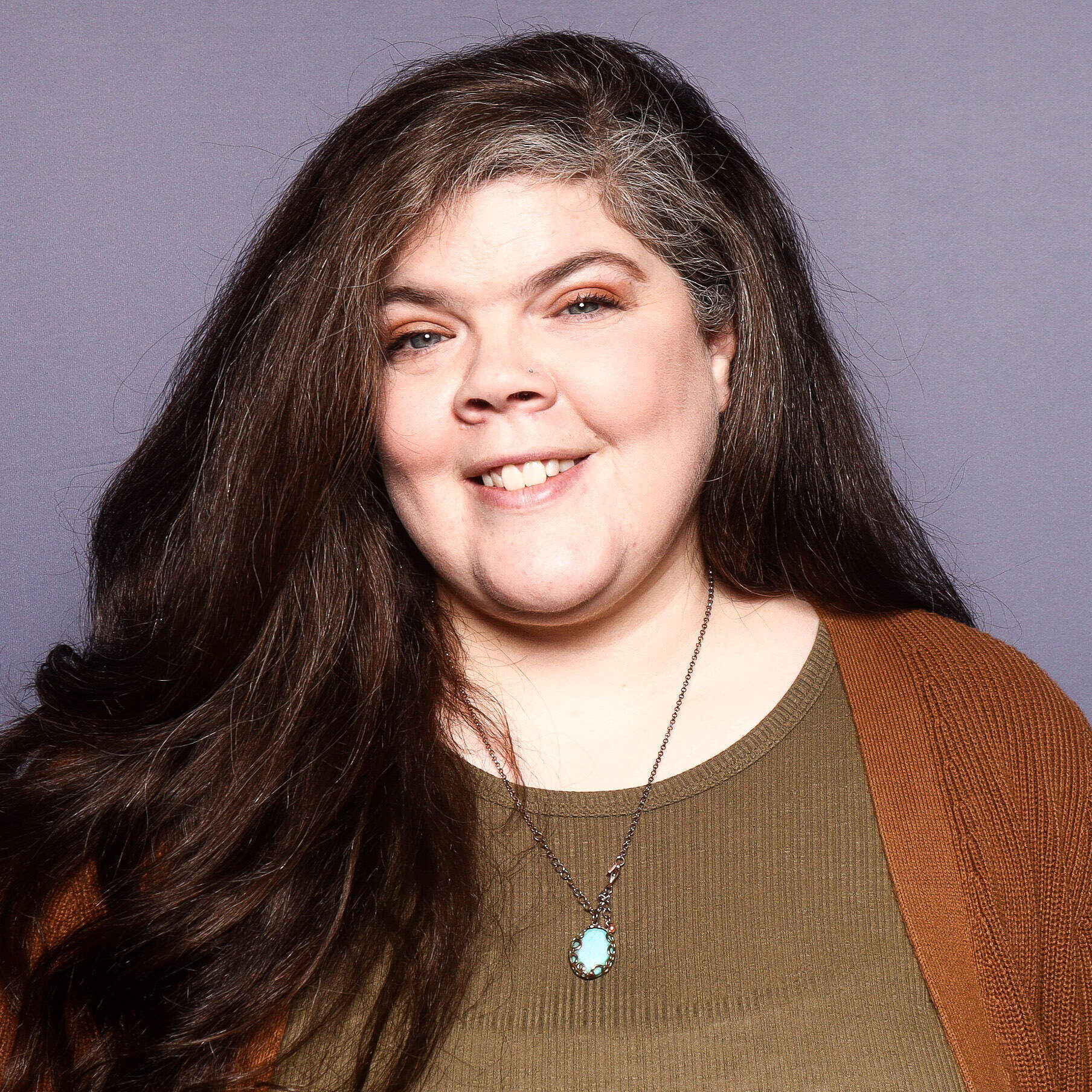
Tiffany Lillie
“ When you think about the folks that are not accessing the programs, those are the neediest families, and those are typically the ones that may have extra needs,” said Tiffany Lillie, CEO of Girls Inc. of Worcester.
Lillie said her organization has worked hard to increase access by offering more financial aid opportunities for families and working with school districts to arrange transportation to their programs.
Still, each kid and family has different needs and different barriers, she said, which can make solving them all difficult.
“Honestly it feels like an obstacle course,” Lillie said. “You see this entire ecosystem contributing to it, which I think makes it even more complex at times.”
Massachusetts is among the states with the highest demand for these after-school programs. Surveyed parents said these programs help them work more hours and reduce stress because they know their children are safe.
But the cost can be prohibitive for many parents. Stanton said the average family in the state pays $5,500 per year for after-school programming.
Chris Smith, executive director of Boston After School & Beyond, said these programs are essential for kids.
“ They help young people develop skills such as critical thinking and problem solving, communication, teamwork, and perseverance skills that are not necessarily taught in school, but that pay off in school performance,” Smith said.
Lily Diaz knows the benefit of after school activities. Two years ago, she enrolled three of her kids in after-school programs through Boston After School & Beyond. Post-pandemic, she said she wanted them to have extra learning sessions while she did her own homework as a full-time college student.
Now, her kids are excelling in school, and she's about to graduate with two bachelor’s degrees and is heading to law school. She’s also now working full-time for Boston’s Higher Ground, coordinating its after-school programs.
”It helped a lot with just getting them out of the house and giving me that time for me to be able to focus on my studies and just finding employment and that financial stability,” Diaz said.
The demand for these programs has also risen in Massachusetts since the pandemic, according to the After 3PM report.
“You had higher behavioral health issues, higher social emotional learning issues, you know, schools saw a real drop in attendance,” Stanton said.
But it’s not just the pandemic that has increased the need for these programs. Joe Hungler, the Boys & Girls Club of Greater Lowell executive director, said the programs offer a place for students to feel safe and to be themselves.
“ I think that that's really extra important these days when regardless of where you sit politically — there's just a lot going on in the world today,” he said.
“Sometimes people end up in situations where the default doesn't feel like you're welcome and we wanna make sure that every kid who walks through our doors feels welcome,” Hungler said.