Support WBUR
Mass. wants to transform rural health care. But it needs the feds to help fund it
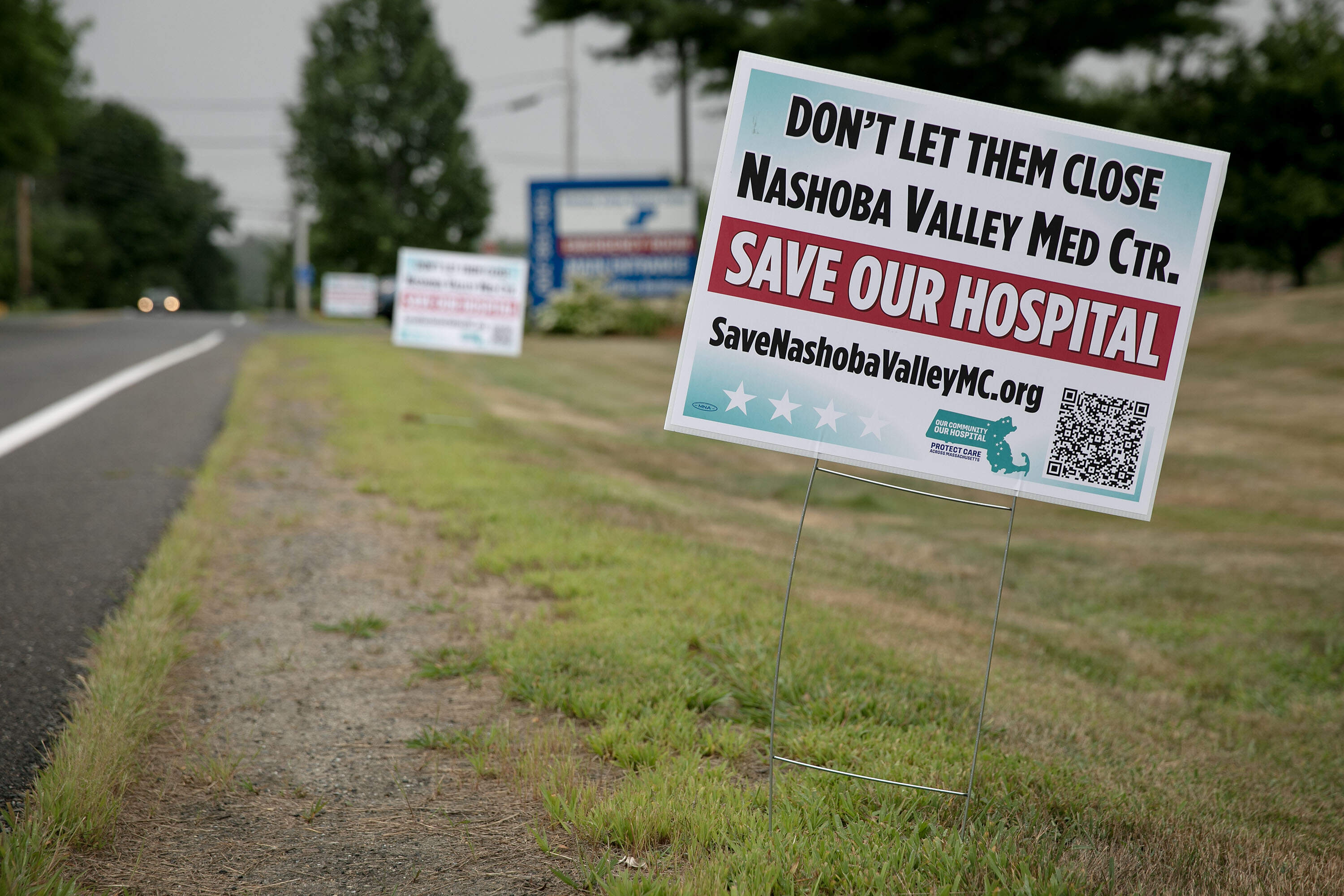
In about six weeks, all 50 states expect to learn whether they’ll receive part of a $50 billion federal fund for rural health care. The money, from the Rural Health Transformation Program, was set aside by Congress to help prevent hospital closures as Medicaid cuts take effect.
Massachusetts has requested $1 billion from the fund to expand telehealth and home-based care, shore up the rural health care workforce and fund hospital, nursing home and clinic renovations.
“We’re thinking of a radical and fundamental change in the health care delivery system in rural areas,” said Dr. Kiame Mahaniah, the state’s secretary for health and human services.
The Massachusetts application envisions mobile health care units that bring medical tests to isolated residents and dispense medicines. It would enlist paramedics and EMTs for routine chronic disease management and other non-emergency care. The state is exploring ways to make it easier for nurses and other health care workers to begin their training as early as high school. Patients could have their blood pressure and blood sugar monitored by specialists in Boston. The plan also calls for connecting more rural clinicians to the state’s health information exchange.
Rural health leaders who reviewed the proposal said there are lots of potential pitfalls. Internet and cell phone coverage is still spotty in many rural areas. The state would have just five years to make many of the ambitious changes it envisions. And, they said, it's not clear if the state can create the right housing and other incentives to lure or retain nurse practitioners, physician assistants, dental hygienists and pharmacists to Cape Cod, central and western Massachusetts.
The biggest question is how much money Massachusetts may get. Half of the $50 billion federal fund will be divided among all states whose applications are approved. The other $25 billion will be distributed at the discretion of the Centers for Medicare and Medicaid Services using criteria that do not favor Massachusetts.
There are strict limits on how the funds can be used. No more than 15% can be used to pay health care providers, and there’s a 20% cap on building construction and renovations.
Eliza Lake, who managed the state’s application with input from 140 stakeholder groups, said she’s optimistic about getting the funds.
“CMS wants transformational change,” said Lake, the Healey administration’s director of health policy and strategic initiatives. Massachusetts will deliver that, she said, and “by allowing people to have more control over their health care, we expect to have improved quality of care and control health care costs.”
It’s a system that needs help, according to data shared in the federal application filed by the Healey administration. More than half the state, 57%, is considered rural. In 2014, Massachusetts had 11 rural hospitals. Now there are six, and only three offer maternity care. There are just 25 pharmacies spread among the state’s 160 rural communities.
Nearly half of the state’s rural residents, 47%, are on Medicare or Medicaid. They are older, on average, than residents in suburban and urban areas and more likely to have a chronic illness like high blood pressure or diabetes.
“We have over 700,000 rural residents — 10% of the population — that has significant disparities in their care because of the lack of access to health care,” said Dr. Damian Archer, CEO at Outer Cape Health Services.
In outer Cape towns, 43% of residents have high blood pressure, compared to just 29% in non-rural areas of Massachusetts.
Archer calls the state’s application impressive. Some of the proposals, though, have a history of mixed results. The state says mobile health units, for example, would save money by helping patients avoid a visit to the emergency room. But one mobile clinic in the Berkshires closed because it wasn’t cost effective, said Berkshire Health Systems CEO Darlene Rodowicz.
“When you get into some of the communities you might only see four or five people for the day,” she said. “So we’re more interested in telehealth. Assuming you have adequate broadband, can we reach you in your home?”
If Massachusetts does not receive the full $1 billion, rural health care leaders want to know what the state will prioritize. Rodowicz said her network needs a stronger, more stable workforce. Phoebe Walker, director of community health at Franklin Regional Council of Governments, said she hears from people who can’t get to one of the county’s five pharmacies or can’t open their online medical accounts because they don’t have cell service to confirm their identity.
“It’s physical access and technology access,“ Walker said, “Both are really big issues.”
John Meaney, the general manager of Northern Berkshire EMS, praised the state’s plan to use EMS teams for a wider range of medical care.
“Many EMS professionals are eager for roles that go beyond emergency response and allow them to help patients before crises occur,” he said. “At the same time, there is some understandable wariness, mainly related to workload, staffing shortages, and concerns about taking on new responsibilities without guaranteed support.”
Under the proposal, Massachusetts might use rural paramedics to respond to mental health crisis calls, and determine whether patients can get help through telehealth, a community behavioral health clinic or an emergency room. Rural communities see 30% more ER visits for mental health than other areas of the state.
Rural residents deal with more overdose deaths as well. Lydia Conley, president of the Association of Behavioral Health, said she likes the state’s plans to offer more mobile addiction treatment and remote appointments, and build the therapy workforce.
“The disproportionate impact of the opioid epidemic on rural communities has been heartbreaking,” Conley said. “So the focus on access to medications for opioid use disorder will be an important component.”
Even if Massachusetts receives the full $1 billion requested, it won’t offset the effects of all of the coming Medicaid cuts. One analysis found the fund will offset about 37% of the hits nationwide.
Still, Mahaniah said the potential benefits for rural Massachusetts could be enormous. He imagines residents training for health care jobs in their communities and staying there to build careers and boost the local economy.
“One of the lasting impacts of the rural health fund is going to be many more economic opportunities for people in communities that qualify for this,” said Mahaniah. “There will be a direct infusion of money.”
The Trump administration is scheduled to announce how the funds will be distributed on Dec. 31.