Support WBUR
Boston's Weekly Health Newsletter
Some Mass. hospitals at capacity as flu surges; and, remembering Stuart Altman
Editor's Note: This is an excerpt from WBUR's weekly health newsletter, CommonHealth. If you like what you read and want it in your inbox, sign up here.
I hope the past few weeks included some lovely time with friends and family. And I hope you’ve avoided the flu. There’s certainly more of it going around lately, and as Massachusetts Public Health Commissioner Dr. Robbie Goldstein said yesterday, “this is a moment for clarity, urgency and action.”
State officials revealed this week that four children have died, and there have been 29 flu-related adult deaths so far this winter. Goldstein urged anyone who has not yet received a flu shot to get one. Right now, only about a third of Massachusetts residents have been vaccinated against the flu.
Unfortunately, this season’s vaccine is not a great match for the most active strain, but doctors say it still helps reduce your chances of a serious bout with the flu or a hospital admission.
Rising emergency room visits and hospitalizations are stretching the state’s ability to meet the moment.
“The hospital is already at capacity, and we are very much stretched to our limits,” said Dr. Erin Beaumont, who leads the emergency department at Newton-Wellesley Hospital. ”Unfortunately, I think we’re probably just at the tip of the iceberg when we’re talking about this surge.”
State numbers show flu cases have been spiking statewide for at least two weeks. Last year, a similar surge lasted more than two months. Beaumont worries other respiratory illnesses — like COVID-19 and RSV — will mount before flu wanes.
Here’s what Beaumont is seeing this week: older patients who’ve become too weak and dehydrated to move, patients with asthma, COPD or other lung ailments who need oxygen support and children with lingering high fevers, nausea and diarrhea.
Beaumont warned that anyone who needs hospital care in the coming weeks should prepare for long wait times in the ER and more care in hallways. Flu and other respiratory viruses are especially difficult to manage because while the number of patients rises, fewer beds are available beds. Double rooms become singles to avoid transmission.
If you experience chest pain, shortness of breath or dehydration, Beaumont said do not hesitate to go to an emergency room. But if you are looking for a flu test or a flu treatment like Tamiflu, start with your primary care provider or visit an urgent care center.
As I write, I’m thinking of new ways to remember to wash my hands — often — to avoid getting sick. Dr. Larissa Lucas, a medical advisor for the Massachusetts Senior Care Alliance, reminded me there’s an even more important reason to be vigilant. For my frail friends and loved ones, getting the flu or another respiratory virus can be a life-changing event.
They might get dizzy or fall, break a hip or hurt their head.
“These viruses can cause all sorts of cardiovascular complications,” said Lucas. “For elders, it’s not as simple as just a week in bed like you and I might experience.”
Lucas said if you’re coughing or sniffling, don’t visit nursing homes and steer clear of older folks in supermarkets, libraries or at public gatherings.
In closing today, I want to take a moment to say goodbye to a valued friend, source and, in my opinion, a national treasure. Stuart Altman died on New Year’s Day in North Carolina. He was 88. He very nearly changed the course of health care history in this country.
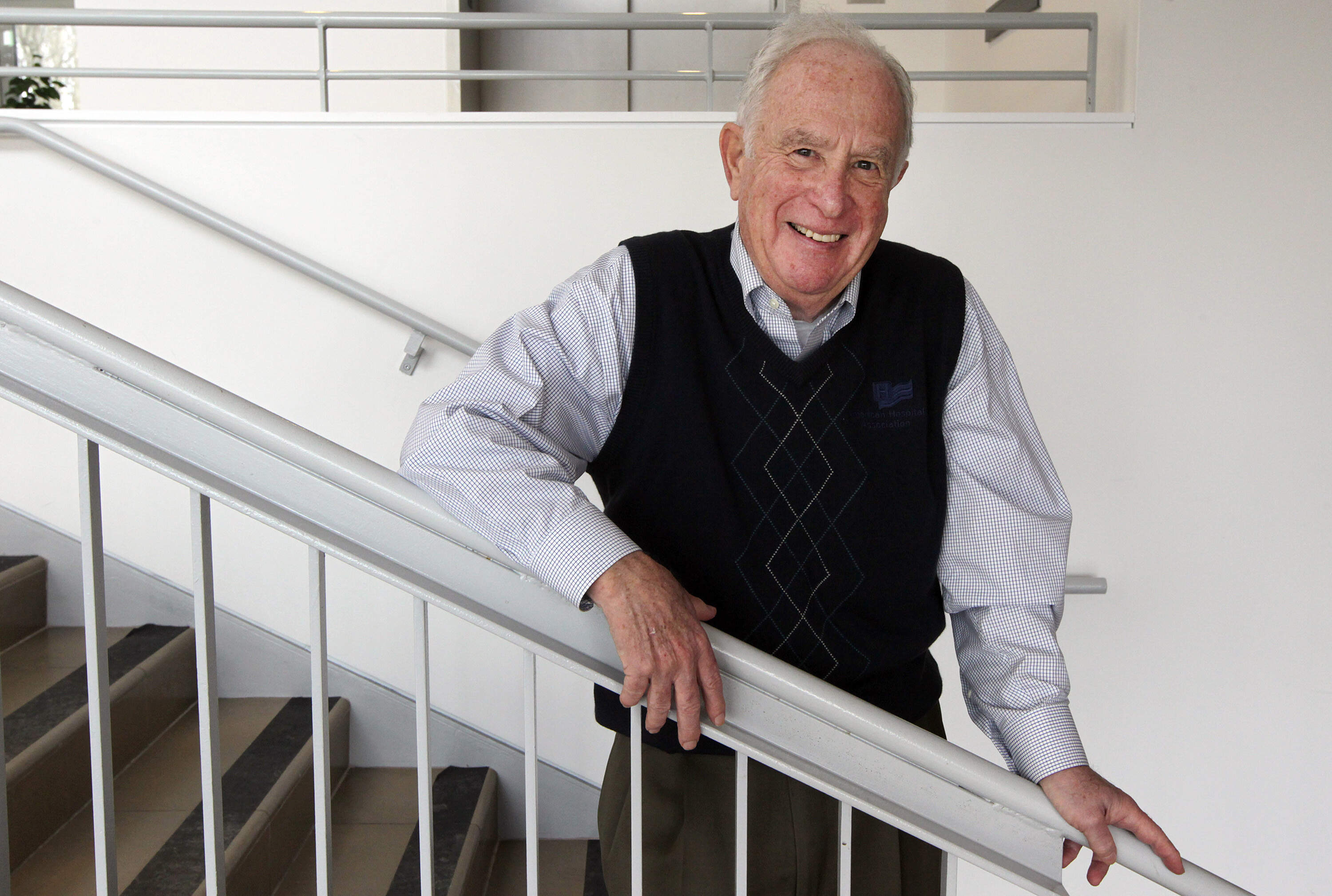
In the 1970s, Altman was in his early 30s and an economist working in the Nixon administration. He didn’t know much about health care, but he was assigned to work on a national health insurance bill.
Altman showed the negotiation and drafting skills that would make him a national leader. He crafted Nixon’s Comprehensive Health Care Plan. Its goal was to provide health insurance coverage to every American.
“This was no little plan,” Altman told a University of Virginia oral history project. “It would expand employer-based insurance; it would mandate that every employer had to provide it; it would have government continue Medicare and expand Medicaid. And in many respects, people say, ‘We only wish we had CHIP today.’ ”
But all the research, negotiations and political maneuvering that would have finally given the U.S. universal health coverage fell apart when a key congressman was caught drunk with a mistress.
Altman didn’t give up, and he never lost his sense of humor. Years later, he still chuckled about the Wilbur Mills sex scandal that rocked Washington, D.C. in 1974.
Altman spent the next 50 years plugged into pretty much every significant effort to do what he’d started. He stayed open-minded and curious about the possibilities. In 2012, then-Massachusetts Gov. Deval Patrick appointed him chair of a brand new Health Policy Commission tasked with controlling health care costs without harming patients.
There’s more on his many accomplishments in this tribute from Brandeis University, where Altman taught for nearly five decades.
It was an honor to know Stuart Altman. He leaves a huge hole at a time when we are desperate for health care leaders with wisdom and credibility. He mentored and inspired hundreds of people still at work today. I hope his spirit will endure