Support WBUR
Study: Wood smoke makes up more than third of Boston's air pollution in the winter
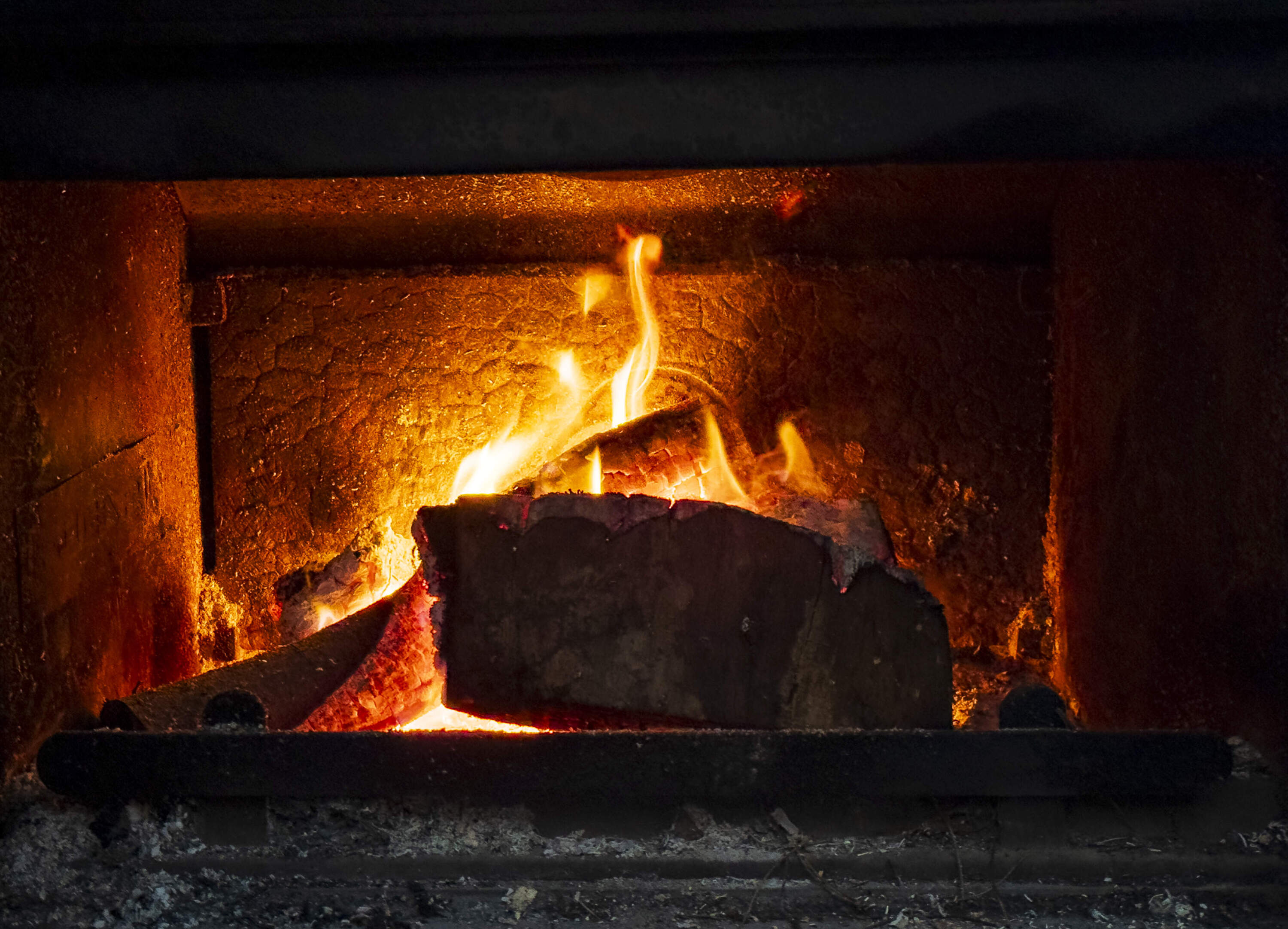
Each winter, some Bostonians must head to a cabin in the woods to enjoy sitting by a fire. But, a new study finds the pollution from burning that wood comes to you.
Researchers at Northwestern University released a study last week that found far more wood smoke from rural areas gets blown into cities during the winter than previously believed, where it poses significant health risks.
In Boston, the hazardous fine particles released into the air from wood burning make up a whopping 35% of overall pollution in the city, the study found.
Researchers used data from the National Emission Inventory and meteorological records to estimate wood burning exposure levels in cities across the nation. Their mathematical models tracked where wood smoke was emitted and where the winds were likely to have taken it, according to Kyan Shlipak, lead author of the study.
He said the smoke affecting Boston was mostly burned in city suburbs to its west and south.
“ [Burning wood is] not something that a ton of people do, but it causes a lot of the pollution."
Kyan Shlipak
Shlipak said the study found city residents suffered the most. Before the results were in, he expected exposure to wood smoke would be a bigger problem for rural populations.
“ But once you shoot something up into the atmosphere, it doesn't just stay there,” he said. “The pollution transports.”
Very few American homes — just an estimated 2% of them — burn wood as a primary source of heat. Yet nationwide, more than a fifth of air pollution comes from wood smoke, the study concluded.
Shlipak said the study's results mirrored other measurements of wood smoke pollutants taken in various parts of the nation.
Uneven health impacts
Smoldering wood releases pollutants 30 times smaller than the width of a strand of hair. These fine particles can be inhaled or enter your bloodstream, and the air pollution they create has been linked to asthma, lung cancer and even non-respiratory illnesses like diabetes and dementia.
The Northwestern study estimated that around 8,600 people die from problems linked to inhaling wood smoke. And, it noted that some demographic groups face disproportionate harms from pollution generated by burning wood.
Black people, the study's model projected, would likely face worse impacts from the pollutants because of greater rates of underlying health risks, like asthma and other cardiovascular diseases. And, the study noted, they are more likely to live in cities that expose them to worse pollution.
The study estimated Black people would experience an about 8% higher rate of wood smoke-related mortality than the national average. For non-Hispanic whites, on the other hand, the study said that rate was roughly 4% lower than average.
Jonathan Levy, chair of the Department of Environmental Health at Boston University’s School of Public Health, was not involved with the study. He described it as "very well done," and said the results surprised him.
He said he often thinks of the major contributors to urban pollution as problems like fumes from trucks or power plants. But, he said efforts to regulate those sources could have helped shrink their effect.
Earlier this month, the Trump administration announced the Environmental Protection Agency would stop recording the impacts of its regulations on fine particulate matter, arguing its calculations were not precise enough.
Levy said the Northwestern study shows the administration’s stance is misguided and shows that what the administration says "can't be done," is "being done carefully."
Shlipak said he hopes lawmakers will work to regulate wood smoke.
“ [Burning wood is] not something that a ton of people do, but it causes a lot of the pollution,” he said. “So when it comes to managing air quality and trying to reduce air pollution, this might be one of those opportunities where you get a lot of bang for your buck.”
In the meantime, Shlipak said people can take steps to reduce their wood burning emissions. He recommended ensuring wood is properly dried out before burning, updating wood furnaces or switching to a greener heat source like a heat pump, if finances allow.