Support WBUR
Boston's White Stadium rebuild will cost taxpayers $135M, nearly 3 times an earlier estimate
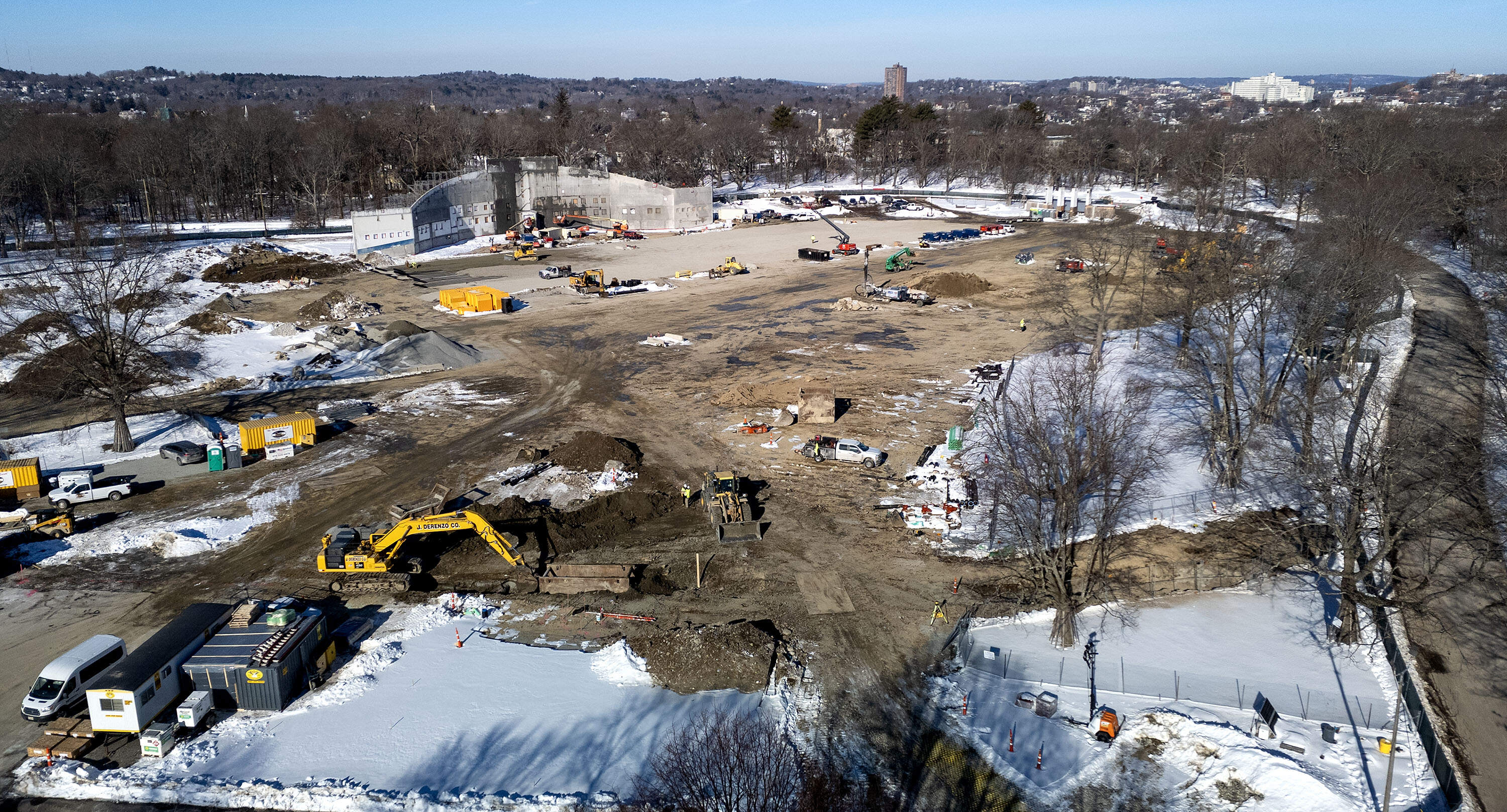
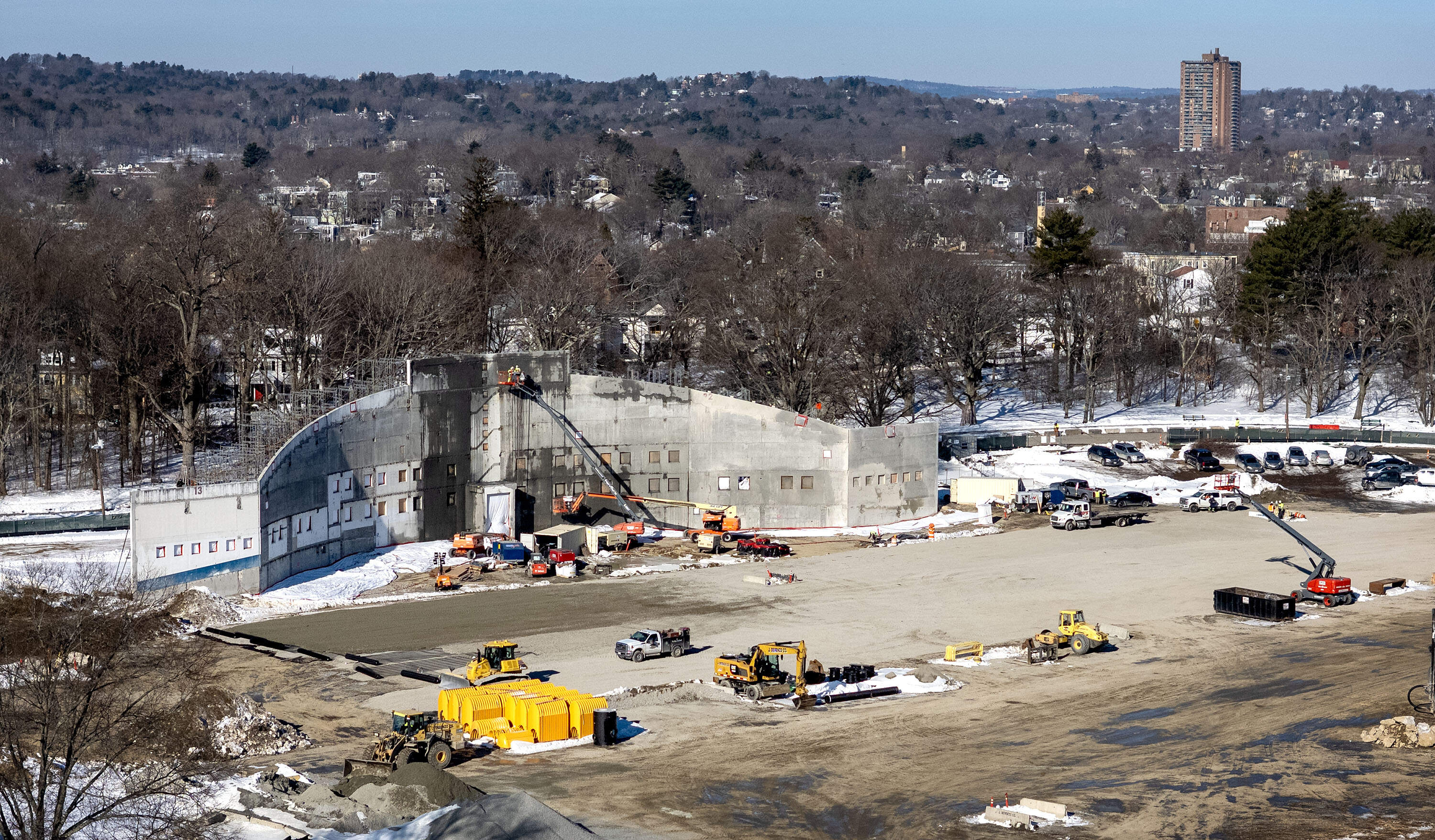
The city of Boston’s plan to rebuild White Stadium in Franklin Park will cost taxpayers $135 million, nearly three times as much as the city estimated for the project two years ago.
Boston Mayor Michelle Wu released the long-anticipated figure in an exclusive interview with WBUR. Wu blamed the cost increase on evolving design plans, as well as tariffs, steel prices and general inflation.
The project cost will be split between the city and Boston Legacy Football Club, a new professional women’s soccer team, which has agreed to put $190 million into the rebuild. The reconstruction is now estimated to cost a total of $325 million.
The new price tag for taxpayers is certain to draw criticism. Previous estimates put the total redevelopment cost around $200 million.
Wu has faced considerable opposition from city councilors and several organizations with deep roots in Roxbury over fears of gentrification in the area with the new stadium, as well as transit and parking issues.
How the deal works
The soccer team signed a lease agreement with the city to use the site as the team’s home stadium for a maximum of 20 games and 20 practices a year. The rest of the year, it’s meant to be used by Boston Public Schools athletics and for community events.
The team has committed $252 million overall to the project over 15 years for a stadium that the community will use "90-plus percent of the time,” Wu told WBUR in a phone interview Thursday evening.
Asked how the city will cover the cost for its half of the rebuild, which is locked in with a guaranteed maximum price contract, Wu said the money will come from the city’s capital budget, which helps the city plan ahead in five-year increments.
“ We will be revising the project amount in the capital budget as it goes through the Ways and Means processes this year with the city council,” she said. “But the current allocation through loan orders that are available based on the number of projects that have actually moved forward at different times is enough to cover the city's component of this project.”
The Boston City Council will vote on the capital budget in June. Councilor Ben Weber, who chairs the body’s Ways and Means committee, said he’d already filed a hearing order to go over the cost.
“We have to answer whether the city can afford this, and that’s the function of the city council to provide oversight on capital expenditures,” he said. “We’re going to see whether the benefits justify the costs.”
The project will compete against a slew of other priorities, right as the city’s budget faces considerable headwinds, particularly with commercial property values falling downtown, leaving residential property owners with a big tax hike. The mayor has called for city departments to cut their costs by 2% in the next year.
“ This is the largest community benefits deal in Boston's history, and it will result in a world-class venue for not just our student athletes, but for the community at large to use it as well,” Wu said.
Of Boston Legacy’s $252 million investment, financed by a Bank of America loan, Wu said $34 million will go toward operating and maintaining White Stadium’s track and field, cleaning, security and upkeep. Another $9.3 million will be directed to a Community Annual Fund and distributed directly to local organizations, decided in consultation with communities around Franklin Park.
A tree fund also will be created, using $3.8 million. Wu said $8 million will go toward revenue sharing with the city.
“ That will create a new BPS athletics booster fund, which will help pay for uniforms for our sports teams or for them to have transportation to away games,” Wu said.
But on Friday, Roxbury resident and community organizer Louis Elisa challenged the mayor directly at a press conference. He was joined by a small group of residents wearing orange “Keep Franklin Park Public” t-shirts.
“This is not about our children. This is about a deal she made,” Elisa told WBUR. “The money that she wants to spend, $135 million, she could build [a smaller] stadium without the soccer league, and she could put money into Boston Public Schools.”
Currently, the Massachusetts Supreme Judicial Court is considering an appeal in a lawsuit over the project from the Emerald Necklace Conservancy and the Franklin Park Defenders. Those groups say the rebuild would violate state laws that cover the use of public park land.
Financially, the mayor said the deal would not leave the city at risk, even if the state's high court were to rule against her, or if the soccer team were to back out.
“ In the off chance that this case doesn't go how every other decision has gone at the lower court level — strongly in favor of the city — the lease documents protect the city,” Wu said.
The team would still be required to either complete construction or deliver a $45 million payment, “so the city could finish the project on our own,” Wu said. The stadium would then remain owned and managed by the City of Boston and the schools, she said.
But as costs have risen and Wu has missed her own self-imposed deadlines for the release of estimates, scrutiny has grown more intense for the second-term mayor.
During her mayoral primary campaign against Josh Kraft, this was a cutting issue. The New England Patriots family member and former head of the Boston Boys and Girls Clubs pointed out that in 2023, investors initially proposed just $30 million in renovations at the stadium. Then, in March 2024, the city gave a new estimate of $50 million.
In June, Kraft claimed he had seen a document from city officials that showed the rebuild could cost taxpayers $170 million. Wu adamantly denied that, saying the figure came from an internal “disaster planning” projection in an “absolute worst-case scenario.”
Wu promised to give an updated cost estimate for the project by the end of 2025. She said the timeline ultimately hinged on the city receiving and evaluating final construction bids.
Asked about the delays, the mayor said the bigger concern is how long it is has taken to start fixing White Stadium.
“It's been 40 years of delays, at least over the course of the 70 years that the stadium has been in existence,” she said.
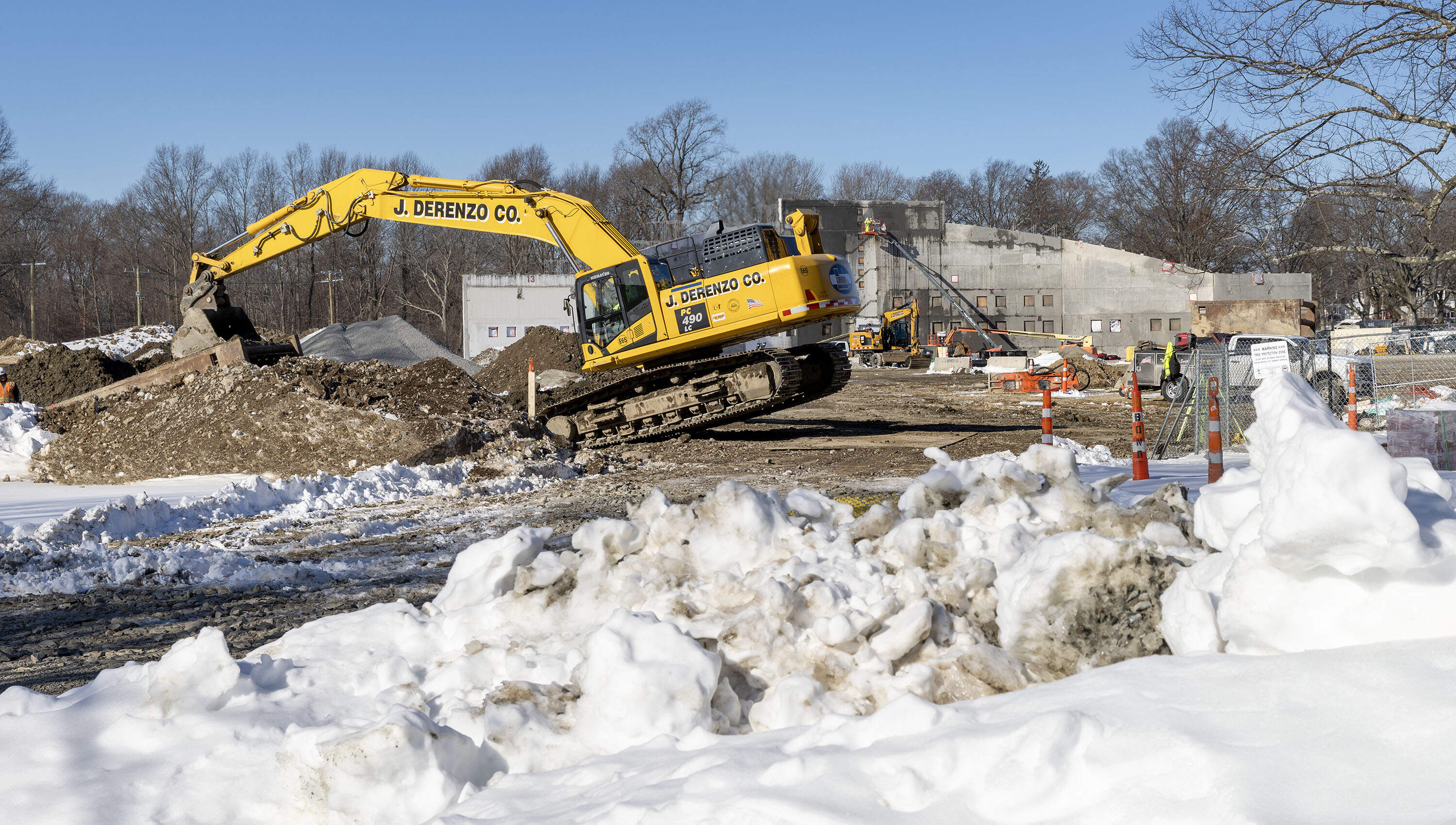
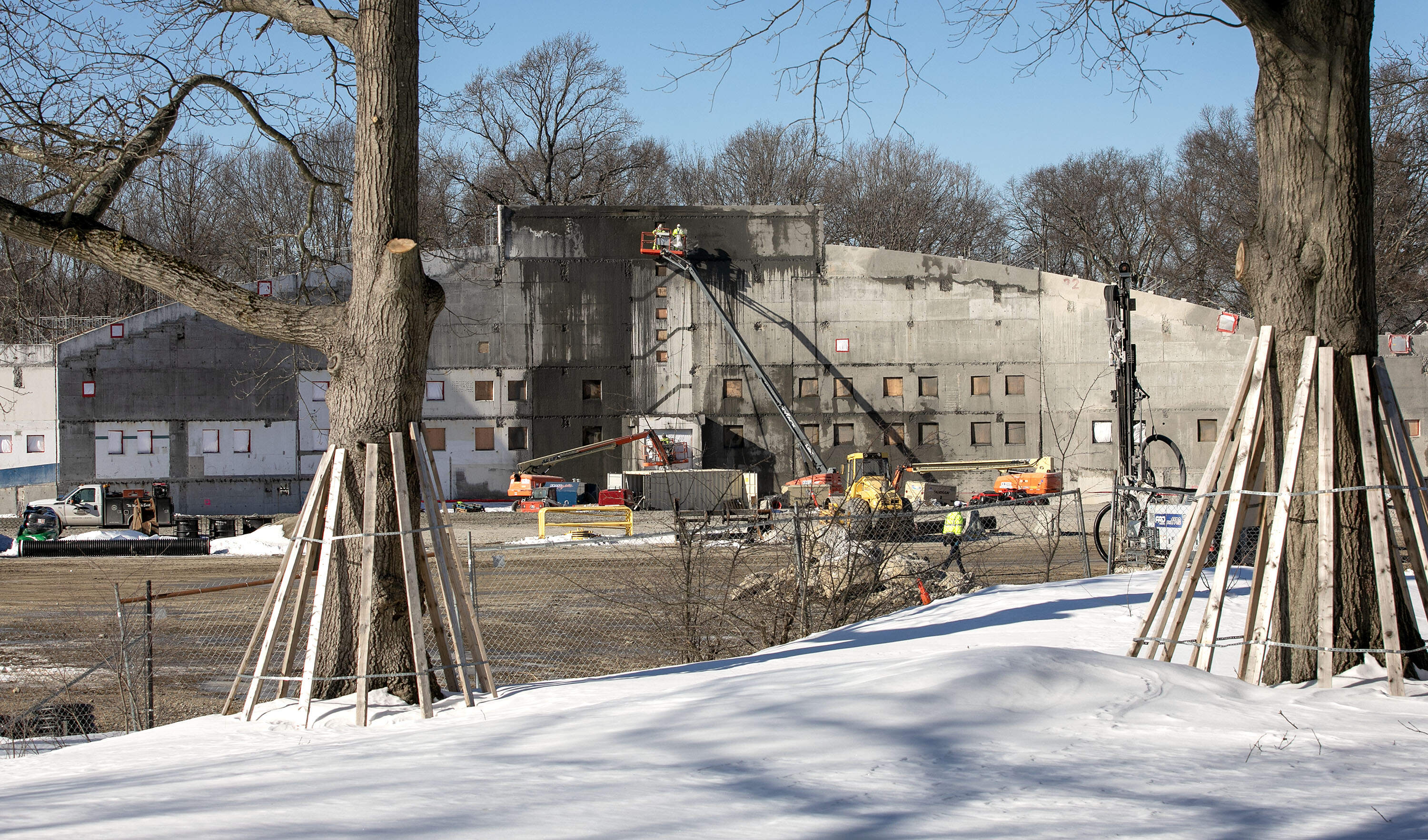
While demolition and site work are already underway, construction is now set to begin in March 2026, creating 500 construction jobs, according to the city. Work is supposed to be completed in the summer of 2027.
So far, contracts worth a total $43 million have been awarded to minority- and women-owned businesses, or 44% of all the contracts, according to Wu. Local businesses will cover janitorial services, waste management, labor and construction management and more.
The new White Stadium is expected to have a grass field, an eight-lane track, strength and conditioning facilities, and community spaces.
“ We've been waiting for this for more than 40 years,” Wu said. “And I am going to make sure that our students have every opportunity they can get.”
At Wu’s press conference Friday, updating the public on White Stadium, she was flanked by supporters, including coaches, business owners, and a BPS student athlete who said she hopes to play for Boston Legacy after she graduates.
Rickie Thompson, president of the Franklin Park Coalition, expressed some concern about how the city will keep its commitments, but said he mostly felt positive.
“Now we’re beginning to see,” he said, “Franklin Park is back.”
Correction: An earlier version of this story misspelled Rickie Thompson's name. The story has been corrected.
This article was originally published on February 06, 2026.