Support WBUR
'The Wash' reclaims the forgotten fight of Black washerwomen
In the summer of 1881, Black washerwomen in an Atlanta laundry co-op were fed up. For too long, the women had endured grueling working conditions: carrying gallon after gallon of water, making their own soap, and toiling for long hours for little or no pay.
Then, they decided to do something about it. Twenty laundresses met in July of that summer to form the Washing Society, a trade organization seeking increased wages and respect. They reportedly used the Black church to spread the word and drum up support. In three weeks, membership jumped to 3,000 strikers from 20, and ultimately, the women changed their work situation for the better.
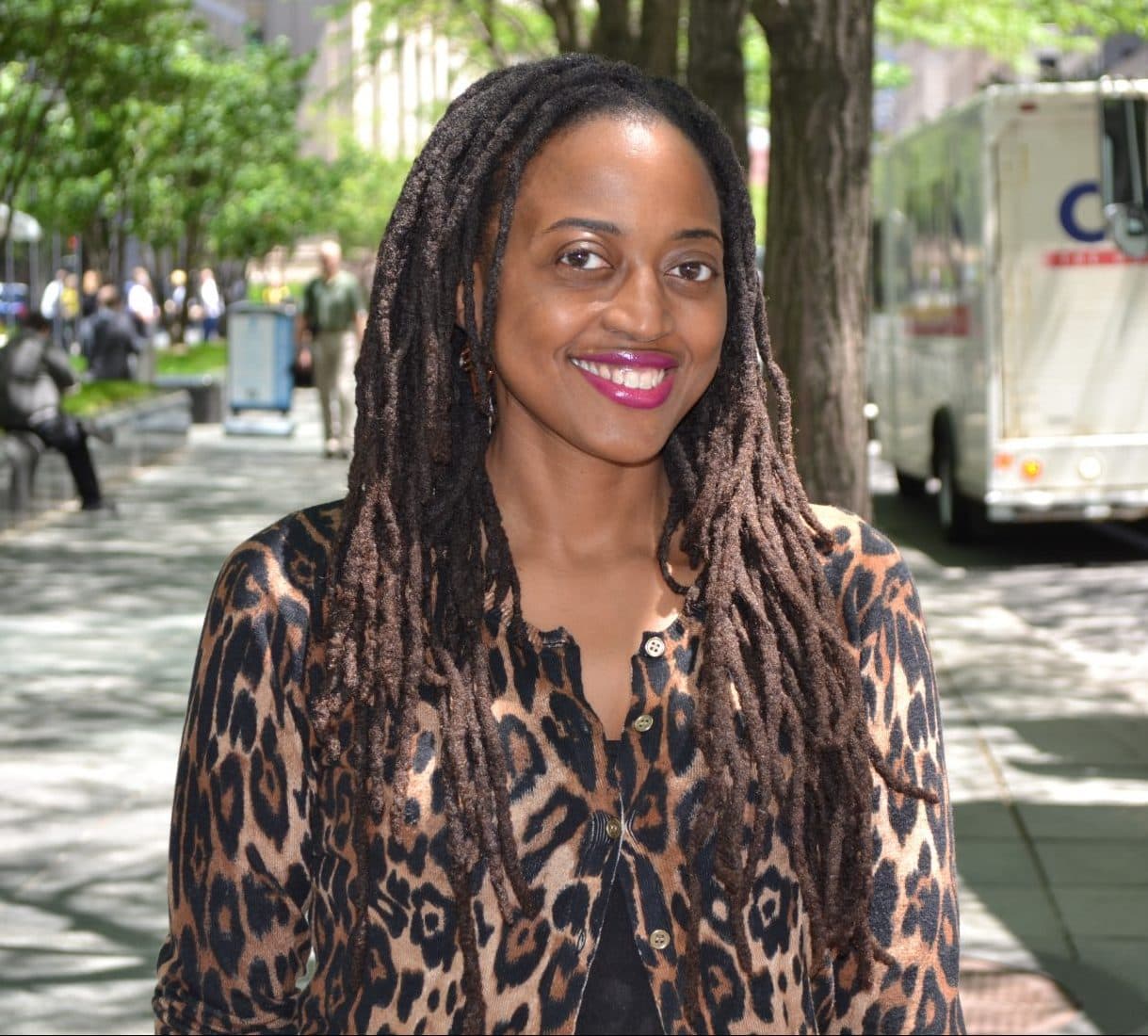
Playwright Kelundra Smith, who is also a journalist and critic, learned of this movement at the National Museum of African American History and Culture while on assignment for a story. The women’s plight inspired her to write the play “The Wash.” The show is a heavily researched, but fictionalized version inspired by the battle the women faced. Smith described the play as a mix of actual events and her imagination.
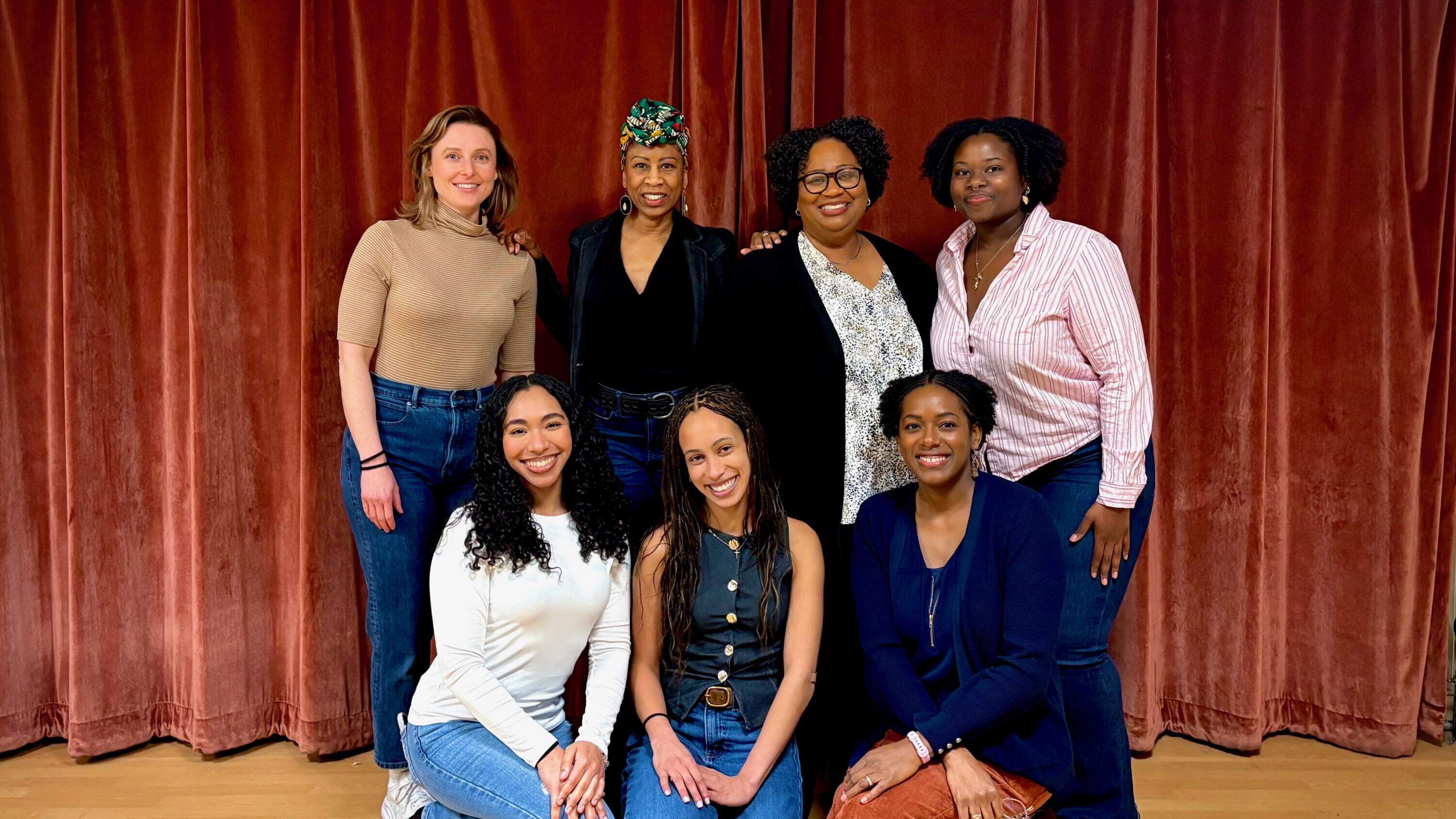
This weekend, the Front Porch Arts Collective will host two staged readings (the second will feature a talkback with Smith) of “The Wash.” In the play, two best friends, Anna and Jeanie, lead the charge. Jeanie is initially reluctant to help Anna, who wins her over.
The show — which was first produced in 2024 — explores the themes of agency, labor, community, hardship and friendship. The play is part of a trilogy that includes “The Vote" and “The Knot,” about African American achievements after the Civil War in Georgia, Smith said.
Though the subject matter is a sobering one, the play, Smith shared, is funny. These women weren't defined solely by their circumstances, so Smith wanted to ensure the tone of play isn’t one of wallowing. Instead, she hopes that audiences become more “curious about what other stories and histories are worth excavating in their own communities, [and] in their own lives,” she said.
That kind of curiosity is part of what drives actor MaConnia Chesser, who portrays Jeanie.
With her work, Chesser said she angles for roles that “reinforce the idea that we are all individuals. We all have this right to full autonomy, especially women.”
“It's so important for us to continue to push forward the stories from our history that show the complexity, the determination, the beauty of Black people. Of all people, because in this story, it starts with Black women, but then they recruit white women, they recruit Native American women,” she said.
Chesser shares Smith’s commitment to telling meaningful stories. Last year, she portrayed a character who spent decades locked in the basement of a wealthy Black family’s home in a moving production of “Ain’t No Mo” staged by Front Porch and SpeakEasy Stage Company. The play tells the story of the U.S. government offering Black folks one-way tickets to Africa. In 2024’s “Trouble in Mind,” Chesser played Millie Davis, an actress who hates the stereotypical roles she’s had to play, but wants to keep her job.
In “The Wash,” Chesser’s character Jeanie is similar to Millie Davis. Jeanie, Chesser said, is “the no nonsense, mother and aunty figure. I’m very blunt. You know, the outspoken one. I'm the cautionary person within this story,” she explained.
At first, Jeanie resists helping Anna. But after seeing her friend’s determination, and optimism the group holds, Jeanie is won over. She wants to help Anna.
“I think it's the greatest motivation and understanding of the idea, that if you can only be safe within the Black community, then you still aren't living freely,” Chesser said. And in the play, Chesser explained, Anna and Jeanie talk about doing this work for “young women, and giving them a different avenue for what they want to do with their lives, what dreams they want to achieve.”
Changing the world for future generations is hard work, and transformation like that brought about by the Atlanta washerwomen is often unsung.
So, Chesser is doing what she can to change the world for the better.
“It's my responsibility to do this, because I think I was given a gift and I should share it. That's what I can do to change the world, make it a better world for others.”
The Front Porch Arts Collective will perform staged readings of “The Wash” at Jean Appolon Expressions on Saturday, April 11 and Sunday, April 12.
A full production of the play will kick off Front Porch's 2026-2027 season.