Support WBUR
11-year-old Rhode Island girl helps save rare Navajo-Churro sheep breed
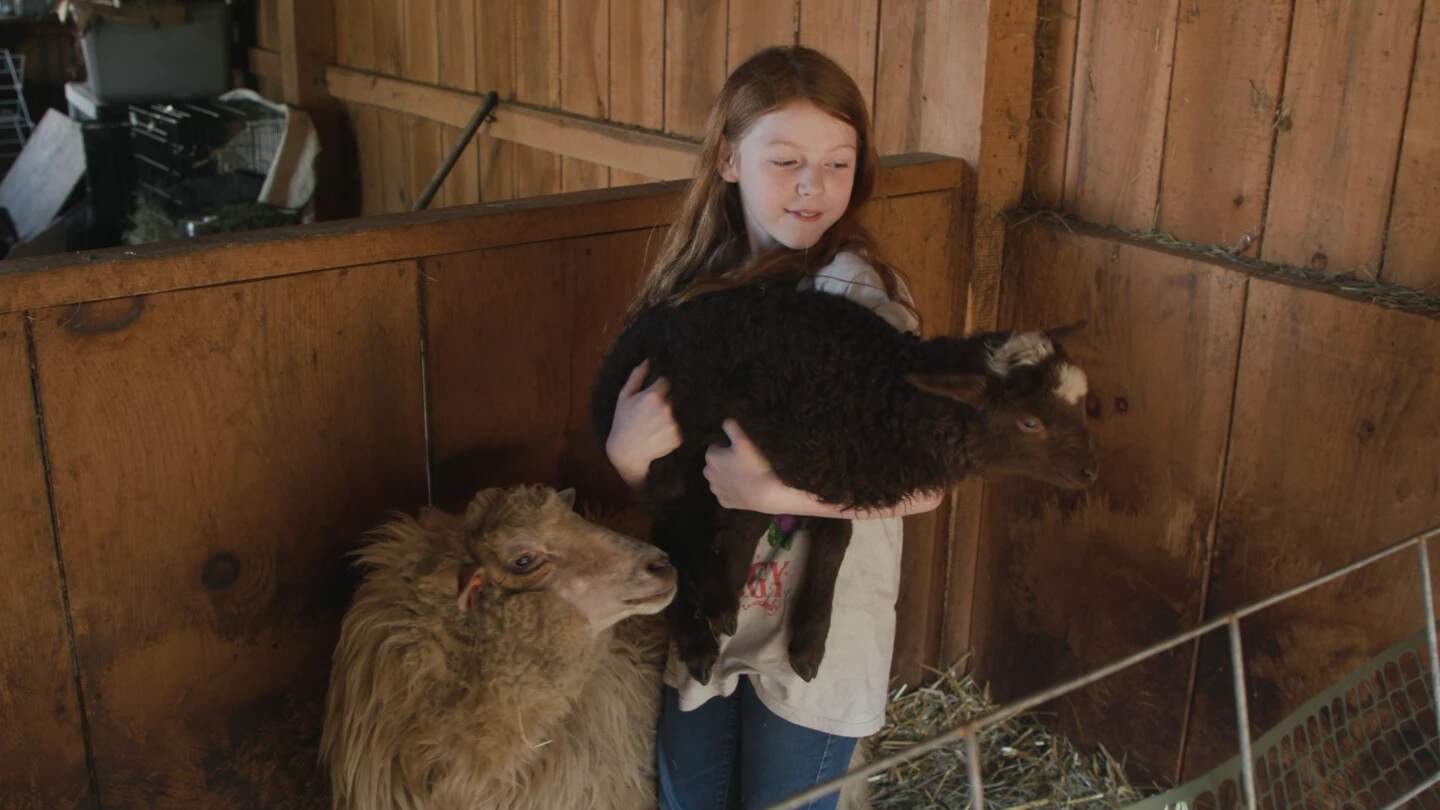
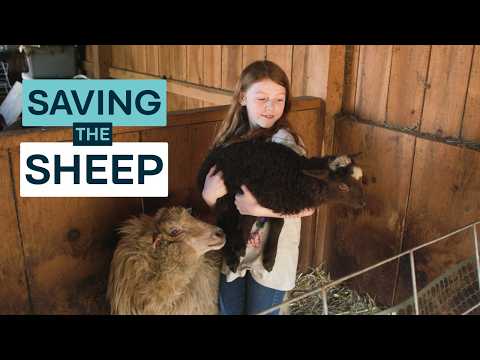
At 11 years old, Izzy Hoffman of Foster is helping revive a rare sheep breed, the Navajo-Churro, one lamb at a time.
“They’re an endangered species, and they’re very important to the farmlands,” Hoffman said.
This spring, Izzy welcomed a chocolate-colored Navajo-Churro lamb she named Cadbury to her grandparents’ Bayberry Knoll Farm.
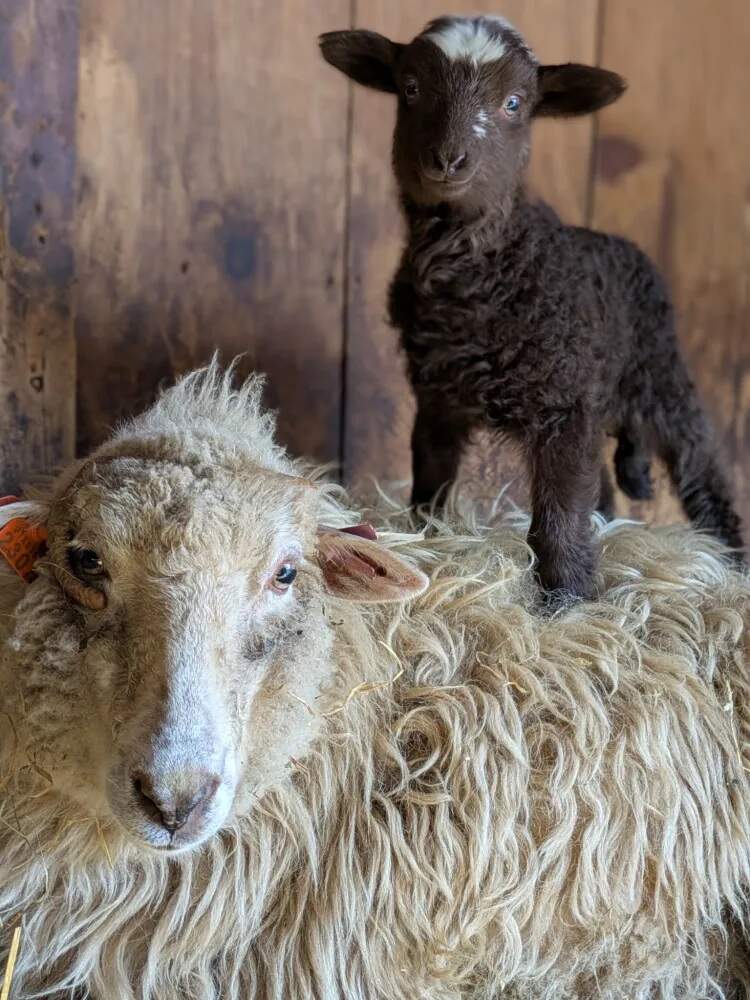
“She’s just this adorable little creature that I think is just amazing,” she added.
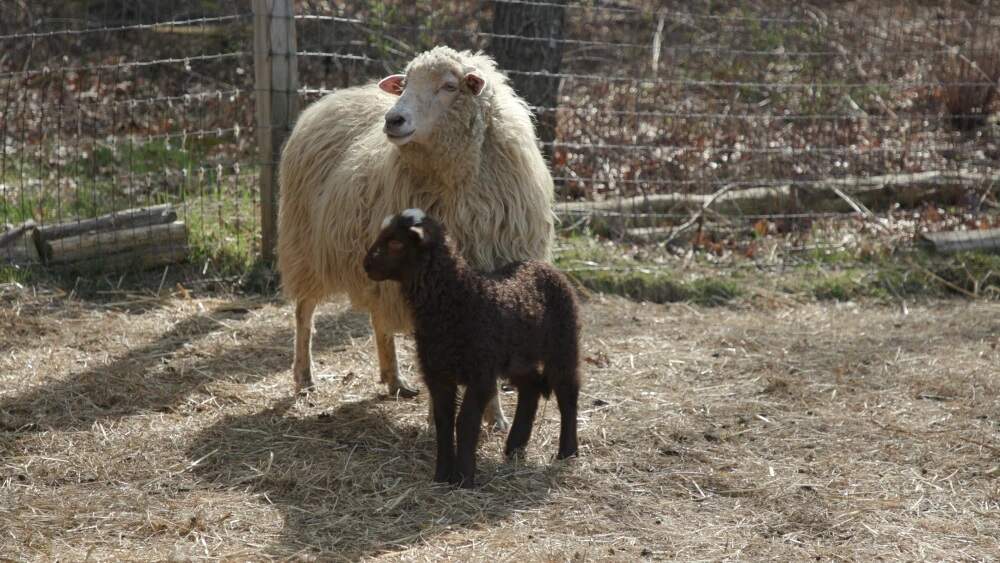
While many are most familiar with European sheep, Navajo-Churro were brought to the Americas by Spanish explorers and became the first domesticated breed in Northern America.
”Most people think of a sheep as a fluffy creature that eats grass, but that’s not the whole story,” Hoffman said.
That story is woven into a sad chapter of U.S. history from the 1800’s called "The Scorched Earth Campaign."
The Navajo-Churro sheep were nearly wiped out during U.S. westward expansion, when federal policies led to the destruction of Native American lands and the forced displacement of Indigenous communities.
The Navajo-Churro were spared extinction but remain on the critical list today. Farm children like Izzy are part of a national effort to revive the original indigenous breed and their rich heritage.
As part of an arrangement with the Livestock Conservancy, an organization dedicated to protecting endangered farm animals, Izzy was awarded a Navajo-Churro sheep she named Arizona.
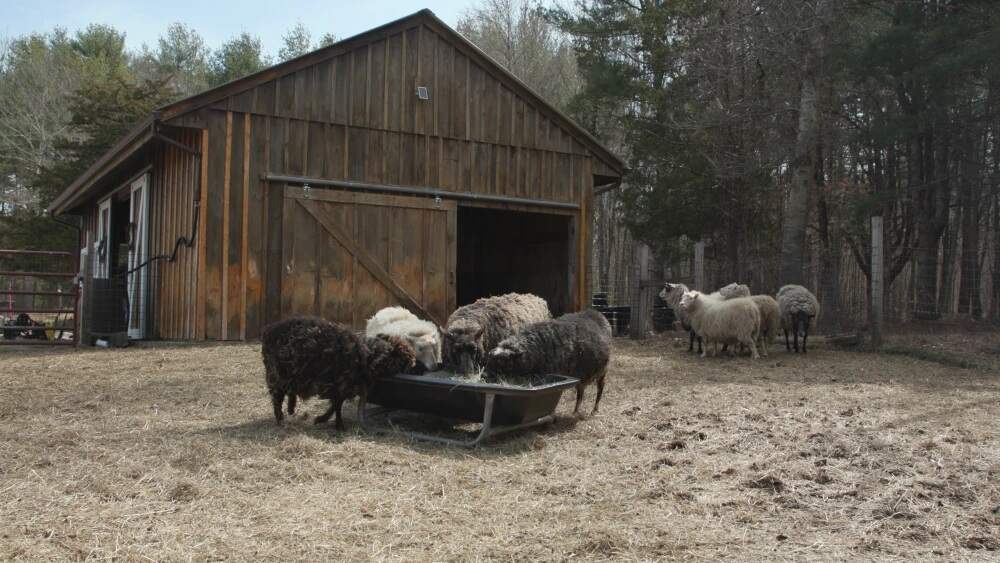
In exchange, she must promise to raise her, breed her, show her at county fairs and craft a garment from her wool, which is an unusual fleece.
“I like to think of it as like a 'rivery' kind of curl and they have two coats, an outer coat and an inner coat, and you would use that for tapestries, clothing and rugs,” said Hoffman.
The thick, rough coat is also highly prized by Navajo tribes for the weaving of traditional “wearing blankets."
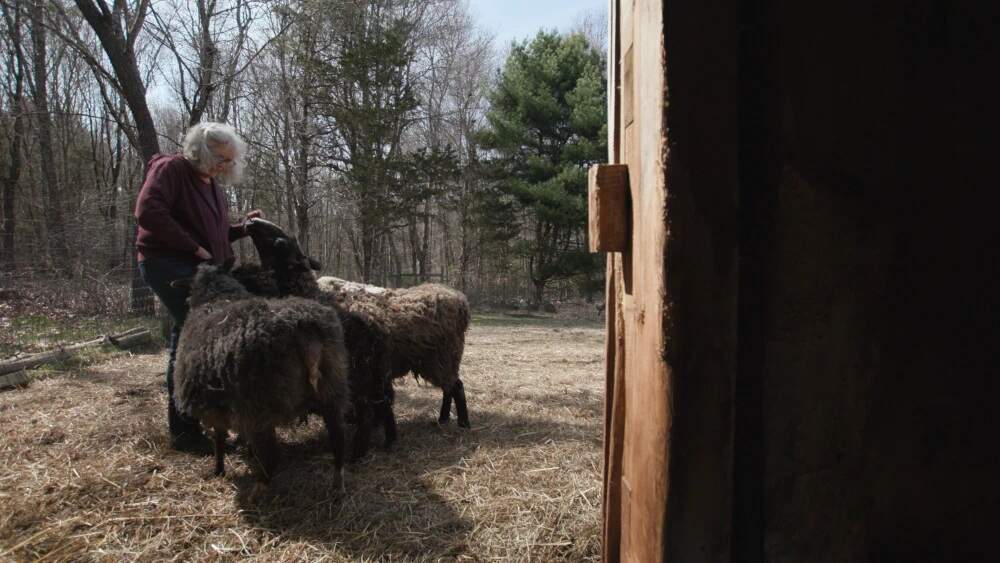
Izzy’s grandmother, Deb Procopio, is guiding her in caring for her Navajo-Churro sheep as well as spinning and weaving the wool. Procopio notes there is something satisfying about the process of “sheep to shawl.”
“Where you spin the wool and then you weave it and then you have a garment. I wash the wool and then I take the plants that we grow or forage and we dye the wool … There is something sacred about it,” said Procopio.
For her granddaughter, the experience goes beyond the craft.
“I like to think of it as a very important bond between me and my grandmother. I couldn’t have done any of it without her.”
This story is a production of the New England News Collaborative. It was originally published by Ocean State Media.