Support WBUR
In Campbell serial rape trial, case hinges on videos captured by the defendant
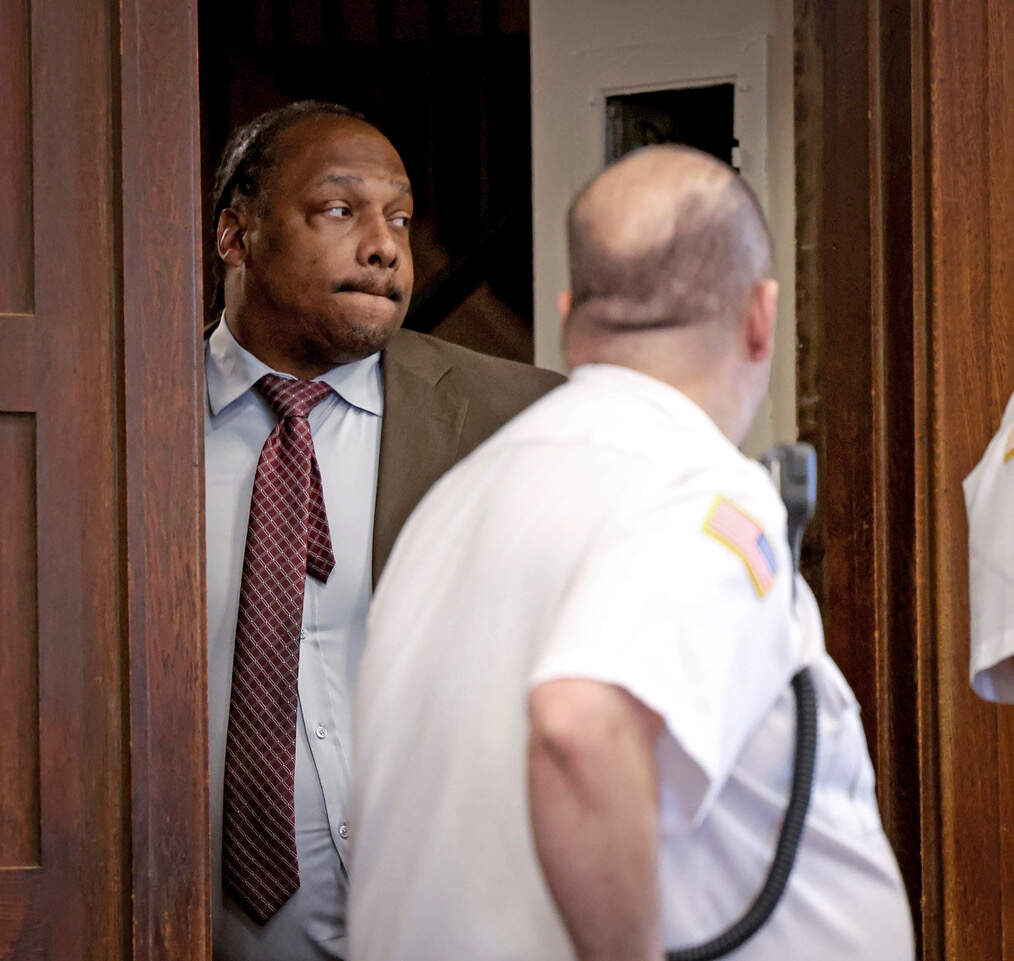
A Suffolk County jury is now weighing the case of a man accused of raping at least seven women over nearly three years and filming the encounters.
Prosecutors say Alvin Campbell repeatedly impersonated an Uber driver to pick up drunken women outside Boston bars so he could sexually assault them. In some cases, he is accused of raping them in his car, but also at their apartments and in other cases, at his Cumberland, Rhode Island, home.
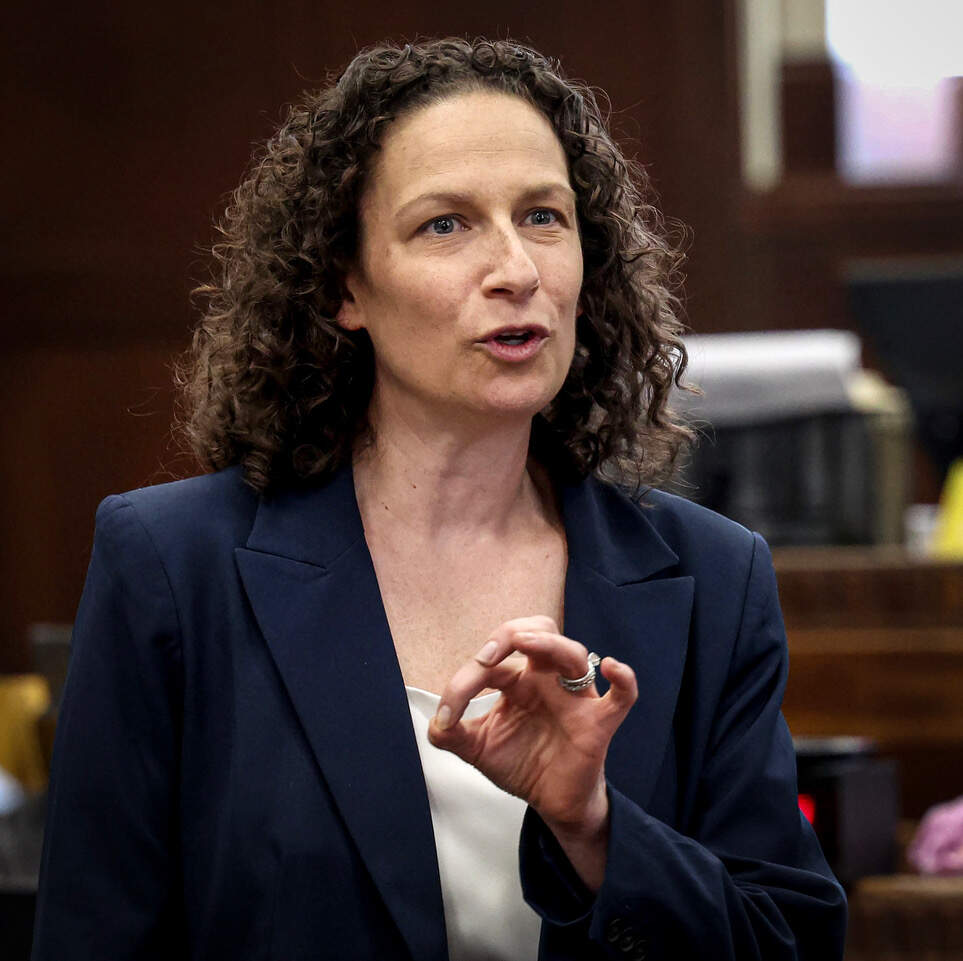
Prosecutor Lynn Feigenbaum told jurors in her closing argument Thursday that Campbell had a premeditated plan: "Pick up a very intoxicated woman, film her while she's naked and unsuspecting, have her wake up in a place where she's vulnerable, confused and ignorant of the violence that she suffered, and then act like the nice guy to distort reality."
Campbell is the estranged brother of Massachusetts Attorney General Andrea Campbell. She has said she is "praying for the survivors and all those affected" by her brother's actions.
Six of the seven women testified at trial, yet much of the case centers on graphic video that Campbell himself captured on his iPhone. Jurors were shown the videos during the trial; the judge permitted only the audio to be broadcast to those in the courtroom.
Playing clips of the audio, Feigenbaum told jurors to pay close attention to those videos. In most, the women are immobile and silent, even as Campbell penetrates them. Some are passed out, their head out the window as Campbell drives.
" Listen to these videos. Listen to all of them. How much do you hear from the woman in those videos? How many times do you hear that woman's voice?" she said.
In audio captured outside one woman's apartment after an alleged assault, Campbell seemingly can't awaken her. Music blares in the background and Campbell asks repeatedly, "You all right?" and tells her, "You gotta help me." She doesn't respond.
He takes her to his Rhode Island home, more than an hour away.
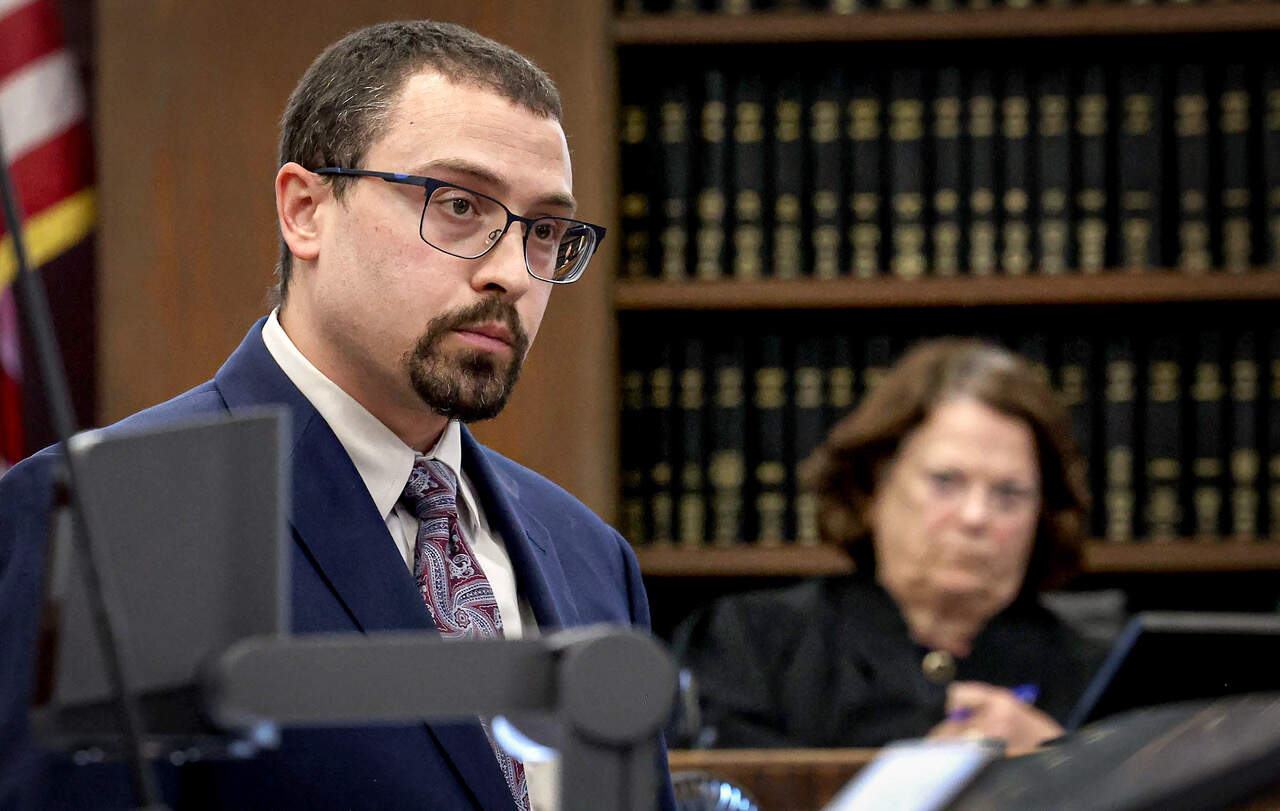
Campbell's defense attorney, Andrew Courossi, insisted that the women were not incapacitated or too drunk consent. He pointed to actions taken by some of the women the night they encountered Campbell that he said showed they were of sound mind: They called an Uber, navigated to their hotel room, walked in four-inch heels and could dress themselves.
"Somebody who's incapacitated can't even attempt to dress themselves, let alone succeed in doing it while sitting in a car," he said.
Courossi also highlighted what the women did in the mornings after the alleged assaults. One woman accepted a ride to the airport from Campbell. Another, who went to the police in December 2019 to report the alleged assault that led to Campbell's arrest, kissed him.
"If she had believed she'd been raped, would she really give Mr. Campbell a kiss?" Courossi asked the jurors. "Would she, unsolicited, offer to give him her real phone number? Common sense says she wouldn't."
But Feigenbaum had a different interpretation for how the women acted the next morning. They were frightened. In that vulnerable position, they relied on their social conditioning to stay safe, she said: "Make yourself seem small, insignificant, and harmless."
"The defendant wants you to believe that because these women interacted with him in some way, shape, or form after he did things to them that they didn't know happened, that those things were somehow consensual," she said. "But they cannot consent to something that they didn't know was happening."
Two of the women Campbell is accused of raping were roommates who reported the assault to police in 2017 and agreed at the time to testify before a grand jury. But prosecutors withdrew the case before jurors could decide whether to issue an indictment, WBUR previously reported. Privately, the prosecutors said they doubted they could prove that Campbell raped the second roommate while she was sleeping, because the women were drunk and had incomplete memories of what happened.
Two months after the roommates reported their assaults to police, Campbell allegedly picked up a 21-year-old woman outside the TD Garden and assaulted her.
"He thought he got away with assaulting those women, so he continued to do so," Feigenbaum said.
Campbell went on to allegedly rape several more women before his arrest in January 2020. He has been held in custody since that arrest.