Support WBUR
'Double punishment': Mass. inmates and physicians fight for better diabetes care in prisons, jails
Jamar Leaston constantly felt sluggish and dizzy during his first year in prison.
“Being 22 at the time and, you know, facing life in prison, I thought it was just stress,” Leaston, now 35, said.
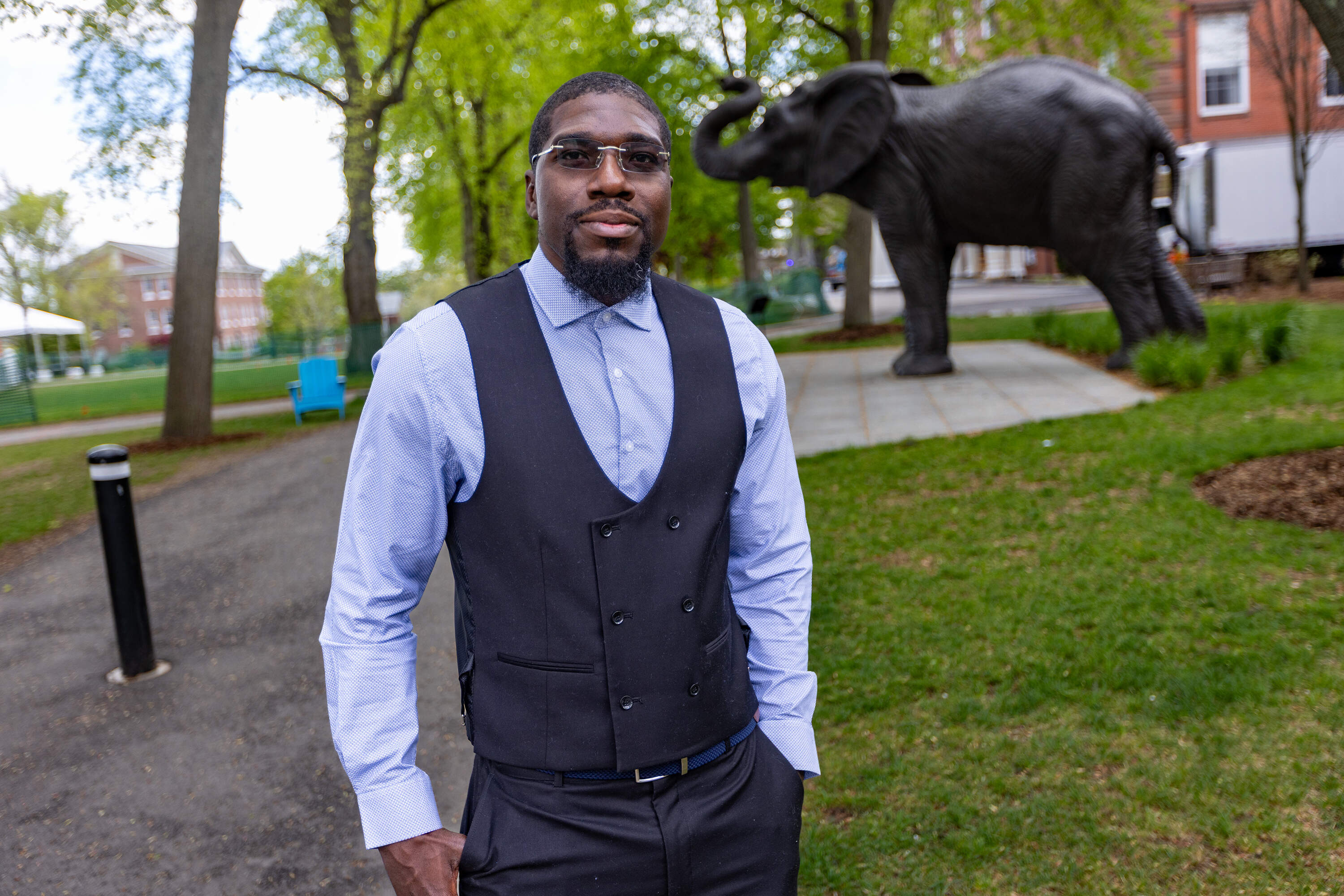
But, it wasn’t just stress. After an emergency trip to the hospital, Leaston was diagnosed with Type 1 diabetes, a chronic disease that affects the body’s ability to produce insulin. This hormone helps turn food into energy. Diabetes disrupts the delicate balance of a person’s blood sugar, and requires careful management to avoid serious — and potentially life-threatening — health consequences.
Over the next decade-plus behind bars, Leaston pleaded with his nurses and doctors for changes to his medical care. He said his treatment failed to keep his blood sugar stable and put him at risk for complications.
“It felt like double punishment,” Leaston said. “And no individual should have to take a lesser standard of healthcare because they're incarcerated, right?”
Some medical professionals who’ve worked in jails and prisons, along with two former inmates, are now pushing correctional facilities to provide better diabetes care. They said the medical treatment inmates receive now puts their lives at risk and causes long-term medical problems that plague them — and the healthcare system — when they reenter society.
Advocates proposed several reforms, including access to wearable devices that track blood sugar levels, free fast-acting sugar (like juice) and better diabetes education.
About 9% of incarcerated people have been diagnosed with Type 1 or Type 2 diabetes, and the American Diabetes Association warns that rate may climb as the prison population ages.
Diabetes care behind bars
Leaston was released from prison last year, 15 years after he fatally stabbed a man during a fight in Everett. He pleaded guilty to manslaughter in 2012, court documents show.
In prison, he said it was standard protocol to monitor his blood sugar with a fingerstick test three times a day. He could administer the test by himself in lower security facilities. But in most cases, a nurse would prick his finger with a small needle and place the blood on a test strip. Then, he said the nurse would administer insulin. If the reading was high, he would get more insulin. But, Leaston said, he was never allowed to take less than a certain amount — often regardless of the readings.
The correct insulin dose for a person with diabetes can change from one day to the next, according to Dr. Alysse Wurcel, an infectious disease doctor who has worked in Massachusetts jails for more than 20 years. She explained that it depends on lifestyle habits such as nutrition, exercise and sleep.
“It's often kind of like this balancing act, where you want to get a perfect sugar around 120,” Wurcel said.
Knowing this, Leaston said he repeatedly urged nurses to be more flexible around the timing of his tests and insulin dosage.
“There's no leeway,” Leaston said.
Once, he said, he was punished with isolation for arguing with a correctional officer over taking an extra tray of food that he hoped would better match the insulin dose he was given earlier that day.
“Unfortunately, that was just me trying to protect my health and being punished for it,” Leaston said.
People in prison have little control over daily routines such as what they eat, when they eat, when they check their blood sugar or how much insulin they take.
Laura Driscoll, a clinical associate professor at Boston University and consultant for a new Middlesex jail unit, said the way correctional facilities manage diabetes is outdated, using methods from decades ago.
The consequences, she said, are severe. She explained that the blood sugar of a person with diabetes can dangerously spike or plummet. Over time, even small amounts of the wrong insulin doses and poor glucose control can lead to long-term health complications.
“So there's cardiovascular disease, there's kidney disease and there's retinopathy — so losing vision,” Driscoll said. “This is why people with uncontrolled diabetes end up with amputations, strokes and heart attacks.”
Barriers to monitoring sugars
Driscoll and Wurcel both said one way to mitigate potential harm to inmates is to grant them access to technology like continuous glucose monitors. These small circular devices transmit real-time blood glucose readings to a phone, tablet or computer.
“Every five minutes you get an update of what your sugar is,” Wurcel explained. “Then you make all of your decisions based on that.”
The American Diabetes Association recommends continuous glucose monitors for most individuals with diabetes.
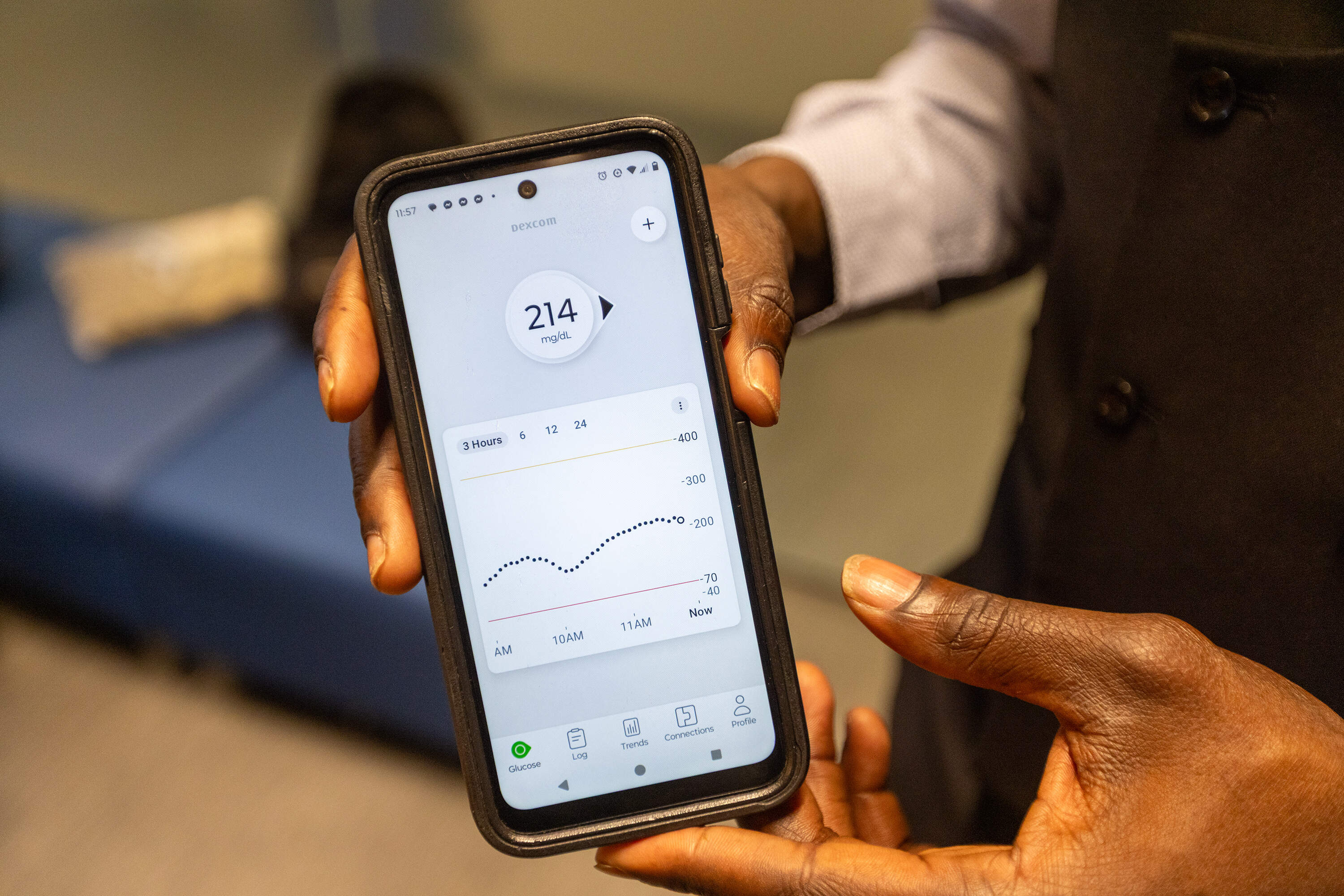
But, according to multiple advocates, former prisoners and a current inmate, the monitors are not allowed in most Massachusetts prisons and jails. State prison officials did not answer questions about permitting the use of these monitors.
However, a spokesperson with the Department of Correction wrote in a statement that, "Individual treatment plans, including the decision to incorporate any specific medical device, are designed to meet the clinical needs of a patient and support the safety and security requirements of a correctional facility.”
The spokesperson also said snacks, juice and other interventions to control a person’s sugar are made available “at no cost to the patient.”
State prisoners with chronic illnesses meet with physicians every six months, he added, and they can submit a “sick call” request to discuss questions between scheduled visits.
Massachusetts jails and houses of correction are run at the county level, and their healthcare policies vary. Some facilities allow glucose monitors on a case-by-case basis; others ban the devices.
Kevin Maccioli, director of media relations at the Middlesex Sheriff's Office, said monitors and insulin pumps are “not currently utilized” at Middlesex House of Correction and Jail for “safety and security” reasons. Meeting the medical needs of all inmates is a “top priority,” he said.
Wurcel said in her experience, continuous glucose monitors have not been allowed. She said this may be because of security concerns around needles, Wi-Fi access via phones or tablets, and some logistical challenges of healthcare at this scale.
Jails and prisons have “very hierarchical and structured systems,” Wurcel said, because they have to manage so many different people.
Many chronic diseases demand “personalization and specialization,” she added, and “that's not easy to fit into this [correctional] system.”
Inadequate diabetes care in correctional facilities isn’t just a concern in Massachusetts. In Pennsylvania, a nonprofit sued the state’s prison system, alleging people with diabetes are “denied basic medical care.”
‘The most liberating feeling’
One of the first things Jamar Leaston did after his release was purchase a continuous glucose monitor.
“I'd say that's probably the most liberating feeling that I have had since being home,” Leaston said.
The monitor beeps to warn him if his blood sugar is too high or low, so he’s not constantly thinking about testing himself with a finger prick.
Leaston said knowing his diabetes is under control has allowed him to focus on other things like finishing school, becoming a fitness coach and preparing for fatherhood.
This segment aired on June 11, 2026. Audio will be available soon.