Support WBUR
Paid for by Eliot Community Human Services
Reimagining bipolar care: How the Bipolar Action Network is building a national model
This post was paid for and produced by our sponsor, Eliot Community Human Services, in collaboration with WBUR’s Business Partnerships team. WBUR’s editorial teams are independent of business teams and were not involved in the production of this post. For more information about Eliot Community Human Services, click here.
Effective treatment of bipolar disorder depends not just on clinical care but the systems surrounding patients: community supports, access to specialists and information sharing between providers. Too often, these systems are fragmented. The Bipolar Action Network (BAN) is changing that — bringing together academic medical centers, community providers, people with lived experience and families, in a first-of-its-kind national collaboration.
Eliot Community Human Services, a Massachusetts-based nonprofit, was the first community provider invited into the network. Eliot’s participation underscores a powerful reality: most people living with bipolar disorder receive the majority of care in their communities, not academic hospitals. This is why BAN has emphasized including community voices from its inception.
A radical collaboration
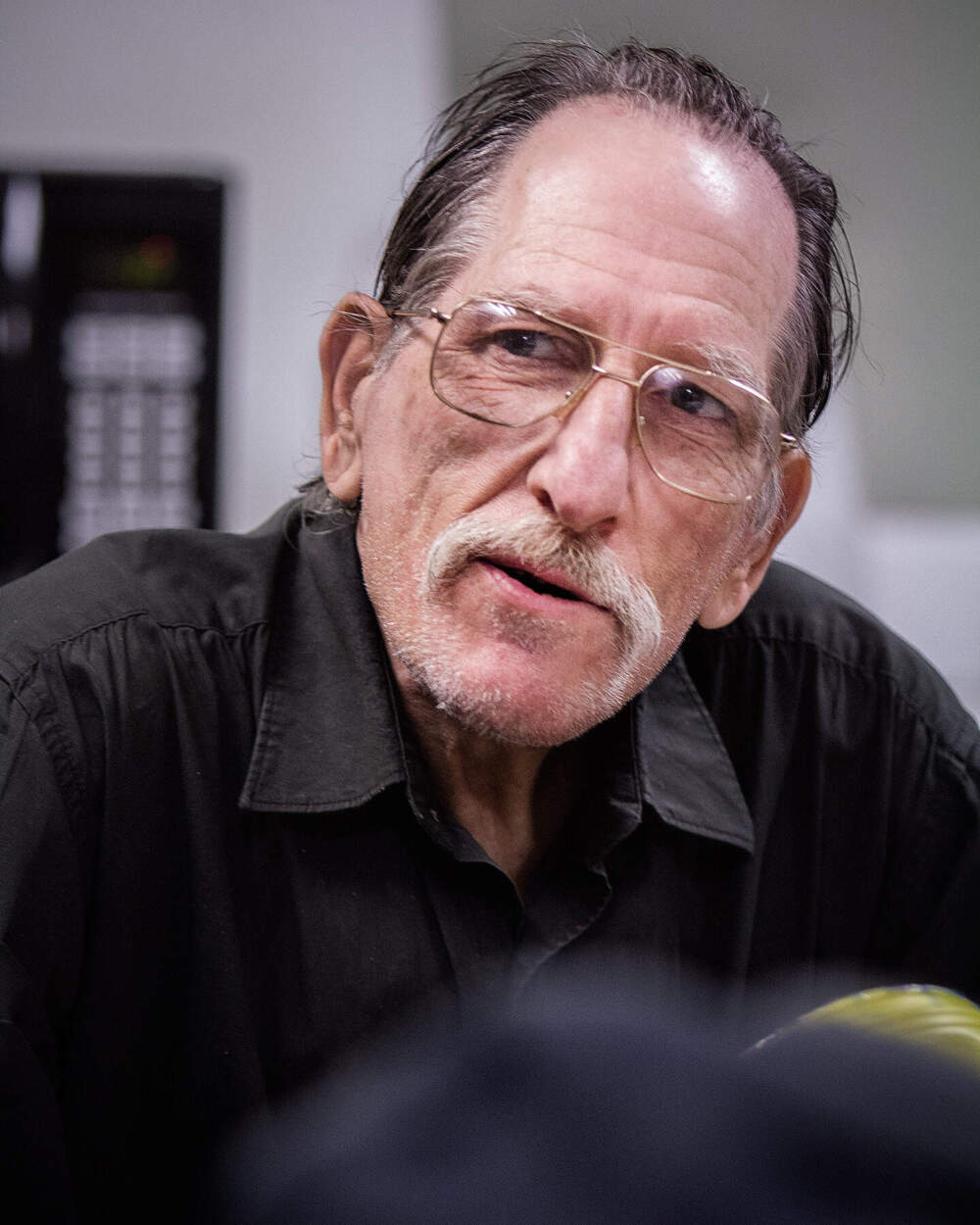
“BAN is a radical collaboration,” says Dr. Andy Nierenberg, Professor of Psychiatry at Harvard Medical School and Director of the Dauten Family Center for Bipolar Treatment Innovation at Mass General Brigham Hospital. “We’re building a perpetual learning and improvement machine, where clinicians, researchers, people with bipolar disorder and families all work together. What makes it work is a culture of generosity, humility, curiosity and transparency.”
That culture enables an elusive practice in healthcare: open sharing of methods and outcomes. Each participating system contributes real-world data into a shared platform — Hive Solutions — that allows near real time outcomes comparisons and collective learning. If one site discovers a more effective approach to diagnosis or treatment, another site can test and adapt it right away.
As Nierenberg notes, “Traditionally it takes 17 years for evidence to make its way into practice. We’re trying to shorten that to months or a year. That’s only possible when every organization is teaching and learning.”
Community and collaboration at the core
For Dr. Peter Margolis, Adjunct Professor of Pediatrics, Stanford University
and Former Co-Director of the Anderson Center for Health Systems Excellence, Cincinnati Children’s Hospital Medical Center, BAN builds on decades of systems transformation work. His team has helped redesign numerous care models for complex pediatric conditions and is now helping apply those lessons to bipolar disorder.
But Margolis underscores that the network cannot succeed without community partners like Eliot. “Most care for people with bipolar disorder doesn’t take place in academic health systems,” he notes. “It takes place in the community — through mental health agencies, social services and peer supports. Having Eliot at the table accelerates our ability to make meaningful change where people live their lives.”
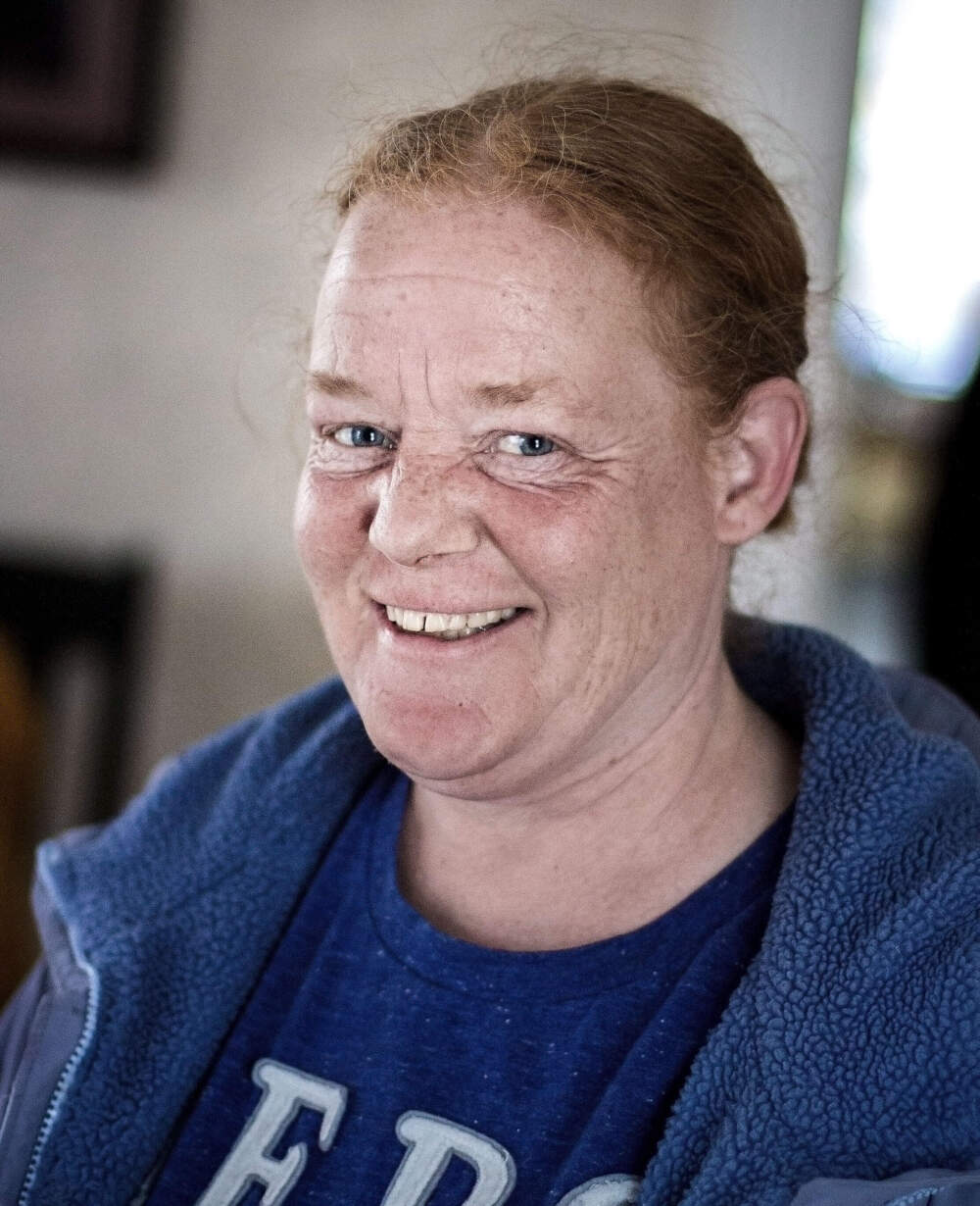
Eliot and BAN share a philosophy of care built around the notion that treatment should be designed and implemented with, not to, patients and their families. Eliot embeds this principle into everyday practice by inviting people with lived experience to help set priorities, shape therapeutic plans and evaluate what forms of care feel useful in their lives. “We’re asking clients how the process impacts their confidence in the diagnosis, how it shapes their engagement in treatment,” explains Dr. Hannah Larsen, Eliot’s Director of Psychiatric Education and Research. “That feedback is essential to getting this right.”
Through systematic diagnostic tools, outcomes tracking, peer support, lived experience and shared decision-making, Eliot is modeling approaches that others in BAN are now exploring, as well as adapting best practices from larger systems. By centering patient and family voices alongside clinical expertise, Eliot is helping the network understand how recovery can be rooted in community and patient self-empowerment.
Measuring what matters
Ultimately, BAN measures success by whether people with bipolar disorder are living self-determined lives. Early priorities have included:
- Improving diagnostic accuracy to reduce treatment delays and errors
- Tracking patient progress in ways that inform daily clinical decisions
- Ensuring care aligns with evidence-based guidelines for medication and psychotherapy
- Reducing emergency visits, hospitalizations, and suicide risk
- Expanding access to peer support and psychosocial interventions
“We’re about results — real, measurable outcomes,” Margolis explains. “This isn’t an academic exercise. It’s about changing care.”

Building a movement
BAN is in its first years of operation and momentum is growing. More sites are joining, with a goal of adding 10–20 additional partners over the next year. Each new participant brings knowledge, lived experience and practices that can be tested and spread across the network.
For Eliot, the opportunity is clear: to serve as a connector between large academic and medical center systems, and the communities where most people receive care. “We’re already seeing cross-pollination happening,” says Nierenberg. “Eliot is teaching the academics as much as the academics are teaching Eliot.” This non-hierarchical approach is critical to the network’s creative capacity.
“We have strengths that others are still working to build — peer support, recovery coaching, flexibility,” adds. Dr. Larsen. “We’re helping national leaders understand what it looks like to build care around recovery, dignity, and real-world support, and we’re showing that community organizations can lead innovation.”
With continued success, the Bipolar Action Network will not only improve outcomes for people living with bipolar disorder — it may permanently redefine how complex health systems across the country learn, adapt and grow together.
To learn more about Eliot, visit www.eliotchs.org or reach out directly.