Support WBUR
Paid for by The Boston Foundation
2023 data on housing affordability in Greater Boston

This post was paid for and produced by our sponsor, The Boston Foundation, in collaboration with WBUR’s Business Partnerships team. WBUR’s editorial teams are independent of business teams and were not involved in the production of this post. For more information about The Boston Foundation, click here.
A region falling short of stated goals
The Greater Boston Housing Report Card has been researched and produced by The Boston Foundation for more than 20 years. The 2023 edition analyzes the state of the current housing market and the factors that are driving costs for renters and homebuyers in Greater Boston across five suburban and urban community types.
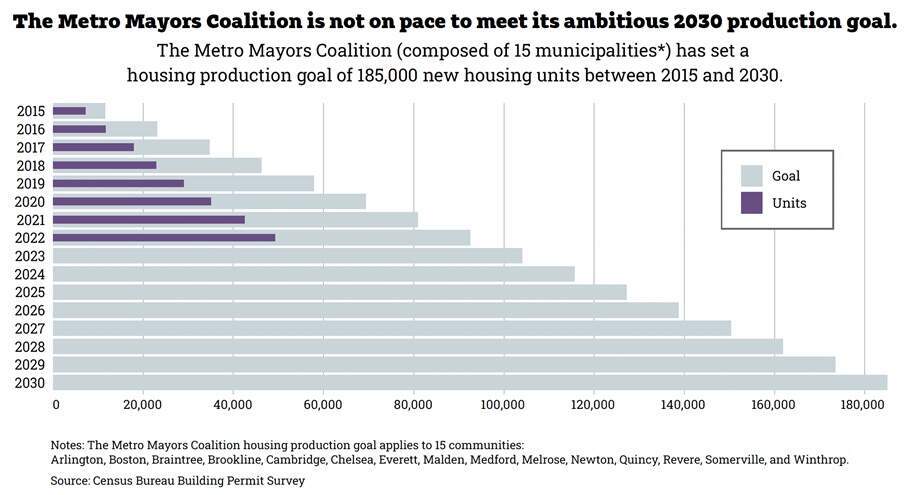
Through 2022, the 15 communities of The Metropolitan Mayors Coalition have built barely half the 90,000 housing units needed to keep pace with an ambitious goal of 180,000 new units by 2030, in part because of sharply higher production costs. As a result, Boston’s vacancy rates remain chronically behind those in other cities, and rents and home prices have risen well above pre-COVID levels. Overall, inventory has tightened even further, with sales of single-family homes sharply lower in communities throughout the region.
Racial discrimination patterns continue
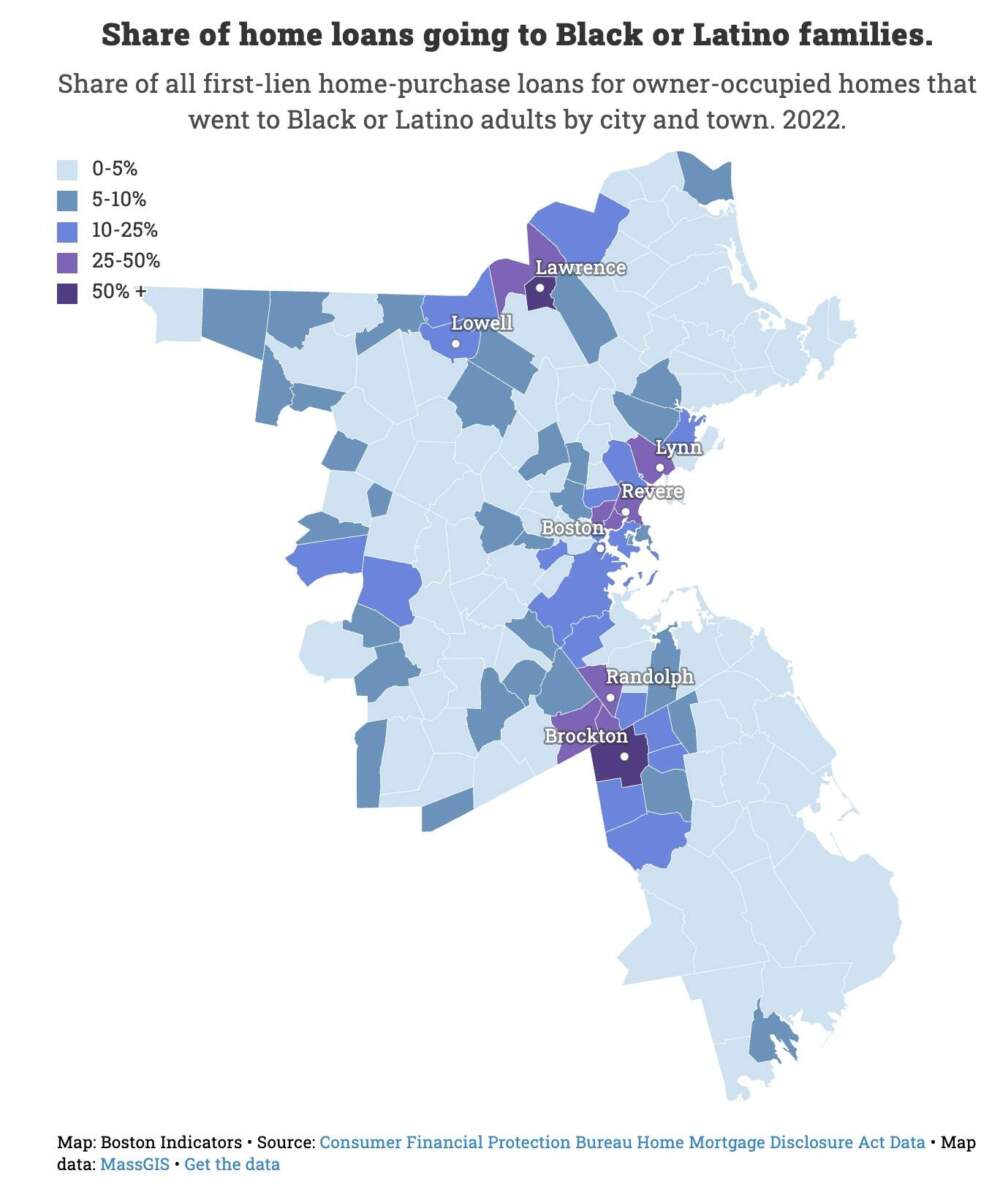
The report outlines a distinct lack of equity in housing. Home loan data show that with few exceptions – which include cities such as Lawrence, Brockton and Randolph – Black and Latino homebuyers receive a far smaller share of home loans than their percentage of the population.
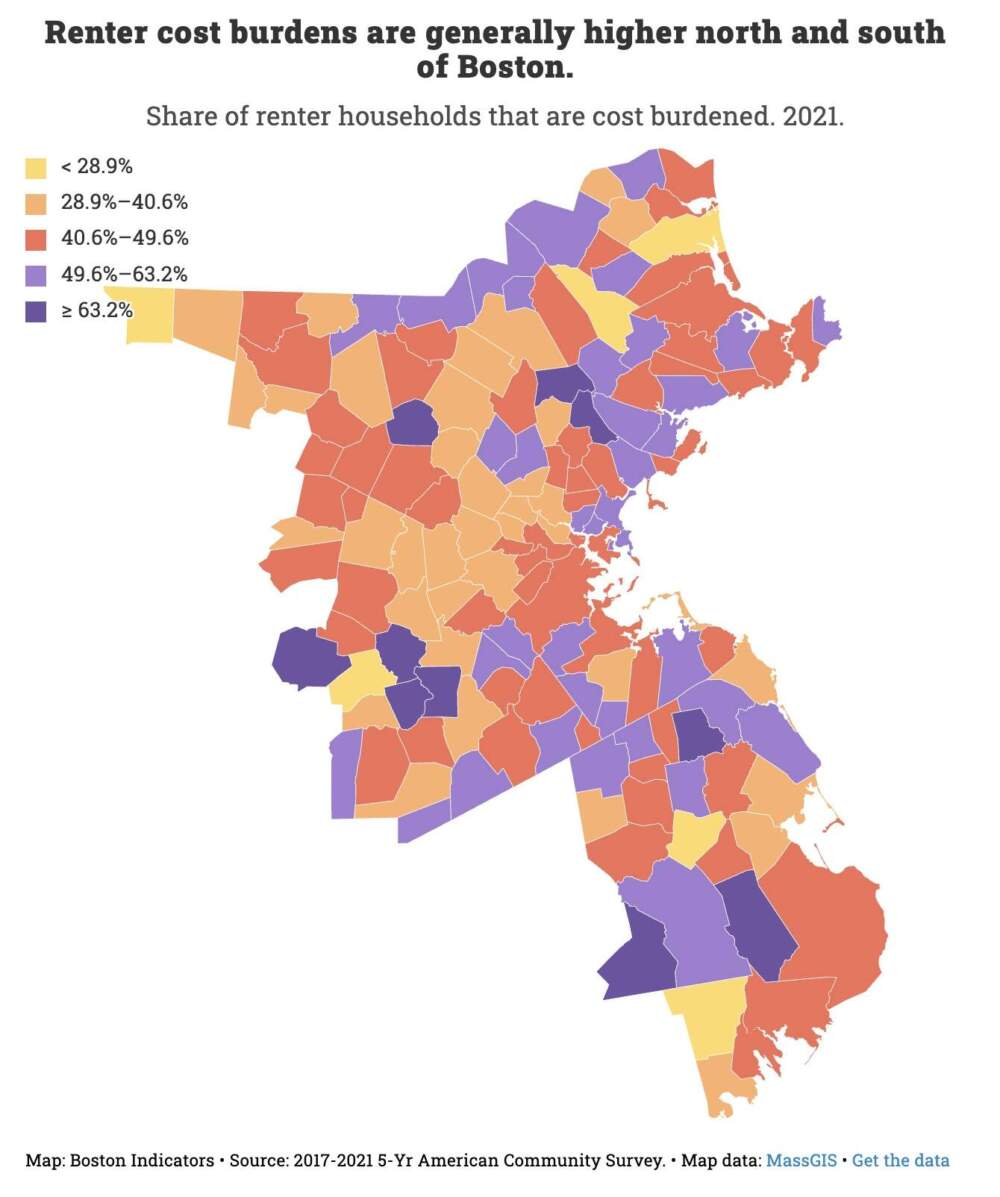
Close to 50 percent of Greater Boston renters (and 25 percent of homeowners) pay more than 30 percent of their income on housing expenses, and more than one-in-four renters pay over half their monthly income for housing. Black and Latino owners and renters are more likely to be cost-burdened across all types of communities.
New policies and innovations offer glimmers of hope
The report explores the potential impact of state-level policies that aim to alleviate these inequities, including passage of the MBTA Communities Act and the Housing Choice Initiative, both of which are expanding the number of multi-family affordable units permitted near transit hubs.
It also explores the potential of Community Land Trusts (CLTs) as a possible contributor to a healthier housing landscape. CLTs are nonprofit organizations that purchase or secure land and then work with the community to determine its best use. The CLT can then lease the land to users for affordable housing or other purposes. Greater Boston has seven CLTs.
About The Boston Foundation’s civic leadership
Through its civic leadership, The Boston Foundation partners with community members, donors, government, businesses, and nonprofits to advance economic justice and build a more equitable future. The Boston Foundation informs public policy, catalyzes conversations, and advocates not only for equity, but to repair the historical harms of inequities.
The Greater Boston Housing Report Card has informed housing policies on the state level for more than 20 years and The Boston Foundation has been a vocal and respected advocate for addressing the housing crisis in an equitable manner, including the passage of statewide legislation such as the Housing Choice Initiative and MBTA Communities Acts. The Annual Campaign for Civic Leadership supports all of this work.