Support WBUR
Field Guide to Boston
What you can see and hear as birds migrate over Mass. this fall
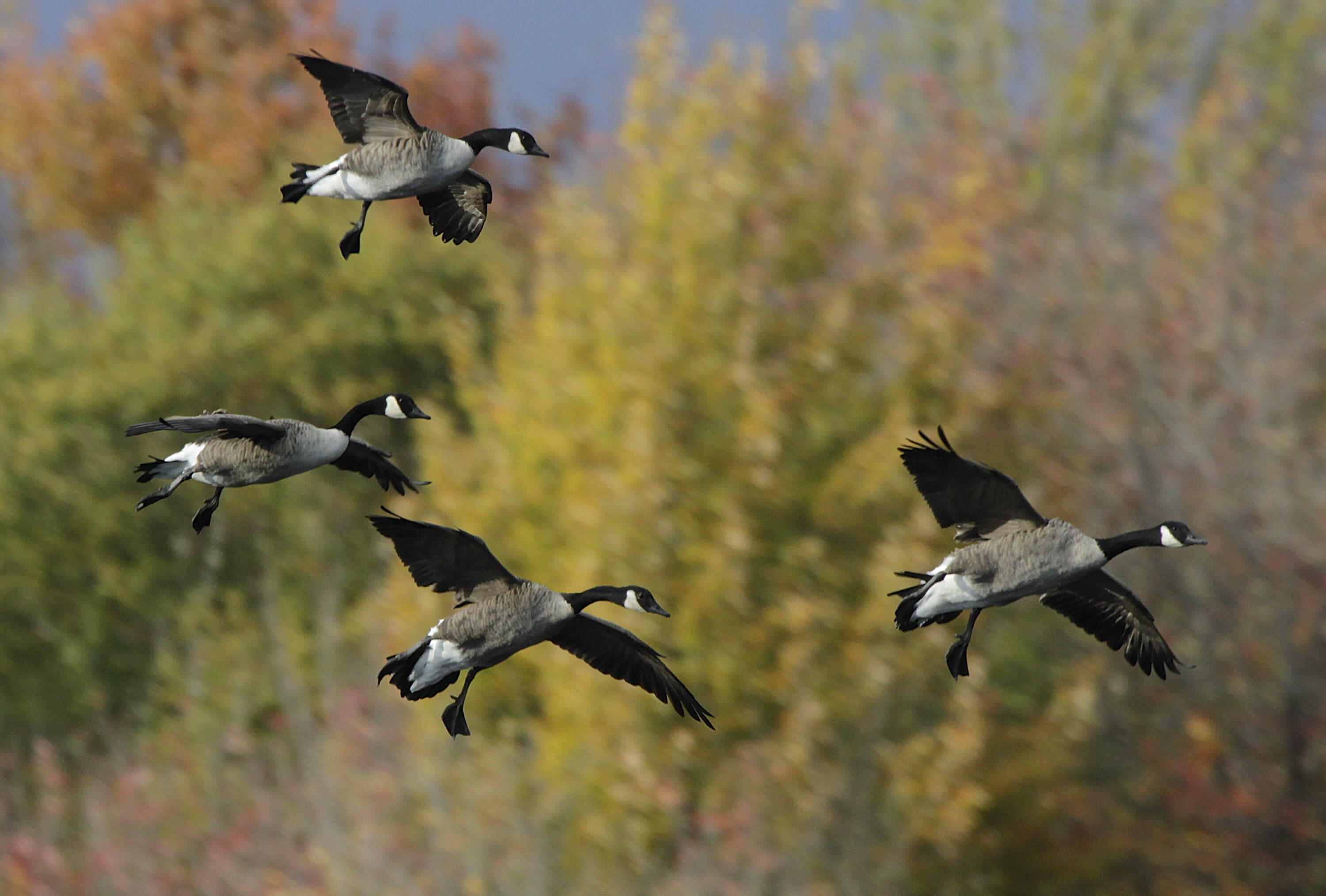
Look up: More than 1.3 million birds flew over Massachusetts Monday night into Tuesday as part of this year's fall migration, according to the Cornell Lab of Ornithology's BirdCast dashboard.
The birds fly over the commonwealth twice a year, looking for food and breeding grounds. Their movement is a feat of nature for small creatures who follow the same path, back and forth, each year of their lives.
How they do it
Scientists continue to learn about the physiological traits that allow birds to make such long journeys, said John Herbert, director of bird conservation for Mass Audubon.
"They just have these features where they can travel long distances and conserve their weight and conserve the amount of water that they have in their bodies," he said.
Birds can navigate using the stars, he said, and they tend to migrate when there's clear skies, using winds to help carry them where they are going.
But because the creatures sometimes rely on environmental factors to cue migration, longterm temperature changes caused by climate change can impact their migration patterns, Hebert said. Those changes can be harmful to birds as their food may not be readily available when they are traveling.
Sea-level rise can also have adverse effects on migrating birds. Many species head toward the coast for fall migration, but rising seas causes a loss in important seaside habitats.
"During migration, they need specific habitat and food to eat in a very short window because they're really just quickly stopping eating as much as they can and then want to continue their migration to their ending destination," Herbert said.
Who's coming and going
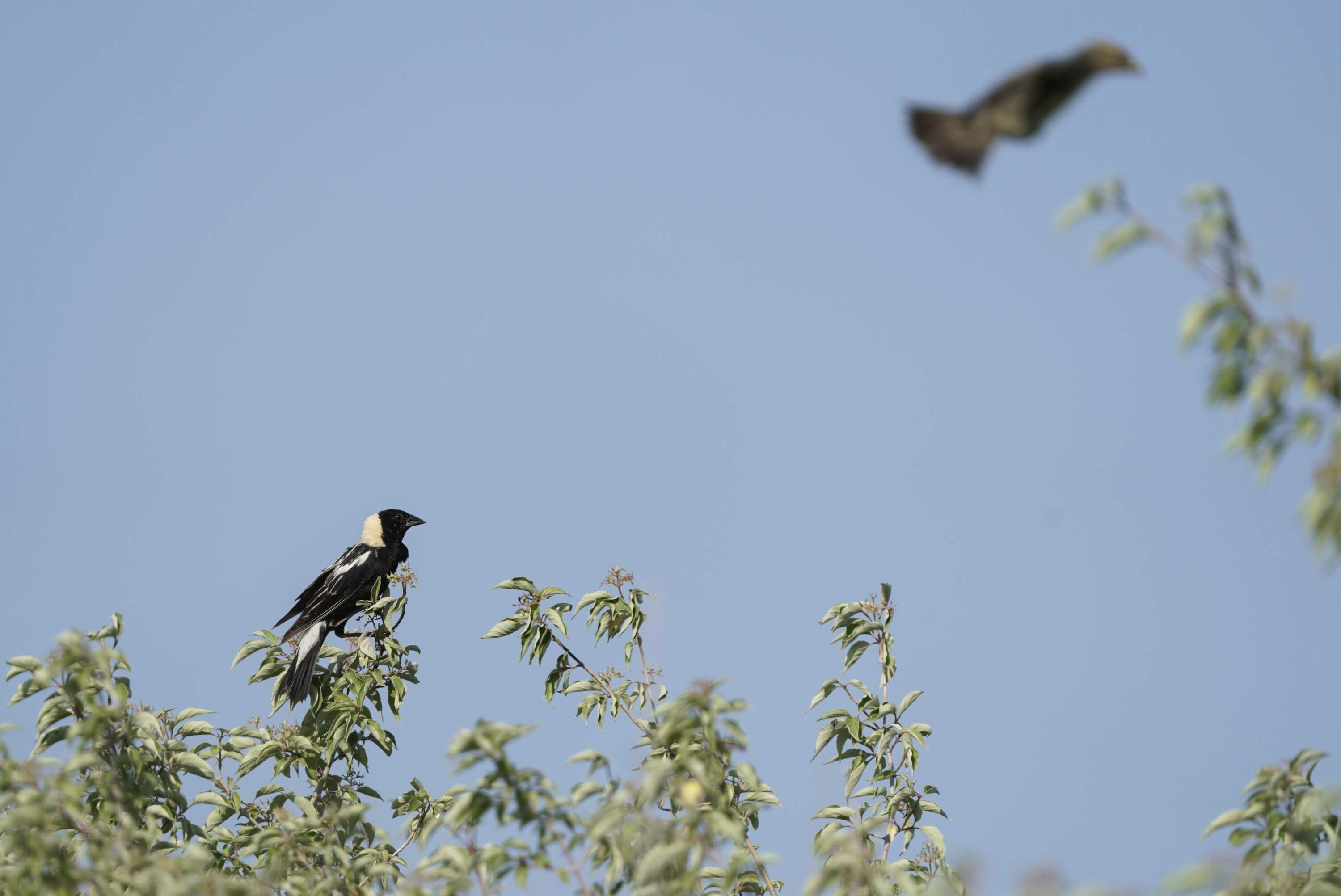
An estimated 35.77 million birds have flown over the region in migration season so far, and multiple species make up the migration. The bobolink comes to New England to nest in grasslands. Bobolinks are making their way out of the state now and flying an "incredible distance" down to South America, said Herbert said.
"Their migration is over 20,000 kilometers," he said. "And this bird is smaller than a robin that you may see in your backyard."
Even smaller than the bobolink is the blackpoll warbler. They weigh less than an ounce but have enough energy in their tiny body to make the long journey over the Atlantic Ocean to South America. These small songbirds breed in Canada, so now is the peak time to see them as they migrate south.
Listen to a blackpoll warbler call:
The broad-winged hawk makes an impressive display when migrating. It's past prime season to see these raptors, but Herbert said you can still possibly see them around.
"They'll be in these large, what we call kettles. These hawks will be in great numbers and they use these kettles to help them migrate because they're migrating long distances down to South America," said Herbert.
While some birds fly south, many ducks, like the American black duck, come to New England for the winter season.
Listen to an American black duck call:
Where to birdwatch
Local parks are a good place to spot birds, especially if they have water features like wetlands. But if you're able, Herbert recommends heading towards the coast.
"If there's any shrubby habitat near a beach, you can get a lot of songbirds, and then go look on the beach for gulls, terns and shorebirds," said Herbert.
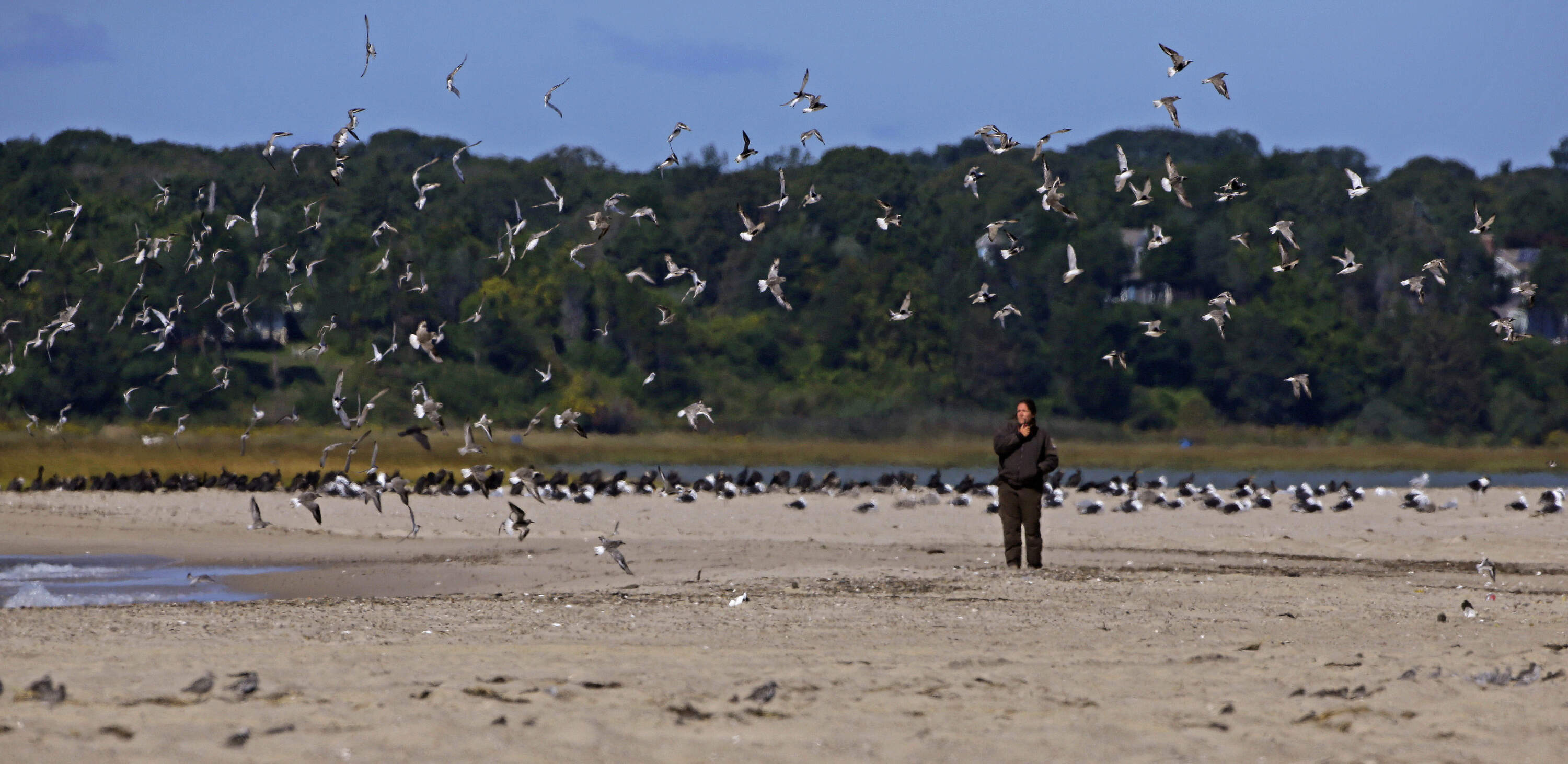
It's important to stay as quiet as possible when birdwatching. He also said not to disturb any flocks you see resting on the ground. The birds need to conserve energy for their long journeys.
Ultimately, the beauty of birdwatching is the ease of accessibility, said Herbert
"The great thing about birds is they can pop up anywhere," he said. "Going into your backyard, looking at your window, you can get incredible birds."
This segment aired on October 1, 2024.