Support WBUR
Commentary
Fossil fuels are as American as apple pie
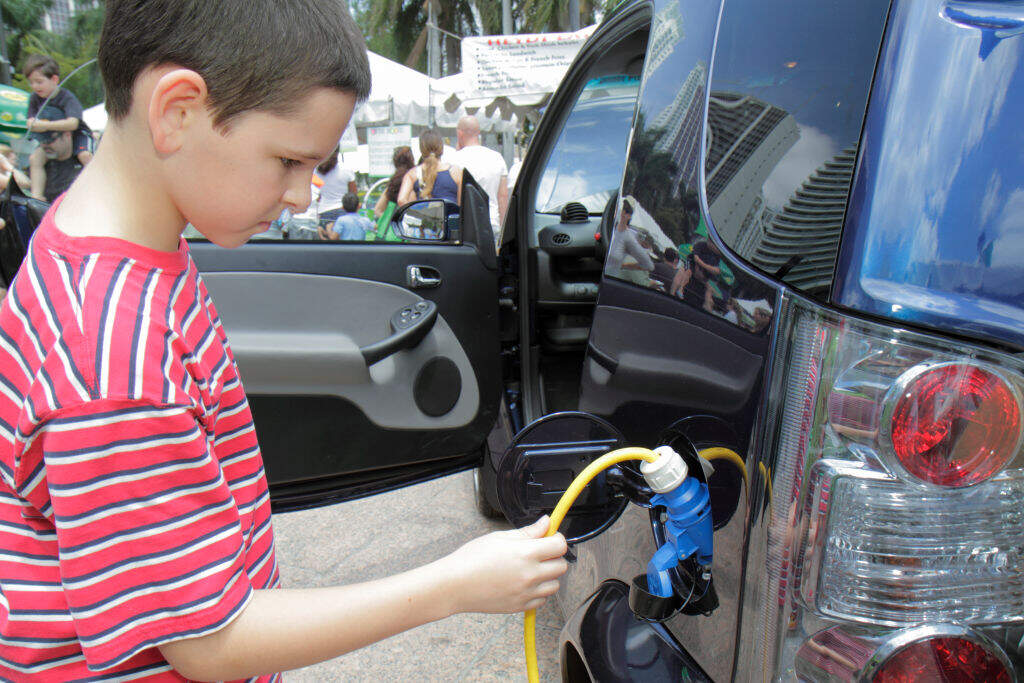
A 7-year-old in my neighborhood recently told me, "Everyone should have an electric car and not a gas car!" I smiled.
I was impressed by the forcefulness of his proclamation and his awareness of climate issues. As an activist, I've been frustrated by how little attention climate change has received in this election cycle. I understand that voters are focused on politically salient topics like inflation and abortion despite Americans feeling the direct effects of climate change frequently. But the idea that climate policy can't compete with other concerns doesn't fully explain why more people don't rank it closer to the top of their issue list.
My starting point for thinking about climate change is the imperative to decarbonize our energy systems — that is, to phase out energy sources that emit heat-trapping greenhouse gases. I've come to realize that resistance to the transition to clean energy is as much cultural as it is economic or technological. Failing to break down these cultural barriers will prolong dependence on fossil energy, hindering the transition to carbon-free sources as the impacts of climate change intensify.
American voters have always lived in a society where fossil fuels rule. To realize the transition to a decarbonized future, the cognitive knots that bind us to outdated energy systems must first be untangled.
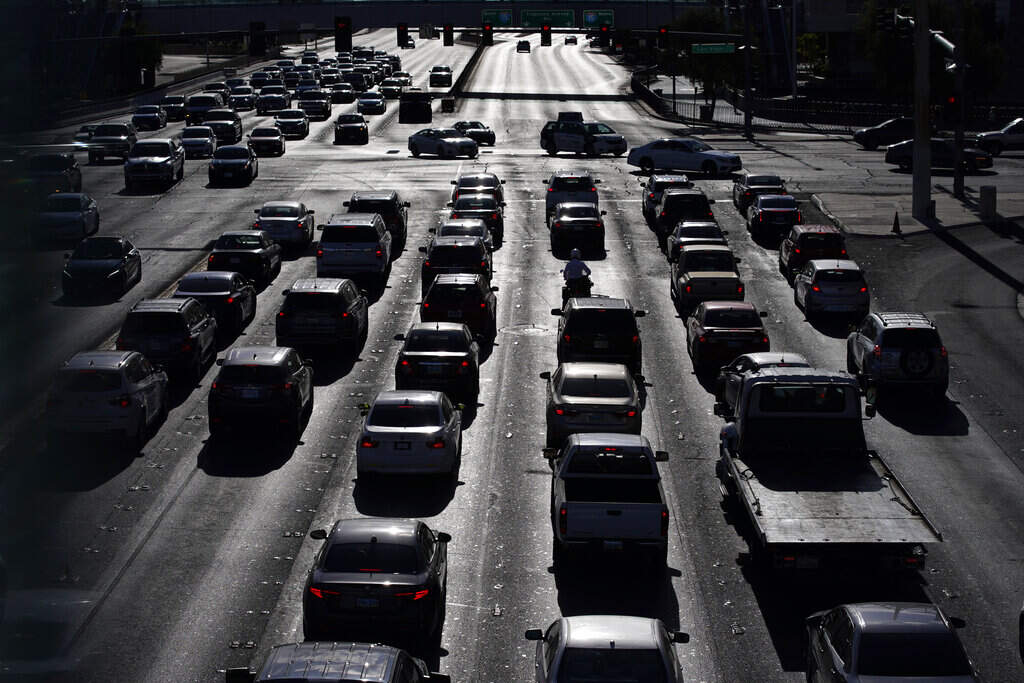
Fossil fuels pervade our physical world with the familiar hiss of a steam radiator, the reassuring whir and thrum when the ignition key turns, and the quiet intensity of the steady blue flame on a stovetop. The internalized conveniences of fossil fuels reinforce our dependence on them in everyday life.
Beyond our material comfort zone, fossil fuels inhabit the mental landscape of our shared identity. Our conception of America as an industrialized nation conjures images of factories, refineries and power plants. Our military, which symbolizes the nation's strength and global reach, is the world's single largest consumer of oil. The story of America's growth and wealth creation in the 20th century is grounded in the cheap and plentiful fossil fuels that powered industry and infrastructure.
Social scientists use the term "fossil fuel imaginary" to describe the framework of cultural narratives that shape our conceptualization of fossil energy, including the belief that fossil fuels are virtually inexhaustible. Record-breaking oil and gas production in the United States — even under an administration with respectable climate policies — lends credence to this trope.
Propaganda from the fossil fuel industry amplifies the abundance of hydrocarbons because doing so serves their interest. The urgency to develop competitive renewable energy sources is muted by a supply of oil and gas perceived to be endless.
To realize the transition to a decarbonized future, the cognitive knots that bind us to outdated energy systems must first be untangled.
A fossil fuel imaginary also encompasses the idea that natural resources are meant for human benefit. It prioritizes dominion over nature while discounting the damage to the environment caused by fossil fuel exploitation. Donald Trump's characterization of oil as "liquid gold under our feet" exemplifies this mindset, suggesting the nation must capitalize on its native fossil fuel assets in order to cut energy costs.
Another element of the mythos surrounding fossil fuels is their necessity and inevitability. In a recent interview with The New York Times, Vicki Hollub, CEO of the oil giant Occidental Petroleum, was asked when the use of fossil fuels should end. "The day that should happen is the day when we run out of oil and gas," she responded. Implicit in her thinking is the techno-optimism that asserts the nation's celebrated ingenuity will somehow enable us to continue using oil and gas without producing harmful emissions.
That kind of thinking is not exclusive to oil executives and venture capitalists. Research from the Pew Foundation found that more than two-thirds of Americans oppose phasing out fossil fuels.
Presented with the predicament of cultural inertia impeding the energy transition, social scientists have suggested a "post-fossil imaginary." This new paradigm could eventually supplant the ways of thinking about energy that prevail today.
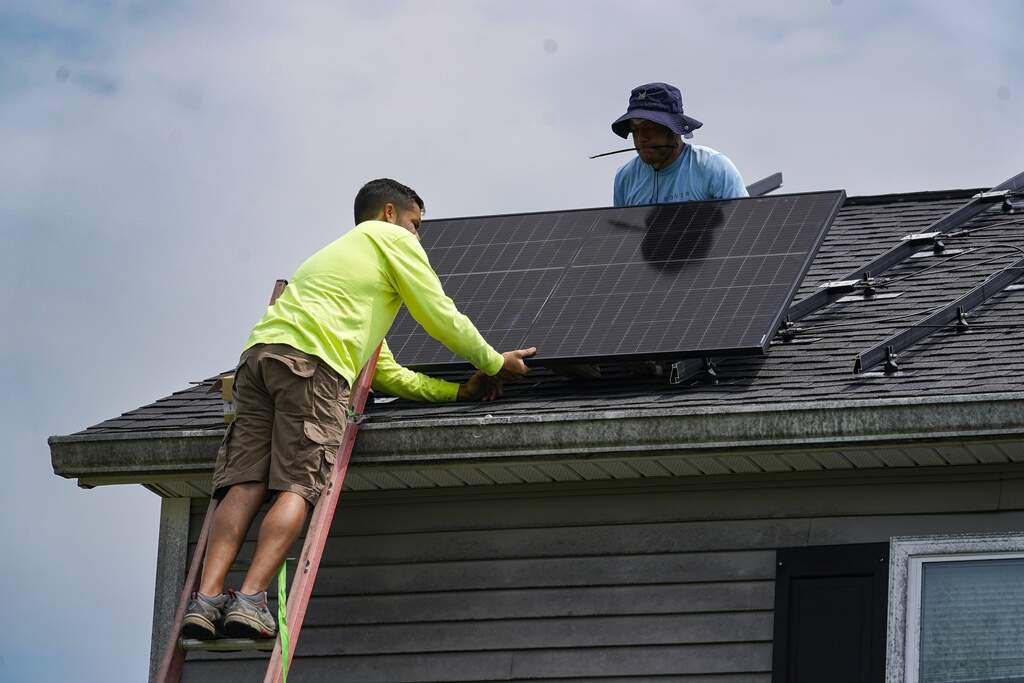
This vision foresees society reconsidering the primacy of fossil fuels and instead embracing values that favor renewable sources and electrification. That implies a fundamental pivot away from energy that is extracted, commodified and stockpiled toward energy that primarily depends on investment in infrastructure, such as solar arrays and wind turbines.
In an idealized post-fossil fuel world, new social norms reflect an enlightened view of humanity's niche in the biosphere. Sufficiency takes precedence over excess, sustainability over economic growth. Consumers benefit more from enjoyable experiences and improved well-being than from buying material goods. Society valorizes ecological restoration and biodiversity.
That may all sound unrealistic, but cultural standards do evolve. I think about the beliefs my parents held 60 years ago regarding race, gender, mental health and smoking. If renewable energy continues to advance at present rates on the technological front, then parallel currents of societal consciousness will allow a transformative energy transition to take hold.
Perhaps my 7-year-old neighbor’s declaration about the dominance of EVs will turn out to be accurate. By the time he starts driving, a “gas car” may seem as obsolete as a rotary phone. The current generation of Americans might never get fully behind the transition to a post-fossil world, but I believe the next one will.