Support WBUR
Commentary
We ought to remember this: Martin Luther King, Jr. was a radical
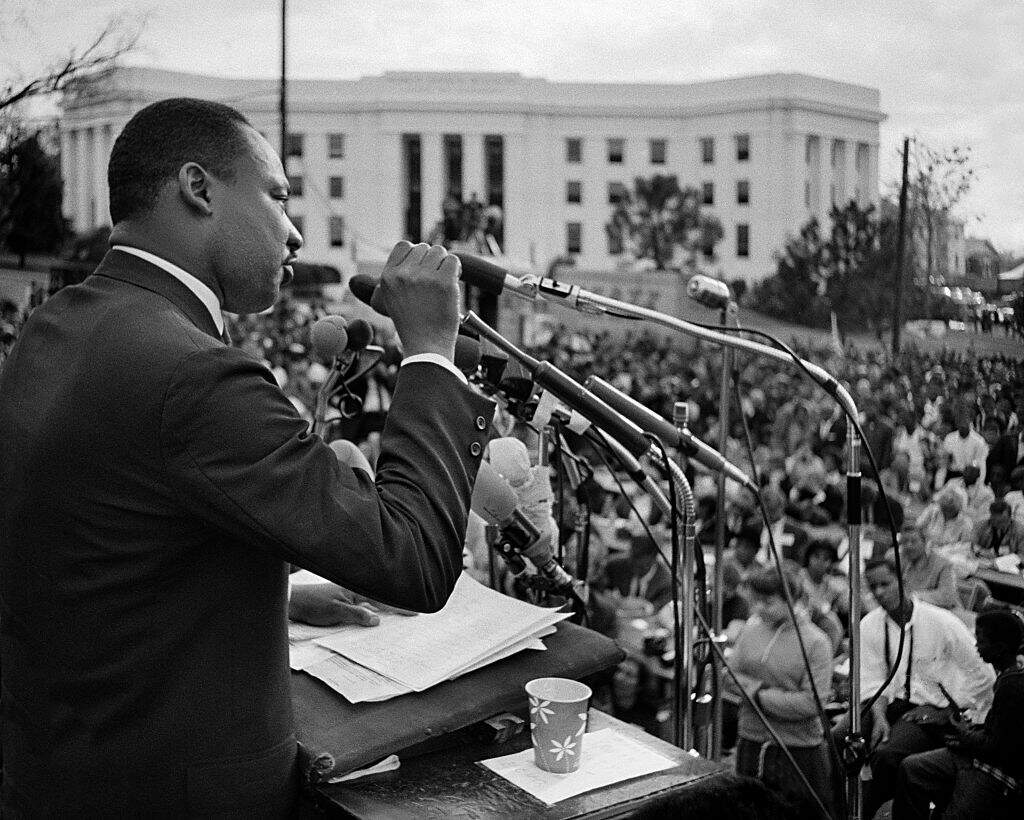
As the nation commemorates Dr. Martin Luther King Jr.'s 96th birthday, we must confront an uncomfortable truth: The sanitized version of King’s legacy that pervades our national consciousness does a disservice to the revolutionary spirit he embodied. King was assassinated when he was just 39 years old, cut down in his prime while fighting for economic justice alongside Memphis sanitation workers. This fact alone should give us pause when considering how we choose to remember him.
Solely painting King as a non-violent leader who sought equality for all conveniently allows the bearers of power to humanize his legacy through a federal holiday. Honoring King through days of services is to be applauded, and hosting events with transformative speakers that testify to his once-in-a-generation place in history is salient to telling his story. However, it is incumbent upon each of us who seek to lift future generations as we climb to share the fullness of King’s story.
Today, it has become morally convenient to reduce King to a unifying figure — a Southern preacher and drum major for justice celebrated for his steadfast commitment to nonviolence — a portrayal that, while significant, captures only part of his legacy. He was far more than that: He was a steward of hope and a fearless truth-teller who challenged society to confront its deep-seated complacency and the urgent need for radical change.
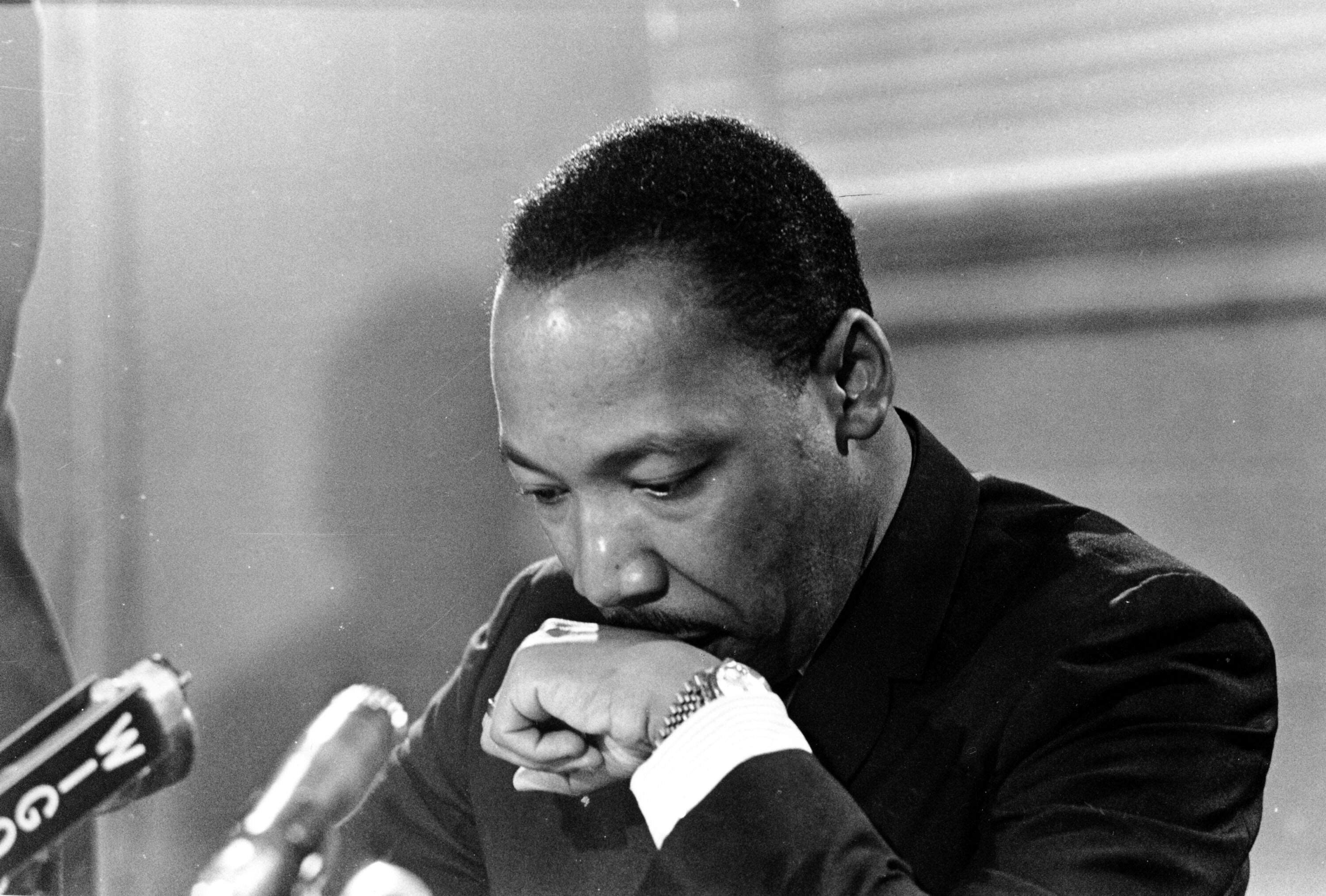
"True peace is not merely the absence of tension; it is the presence of justice," King once declared. Yet today, many prefer to selectively quote King in ways that soothe rather than challenge, that placate rather than provoke. For instance, those protected by wealth, access and proximity to power often gravitate toward King’s more palatable statements while avoiding his fiercer critiques of American society's structural inequities. King recognized the limitations of protest and the urgent need for systemic change. He warned against treating symptoms without addressing root causes, stating:
The war in Vietnam is but a symptom of a far deeper malady within the American spirit, and if we ignore this sobering reality, we will find ourselves organizing ‘clergy and laymen concerned' committees for the next generation. They will be concerned about Guatemala and Peru. They will be concerned about Thailand and Cambodia. They will be concerned about Mozambique and South Africa. We will be marching for these and a dozen other names and attending rallies without end unless there is a significant and profound change in American life and policy.
King also underscored the limits of self-determination in a society structured by racism, division and marginalization. He pointed out the cruelty of expecting upward mobility without addressing systemic inequities, stating, “It’s all right to tell a man to lift himself by his own bootstraps, but it is a cruel jest to say to a bootless man that he ought to lift himself by his own bootstraps.” His words challenge us to move beyond the gospel of individual effort to confront the entrenched barriers that hinder true equity and progress.
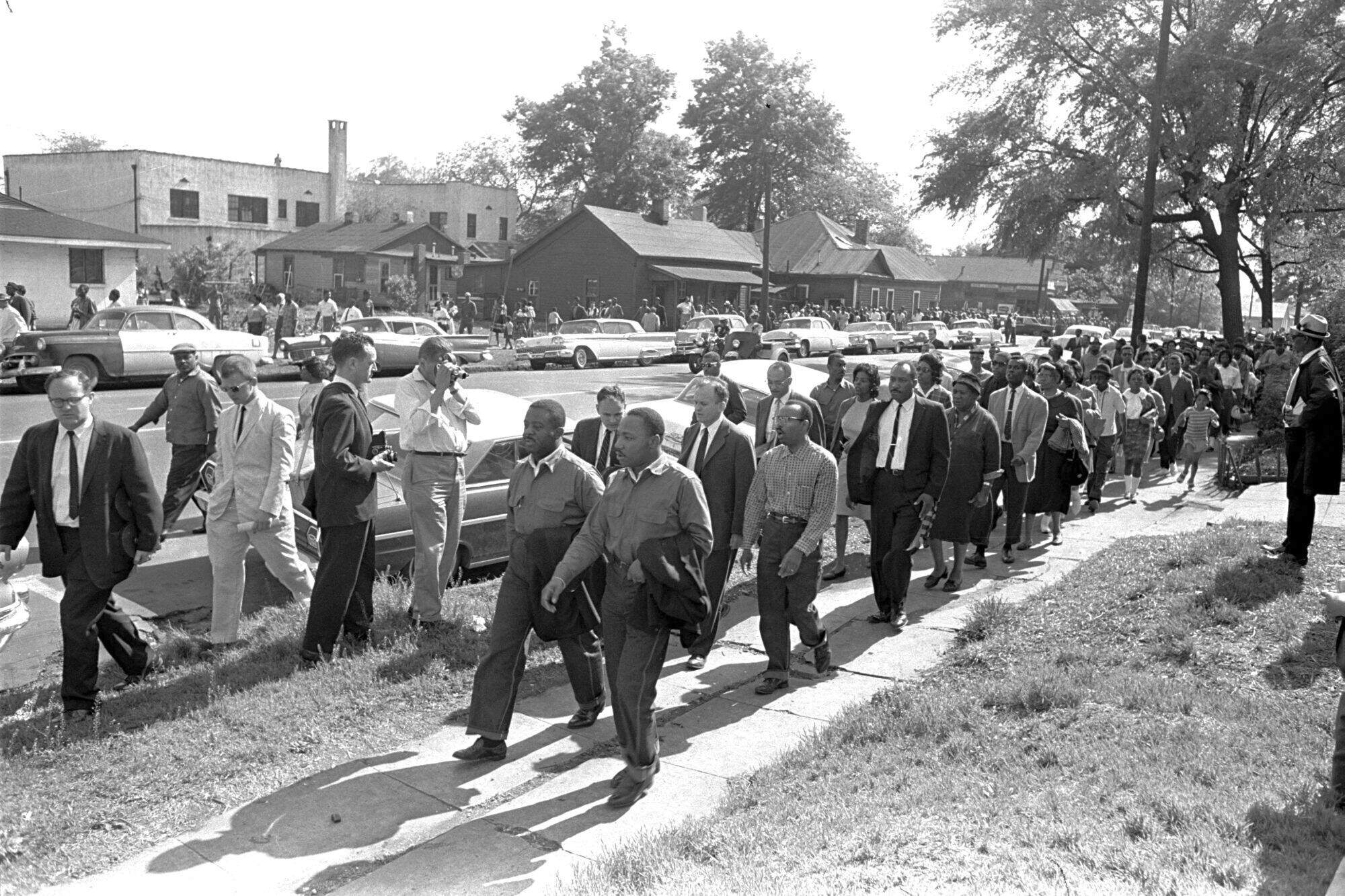
In his final years, King became increasingly focused on economic justice and systemic change. After all, he asked: "What good is having the right to sit at a lunch counter if you can't afford to buy a hamburger?" This evolution in his thinking challenges us to examine contemporary issues through a different lens. Consider King's words: "We are now faced with the fact that tomorrow is today. We are confronted with the fierce urgency of now."
This urgency should guide our approach to corporate and institutional commitments to equity. The initial wave of promises following George Floyd's murder — including police reform, racial equity audits and diversity pledges — must be followed by sustained, meaningful action rather than symbolic gestures. For example, passing comprehensive police reform legislation, such as the George Floyd Justice in Policing Act, and not only meeting, but exceeding diversity pledges by publicly tracking progress in the corporate sector and funding Black-owned businesses at scale.
The mental health crisis within marginalized communities deepens the struggle for equity and justice, and is compounded by systemic neglect and stigma surrounding mental health care. King’s own experience highlights this reality: He wrestled with depression throughout his life and even sought therapeutic support. However, he hesitated to fully engage in treatment, fearing that his vulnerability might be weaponized to undermine his leadership. King’s struggle not only underscores the need for compassionate mental health resources in marginalized communities, but also reveals his profound humanity and resilience. His ability to lead amidst such challenges serves as a powerful testament to the intersection of mental health, societal pressure and systemic inequities. And his struggle reflects a broader truth about the psychological toll of systemic racism, something recently made even more acute as many Americans watch racial violence unfold on digital screens.
"Human progress is neither automatic nor inevitable," King reminded us. This truth demands that we move beyond performative acts of service to embrace genuine resistance. We must challenge our elected officials to embody the highest of ideals, and confront the gaps in opportunity that, while no longer enforced by Bull Connor or James Clark, still persist — in more subtle but equally damaging forms.
The way forward demands adopting King's more transformative vision — one that challenged not only blatant racism, but also the very foundations of American society. His call to transition from a society centered on materialism to one focused on human dignity and compassion was a plea for sweeping, systemic change — not gradual adjustments.
Today's challenges — from educational inequality and economic disparity, to voter suppression and police violence — demand that we engage with King's full legacy, not just the portions that we’re comfortable with. Because, as he reminded us, "The ultimate measure of a man is not where he stands in moments of comfort and convenience, but where he stands at times of challenge and controversy."
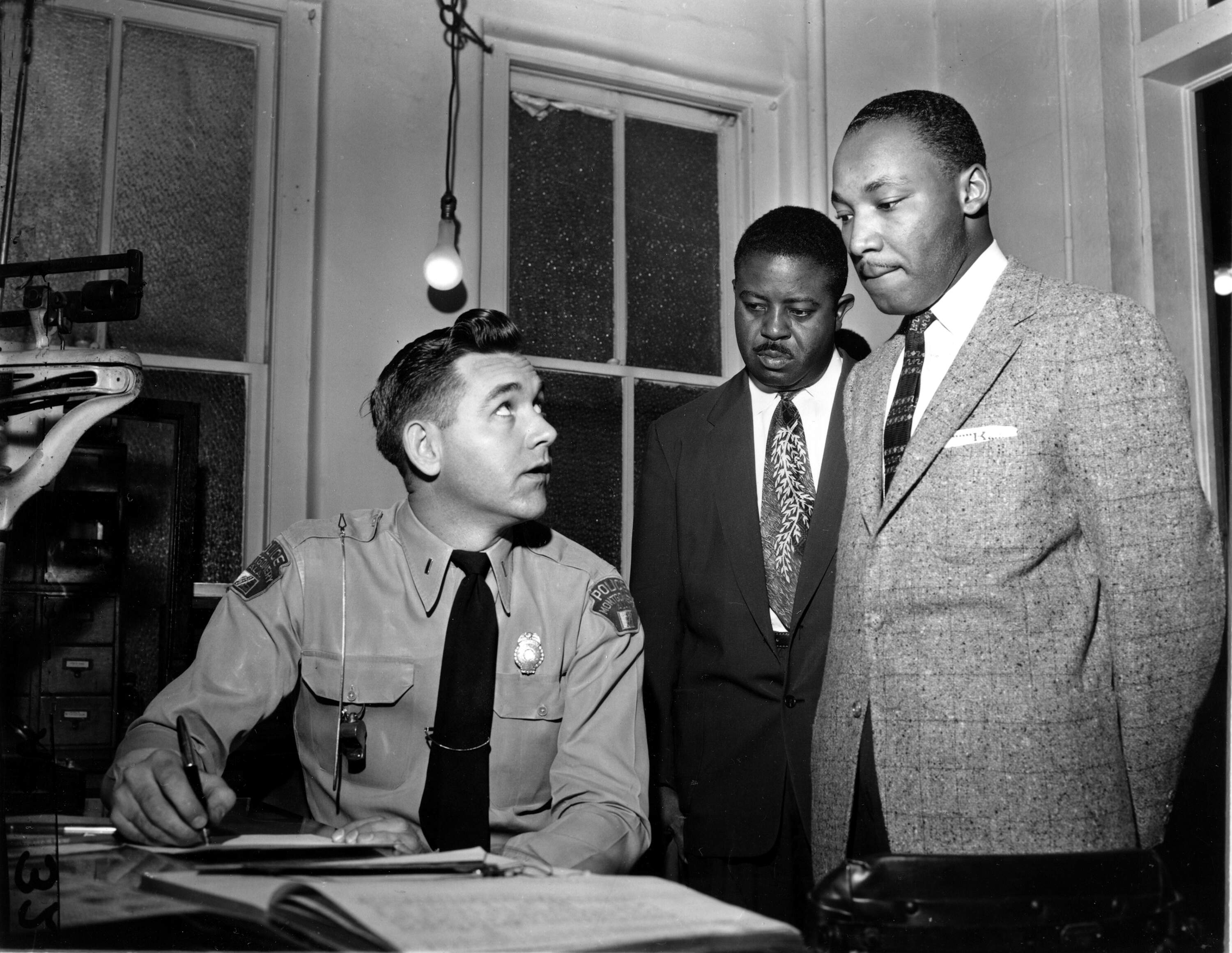
To truly honor King's legacy, we must move beyond annual parades and carefully curated quotes for social media. Instead, we must embody the spirit of resistance that defined King’s later years, pushing ourselves to confront systemic injustices with the same unwavering courage and clarity he exemplified. Whether enduring nearly 30 arrests for acts of civil disobedience and fabricated charges, or earning the distinction of being the youngest recipient of the Nobel Peace Prize for his steadfast commitment to nonviolent resistance, King’s life offers a timeless blueprint for challenging oppression and pursuing meaningful change.
Only by engaging with the most challenging aspects of King's legacy — his critique of economic inequality, his call for systemic change, his demand for radical transformation — can we hope to move from performative appreciation to meaningful progress. The journey from good to great requires more than comfortable quotes; it demands uncomfortable action.
Follow Cognoscenti on Facebook and Instagram. And sign up for our weekly newsletter.