Support WBUR
Commentary
It's okay you didn't kill him
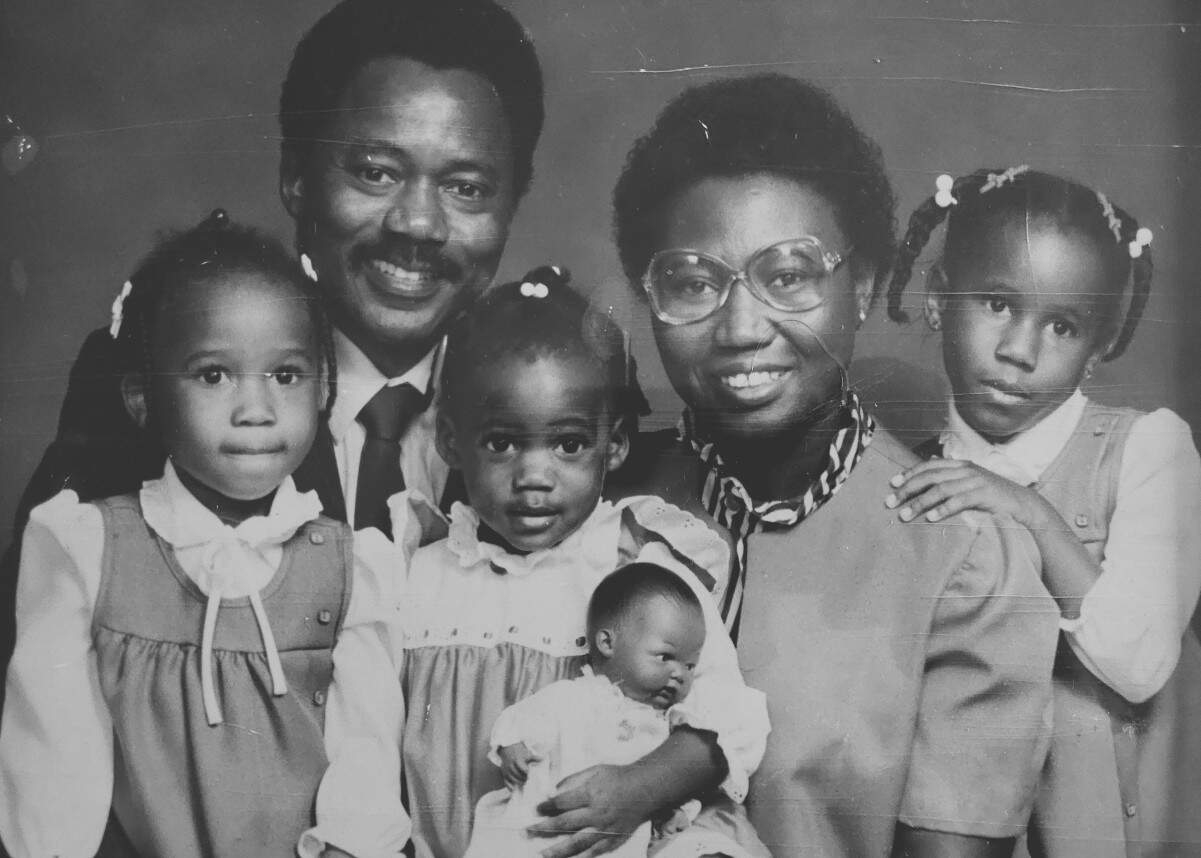
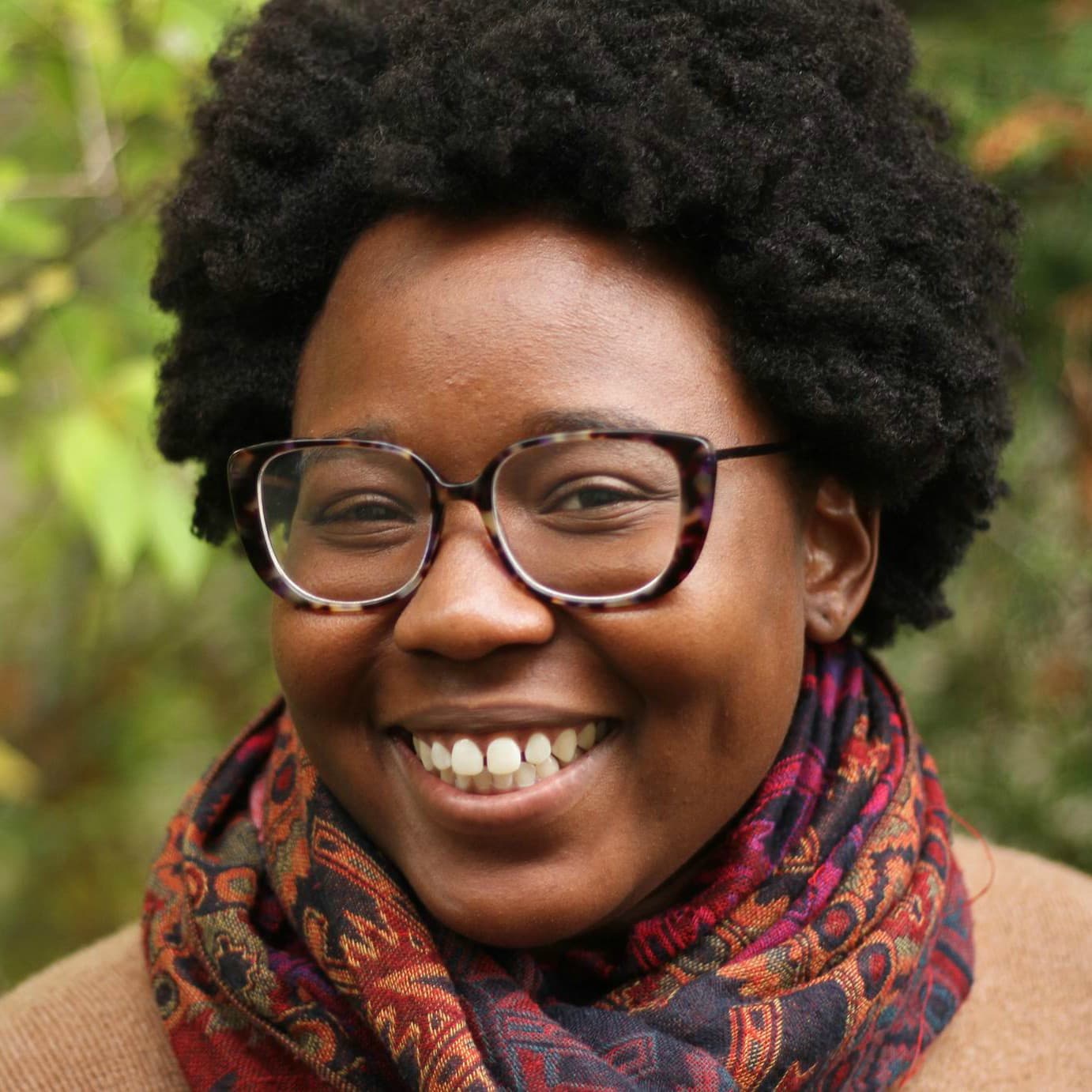
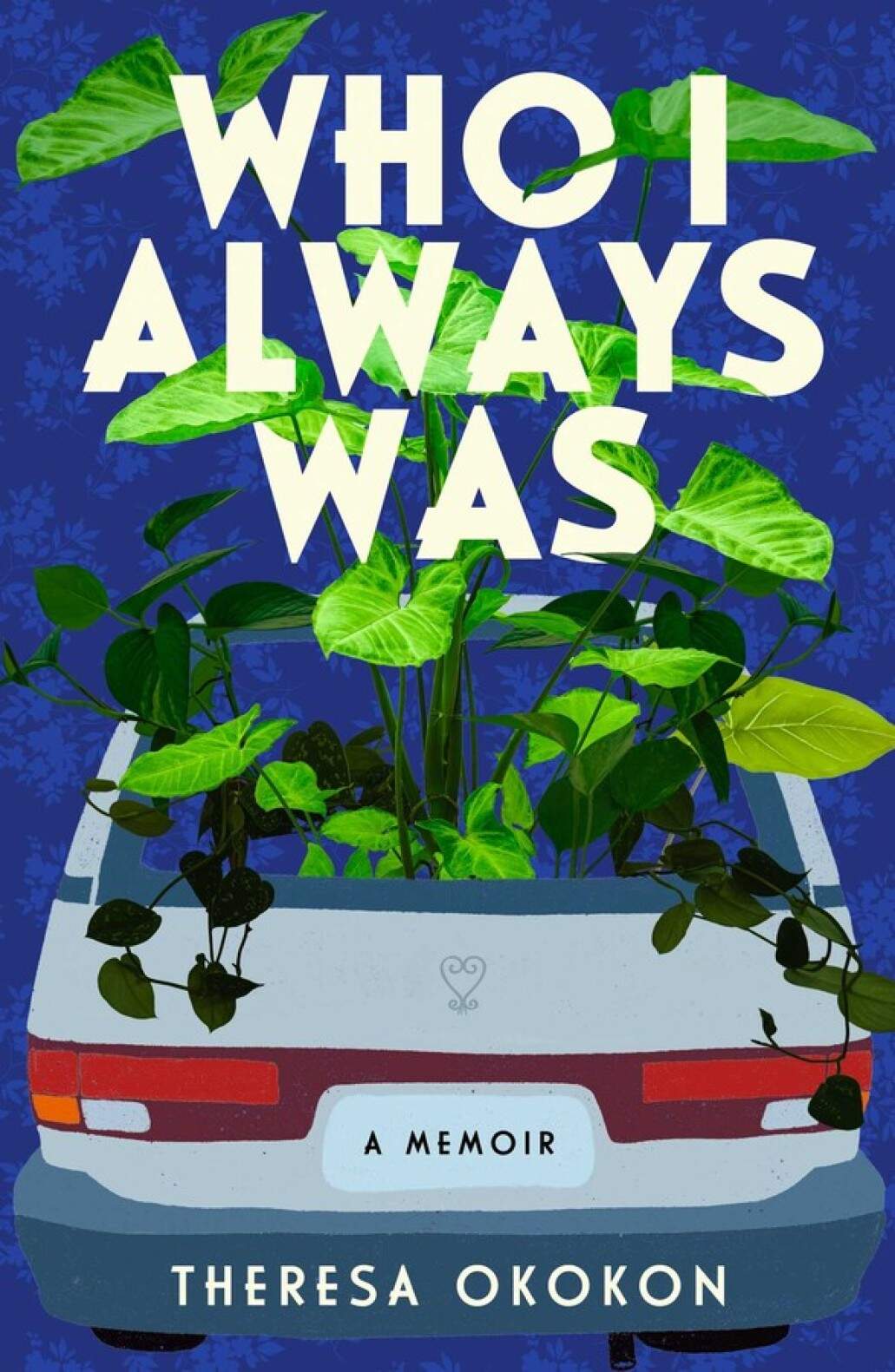
Editor’s note: Theresa Okokon is an award-winning writer, storyteller and teacher who was born and raised in Wisconsin. When Okokon was 9, her father returned to his hometown in Nigeria for a family funeral, and never returned. His mysterious death unraveled her family and is a defining event in her first book, “Who I Always Was” (Atria Books at Simon & Schuster), a memoir in essays. Okokon is the co-host of Stories From The Stage and a regular contributor to Cognoscenti. She is also an alum of the Memoir Incubator and Essay Incubator programs at GrubStreet. An excerpt from the chapter “It’s Okay You Didn’t Kill Him” is below. — Cloe Axelson
I don’t self-identify as the child of a man who was murdered because I cannot say for certain that I am. I cannot say for certain that I’m not either. So, immediately following my dad’s death, I tended to just not say much of anything at all.
There was an almost-silent hum around the hallways at Westside Elementary School and hushed conversations between the grown-ups when my mom would drop me off for a sleepover at a friend’s house. But it seemed like everyone in River Falls had collectively agreed that the details of my dad’s death were not up for public discussion — at least not when us kids were around. Years later, I’d come to understand that some of my friends’ parents told them he’d been bitten by a poisonous snake, and others heard that he’d fallen to rabies from a bat.
Some questioned if perhaps he’d chosen to leave me, my mom, and my siblings behind. And quietly, the grown-ups began to believe that maybe something more sinister — something retaliatory, perhaps — had happened. But they couldn’t say for certain that it was murder. Of course, they couldn’t say for certain that it wasn’t either.
Whenever anyone asked me what happened to my dad, I took to giving a simple, nonexplanatory response. He went to Africa for his mom’s funeral, and he never came back. While this didn’t seem to lead anyone to assume my dad might have been murdered, it did come across with an unintended air of mystery. And it certainly didn’t close the door on any abandonment theories. I spend most of my time uncomfortably avoiding it, but my worst fear is to be abandoned. And my second worst fear is for anyone to think I’ve been abandoned. So, as I got older, I revised my summary response to simply: My dad died when I was young.
I learned it was better to remove the mystery. Editing out the “and he never came back” seemed to achieve this, and negating mention that he’d died on a trip to Africa somehow softened the abandonment and shame I felt in my dad leaving us behind. Only fellow members of the Dead-Dad Club would interpret dying as a form of leaving — and they would be too busy dealing with their own versions of self-inflicted shame to ask me any further questions.
My dad died when I was young, I’d say. And everyone else would hear it, be sad, and then find a way to quickly move the conversation forward, lest my Dead-Dad cooties rub off on them.
Oh, I’m so sorry, they’d say. Accidentally (or on purpose) making the moment about their feelings, not mine. It’s okay, I’d say. On purpose. Because any good member of the Dead-Dad Club knows that it is our job to salve your sadness.
As a kid (and TBH still now), the only way I could watch a scary movie was by convincing myself that the plot could never happen to me. I didn’t tell ghost stories. I’d never puked up something that looked like pea soup. I hadn’t done anything last summer. As long as I couldn’t imagine the scary thing happening to me, it couldn’t happen. I think sometimes that’s why people don’t ask what happened to my dad. It’s easier when you can’t imagine it happening to you too.
But as I grew up, I got tired of silently being asked to hold everyone else’s fear, sadness, or discomfort. So eventually, I made another revision to my response.
Oh, I’m so sorry, they’d say.
It’s okay, I’d respond. You didn’t kill him.
It made people uncomfortable to receive this reply: And that was the point. My existence had become rooted in my own discomfort, and I was happy to spread those cooties to anyone who even inched toward getting too close. The details of my dad’s death continued to be shrouded in a hushed silence, but the theory that his family might have been involved was becoming increasingly prevalent. Although that was not a story I was open to telling. Not yet, at least.
Instead, conversations about my dad’s death would continue as I had scripted them to:
My dad died when I was young.
Oh, I’m so sorry.
It’s okay. You didn’t kill him.
I said it all the time because it was true. Until it wasn’t.
From"Who I Always Was" by Theresa Okokon. Used with permission of the publisher, Atria Books, an imprint of Simon & Schuster. Copyright © 2025 by Theresa Okokon.
Follow Cognoscenti on Facebook and Instagram. And sign up for our weekly newsletter.