Support WBUR
Commentary
I'm a psychiatrist. To ease a heavy heart, try looking for 'the glimmers'
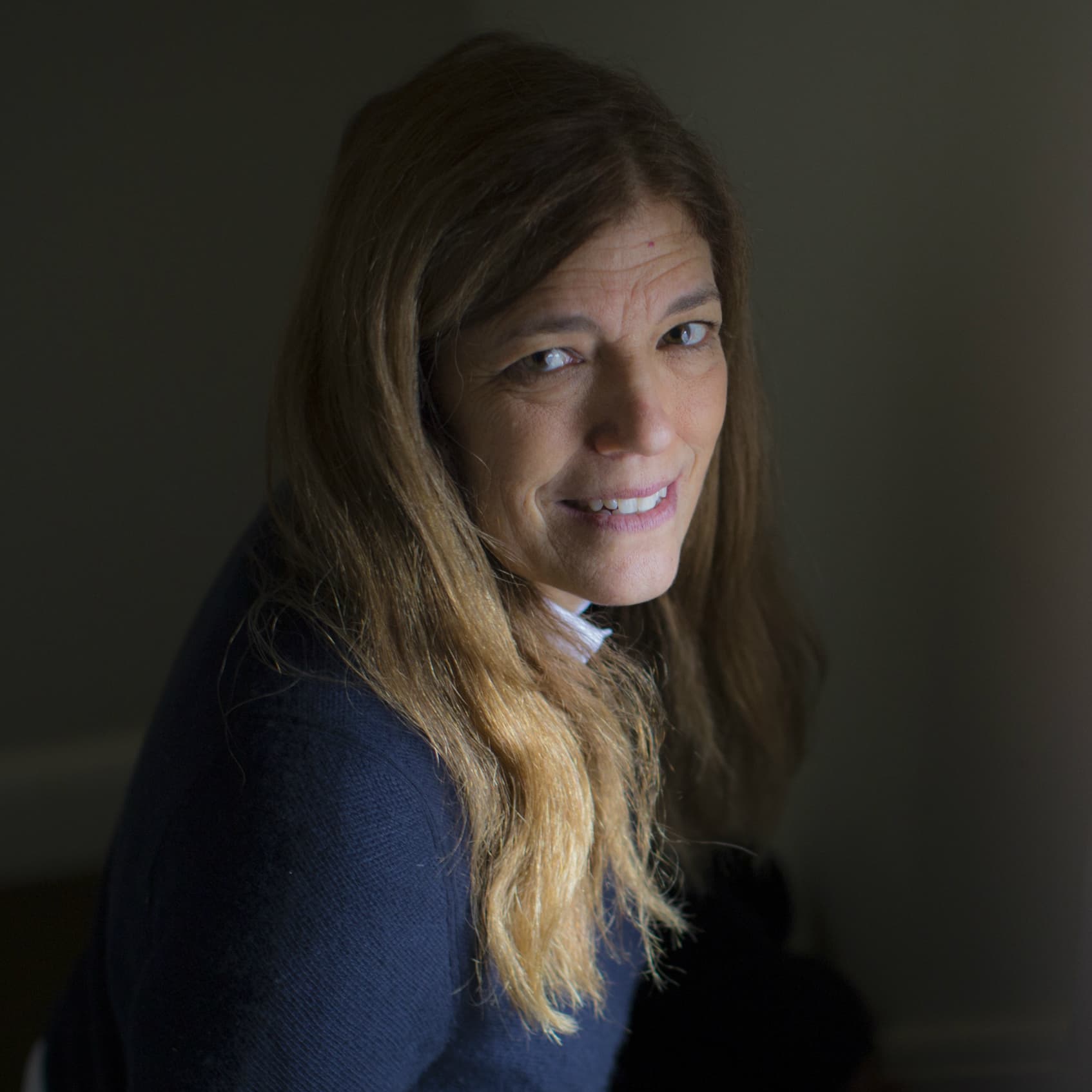
I am an associate professor of psychiatry at Harvard Medical School and for the last 30 years, I’ve taught first-year college students and medical residents, child psychiatrists and educators. I love my work, but today my heart is heavy. My international students are terrified that their visas will be revoked, educators watch as the Trump administration dismantles the department of education and my neurodivergent patients are being singled out.
It is a challenging time to keep seeking, in Rev. William Sloane Coffin’s words, “a passion for the possible.”
But I feel some responsibility to offer guidance. I want to hold onto hope for my friends and family, my patients and my students, while also validating their anger, understandable fear and bewilderment.
As a psychiatrist, one of the ways that I navigate challenging clinical problems is to seek out roadmaps — to adopt an aerial view of the situation.
These days I’m leaning on polyvagal theory to cultivate the discipline of staying grounded even in the face of threat. It is a way of thinking about how to feel safe and find joy in the presence of horror and fear.
Developed by Stephen W. Porges, an academic psychologist, polyvagal theory examines the science of safety and connection through human physiology. It focuses on the role of our autonomic nervous system, particularly our vagus nerve — the body’s longest cranial nerve, running from our brain to our large intestine — and our well-being.
The theory describes three primary nervous system responses that reflexively scan for threat or safety, often without the awareness of the thinking part of our brain.
First, the ventral vagal system engages when we feel safe and connected. In ventral vagal we feel “in the flow,” attentive and socially engaged. In this state we can be playful, purposeful and alert. We are more likely to make wise, effective decisions in this state.
Second is sympathetic arousal. This is a survival response that triggers protection through fight and/or flight. In this state we feel alarmed and frightened, and some of us may become aggressive.
The third state is dorsal vagal, when we respond to signs of extreme danger and helplessness by shutting down, freezing and going numb.
When we each stay as grounded as we can, our connection helps keep the darkness at bay and returns us both to ventral vagal well-being.
Observing and understanding our nervous system can improve our ability to move between these different autonomic responses, and in particular, to reclaim the well-regulated ventral vagal state. This is the place from which we figure out what we want to do — how we want to resist or cooperate -- without giving into dorsal vagal shut down, or lurching into sympathetic arousal.
It's unrealistic to remain in a state of optimal regulation at all times, but we can strengthen our ability to get unstuck and shift out of dysregulated states.
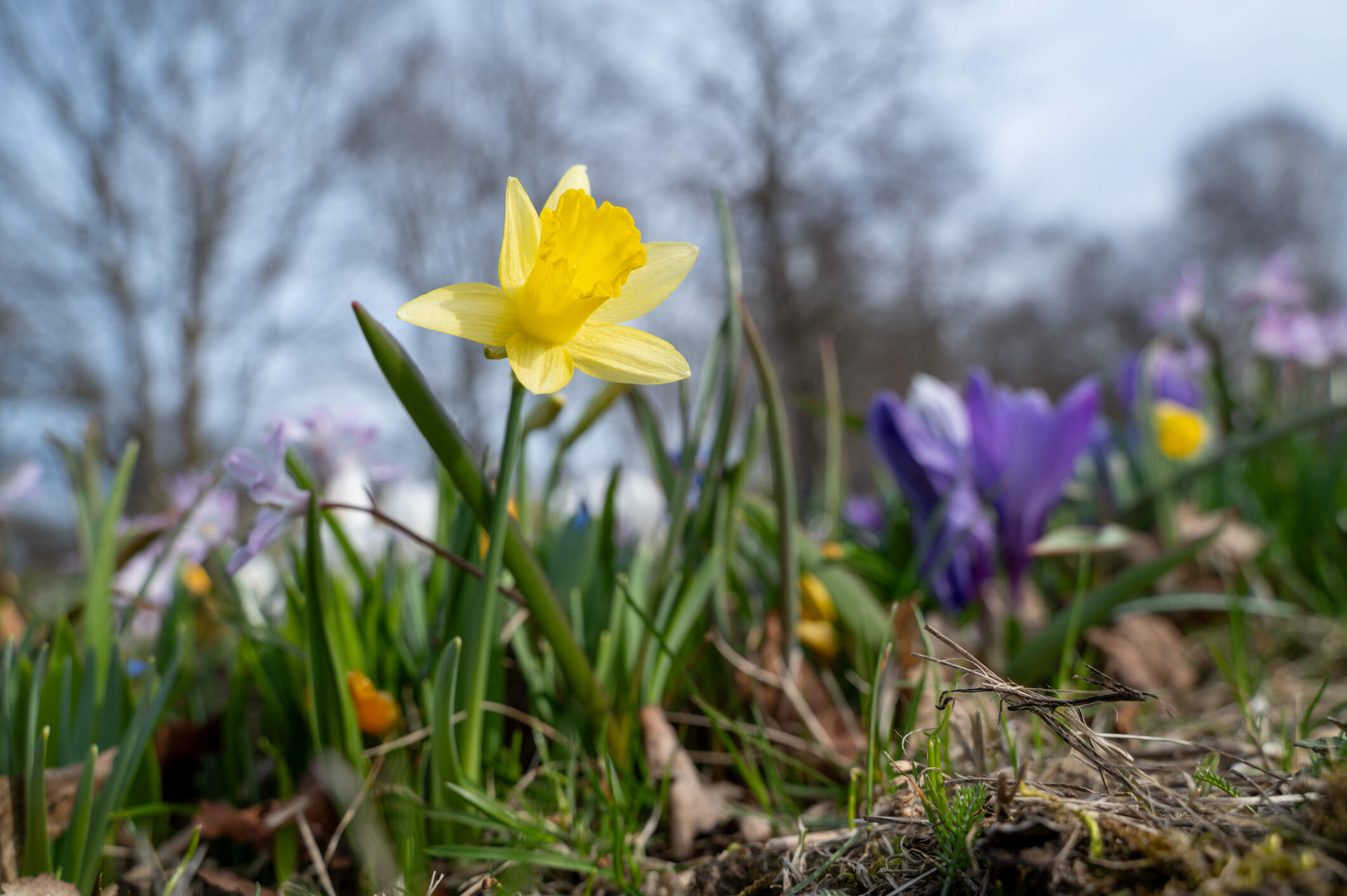
One way to help build this capacity is to identify and notice our “glimmers” – times when we sense an internal or external cue that brings us a sense of safety or joy. The uplifting power of observing small, ordinary beauty, or micro moments, can be stopping to appreciate the small pleasures. For some of us this might be noticing the daffodils of early spring. For others, it might be snuggling into the warmth of a sweater or fully savoring a sweet hug from a child. For me, it’s a run in the woods with my dog before a busy day teaching or seeing patients.
Polyvagal theory tells us that another way to repair and re-tune our nervous system is through co-regulation — this is similar to when a parent remains grounded, engaged and loving when their child is dysregulated or upset. Similarly, friends and partners co-regulate when one person is upset and the other brings close listening and caring warmth.
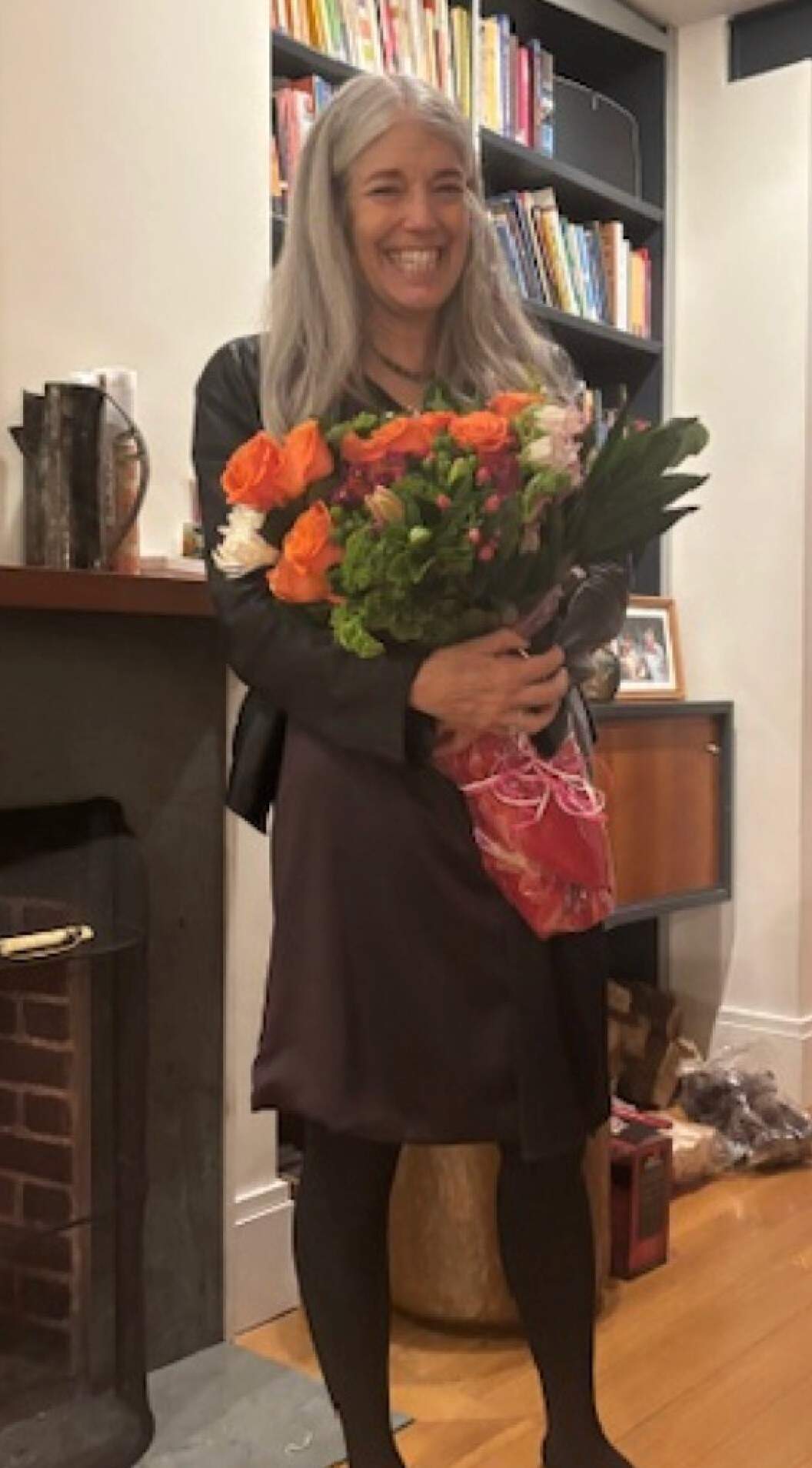
Now, as I listen to my patients agonize over our uncertain and potentially chaotic future, I am looking to bring my own grounded, solid presence to their fear and horror. Emotional states are contagious. When we each stay as grounded as we can, our connection helps keep the darkness at bay and returns us both to ventral vagal well-being.
I have hosted several gatherings over the past few months with this idea of co-regulation in mind. The first of these gatherings was a “bad ass” party, where my guests all shared a time when they acted with courage. I have always appreciated that my friends were “bad asses,” but hearing their stories, out loud, fueled me.
I hosted that first party just after the presidential election last November. One long-time friend, a lawyer, had just returned from a trip to Mississippi where she had been monitoring the polls. She told a story about speaking up when she witnessed someone was taking photographs of voters as they handed in their ballots, thus threatening the safety of the election process.
The next gathering was an “inspiration" party, where every attendee shared something they found inspiring. My former student pulled a spider plant out of her knapsack, saying that the plant had survived every scourge it had been subjected to, including six weeks with no water.
A few weeks later, came the “freedom" party, where people shared personal or literary stories of freedom. My Iranian friend read us Maya Angelou’s “The Caged Bird,” a poem that reminds us that a caged bird’s song cannot be silenced — it can still be heard, even from a distance.
Each of these gatherings provided a glimmer of ventral energy. A thank you note from a friend who attended one of the parties quoted Jose Andres (founder of World Kitchen food relief program): “Build longer tables, not higher walls.” The threads of connection we wove deepened our collective well-being – and shifted all of us into ventral vagal.
When I speak to groups of educators, I often tell them that the opposite of trauma is joy. We can all move from sympathetic arousal or dorsal vagal shutdown by finding a glimmer of hope, by focusing on the ties that bind us and by paying attention to micro moments of inspiration and “bad ass” courage.
We do not have the power to stop all the policies and pronouncements from the Trump White House. But amidst the doom and uncertainty, we can help each other intentionally shift our nervous systems from threat and despair, to grounded, peaceful clarity that can inform our resistance.
Follow Cog on Facebook and Instagram. And sign up for our newsletter, sent on Sundays. We share stories that remind you we're all part of something bigger.