Support WBUR
Medicaid was my passport to the world

My first seizure came when I was 11 years old. My mother took me out of school and from hospital to hospital in search of effective care. For decades, I tried what felt like every anti-seizure medication under the sun. They clouded my brain and left me with lifelong developmental delays. I have few memories from my teens and twenties. Only in my 30s was I able to finally find my footing and move out of my mother’s house and into a group home.
Medicaid was my passport into the world. When Massachusetts started its first Medicaid Home and community-based services (HCBS) waiver program in 1985, Medicaid helped pay for the expensive medications that finally put an end to my seizures; I would not have been able to afford them otherwise. Medicaid also helped to pay for my new group home and for the staff who both kept me safe and helped me become the person I am today. Eventually, Medicaid helped pay for my transition out of the group home and into an apartment of my own.
Without Medicaid, I might never have had the chance to be a part of my community the way I am today. I have my own apartment, a meaningful job and opportunities to advocate for the rights of people with disabilities like me. I have testified at state legislative hearings, I have co-chaired a state commission, and I have served on advisory boards for the governor and Massachusetts’ developmental disability agency. I’ve made positive differences not only in my life, but also in the lives of others.
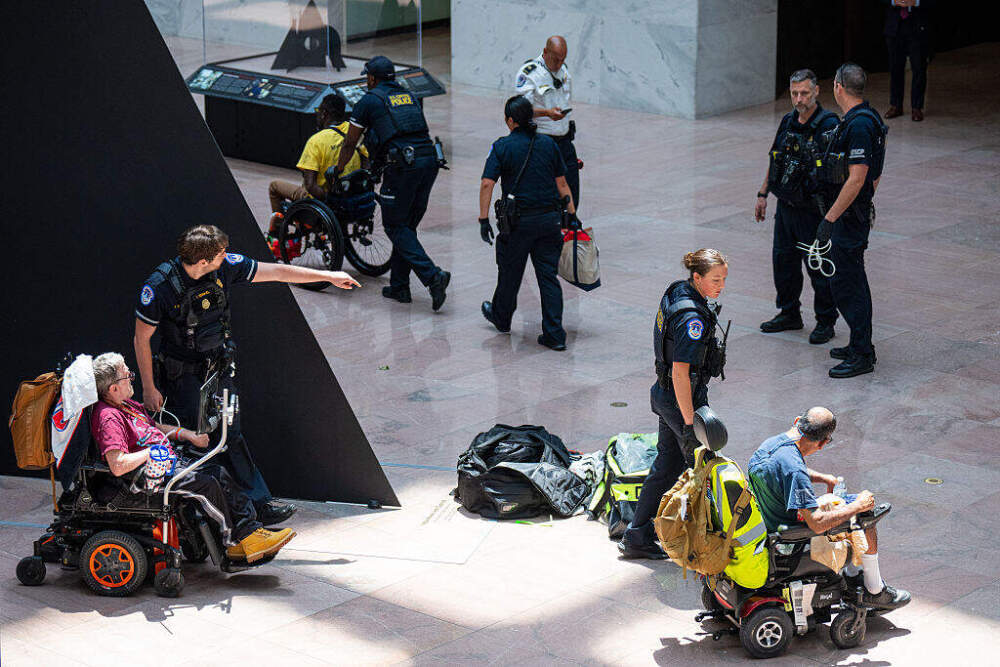
All that is now at risk. Congress’ nearly $1 trillion in Medicaid cuts will endanger the services that millions of other disabled Americans and older adults and I rely on every day — not only to live in the community, but also to make important contributions to it. Many of my disabled friends need Medicaid-funded services to stay healthy and safe. They need paid professionals to help them dress, bathe and get out of bed each day. What will they do when those services go away?
I fear for my peers. I fear drastic reductions in necessary health care services. I also fear the accelerated attrition of direct support professionals amid the chronic staffing crisis. And I fear that group homes and day programs will close and that service providers and insurers will go under. As a result, health care and personal needs will go unmet — for weeks or months. Accidents will happen, people will get hurt. And, as researchers have starkly predicted, tens of thousands of disabled and older Americans will die because of Congress’ Medicaid cuts.
I also fear for everyone who cares for and supports people with disabilities. Professionals who are already underpaid and overwhelmed will abandon the field. Some families will have to pay out of pocket for loved ones’ care. (I know my anticonvulsant medications alone would cost me over $48,000 per year if I didn’t have coverage.) Other families will have to take in loved ones who need care but face service cuts, leaving the paid workforce and sapping their physical and mental health. Friends and neighbors will also feel the strain of desperate people with disabilities who have run out of options, begging for help.
I don’t know what the future holds for me. I’m 71 years old. Though I have my seizures under control and the supports I need to live in the community now, I worry I won’t be able to adapt to this new depleted service landscape in the same ways I’ve navigated changes in the past. How will I get to medical appointments and the grocery store? Will I be forced to leave my apartment for a nursing home? Would I even be safe there?
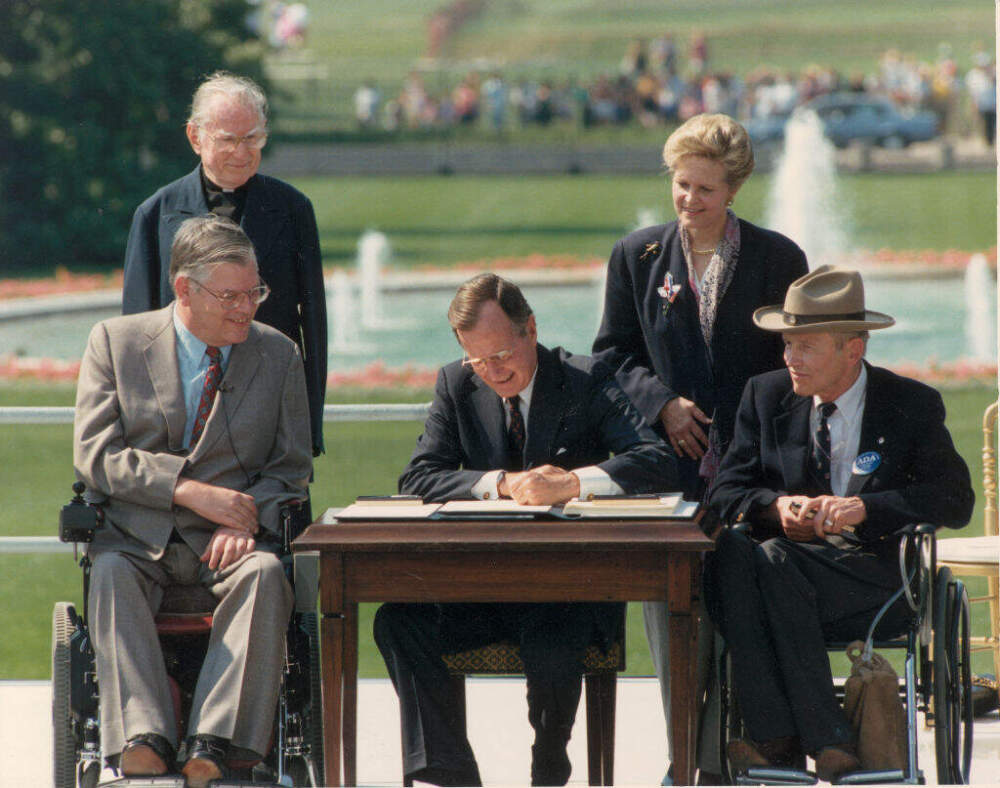
Thirty-five years ago, Congress passed the Americans with Disabilities Act (ADA). Then, a bipartisan Congress declared that persons with disabilities deserved “the opportunity to compete on an equal basis and to pursue those opportunities for which our free society is justifiably famous.” This year, however, Congress has declared that those opportunities come at too high a cost to the U.S. taxpayer. While economists debate whether the “One Big Beautiful Bill Act” will bankrupt the nation’s treasury, it is already clear to me and many in the disability community that this Congress has morally bankrupted the nation by endangering our opportunities to be included in society as equals.
Follow Cog on Facebook and Instagram. And sign up for our newsletter, sent on Sundays. We share stories that remind you we're all part of something bigger.