Support WBUR
Essay
My mother's caregivers give her what I cannot
The communique from my mother’s nursing home landed in my inbox, almost whispering that there were “some staffing changes due to U.S. immigration policy.” It went on to note that to comply with the law, “this includes ensuring that every employee has valid work authorization.” While the tone was bureaucratic, it was also practically apologetic for the resulting layoffs.
New immigration policies have affected immigrants working in fields including construction, landscaping, agriculture and elder care. According to estimates, 1 in 6 health workers in the U.S. are immigrants, and comprise some 28% of people working in direct long-term caregiving roles. The Supreme Court set a disaster in motion last May when it handed down a decision allowing the Trump administration to end a Biden-era humanitarian residency program for Cubans, Haitians, Nicaraguans and Venezuelans. Known as the CHNV, the Biden administration paused deportations of immigrants from those countries, temporarily granting them a two-year stay in the U.S. with permission to work.
As a result of the Trump administration’s new policy and the Court’s ruling, more than 500,000 people are in danger of having their parolee status revoked and being deported to their countries of origin where war and political turmoil can make life dangerous.
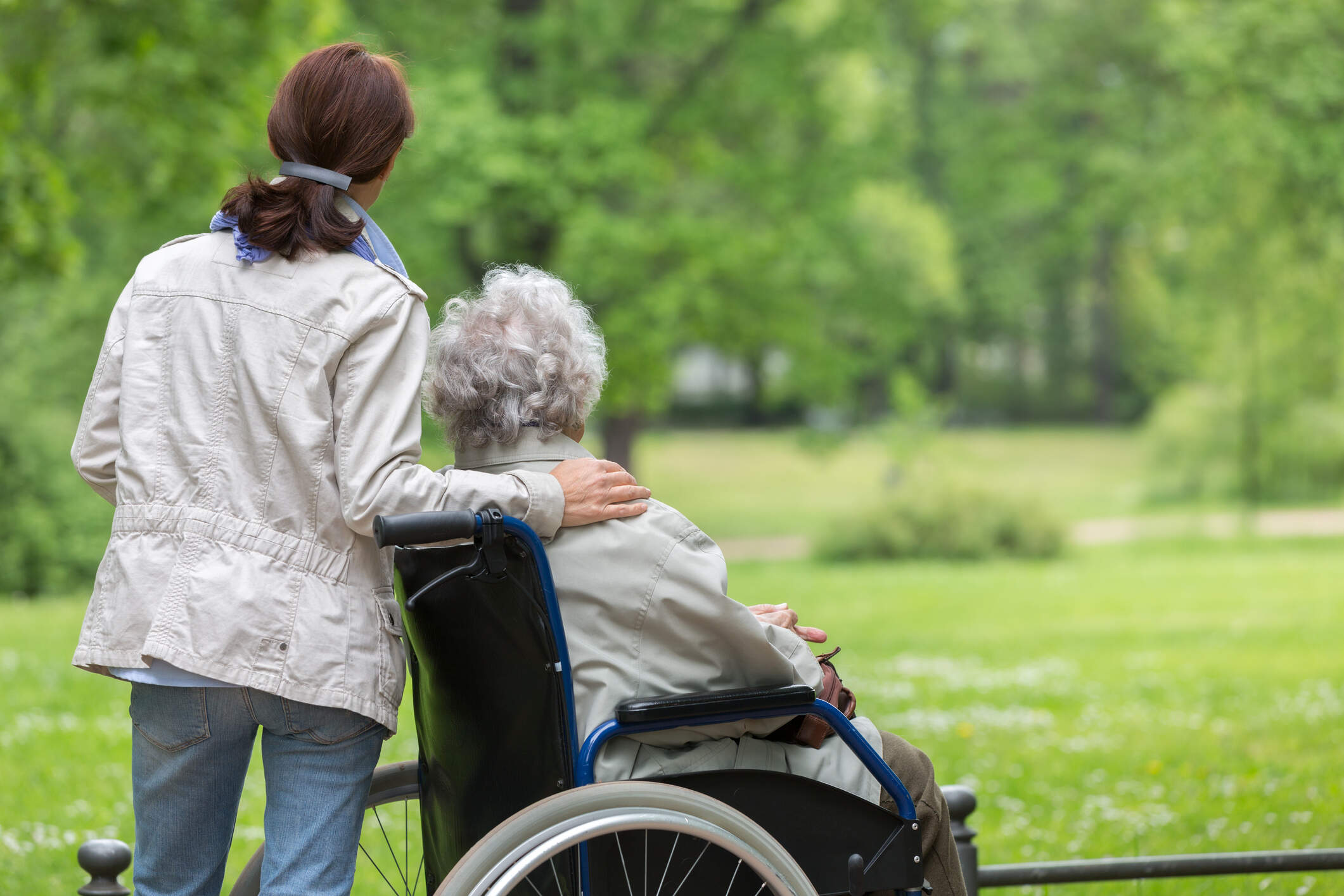
My mother arrived at her nursing home almost nine years ago; I moved her from Connecticut to Boston to be closer to me. At that point, she had already been in a wheelchair for nearly a decade, and since then, she has slowly descended into full-blown dementia. As she fades away, she cannot feed herself or speak coherently. Her nursing aides — who are a godsend to our family — have been devoted to her. They come from Haiti, the Caribbean and Central America. Even in her diminished state, my mother has forged strong bonds with them. Since the Trump administration took power, I worry her aides may be deported to perilous situations.
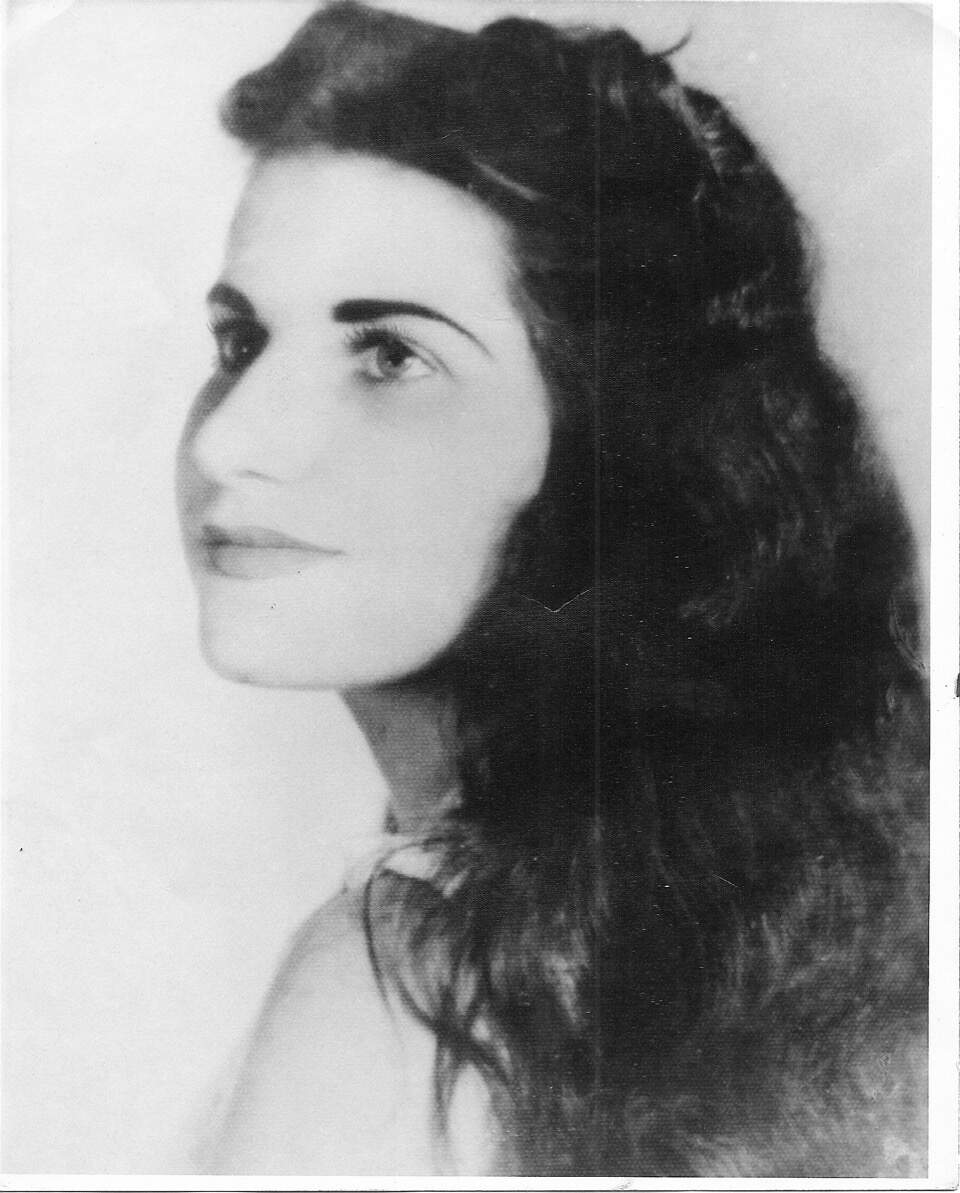
Placing my mother in skilled nursing was one of the most difficult decisions my siblings and I ever made. We’d run out of choices for my mother’s care, but even those circumstances did not lessen my guilt.
The women who care for my mother come mostly from cultures where family members care for their elderly at home, until the end. I often chastise myself for not doing the same. But the logistics and finances of having my mother live with me made it impossible. I — of the “sandwich generation” — was crushed between her overwhelming needs and my children’s overwhelming college tuitions.
And if I’m being honest — beyond the overwhelming burden of caring for an ill parent at home — my mother is a difficult person. We’ve always had a strained relationship.
But something happened to her in dementia land; she became sweet and loving. Our life-long sparring, which often broke out into outright fighting, ceased. My pugilistic mother is gone. In her place is a sweet woman who tells me that I’m a “nice girl.” Albeit sometimes in the third person, as in: “My daughter Judy is such a nice girl. Do you know her?” Or when things are very confusing for her, she asks, “Have I met you before? Or “I know I love you, but I can’t remember why.”
My mother will be 90 this month. I continue to marvel at all the ways the nursing home staff protects her dignity and shows her love. One time, I was playing Big Band music for my mother on my iPad, hoping to clear some of her cobwebs. Before they even clocked in for their shifts, a couple of the aides danced with her as she sat in her wheelchair. My mother’s personal aide brings her bright plastic necklaces and bracelets. A few years ago, my mom told me her aide said she was “beautiful.” Nothing could please my mother more.
I will never be able to thank them enough for brushing my mother’s hair, putting lotion on her dry face and always hugging her. I will be forever grateful to them for loving my mother in ways I cannot. They never encountered the side of my mother that was terrifying; they’ve forged an intimacy with her that I could never access. Through them I see the fifth commandment to “Honor your father and your mother” in real life. It’s been healing in a way — I bring more thoughtfulness to my interactions with my mother.
I asked my mom's nursing home how many of their staff are adversely affected by the administration's draconian approach to immigration, but they declined to comment, citing the need for privacy. Specific numbers are not yet available other than the fact that a large number of immigrants are employed as long-term care workers. Other sectors soon to be affected include construction and childcare.
According to an analysis by the nonpartisan Economic Policy Institute, the Trump administration’s deportation agenda — now backed by additional funding from the so-called Big Beautiful Bill — could result in nearly 6 million jobs lost, including some 3.3 million jobs presently held by immigrants.
The Bureau of Labor and Statistics predicts that there will be some 820,000 new caregiving positions to fill in nursing homes and individual residences by 2032. My sandwich generation is hurtling towards old age and will become dependent on an industry short on workers. Will there still be staff to offer me and my peers the love and care my mother’s aides have shown her?
Shame on us if we’re not considering their futures with our own.
Follow Cog on Facebook and Instagram. And sign up for our newsletter, sent on Sundays. We share stories that remind you we're all part of something bigger.