Support WBUR
Essay
As climate change wreaks havoc on the weather, Trump pursues policies that will make things worse
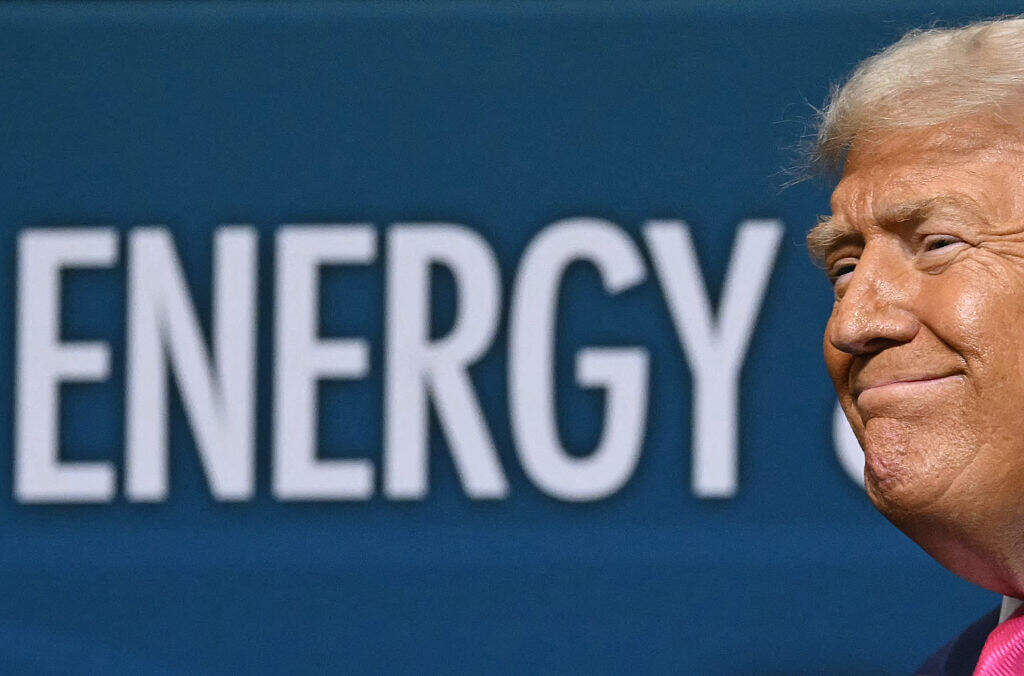
Immediately upon taking office in January, the Trump administration launched a determined effort to promote fossil fuels, hinder renewable energy and stall climate change mitigation efforts. As someone who regards the integrity of the climate as the single most consequential matter of long-term public policy, I have found the barrage of news from Washington jarringly disconnected from the reality of increasingly tumultuous global weather.
There has been a relentless succession of measures advancing what Trump calls “energy dominance,” a fossil-fuels-centric stance that calls for the unraveling of the Biden administration’s climate and energy policies. It has unfolded on a split screen: the effects of climate change raging across the planet, juxtaposed with Trump’s political appointees unwinding solar and wind programs, loosening regulations on oil and gas, and imposing obstacles in the path of green energy.
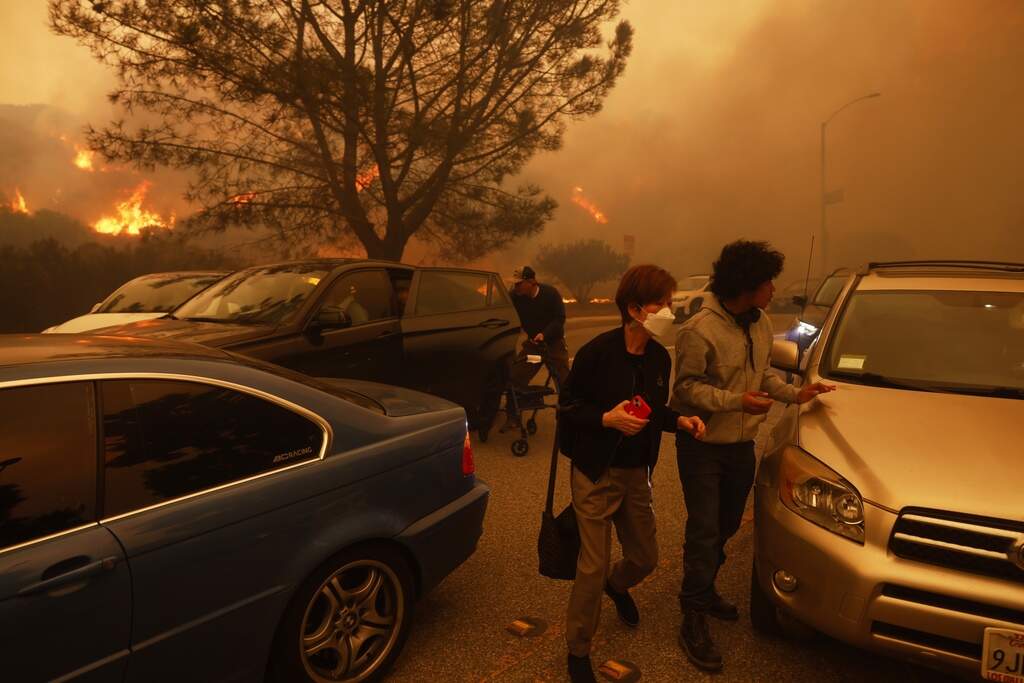
It began with executive orders withdrawing the U.S. from the Paris Agreement and suspending federal renewable energy grants and loans. Around this time, the Palisades Fire was tied to 440 deaths in California, where there had been no significant rainfall in eight months. Drought and heat waves also decimated crops in Argentina and Chile.
This is not to suggest there is a direct causal link between the actions of the current administration and any single aberrant weather event in 2025. The point is that the planet is exhibiting well-predicted greenhouse effects, and rather than attempting to limit the damage with proven renewable energy technology, Trump is blindly pursuing policies that will assuredly make matters worse.
Extreme weather continued in February and March. Severe floods struck Appalachia, killing dozens and causing billions in damage. In the Horn of Africa, drought brought famine to Somalia and Ethiopia. Meanwhile, the administration advanced oil and gas leasing in the Arctic National Wildlife Refuge, reversed methane restrictions, and canceled wind power expansion programs.
Trump’s anti-wind power crusade has stung in Massachusetts, where I live and where offshore wind is the centerpiece of the region’s plan to decarbonize its electric grid. The administration's antagonism toward wind has undermined the industry's viability, threatening New England’s clean energy growth and thousands of jobs.
In April and May, the EPA exempted 47 coal plants from emissions conformance, and the Interior Department fast-tracked drilling leases in the Gulf of Mexico. As the administration forged ahead on oil and gas, violent weather continued. U.S. cities were choked with smoke from Canadian wildfires, and catastrophic flooding struck France and Germany. Drought and heat severely damaged soybean crops in Brazil. Lethal floods returned to Kentucky, where torrential rain fell for six straight days.
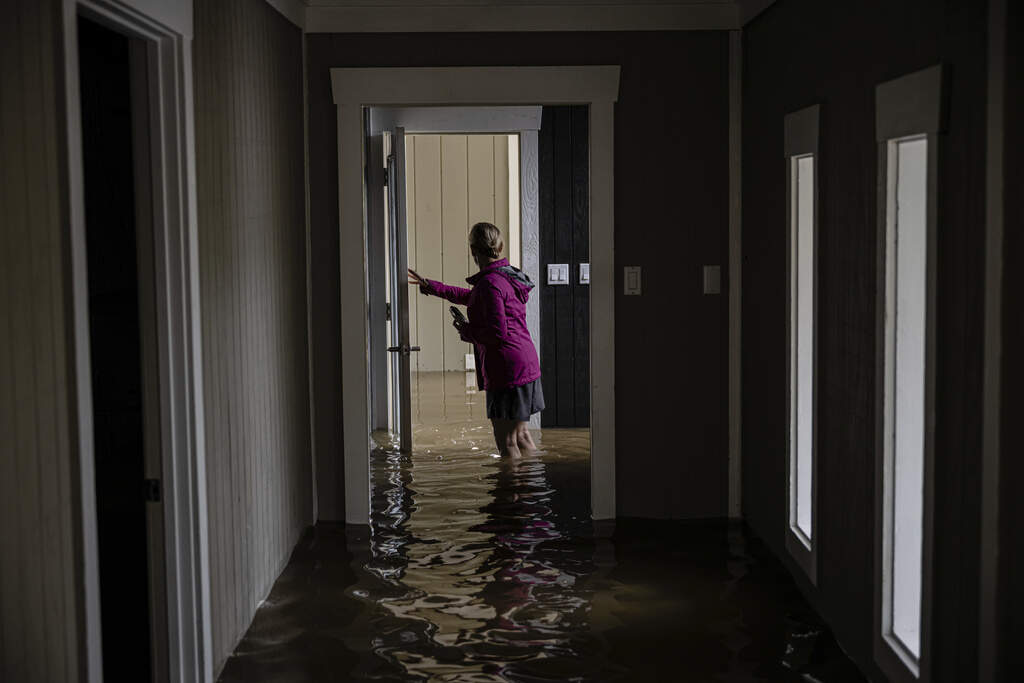
Climate skeptics will say it’s just “weather,” that is, there have always been floods, droughts and heatwaves. But there is sound science linking climate change and extreme weather events. Furthermore, climate attribution science has advanced dramatically. Using historical records and sophisticated models, scientists can now assess how warming amplifies heatwaves, storms and droughts. For example, the World Weather Attribution Project estimated that climate change made the April floods in Kentucky 40% more likely and the rainfall 9% more intense.
June brought another cascade of climate disasters: life-threatening temperatures in India and Pakistan, drought damaging the U.S. winter wheat crop and flash floods that killed 13 people in San Antonio. Yet the Department of Energy shut down carbon capture initiatives, and the Bureau of Land Management rescinded Biden-era protections in Alaska’s National Petroleum Reserve.
Economic pain has accompanied the push for Trump’s favored energy sources. Dozens of clean energy programs have been canceled or downsized, resulting in many thousands of lost jobs in both red and blue districts. The Democratic strategy of locating clean energy projects in conservative-leaning districts failed to protect them from Republican anti-renewable resolve.
In July, the EPA proposed to rescind its 2009 endangerment finding, a critical determination that underpins greenhouse gas emissions regulations. The agency also shuttered its research and development office, laying off over 1,000 scientists.
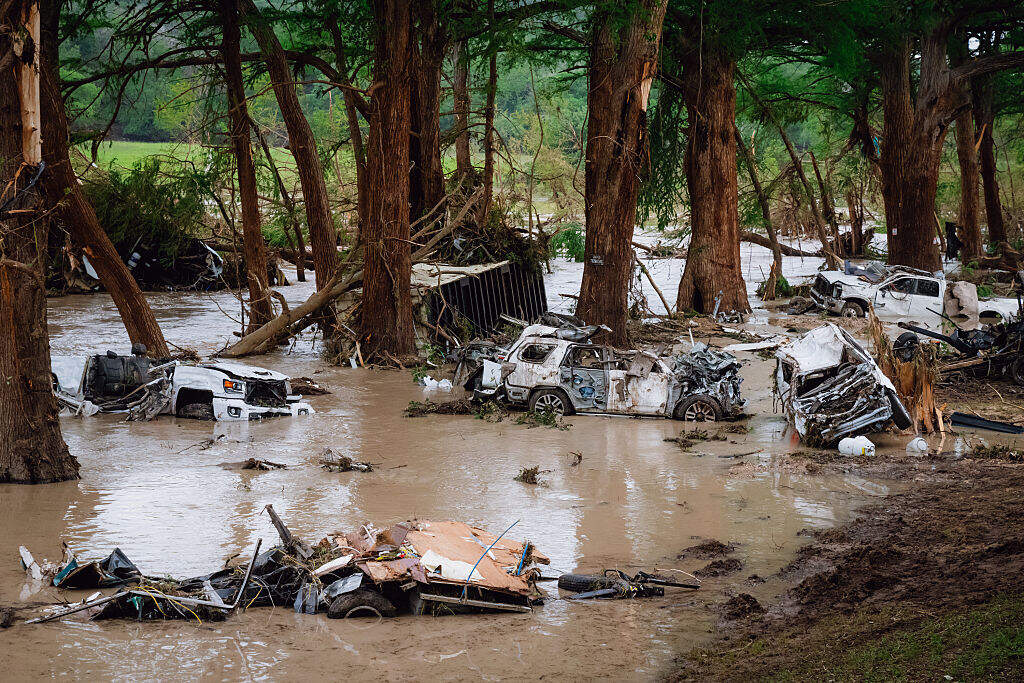
The most consequential political event in July was the One Big Beautiful Bill Act (OBBBA), arguably the most detrimental climate policy reversal in the nation’s history, signed by Trump on the same day that deadly flooding of the Guadalupe River in Texas killed at least 138 people, many of them children. The OBBBA dismantled much of Biden’s ambitious industrial policy aimed at promoting wind and solar energy.
So far in August, floods have devastated parts of Pakistan, Hong Kong and Bangladesh. Maricopa County in Arizona reports almost 400 deaths suspected to be heat-related this summer. Yet the administration presses forward, approving a coal mine expansion in Wyoming, and moving to cancel Solar for All, an expansive program to bring solar power to low- and moderate-income communities.
Trump’s abandonment of Biden’s wind and solar initiatives in favor of an uncompromising fossil fuel agenda, even as the fallout from global warming was abundantly evident in the headlines, is now a matter of record. Future historians will ask why the nation's leaders opted to embrace the very energy sources responsible for the increasingly chaotic climate. Trump's legacy will be measured not just in energy production, but in the years of progress lost while the climate crisis rolled on unchecked.
Whether America’s clean energy sector can withstand this onslaught and emerge strong enough to meet the worsening climate crisis remains uncertain.
Follow Cog on Facebook and Instagram. And sign up for our newsletter, sent on Sundays. We share stories that remind you we're all part of something bigger.