Support WBUR
Essay
What does the great horned owl say?
After a long summer of steamy humid nights, nothing beats sleeping with the windows open when the temperature finally drops. Fall weather arrived recently here in Michigan, where my family has a cottage, and I gratefully opened my bedroom windows to welcome the early autumn chill. I nestled in and waited for the white noise of crickets and cicadas to carry me off to dreamland.
Then I heard it: a high-pitched shriek, at irregular intervals, annoying and impossible to ignore. What on earth was it? I had to know. I reached for my phone.
Googling “what’s the best app to identify bird calls?” led me to a Cornell Lab of Ornithology app called Merlin Bird ID. Moments later, this app was installed on my phone, accessing my microphone, and listening with me to the irritating screeching that had become closer and louder. The increasing decibel level hammered on my last nerve; I couldn’t wait for the app to tell me what this bird looked like so I could go out on my balcony, find it and scare it away.
The joke was on me, because the app promptly informed me that the source of the sound was, in fact, a great horned owl. I stayed inside.
Eventually, I drifted off, but my last non-somnolent thoughts were of birds. How did I not know owls could make that sound? What other species were out there, occupying the nearby trees and skies?
I read my kids plenty of picture books that asked, “What does the owl say?” but nothing in those books prepared me to identify the noise I’d just heard. My great horned owl didn’t make the typical “hoo-h’HOO-hoo-hoo” sound I expected. It turns out that the female’s calls are different, as are those of owlets.
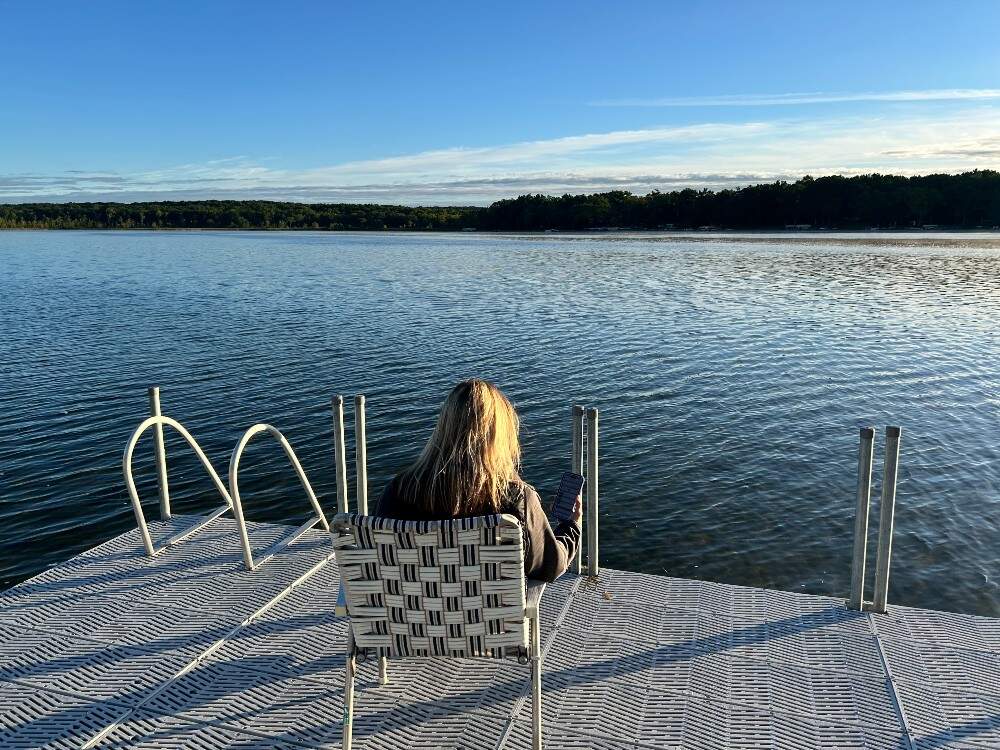
The morning after my owl identification epiphany, I headed outside with my phone and a cup of coffee. I typically hear a lot of avian activity in the mornings, but I always considered it background noise to my daily digital routine (checking texts, playing Wordle, reading news headlines). This time, I focused on the birds.
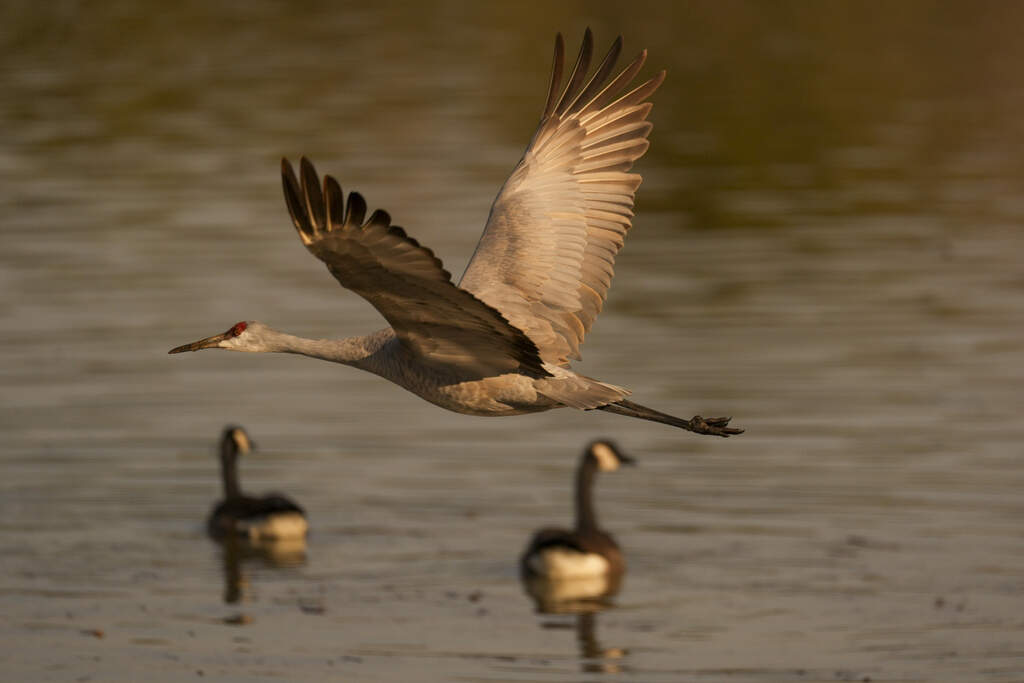
I opened the app, clicked the microphone to start recording, and watched my screen. The cacophony in my ears was the same anonymous chirping I hear every day, but soon I could identify all the voices. Within two minutes, I captured the conversations of a red-bellied woodpecker, a mourning dove, a brown-headed cowbird, a European starling, a house sparrow, a sandhill crane, a house finch, a cedar waxing, a northern cardinal, a barn swallow and an American crow. I had no idea I was in such diverse company, and it was exhilarating.
After reviewing the bird list, I put my phone down and simply listened. I was present. I considered that everyone yammering on about the benefits of mindfulness might have a point. Even better than identifying the birds was identifying with the birds. I wasn’t sure what they were talking about, but I was sure it wasn’t the price of groceries or the impending demise of our democracy. I envied their simple lives, governed by nature’s brutal priorities (Eat. Mate. Repeat). My dopamine receptors were tingling, and I wanted more of this bird stuff, please.
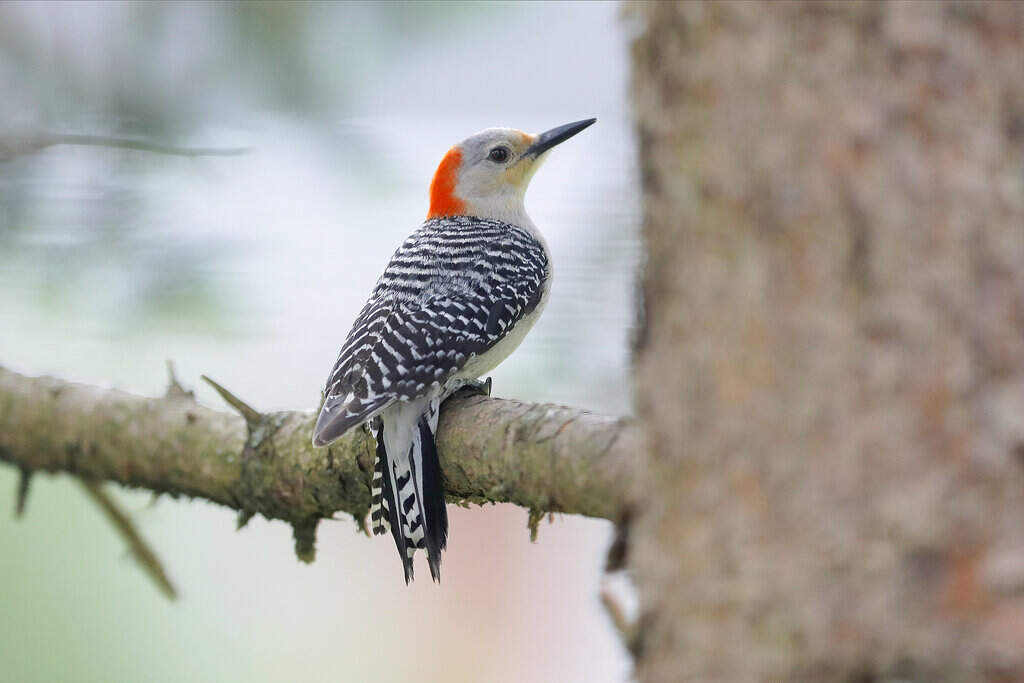
The National Audubon Society tells me I’m not alone. Birding is a growing hobby in the United States; more than one-third of Americans report “closely observing birds, with intention.” I think I have found my tribe, and that tribe is a flock. Or a murder (crows). Or a murmuration (starlings). Or a parliament (owls). What I wouldn’t give to see a parliament of owls!
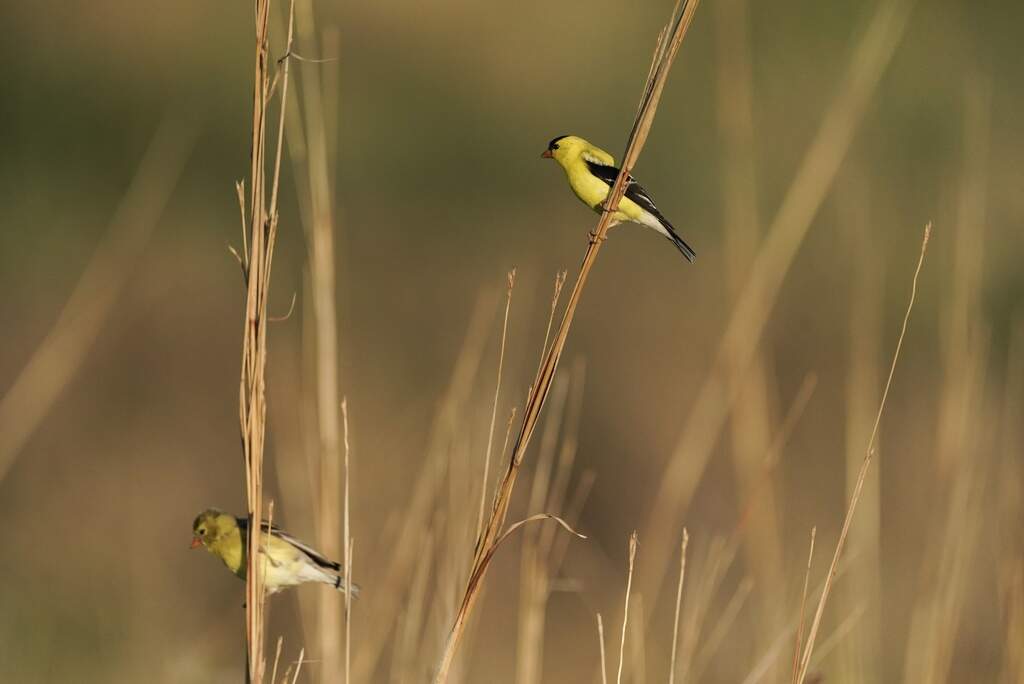
Now sometimes when I go for my daily walk in the woods, I leave my AirPods (and the podcasts, music and news) behind. My new feathered friends serenade me on the trails. I recently heard a red-shouldered hawk, a Carolina wren, an American goldfinch, a warbling vireo, a gray catbird, a Cape May warbler, a blue jay, a white-breasted nuthatch, a yellow-throated vireo, and a downy woodpecker. I can also now identify the calls of an eastern wood-peewee and a tufted titmouse, and I’d really love to know who in the world came up with those names.
The arrival of fall brings not only cooler weather, but also a more demanding operating tempo; I know my calendar is about to overflow with meetings and the shorter days ahead will get stressful. I hope — and believe — my newly discovered bird community, which is not troubled by schedules or to-do lists, will help me find peace. Birds live in the moment, and when I’m listening to them, so do I.