Support WBUR
Opinion
Will America finally treat child care as a public good? Some states are about to find out

I had my first child when my husband and I were living in Japan for his job. Over the next few years, I came to understand that there were real benefits to having children in a country with such a strong safety net. One of the most important was universal daycare, which allowed me to return to work, as most Japanese women do, after a generous 12-month leave.
When we came back to the U.S. nearly seven years later and with three children, I was struck by the fact that most American women don’t receive anything close to that kind of support.
Still, this country is ever-changing, and to its credit, there are signs we might be making progress. In November, New Mexico will become the first state to offer free daycare to all children from 6 weeks old, through a program funded mostly by oil and gas development fees. The state’s governor, Michelle Lujan Grisham, campaigned on expanding early childhood education and won reelection after implementing the first phase of the program.
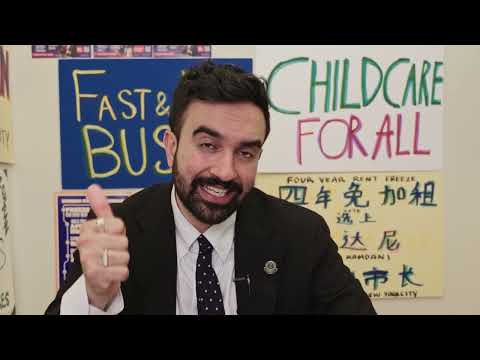
On the other side of the country and also in November, the issue of child care will be front and center in the New York City mayoral election. Democratic candidate Zohran Mamdani has campaigned on a platform of no-cost child care in a city where daycare averages $26,000 a year. When he won the primary, he credited New Yorkers, who “stood up for a city they can afford… where child care doesn’t cost more than [college].” His opponent, Andrew Cuomo, has responded with his own plans to expand universal, full-day public education to start at age 3, as part of broader efforts to make the city more affordable.
Nationwide, child care costs have never been higher, even in states that pride themselves on being family-friendly, like Utah. Daycare for one infant typically costs $11,000 annually. That’s out of reach for parents like Sarah, a Salt Lake City teacher I profiled in my book, "Four Mothers: An Intimate Journey through the first year of Parenthood in Four Countries."
A New York Times survey found that the cost of child care was the most common reason Americans of childbearing age gave for having fewer than their “ideal” number of children. “I do think people take the cost of child care in particular, into decisions about whether to have another child,” said Karen Guzzo, director of the Carolina Population Center at the University of North Carolina, when I interviewed her. She says child care costs are hard to study because of the U.S.’s patchwork system, but lack of affordable child care probably does play a role in America’s declining birthrate, which has been on a mostly downward track since 2007. “In the United States, you are really on your own to raise kids,” Guzzo says. “Don’t have kids if you can’t afford them, that’s sort of the common mantra.”
Families in many of our peer nations have had public child care for decades. So why don’t we?
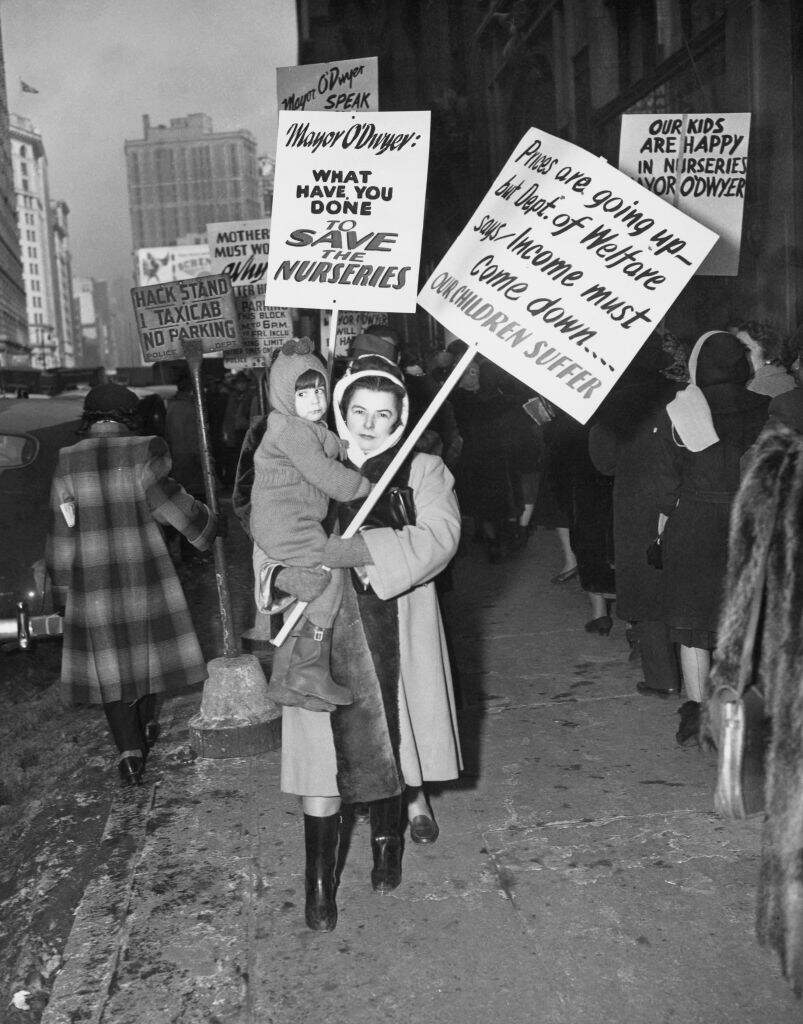
The U.S. came close to enacting a federal child care program on more than one occasion. During World War II, Congress allocated millions of dollars to universal child care so women could join the workforce while men fought overseas. The program was so popular that after the war ended and the program was sunset, parents protested in the streets and sent thousands of letters to the White House asking that it be continued. That didn’t happen, in part because of political disputes over whether to “defer to local communities”— coded language for not interfering with Southern school segregation.
Similarly, when President Lyndon Johnson created Head Start, Southern conservatives assailed the program, and Mississippi Sen. James Eastland, whose state did not even enact public kindergarten until 1986, claimed Head Start was a “device to funnel funds into the extremist leftist civil rights and beatnik groups in our state.” Segregationists led attacks against federally funded daycare centers. Klansmen lit crosses on local administrators’ lawns and burned entire facilities to the ground.
Even as the program inspired violent animus in the South, it expanded across northeastern cities, and in the 1968 presidential campaign, Richard Nixon promised to increase access to public daycare. After he was elected, advocates across the country called on him to make good on that promise.
Congressional representatives Shirley Chisholm and Bella Abzug turned their call to action into a bill that helped shape the 1971 Comprehensive Child Development Act, a truly revolutionary piece of legislation that would create universal child care based on the Head Start program. The White House was in almost daily contact with the bill’s Senate sponsor and both houses of Congress ultimately passed it.
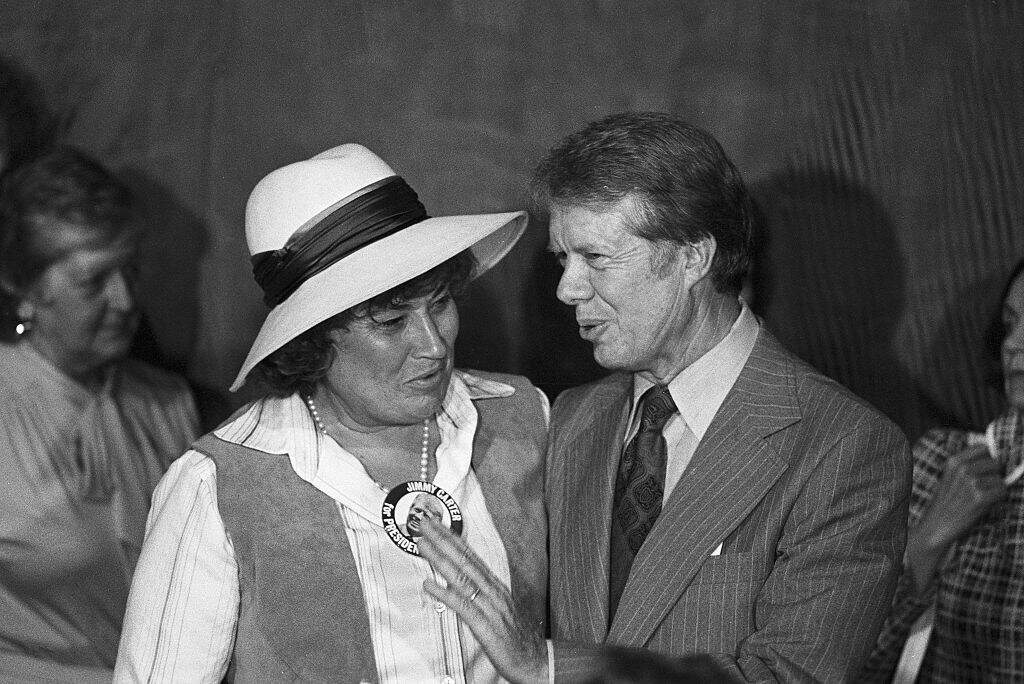
Advocates were certain Nixon would sign the bill given his campaign promises, but then the conservative flank of his party revolted. Church leaders organized parent groups to write 100,000 letters in opposition. Conservative pundits called the child care legislation a “plan to Sovietize our youth.” Eager to shore up conservative support ahead of his trip to communist China and the upcoming election, Nixon used his veto message on the child care bill, denouncing it as “the most radical piece of legislation” that session of Congress had produced.
After that defeat, child care policy became almost taboo. Even feminists were reluctant to bring it up and shifted their focus away from parental support.
With limited public programs, private equity saw an opportunity. In the last decade, PE firms have invested in child care chains that charge desperate parents college tuition rates for toddler care, while paying low wages to workers. A Goldman Sachs analyst told the New York Times in 2022 that the private daycare Bright Horizons was “profitable and throwing off cash.” Daycare companies know that expansions to public child care would threaten their model. As Bright Horizons wrote in its annual report: “Government universal child care benefit programs could reduce the demand for our services ... and adversely affect revenues.”
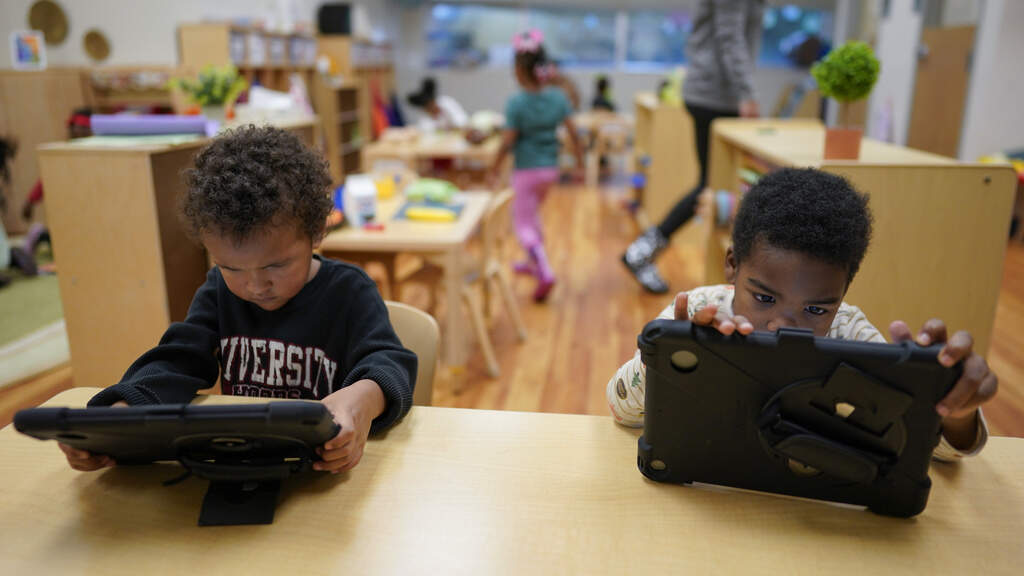
Marcy Whitebook, founder of U.C. Berkeley’s Center for the Study of Child Care Employment, told me this was a predictable end to decades of disregard for parents: “I don’t think you can separate what’s happening in child care from what’s happening in so many other aspects of American life. It’s a market-based system where private equity and corporations are growing and they’re going to continue to grow because we never embraced child care as a public good.”
As a political issue, though, the cost of child care is not going away, because it has become such a defining feature — and vexation — of American family life. In November, the issue will be back in the headlines. That could provide an opportunity for this generation to change the course of history and build new systems to help struggling parents.