Support WBUR
Essay
A love letter to Minneapolis
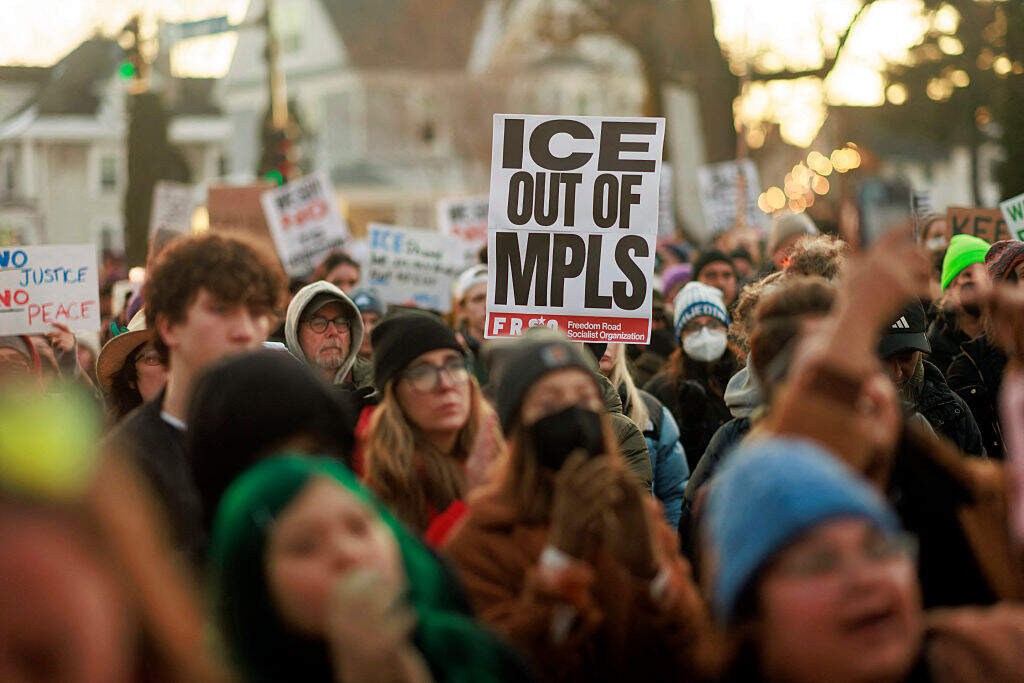
Minnesotans wake up in the dark to shovel our sidewalks before going to work. And then we shovel our neighbors’ too. We bundle up and bike through blizzards. We wear the frigid cold like chilly badges of honor. We’ve learned how to endure the unimaginable without losing our softness.
But how much tragedy can one city take? How can our hearts keep breaking like this?
In the past decade, Minnesotans have suffered loss stacked on loss. Places we now carry differently in our bodies, and names we speak reverently:
Philando Castile. George Floyd. Daunte Wright. Amir Locke. State House Speaker Rep. Melissa Hortman. Her husband Mark. Their golden retriever Gilbert. Fletcher Merkel. Harper Moyski. And now, Renee Good.
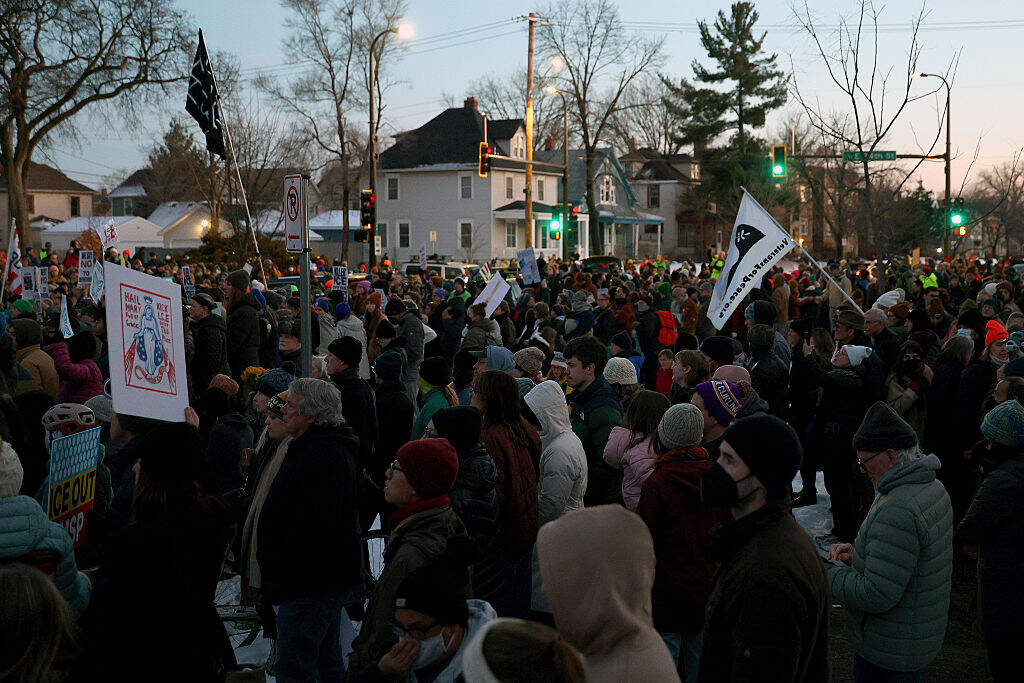
I’ve lived in and around the Twin Cities since 2005. My children were born here. For years, my family lived in a yellow craftsman house with a tiny backyard in South Minneapolis.
The ache we feel now is cumulative. For me and my community, the grief comes in relentless waves. And yet, our hearts keep breaking because they are not closed. We have not adopted indifference. We keep breaking, because we are still open to one another.
That is the quiet miracle of Minneapolis.
We have become professionals at care. We are veterans of showing up. We know what to do when the unthinkable happens: we check on our neighbors, we bring food, we share rides, we open our homes, we stand watch.
This week in Minneapolis, Renee Good, a 37-year-old mother was shot by an ICE agent, seven blocks from where George Floyd was murdered. We live in a close suburb of Minneapolis now, and I was home when I heard the news. I watched it unfold on television, texting back and forth with friends.
The trauma of this tragedy brought me back to late May 2020 in Minneapolis, when the city was reeling after the murder of George Floyd.
My family made hundreds of sandwiches in our kitchen. We loaded them into the car and delivered them to people protesting police brutality on the front lines. It felt small, but it also felt necessary.
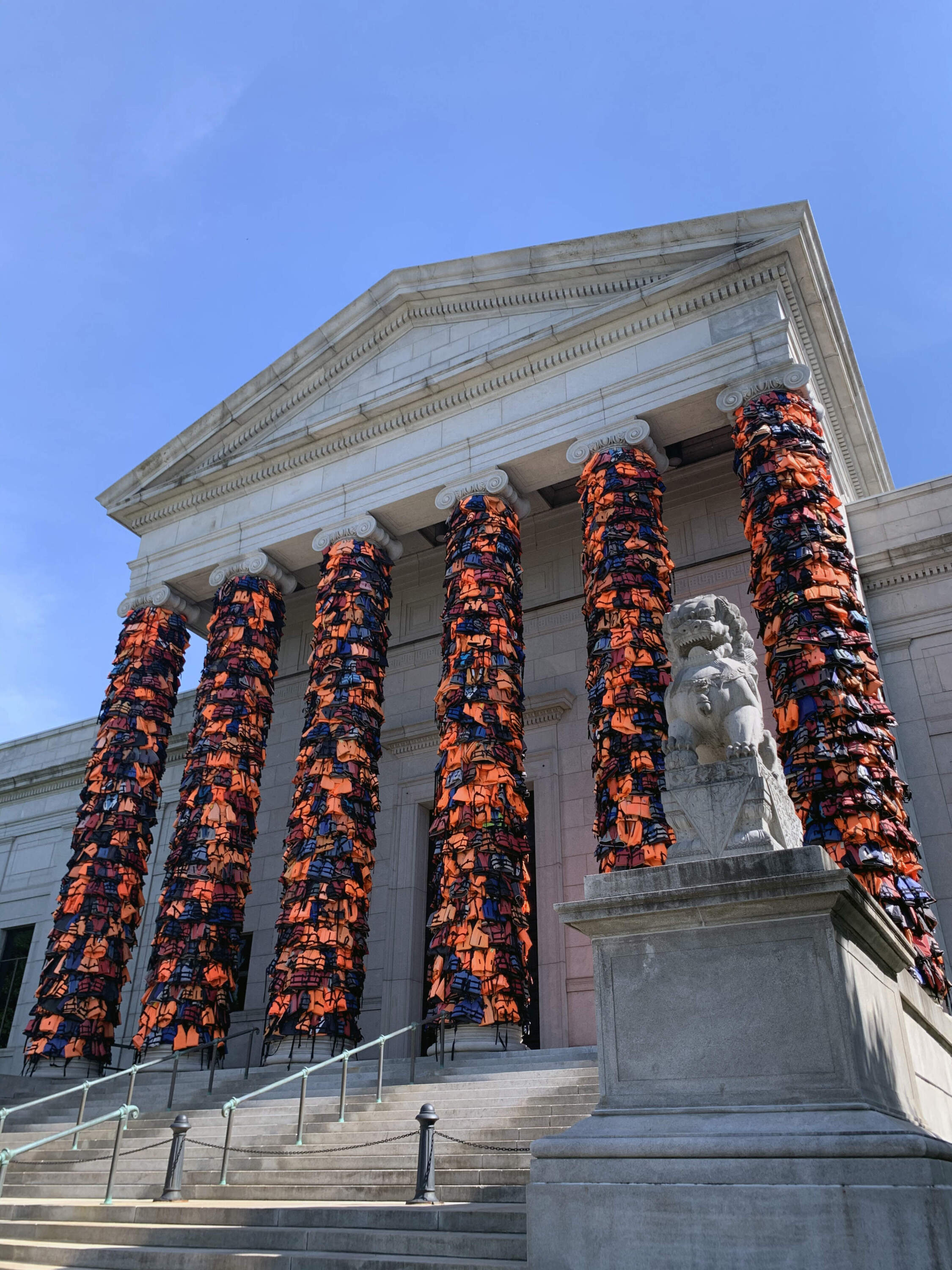
On the way home that day, we passed the Minneapolis Institute of Art. The museum’s colonnades were covered in thousands of bright orange life preservers, an art installation by Ai Weiwei called “Safe Passage.” Our city’s temple of art was asking: Who gets saved? Who is held afloat? Who is allowed to stay alive?
I remember thinking how many of our ancestors were once immigrants in the Land of 10,000 Lakes. How our home belongs to the Dakota and Ojibwe people. How survival has often been braided with movement. Leaving. Fleeing. Hoping.
These memories lead me to Warsan Shire’s poem "Home," the one that begins with the line:
no one leaves home unless
home is the mouth of a shark
Shire’s eloquent words explain what cruelty pretends not to understand. Shire explains why people run. Why people cross borders. Why safety and community matter. Why home is sacred.
We know this in Minneapolis. We feel it. We don’t need it explained to us by violent masked men too cowardly to show their faces.
So, we continue to blow whistles when something feels wrong. We walk people home. We staff mutual aid tables. We pass out hand warmers. We stand between harm and those being targeted. We do not look away. We freeze out bulls---.
Minnesotans know that grief can hollow a place out if it’s not met with care. But we also know the assignment.
Show up.
Feed people.
Listen.
Protect one another.
Name the harm.
Love anyway.
Right now, life in Minneapolis feels like being in the belly of a whale: dark, disorienting and heavy with sorrow. We have been here before, but our broken hearts are not alone.