Support WBUR
Essay
Life isn’t about what we lose. It’s about what we keep
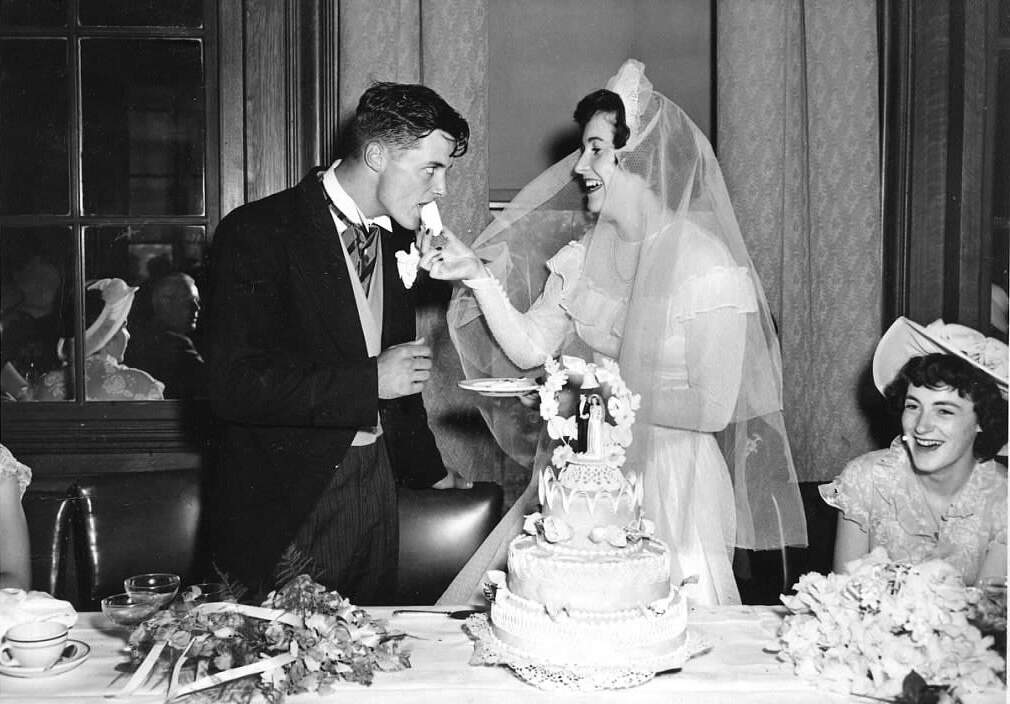
The first time I held the black-and-white photograph of my mother feeding my father a piece of their cake at their wedding in 1949, I was hooked.
Right then I knew I was destined to be a keeper — a collector of artifacts and stories.
I should clarify that I’m not a hoarder. I donate my unwanted clothes to Goodwill, throw out receipts and random pieces of paper that accumulate in pockets and drawers, and make a habit of bringing lightly used board games, dishes and garden tools to our local swap shed.
But I do have boxes and boxes of photos, old wedding invitations, college term papers, playbills and children’s drawings. I have dozens of telegrams, postcards and birthday cards from family members long gone. I have stacks of handwritten letters from high school and college friends; page after page of long updates about nothing.
Over time, I’ve set clear boundaries between what I keep and what I let go. Whenever possible, I send old letters and cards back to the sender, who often replies with a text or voicemail to say, “Wow, not much has changed,” or “Wow, everything has changed.” Cards from strangers, photos of people I’ll never know and items with no emotional connection, I part with.
What remains gets organized into something tangible the next generation can understand and access. This past year, I’ve scanned, categorized, annotated and stored all the items that have historic significance, that make me laugh, and that document our family’s history and our love.
Nothing is buried anymore. Nothing is lost.
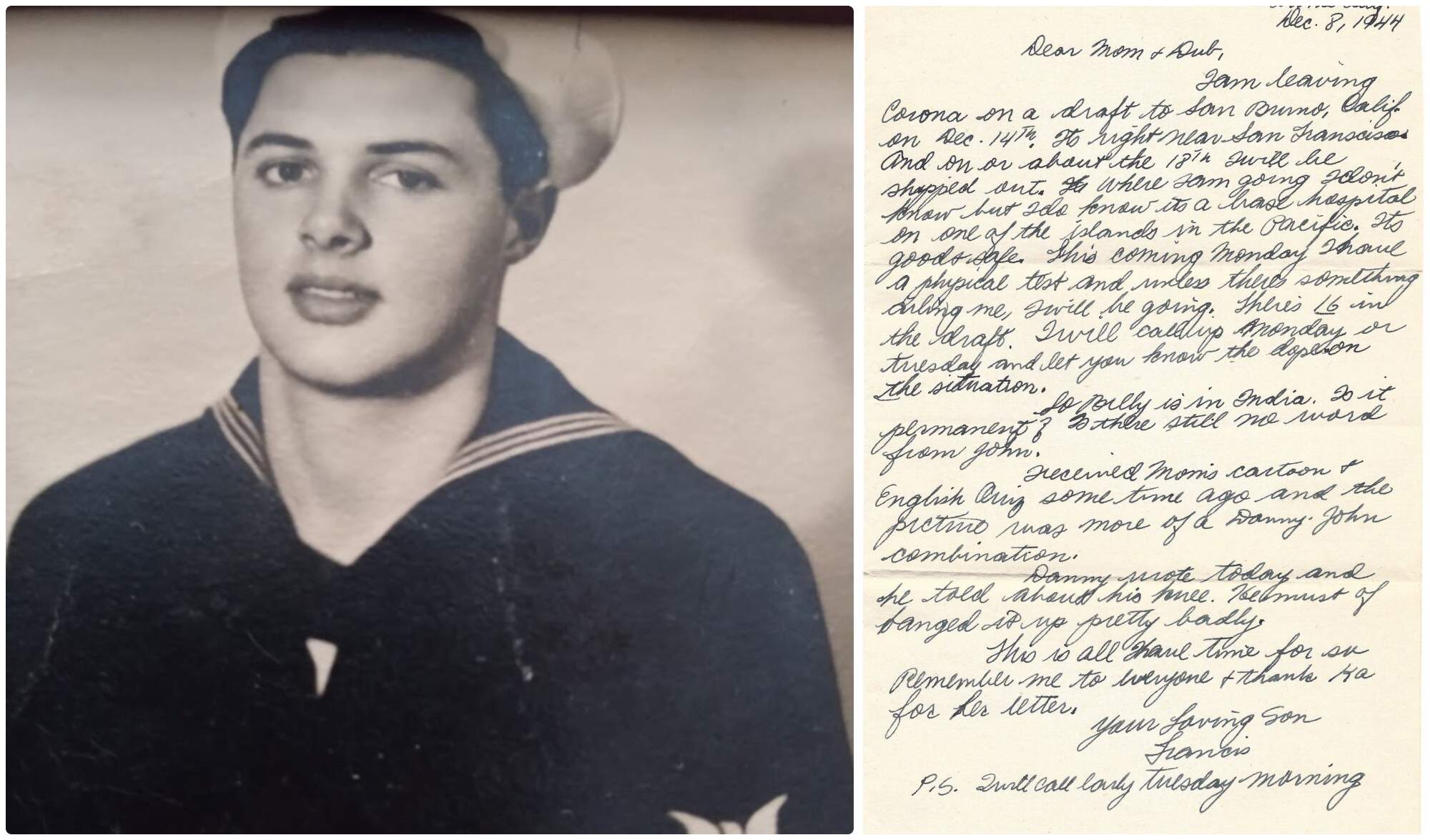
I have a piece of paper with my grandmother’s handwriting tracking where each of her sons were during World War II. And I have the letters my father sent home from the U.S. Naval hospital in Corona, California, where he served in 1944. You can feel the worry on the page when he asks his parents about his brothers’ whereabouts. If Billy is in India, do you know how long? Still no word from John? In a letter to his sister Katherine, my father focused on the familiar terrain of home, commenting about his youngest brother, I'll bet Paul is excited that the Red Sox are almost in first place. And then a postscript: Have we got a dog yet? He was just 18. Of course, he was excited about the Red Sox and getting a dog. He was still half anchored in childhood. The letter is a poignant reminder of a young life interrupted by war.
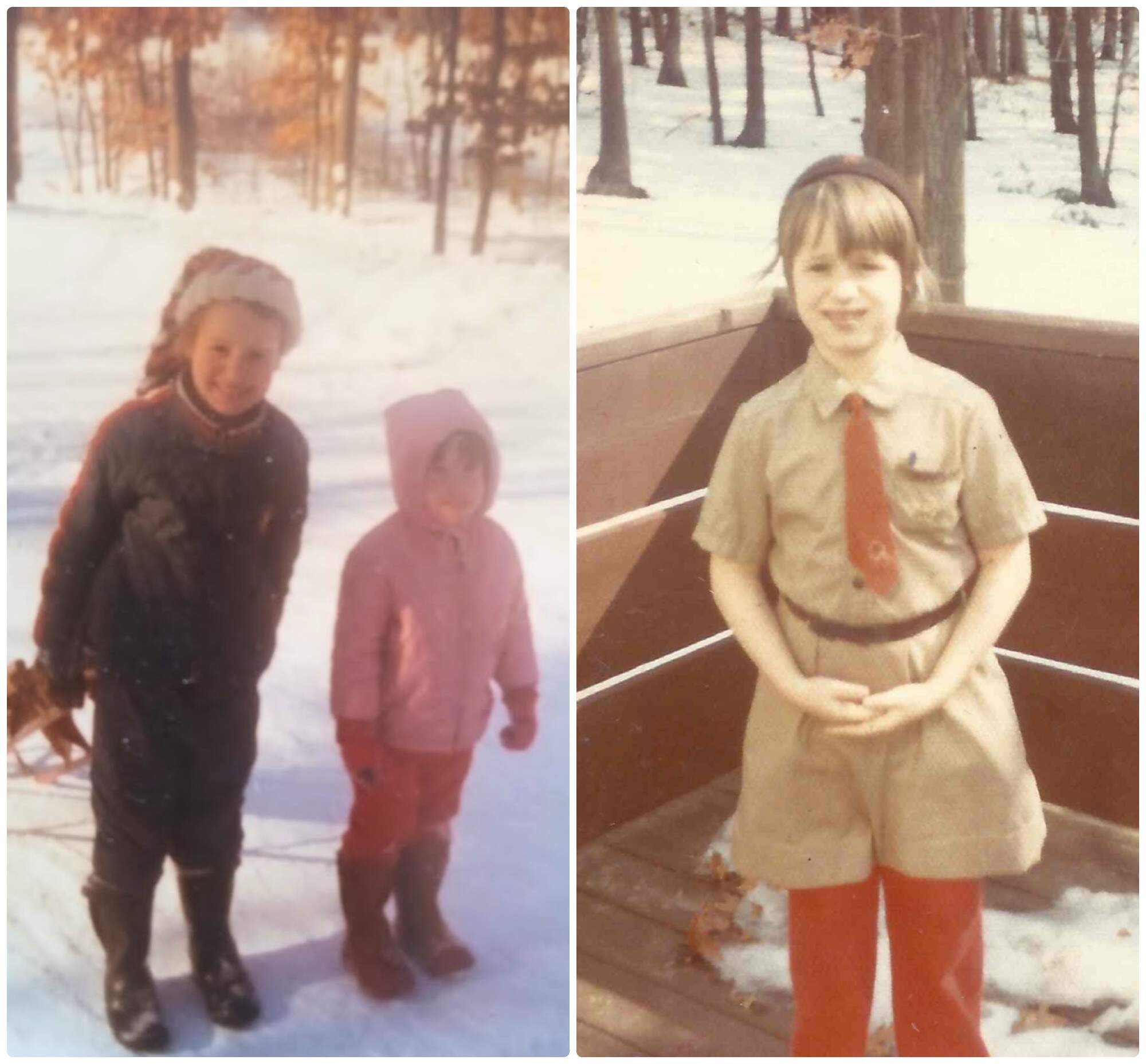
I’ve kept the sashes from my sister Laurie’s Brownie and Girl Scout uniforms. They hold dozens of neatly sewn badges, her little circles of accomplishments. I kept them because she kept them. I found them after she died in her 40s, still neatly folded in a box in her basement. I can still remember the pride I felt watching her march in the Patriots’ Day parade in Concord in 1975, when we celebrated the bicentennial. Thousands descended upon our small town, including President Ford. I waved at her wildly as she marched by and raised a fife to her mouth to play “Yankee Doodle.” I thought my sister was famous. She was 11.
I have a 1977 Boston Pops playbill that my mother saved. It features Arthur Fiedler on the cover. I have my parents’ polio vaccine records, the bank book from their first mortgage and a 1954 job offer letter for my father from Smith, Kline and French Laboratories for a position paying $4,750 a year.
The things I keep tell stories that I won't be able to tell when I’m gone, too. They reveal what was important to the people who came before us — a concert they loved, a job offer they were proud of, a milestone they celebrated, like buying a home.
Holding on to these objects is my way of keeping everyone here just a little bit longer. I hope they don’t mind.
My hope is that someday, when a niece or nephew spends time with an old photo of my mother caught mid-laugh, they'll laugh too. I hope they read a handwritten letter from a relative they’ve never met and delight in the 'aha' moment and say, “So that’s where I get that from.” I hope they feel inspired and motivated when they read the newspaper articles about my father’s role in town government or my mother’s volunteer work and choose to participate in the world at a time when it can feel easier to step away from it.
And, I hope that these artifacts will comfort them even in the throes of profound loss. The way they’ve comforted me in my own grief.
This past summer, my brother David died suddenly at the age of 63, and I’m heartbroken. We spoke every day. When I told him I was documenting our family history, he was thrilled. He would stop by and look at old family photos with me. Now, on the days I can’t stand the emptiness, I immerse myself in the family archives — the very things he adored, too.
My friends ask me how I’m coping with all the loss, and I tell them about my relics and the family archive, the things that keep me tethered. I tell them what I’ve learned. That life isn’t about what we lose; it’s about what we keep. And I keep all the stories — and all the love — others left behind.