Support WBUR
Cog's Weekly Newsletter
Lemons, a love story
Editor's Note: This essay appeared in Cognoscenti's newsletter of ideas and opinions, delivered weekly on Sundays. To become a subscriber, sign up here.
Are you aware that lemons were a botanical accident? Lemons aren’t a naturally occurring species, like wild blueberries. They’re a hybrid, probably a marriage between citron, an ancient, seed-laden, toady, barely edible thing, and bitter orange. Lemons originated in India, before finding their way, via traders and explorers, to Europe, the Middle East and the Americas. People in southern Italy were cultivating lemons by the 3rd century AD, and by 700 AD, in Iraq and Egypt. Researchers say Christopher Columbus brought lemon seeds on his second trip to the Americas, in 1493.
A compact bundle of chemistry, the juice and essential oils of lemons have long been used to suppress coughs and treat high blood pressure, chest pain and irregular menstruation. Sailors added lemon juice to their diets on long voyages to ward off scurvy, a nasty disease caused by vitamin C deficiency. (I suppose it’s not crazy to say that explorers could set out at all, thanks to the lemon.) We squeeze lemon juice into our water and spritz it atop seafood dishes. The oil from its peel features in perfumes, cleaners and candles. The world produces about 20 million tons of lemons and limes each year — something like 200 billion individual fruits.
Trust me, I could go on. But surely you are wondering: What’s with the lemon lesson? Why the John McPhee-inspired romp about the waxy yellow specimen waiting in my fruit bowl?
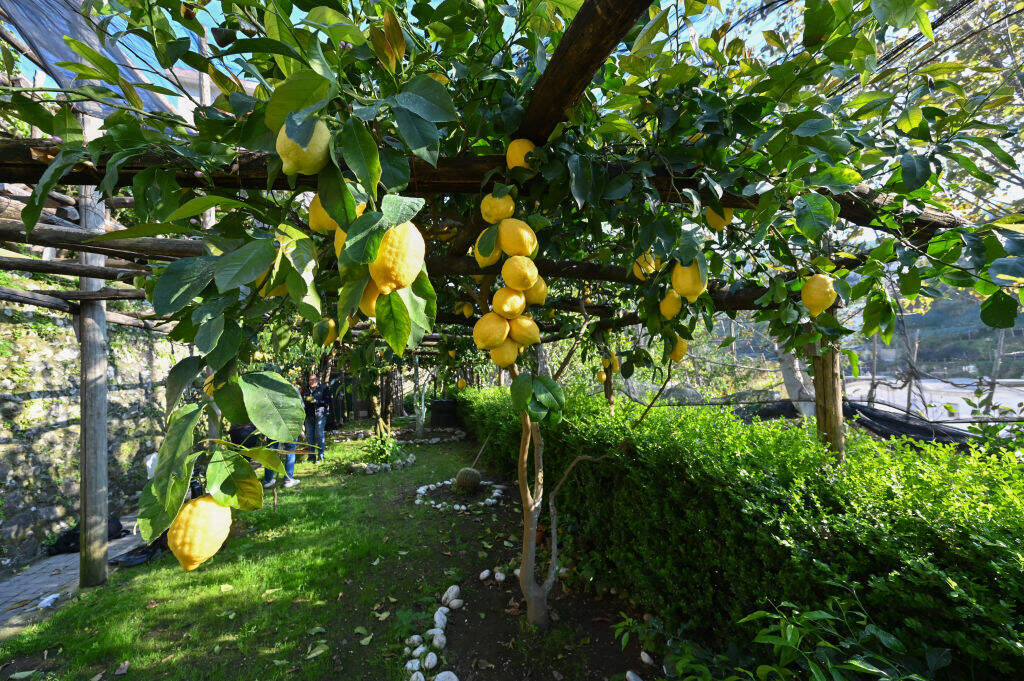
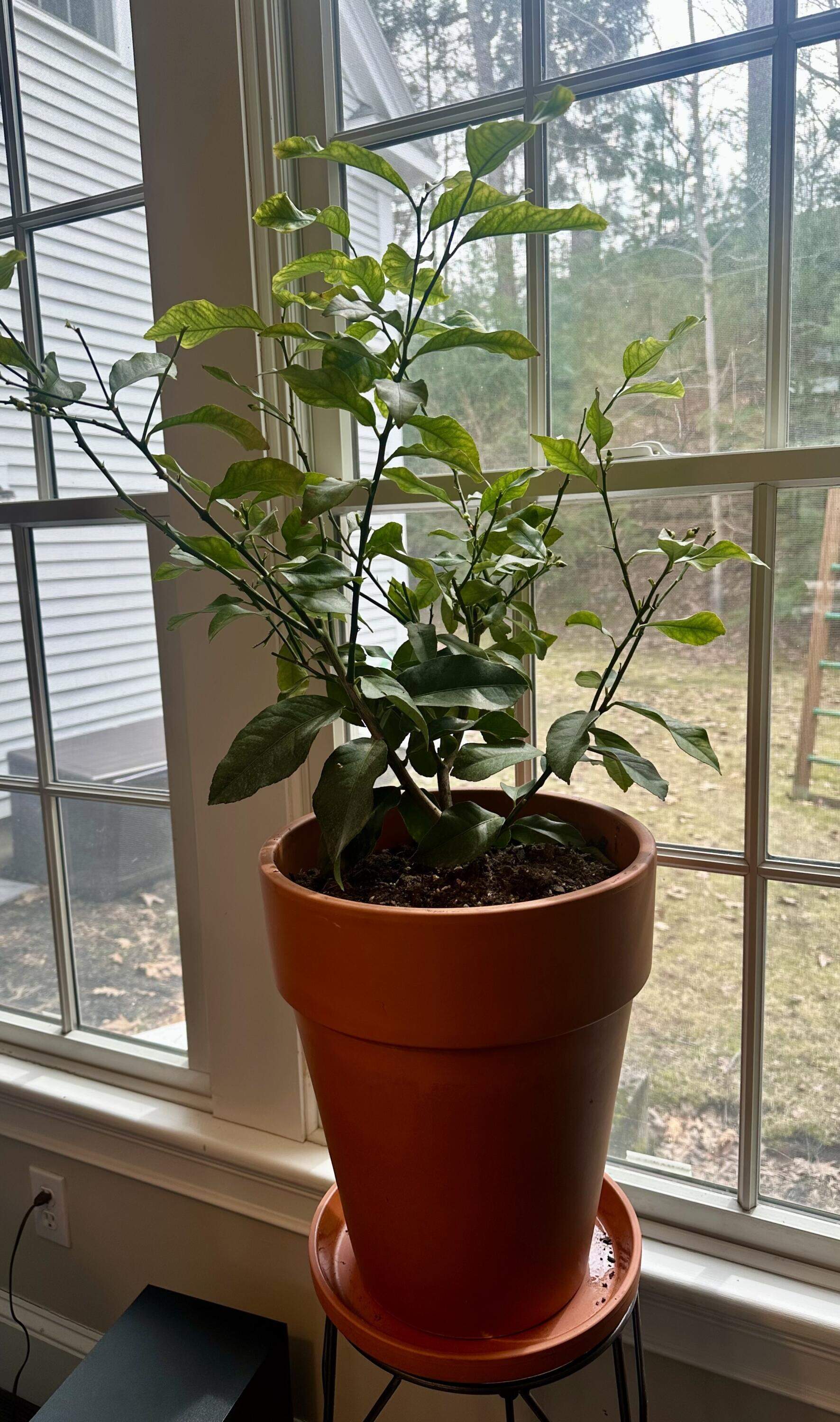
Well, in short: I was supremely lucky to visit Italy with my family recently, where I saw about a gazillion lemon orchards planted on the steep slopes of rocky cliffs. Some people return from Italy with a leather bag or a Ferragamo scarf. Not me. I arrived home dreaming of lemon trees. So I purchased one, which now sits in a terracotta pot facing a window in my living room. Since we got home, I’ve been working hard to keep my vacation memories and the tree alive.
The first time we saw a lemon tree on our trip, we were in a car on a country highway, trying not to slow the flow of traffic on exceedingly windy roads. “Look! A lemon tree!” I called out, before realizing they were everywhere. A mature lemon tree can be anywhere from 10 to 20 feet high, and is often as wide as it is tall. The fruit had a mythical, mascot-like aura on our trip. Lemons the size of cantaloupes as centerpieces. Lemons on dresses, lemon-inspired jewelry, lemon pottery. Restaurateurs happily told us about their home-brewed limoncello, a syrupy liqueur served cold in shot glasses after dinner.
It’s only been a few days of watering and feeding my tree its special citrus food, but so far, so good. Although, she is dropping leaves, which makes me nervous (I say “she” because my 8-year-old named it Maria Luca, after two kind people we met in Italy). Her green petals are shaped like gigantic almonds, waxy and stiff; they have a yellow-ish hue when held up to the light. Maria Luca doesn’t have any flowers, at least not yet. But others on display at my garden center did — they had five pale pink petals, shaped like miniature pinky fingers. Lemon trees can’t handle frost, so she’ll stay inside during the cold weather months. But once it warms up, I can put her outside on my patio. If I can keep her alive, she could reach 8 feet!
I use lemons all the time at home, in drinks and recipes; for a while I couldn’t get enough of this pasta dish, which calls for fried lemon. On occasion, I’ll use it in combination with baking soda (to surprising effect) to scrub out my sink. I haven’t thought much about lemons before, but now, when I see one in the bowl in my counter, I remember how delightful it was to see a lemon in the wild, all yellow and bright, innocently hanging off its branch. I almost feel guilty for all the times I’ve said, “when life gives you lemons…” and “ugh, it’s a lemon.”
As the weather warms, I know my kids will put up a lemonade stand on the rail trail near our house. They’ll easily rake in $20, maybe more. They’ll use a Country Time mix, which bears almost zero resemblance to actual lemons, but brings excellent vibes. People will slow down for a few sips and a quick chat. In a way, it will remind me of how Italians take their coffee — standing at the cafe bar chatting and drinking espresso from small porcelain cups.
My lemon research tells me Maria Luca won’t bear fruit anytime soon. Grown from seed, a lemon tree can take five to 15 years to produce fruit; my nursery-bought tree will be faster, probably 2 to 5 years. It seems lemons are an exercise in patience. The little tree in my living room reminds me, yet again, of how we benefit from slowing down and allowing things to unfold in their own time. Thanks, lemons.