Support WBUR
Opinion
$900 a year: That's how much climate change costs the average US household
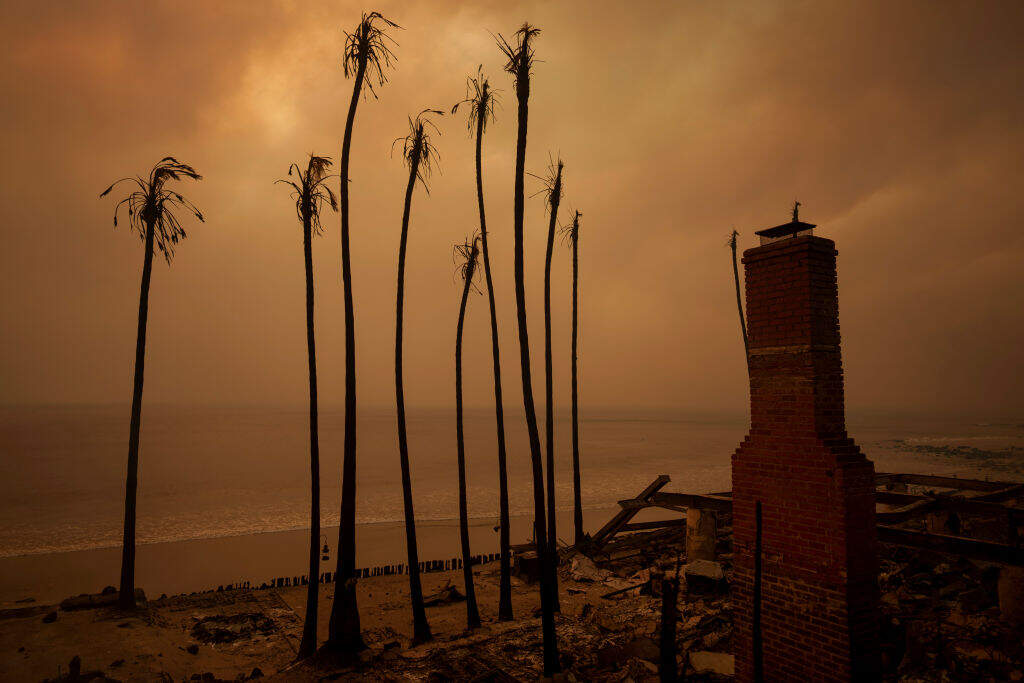
Poll after poll shows a majority of Americans are concerned about the rising costs of living expenses. Most often cited are the high cost of gasoline, groceries, healthcare expenses, stagnant wages and tariffs. Yet, in the debate over affordability, one major driver of rising household expenses is often overlooked: climate change.
In a research paper slated for publication in the Brookings Papers on Economic Activity (BPEA) later this spring, we document the key vectors through which climate change affects household costs. A growing body of research we cited in our paper, including work from First Street and academics, quantifies the extent to which climate change is the driving force behind an increase in wildfires, more intense hurricanes and higher temperatures. Our analysis draws on these estimates to identify the portion of disaster-related household costs that can be attributed specifically to climate change.
We have found that climate change now costs the average American household $900 each year, while the annual price tag exceeds $1,300 per year for 10% of U.S. counties.
To be clear, these are not distant projections. They are actual costs that households incur today, on top of what they would have paid in a hypothetical world with no climate change. These costs include higher home insurance bills, disaster recovery costs in the form of higher state and federal taxes and health damages from wildfire smoke and extreme weather. In short, climate inaction isn’t just an environmental failure; it acts like a tax on every American household.
Most significant are the consequences for housing: Climate-related natural disasters cause large spikes in home insurance premiums, even rendering some properties uninsurable. These costs alone average more than $600 each year to U.S. households, amounting to more than $1,000 for the highest-cost decile. This is due in part to insurance companies developing sophisticated models to project potential harm, which means even households lucky enough to have avoided natural disasters so far may see their premiums increase if they are considered at risk.
But there are other factors at work, too. The government expends resources on natural disaster relief, and the cost of those public resources is ultimately borne by U.S. taxpayers, to the tune of about $75 per household according to our calculations. Household energy costs are about $35 higher, both because households are spending more for cooling and because utility companies have to rebuild systems leveled by storms and wildfires.
According to our research, the deadliest health impact of climate change comes from wildfire-related fine particulate matter. Our estimates suggest that smoke-filled air causes over 30,000 premature deaths per year. While translating such devastation into an estimate of economic costs is fraught, standard methods show that the average cost of lost lives are already sizable, exceeding $100 per American household annually.
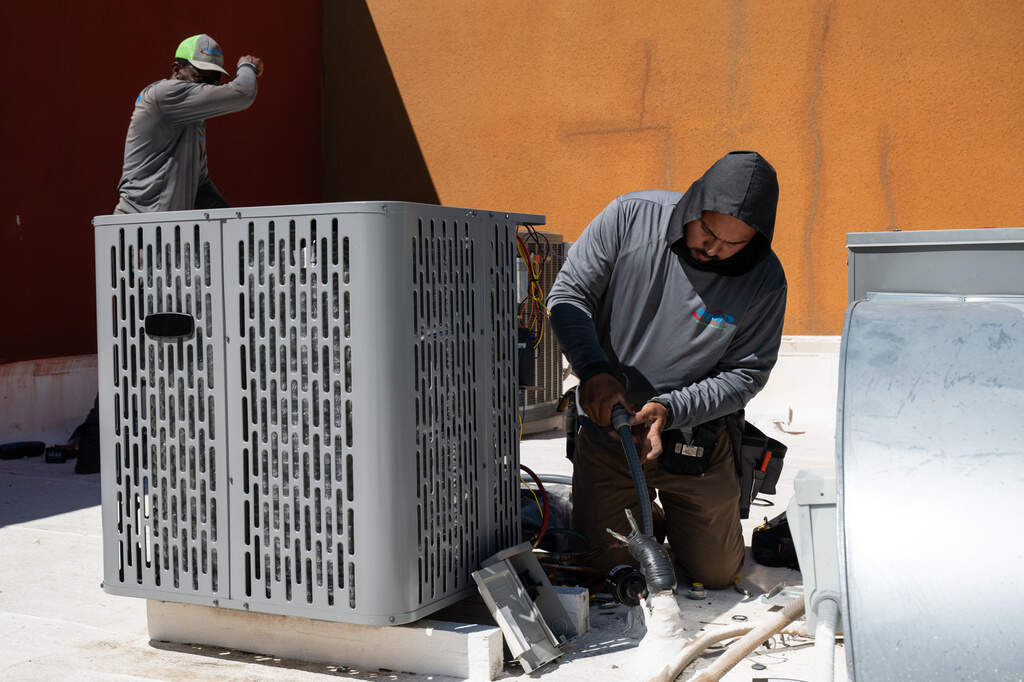
As climate change warms ocean waters, hurricanes have more energy available to intensify and stronger hurricanes result in surges in excess mortality. Temperature-related health effects are, in contrast, milder, since fewer deaths from cold help compensate for increased deaths due to heatwaves and because air conditioning helps to reduce the negative consequences of heat.
Even if each cost is modest on its own, climate change reaches into many corners of daily life, and the totals add up. The aggregation of all these climate-related costs is substantial, amounting to more than $110 billion per year in the United States.
A key lesson from our work is that climate change has disparate impacts and those Americans most affected by the devastating consequences of natural disasters bear very high costs. Geography is an essential factor; areas subject to more wildfires and extreme weather events — such as the rural west and the Gulf Coast — face the largest cost burdens from climate change. Further, impacts on lower-income households are larger than those on higher-income households, since climate costs are a far higher share of their lower incomes.
Critics claim that the climate policies themselves are costly — and that measures to cut emissions or build resilience impose burdens on families and businesses. But this argument overlooks the central finding of our work: Americans are already paying far more due to climate inaction than they would as a result of well-designed climate policies. And, climate action can be designed to further decarbonization without raising household costs, since direct household costs can be carved-out or offset through other mechanisms, such as rebating some of the proceeds of carbon fee policies. Clean energy subsidies can lower household energy costs while contributing to decarbonization goals. Overall, the consequences of cost-imposing climate policies are likely to be far less than the costs of climate inaction.
Meanwhile, the Trump Administration’s policies are steering the country toward higher household costs and greater climate risk. By abandoning the Paris Agreement and obstructing global efforts like pricing pollution in the shipping industry, the United States has walked away from international cooperation. At home, recent increases in energy costs due to the war in the Middle East have led some policymakers to pull back on climate policy, but the irony is that climate change is a major driver of rising expenses.
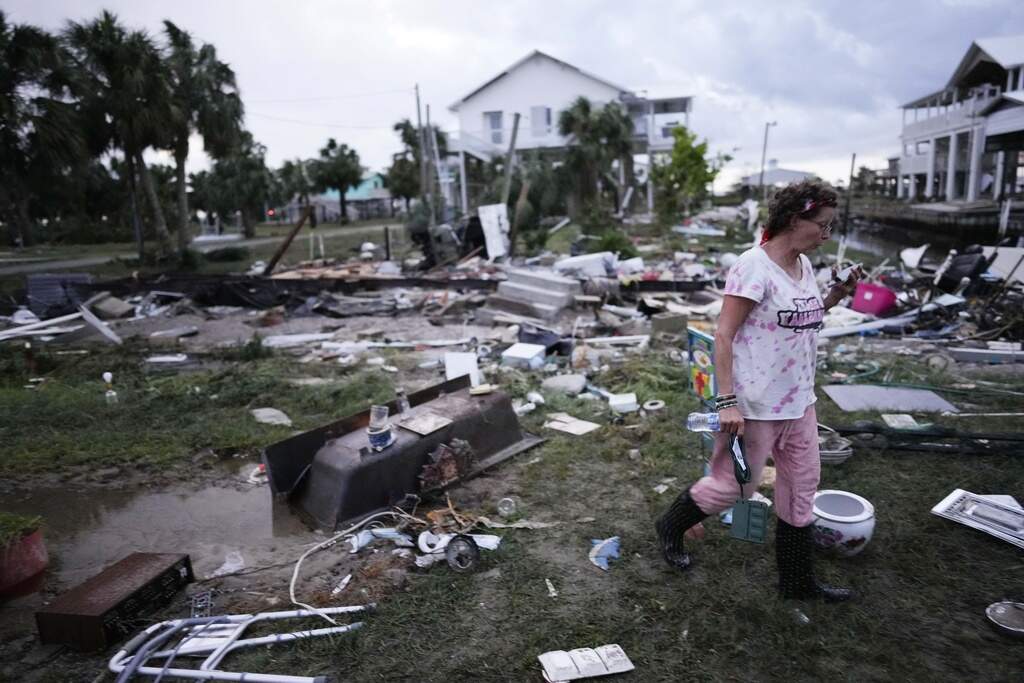
Our research offers several lessons for policymakers. Foremost, climate inaction is an affordability issue. For example, when home insurance premiums spike, or home insurance simply becomes unaffordable, that drives up economy-wide housing costs, exacerbating the financial stress of U.S. households.
Climate adaptation is increasingly important; federal, state and local governments need to be more active in addressing natural disaster risks. Prolific air conditioning may help insulate us from heat shocks, but for the U.S. today, the costs of climate-related natural disasters vastly exceed those from higher temperatures.
Other countries may experience climate change differently; for example, countries with less air conditioning will be more exposed to high temperatures. But in the end, global collective action is essential, since our actions benefit other countries and vice versa. As the recently concluded COP30 meetings show, climate policy action needs to be far bolder to avoid the most dire consequences of climate change in the years ahead, as the costs of climate change don't add up in a neat, straight line. Past certain points, things can get dramatically worse, very quickly.
Climate inaction isn’t just an environmental failure, it’s a sizable part of America’s affordability problem. Recognizing this may finally make climate action something voters can rally behind.