Support WBUR
‘Final Fantasy 14’ producer on game’s evolution as ‘Dawntrail’ launches to record-high player count
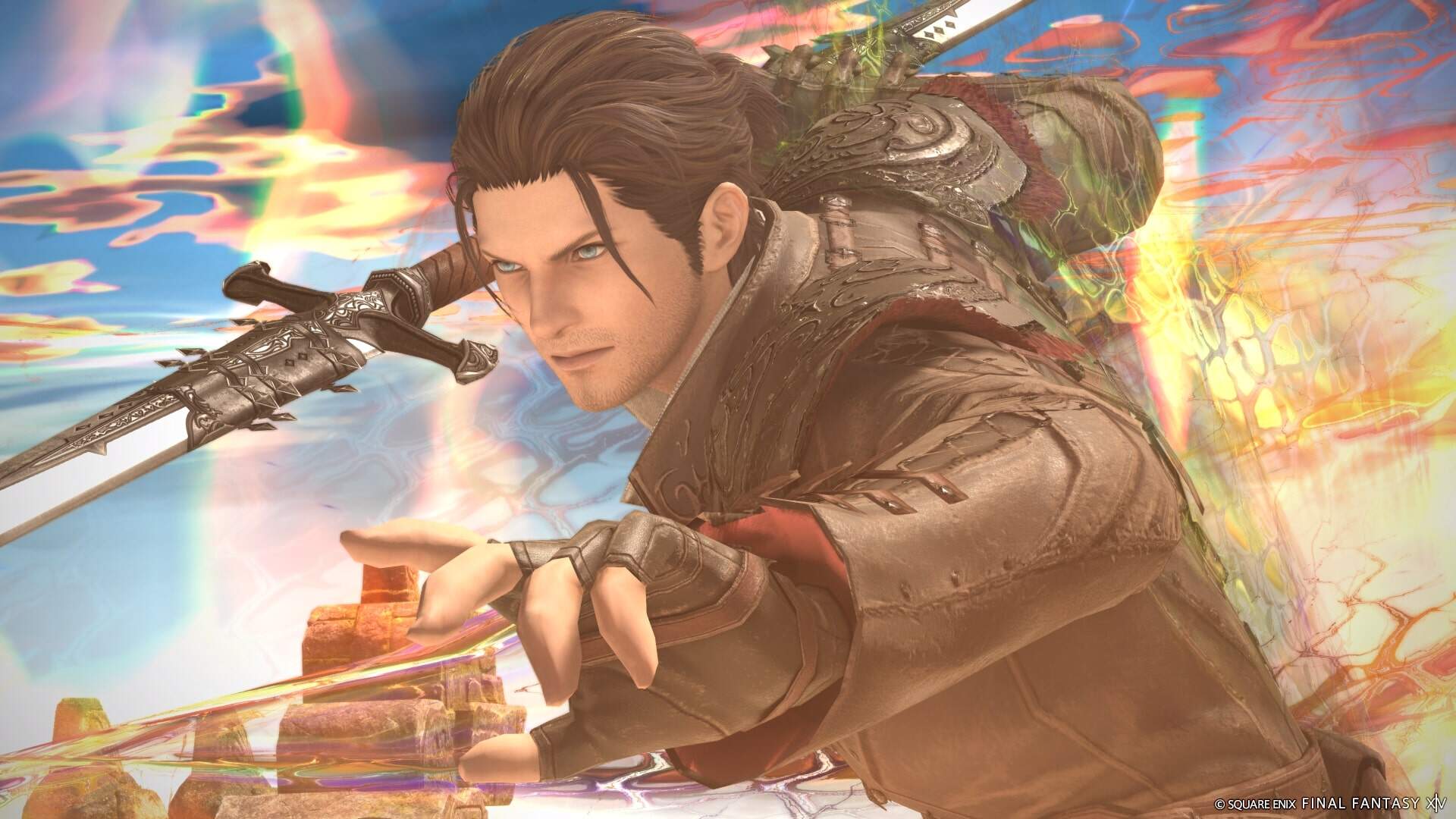
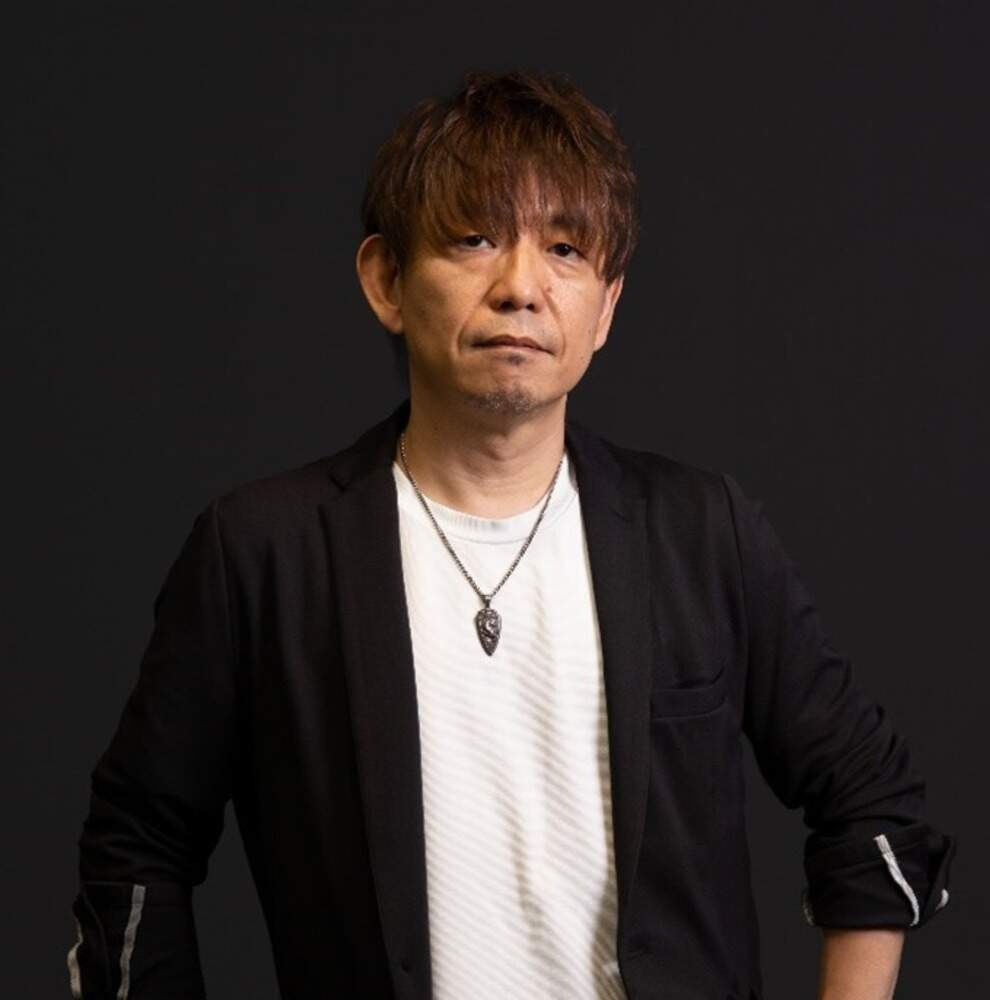
“Final Fantasy 14: Dawntrail” launched last week with the game’s highest player count in over a decade. Despite this popularity, the new expansion for the massively multiplayer RPG hasn’t been without its issues. Series producer and director Naoki Yoshida announced imminent changes to the game after polarized player feedback.
Yoshida has long guided such course corrections. He took the helm after the game’s initial 2010 release, which was so disastrous that studio Square Enix shut it down after two years. Yoshida then orchestrated a complete overhaul in 2013, dubbed “A Realm Reborn.”
In addition to addressing numerous technical and design complaints, Yoshida says “the original ‘Final Fantasy 14’ was criticized as not feeling like a ‘Final Fantasy.’”
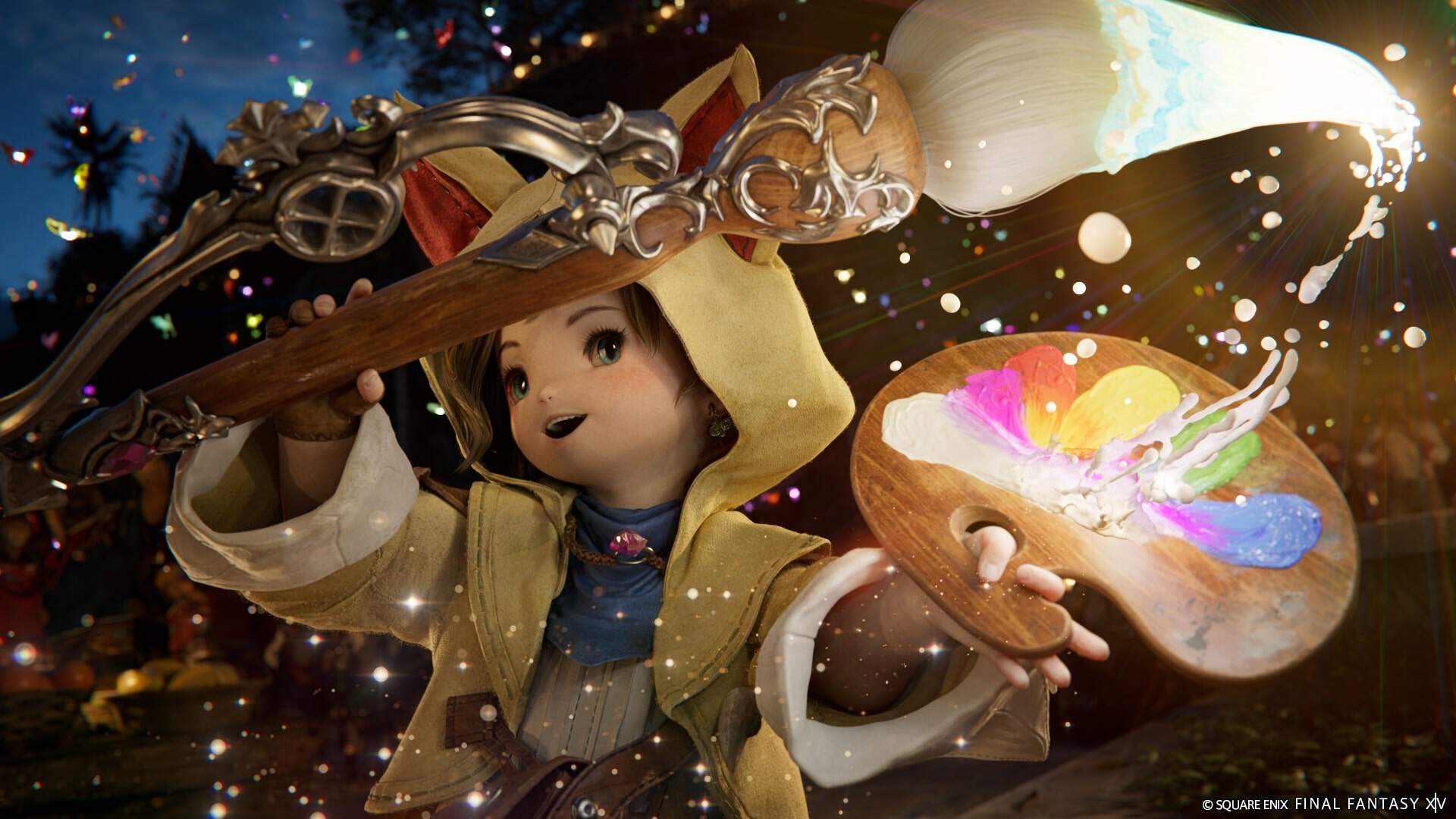
So after bringing the game’s player experience closer to the then-dominant “World of Warcraft,” Yoshida prioritized its atmosphere: “I felt that we needed this to be a sort of theme park where you have various elements from all of the different Final Fantasies.”
Yoshida has climbed the Square Enix ranks ever since. He joined the company’s board of directors in 2018 and went on to produce “Final Fantasy 16,” the latest numbered entry in the series. I spoke to him about the franchise’s past, present, and future, ahead of the release of “Final Fantasy 7: Rebirth” earlier this year:
3 Questions for Naoki Yoshida
‘Final Fantasy’ had become a very established franchise by the time 14 came around. How exactly did you go about making it feel more like a theme park, as you said?
“I didn't want to make this a star system where we have the characters just make an appearance. Because each ‘Final Fantasy’ story and each of the characters that appeared in these different titles had their own fate and a purpose for them to fight. I didn't want to destroy any memories that fans may have had of playing the original installments.
“That's when I look at the different elements that are sprawled throughout each of the ‘Final Fantasy’ installments and take those elements and put them into ‘Final Fantasy 14’ in a way that fits the title.
“In ‘A Realm Reborn,’ we see a dungeon called the Crystal Tower. This is playing homage to ‘Final Fantasy 3.’ The Final Dungeon in ‘Final Fantasy 3’ was the Crystal Tower, but in ‘Final Fantasy 14,’ the boss characters may be recognizable, but it is rendered in a 3D model as opposed to how it was presented in its original form. If you don't know ‘Final Fantasy 3,’ then it is a new gameplay experience. But then if you do know ‘Final Fantasy 3,’ you will see that tribute that we're paying to Crystal Tower and then how we have rearranged it in ‘Final Fantasy 14.’”
How do you innovate? How do you interact with your fans to give them something new but also give them what they love?
“We have the now, which is the foundation that we have built with this game and content that we are delivering on a regular basis. And of course, while we do want to pay attention to what players love and what they desire, we also need to look at just a little bit ahead of what they're thinking. We constantly think about, how do we bring this sort of newness, this freshness, and excitement?
“We're constantly thinking about just a little bit ahead of what the players might expect with the understanding that we are also responding to what the fans desire as well.”
For ‘Final Fantasy 16,’ you had an opportunity to really change things up. You weren't inheriting and revising something. You got to start fresh. What were you thinking of as you did that?
“Fans would expect the latest installment to have the sort of epic story where you have this adventure that takes you across the world. You have a hero that is going to save the world and you would see how he or she lived. And so with that in mind and also the feedback about how ‘Final Fantasy 15’ seemed to have been lacking in terms of story, I really wanted to overcome that, and I would imagine that a Final Fantasy fan would be looking forward to and be excited about a new ‘Final Fantasy’ story. So for ‘Final Fantasy 16,’ I took this protagonist, Clive Rosfield, and I decided that I wanted to depict him his life throughout his life till the very end.
“When we were looking at the tempo and the speed at which some of these battles take place, ultimately we wanted to sort of lean towards what is the trend in the current world of gaming, which tend to be action-based. Of course, we love turn-based RPGs as well, but with ‘Final Fantasy,’ we're always thinking about the future. And I think it is important to have a ‘Final Fantasy’ title that incorporates that sort of real-time action combat, and it also allows for opportunity because developers that may work on newer titles, upcoming future titles in the franchise will see that there is an infinite possibility of how we can explore 'Final Fantasy' as a game.”