Support WBUR
ASUS ROG Ally X offers top-line handheld gaming, Nitro Deck+ attempts to upgrade the Nintendo Switch
In trains, planes and cars — on beaches and mountainsides — there are few places where I haven’t whipped out a handheld gaming device. While I grew up on the Gameboy Color, the Nintendo Switch really revolutionized my habits. In 2017, it proved that breathtaking, boundary-pushing games didn’t need clunky consoles or behemoth computers; you could play them on machines not much bigger than a smartphone.
Nintendo announced an updated Switch coming next year — in the meantime, the market for handheld devices has only grown. Valve’s Steam Deck popularized that mobile sensibility for PC gamers, followed by the Lenovo Legion Go, the OneXFly, and, most notably, the ASUS ROG Ally, which just got a fancy updated model.
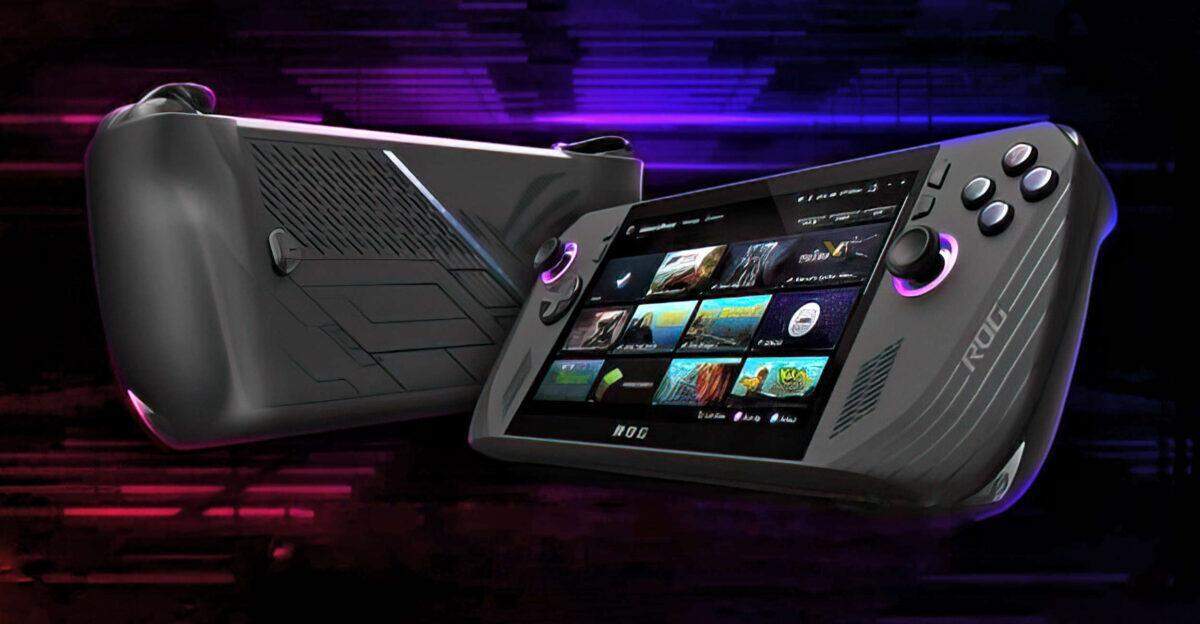
ROG Ally X: The perfect handheld PC for deep-pocketed enthusiasts
My experience with the original Ally left me cold. While it boasted powerful graphics and the flexibility of a native Windows operating system, it lacked the accessibility and convenience of the Steam Deck OLED. But in my weeks testing the Ally X that ASUS lent me, my skepticism gave way to wary admiration. It’s a significant upgrade — and it comes at a significant cost.
Put simply, the ROG Ally X is fast. It sports 24 gigabytes of top-line RAM, and 1 terabyte of blisteringly-quick storage. While I struggled to launch games quickly from its predecessor, I had little issue pushing the on button and jumping into a game within a minute. Since a handheld’s appeal lies in its convenience, this is a huge benefit, and it doesn’t stop there.
Like just about every reviewer on the planet, I also played the notoriously demanding “Cyberpunk 2077” to put the Ally X through its paces. While I couldn’t crank the settings too hard, it maintained a steady framerate through gun battles and dialogue scenes, only stuttering when I chose to race my car through the streets of Night City.
As could be expected, “Cyberpunk” ravaged the battery. I could only play it for about 80 minutes at a time, but that’s more impressive than it sounds. The Ally X’s battery is twice as big as its predecessor’s, and less intensive games could run fine for hours.
ASUS’s built-in Armoury Crate software has also come a long way. It automatically populates your app library after you’ve downloaded games from diverse services, from Battle.net to Xbox Game Pass (ironically, the only service it sometimes missed was GOG Galaxy, where I played “Cyberpunk”). It’s not as seamless as the Linux shell that powers the Steam Deck, but after some tinkering, I could easily tune my control settings at the press of a button.
None of this, however, comes cheap. At $800, it’s much more costly than a Nintendo Switch ($200-$400) or Steam Deck ($350-$650). It’s not the most expensive handheld (I dished out $1000 for a OneXPlayer years ago, which the Ally X outclasses in every category except screen size), but it’s not a great starting point for curious dilettantes. Still, it looks downright affordable compared to most gaming laptops — and I’d heartily recommend it to PC gamers who want more freedom than the Steam Deck allows.

The Nitro Deck+: A niche “upgrade” for the Nintendo Switch
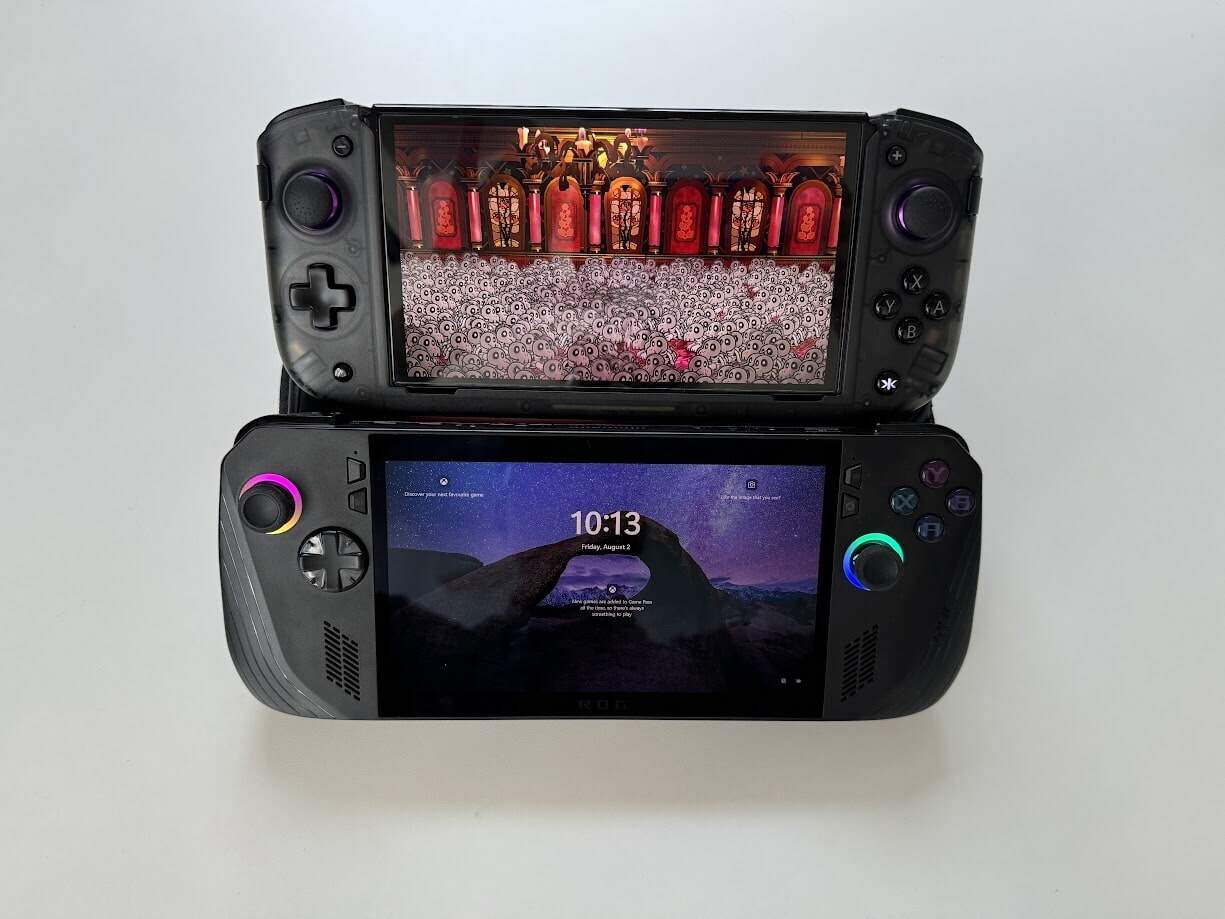
Meanwhile, if you want to swap out the controls for an original or OLED Nintendo Switch, you could turn to CRKD’s Nitro Deck+, an accessory that encases the console in an outer shell with bigger, customizable buttons.
Since its debut, Switch owners have complained about the cramped ergonomics and joystick drift of its detachable Joy-Cons. A sturdier alternative appealed to me — as did back buttons, which grace both the ASUS ROG and Steam Deck. The Nitro Deck+ offered both, but over time it let me down.
Things started well. While I didn’t love the way the associated CRKD app pushed me to collect Decks as if they were NFTs, it allowed me to quickly customize the buttons. Its roomy design bulked up the Switch to give my palms more support and my thumbs more range, not unlike the Steam Deck, yet it wasn’t so big that I couldn’t fit it into my carrying case.
But while it’s easy to slip the Switch in and out of the Nitro Deck+, it undermines the core conceit of the console. This exoskeleton prevents you from sliding the Switch into the Nintendo dock, so you can’t “switch” between handheld and TV play. The provided solution is to treat the Deck+ itself as a dock (it comes bundled with an HDMI converter and two USB C ports for the purpose). It’s a cumbersome solution that forecloses the ability to connect a corded controller to the console should you wish to play on the big screen.
So what if it makes playing on the TV worse — it’s still a better handheld experience, right? So I thought. Then I noticed that it failed to keep up with moments when “Paper Mario: The Thousand-Year Door” forced me to mash the right trigger.
To their credit, CRKD sent me a different review unit when I explained the issue. The replacement initially worked great but slowly developed a lesser version of the same problem (it could still play other games that required frequent right trigger use, like “Fashion Police Squad,” relatively well). It’s possible I got two lemons in a row, but I’ve come to think that despite its hefty frame, some of the Nitro Deck’s buttons don’t hold up as well as the Joy-Con’s. I ended up programming a back button to emulate the right trigger to make up for the issue. At least the Deck provided a means to fix a problem it caused!
All in all, I struggle to recommend the Nitro Deck+, especially at the $70 asking price. If you’re desperate for more comfort or flexibility, it may make a difference. But with a new Switch less than a year away, it’ll wear out its utility fast.