Support WBUR
Memoir chronicles 2 women who revealed through ancestry that one's family likely enslaved the other
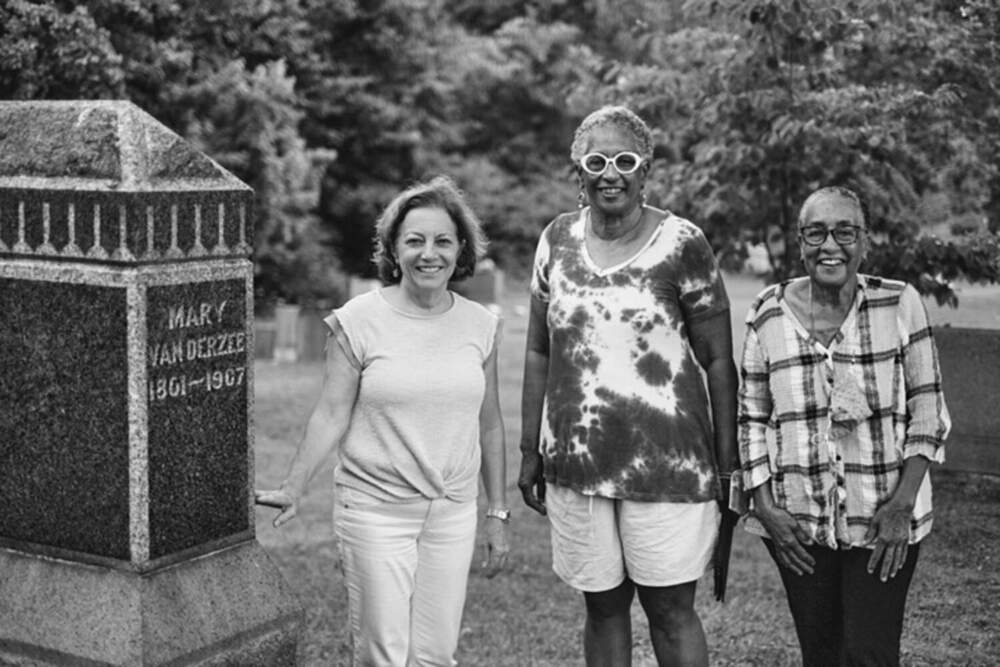
Growing up in idyllic upstate New York, Debra Bruno never learned about the region's history of enslavement. So she was stunned, as an adult, when a historian told her that her family were likely enslavers. That knowledge sent her on a genealogical journey, where she encountered another woman looking to trace her roots. But unlike Bruno who is white, Eleanor Mire is Black and was seeking information about the families who enslaved hers.
Together, Bruno and Mire embarked on a years-long dive into historical documents, paintings, homes, cemeteries, art, online forums and more. Bruno's new memoir "A Hudson Valley Reckoning" — including an epilogue by Mire, who opted not to be a co-writer — is an eye-opening, detailed and moving account of the seldom told story of Northern slavery, and their own families’ histories.
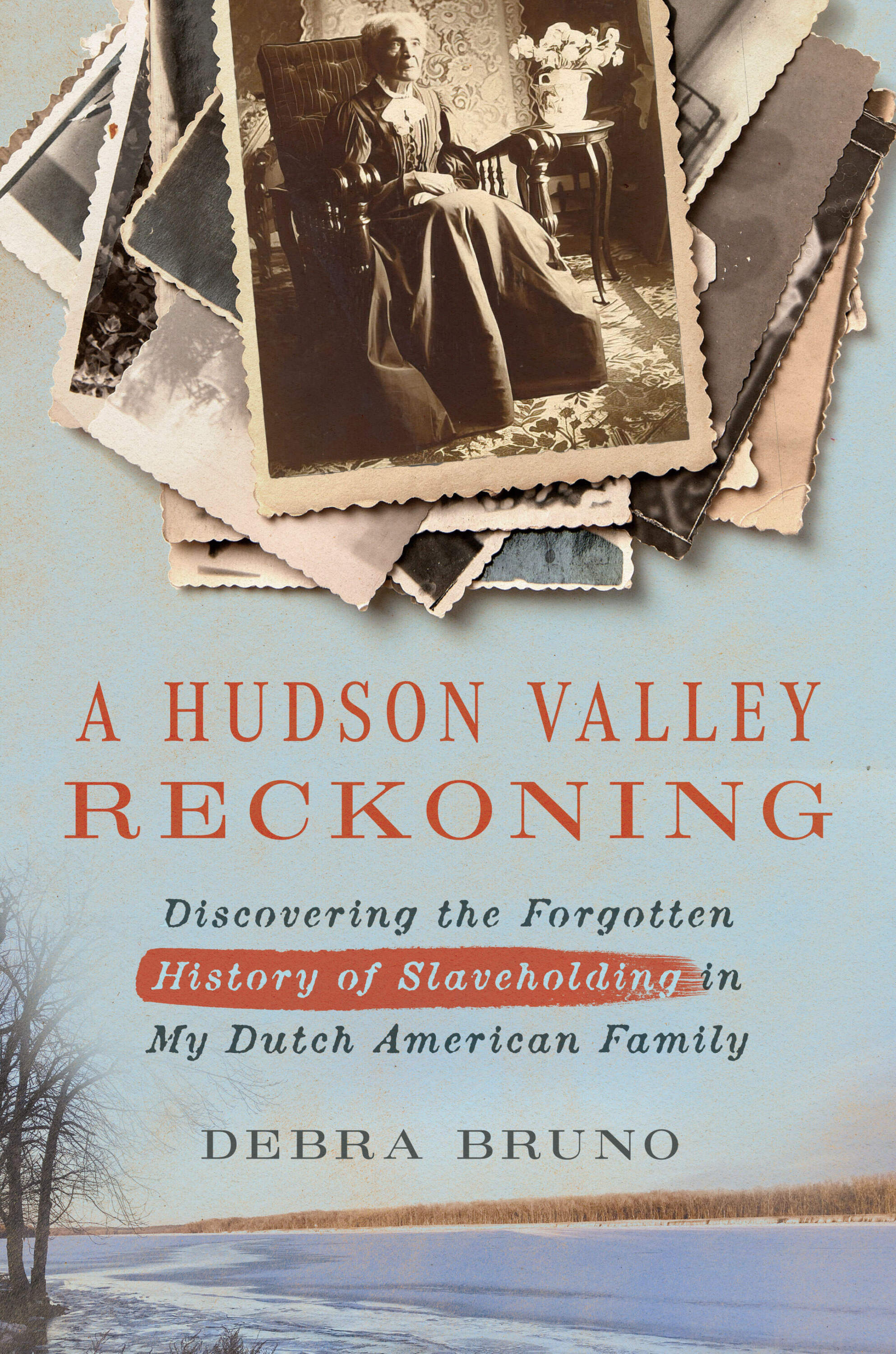
Book excerpt: 'A Hudson Valley Reckoning'
By Debra Bruno
From "A Hudson Valley Reckoning: Discovering the Forgotten History of Slaveholding in My Dutch American Family," by Debra Bruno, a Three Hills book published by Cornell University Press. Copyright (c) 2024 by Debra Bruno. Used by permission of the author and publisher.
This segment aired on October 17, 2024.