
Support WBUR

People don't talk about nature as much anymore. Why is that a problem?
05:48
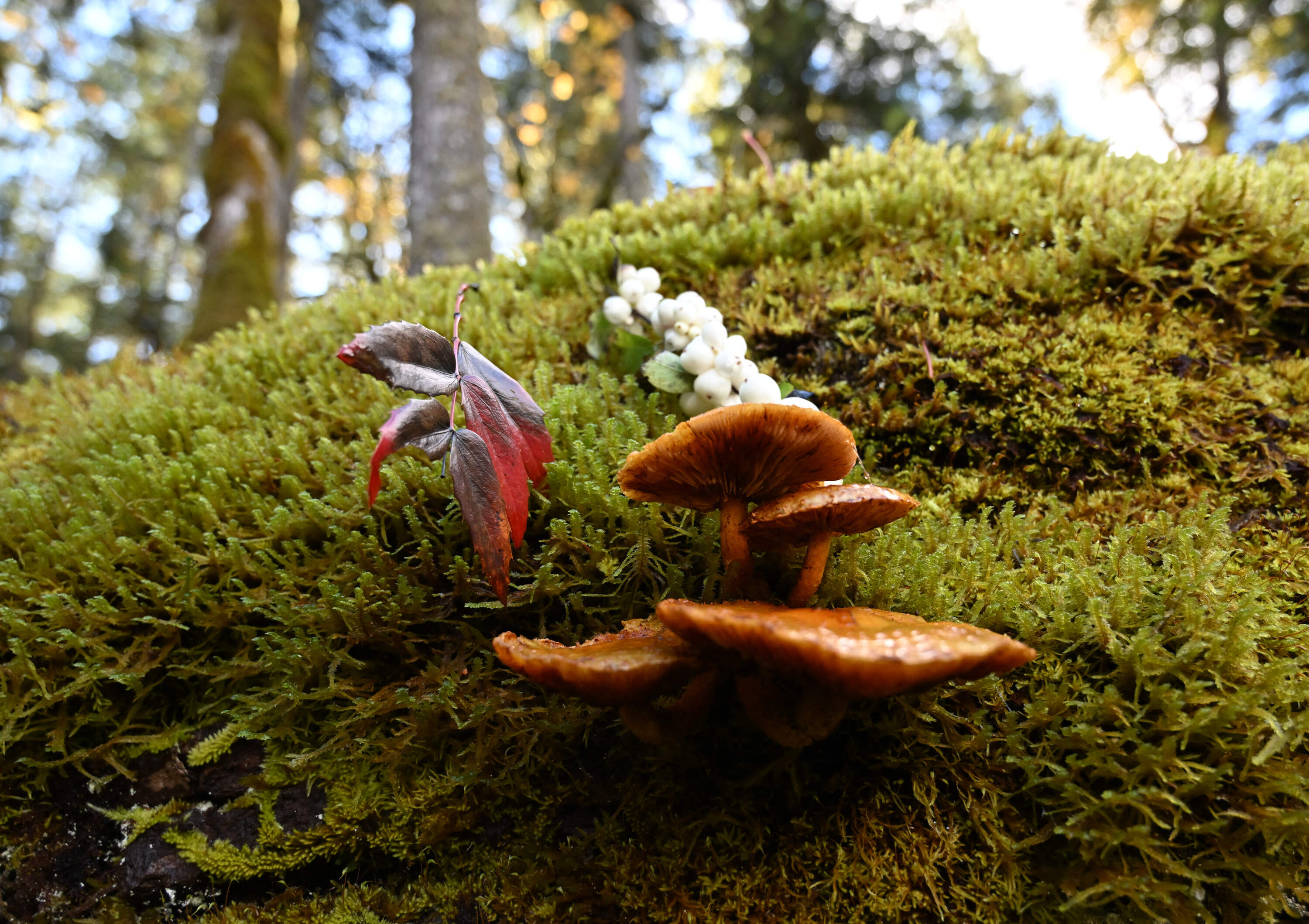
A mushroom from the genus Pholiota grows in moss on a dead tree spotted during a biodiversity survey near Port Angeles, Washington, on October 17, 2024. Amateur mycologists and mushroom experts alike are stepping up efforts to identify the approximately 94 percent of fungi that have yet to be identified out the 2.5 million species of fungi that are thought to exist on earth. So far less than six percent of mushrooms have been classified. The recognition of the importance of fungi in the earth's health and ecology has grown, so much so that the role of mushrooms is set to come up for discussion at the UN Convention on Biological Diversity COP16 meeting in Colombia, which kicks off on October 21, 2024. (Photo by Robyn Beck / AFP) (Photo by ROBYN BECK/AFP via Getty Images)
A mushroom from the genus Pholiota grows in moss on a dead tree spotted during a biodiversity survey near Port Angeles, Washington, on October 17, 2024. (Robyn Beck/AFP via Getty Images)

A recent study found that words related to the natural world, such as 'river,' 'moss,' and 'blossom,' have dramatically declined in English-language books over the last 200 years.

It’s not just a quirk of how we talk these days — it reflects a loss of connection with the surrounding environment, which experts say is at the root of the environmental crises we face today.

Host Scott Tong speaks with Kate Yoder, senior staff writer at Grist, about the factors driving nature from our minds.

This segment aired on September 10, 2025.

Support WBUR

Support WBUR

Listen Live