Support WBUR
Review: ‘Avatar: The Last Airbender’ reincarnates as an exceptional, if awkward, ‘Magic: The Gathering’ set
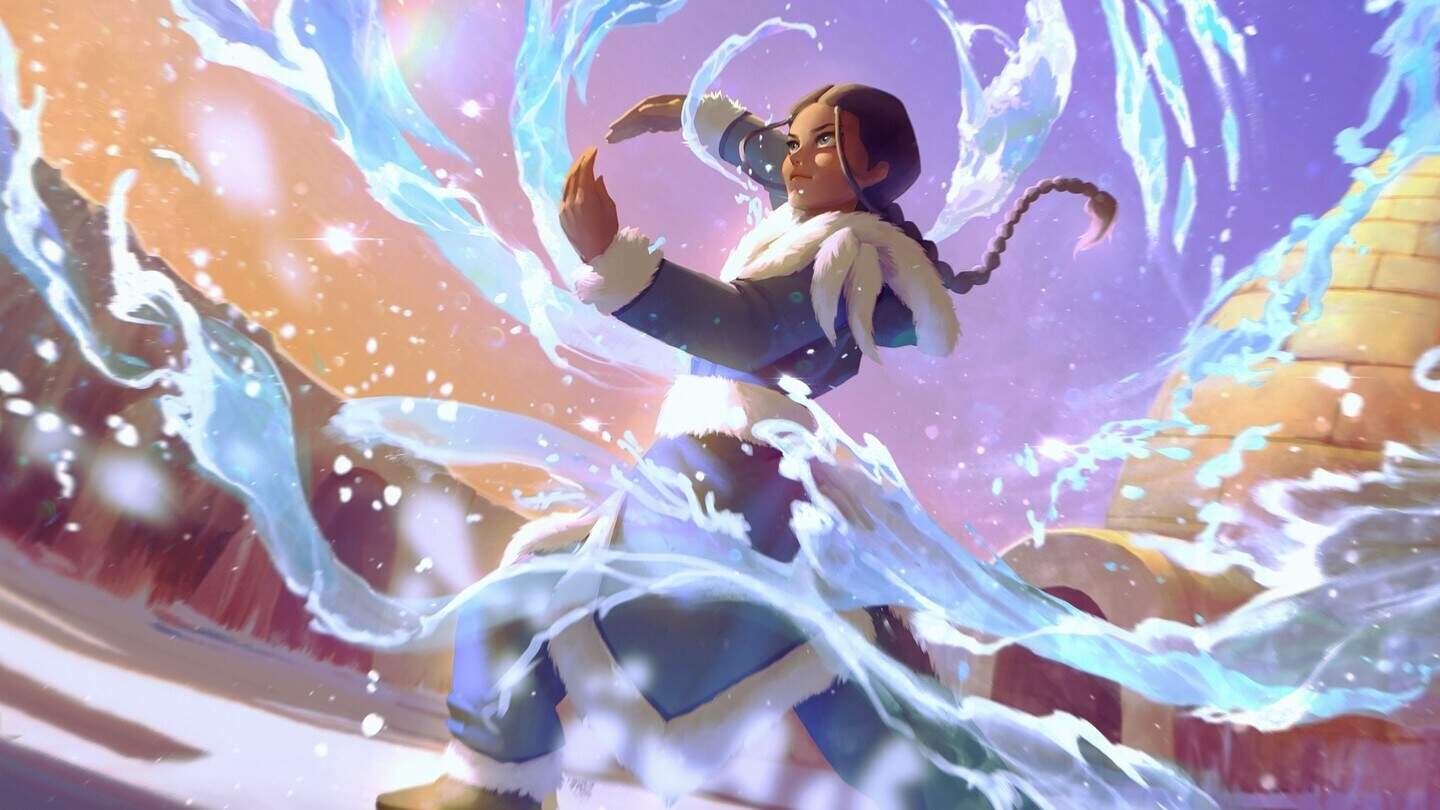
Nothing has quite captured the charm and sophistication of the original “Avatar: The Last Airbender.” Sequel series “The Legend of Korra” never quite got there, even in its third (and best) season. Netflix’s live-action remake misses the mark, and don’t even get me started on the much-maligned M. Night Shyamalan movie!
Given such a spotty track record, fans only needed “Avatar: The Last Airbender - Magic: The Gathering” to clear a few hurdles. Emulate the show’s cartoony style. Have the cards represent the story’s biggest characters and moments. Throw in a few cheeky references and splashy art treatments.
Happily, the game's designers didn’t stop there. Their cards expand on the original world with inventive creatures. They allude to the setting’s deep history. They even make clever jokes that cite past “Magic” cards and gags from the show!
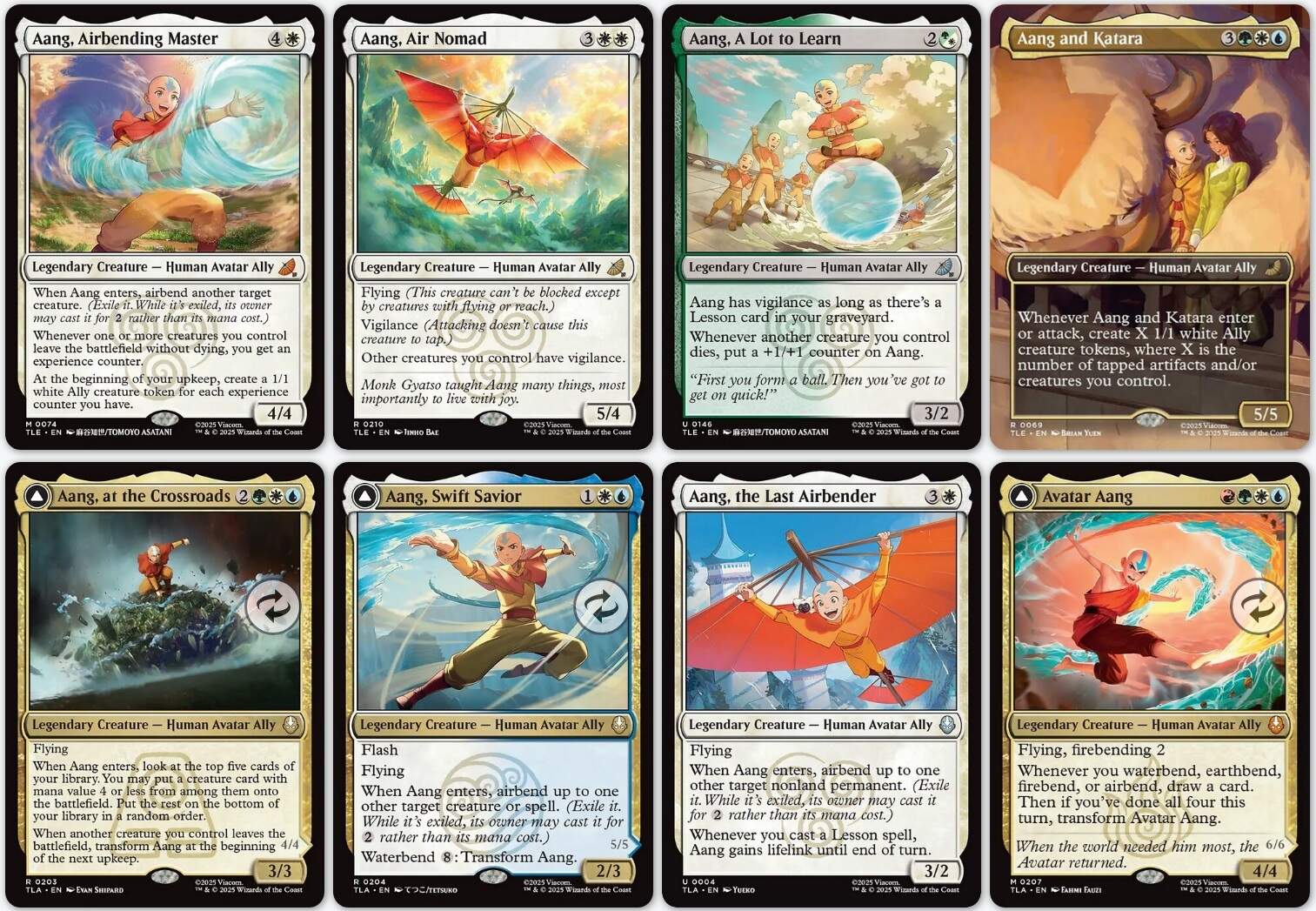
After drafting the set for over six hours during an early “Arena” streamer event, I suspect that “Avatar” will go down as one of the best-received “Universes Beyond” crossovers. Despite some mechanical awkwardness, the product line benefits from comparison to the sparse “Spider-Man” set that preceded it and a similarly stunted “Teenage Mutant Ninja Turtles” set coming early next year.
But as lavish as this adaptation may be, its rules range from the inspired to the lackluster.
Some returning keywords fit flawlessly. Azula and various bounty hunters produce Clue tokens to represent their relentless hunt for the Avatar. The rebels and soldiers that unite against the Fire Nation bear the Ally creature type, which I'm happy to see again, even if they don't snowball as quickly as Zendikar's allies did. Lessons make a welcome return, though I'm annoyed that its paired Learn mechanic was ruled too divisive to also include (I hope next year’s “Secrets of Strixhaven” corrects this affront). Most disappointingly — and in defiance of the usual power-creep — the set’s new Shrines fail to impress.
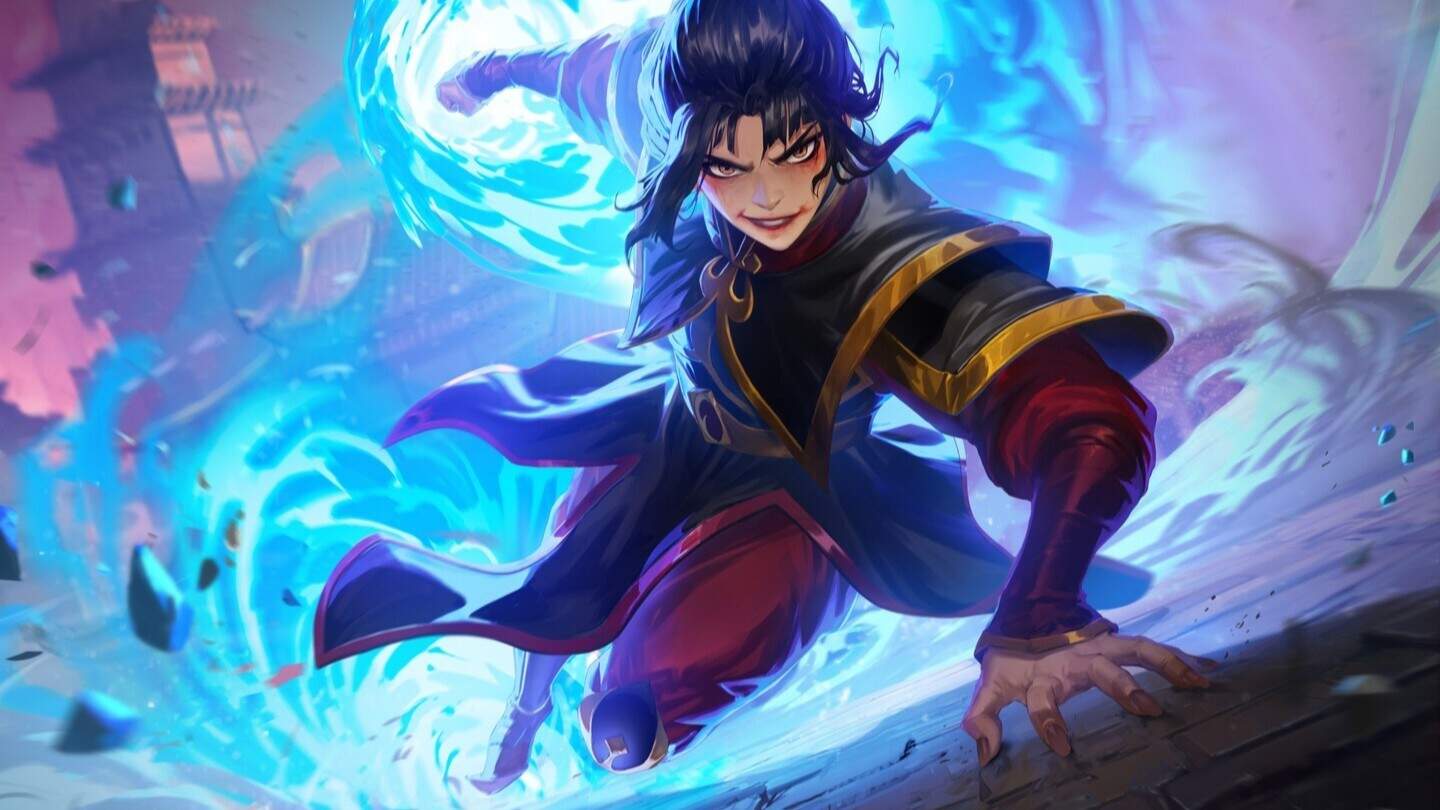
Still, these recurring mechanics generally fare better than the new obligatory “bending” keywords.
Firebending is the most elegant. Attack with a firebender and you’ll get red mana you can spend on instants or costly abilities before the mana drains at the end of combat. Pleasingly, firebending neatly mirrors the mechanic colloquially known as firebreathing — which gets a nod on one of the set’s dragon cards.
Earthbending makes a little less sense. Each time you earthbend, you’ll put +1/+1 counters on a land, empowering it to attack and block. If they’re exiled or killed, they’ll return as normal lands. It's an odd compromise that represents how the show’s earthbenders weaponize the very ground beneath them, even if they don't actually do so by making independent creatures out of dirt or stone.
Airbending isn't exactly intuitive. Doing so exiles a permanent and allows its owner to cast it again for two generic mana. Use it to temporarily remove opposing creatures, or save your own from kill spells or lethal combat. It’s tricksy, in both flavor and function, and it’s also the least frequent of the four bending keywords (this is “The Last Airbender,” after all).
Waterbending, by contrast, is as flavorless as, well, water. It’s just shorthand for an additional mana cost you can also pay by tapping your artifacts or creatures. Theoretically, it represents cooperation — that you’ll enlist others to accomplish what no waterbender could do alone (I can’t tell you how tapping artifacts fits into that idea). Despite its thematic name, waterbending feels like the set’s only true “bottom-up” mechanic — prioritizing gameplay over “top-down,” flavor-first considerations.
“Magic” designers have insisted that these “Avatar” cards are great for new players — but they’ve also admitted they have way more rules than the average set. I’ve experienced many draft games that hinged on these complexities. Should I use firebending mana to buff my Fire Sages or sacrifice a Clue? Should I earthbend the same land to make it stronger, or spread the counters around to widen my ranks? Should I tap all my creatures to transform Aang, Swift Savior, leaving me vulnerable to counter-attack? No, it turned out. My opponent sniped “Aang and La, Ocean’s Fury” immediately.
Such finesse heightens the set’s replayability as much as it hampers its accessibility. I’ll certainly tire much less quickly of “Avatar” than I did of “Through the Omenpaths,” for example. I’m also hardly immune to its nostalgia. I can’t wait to foist these cards upon other series fans who’ve never played “Magic” before. I doubt it’ll convert many of them into lifelong players — but that’s okay.
The set may not be perfect, but it’s far greater than the sum of its elements. “Avatar” has truly been reborn into a game worthy of the title.