Support WBUR
Tropical Storm Elsa Brings Downpours, Wind Gusts To Massachusetts

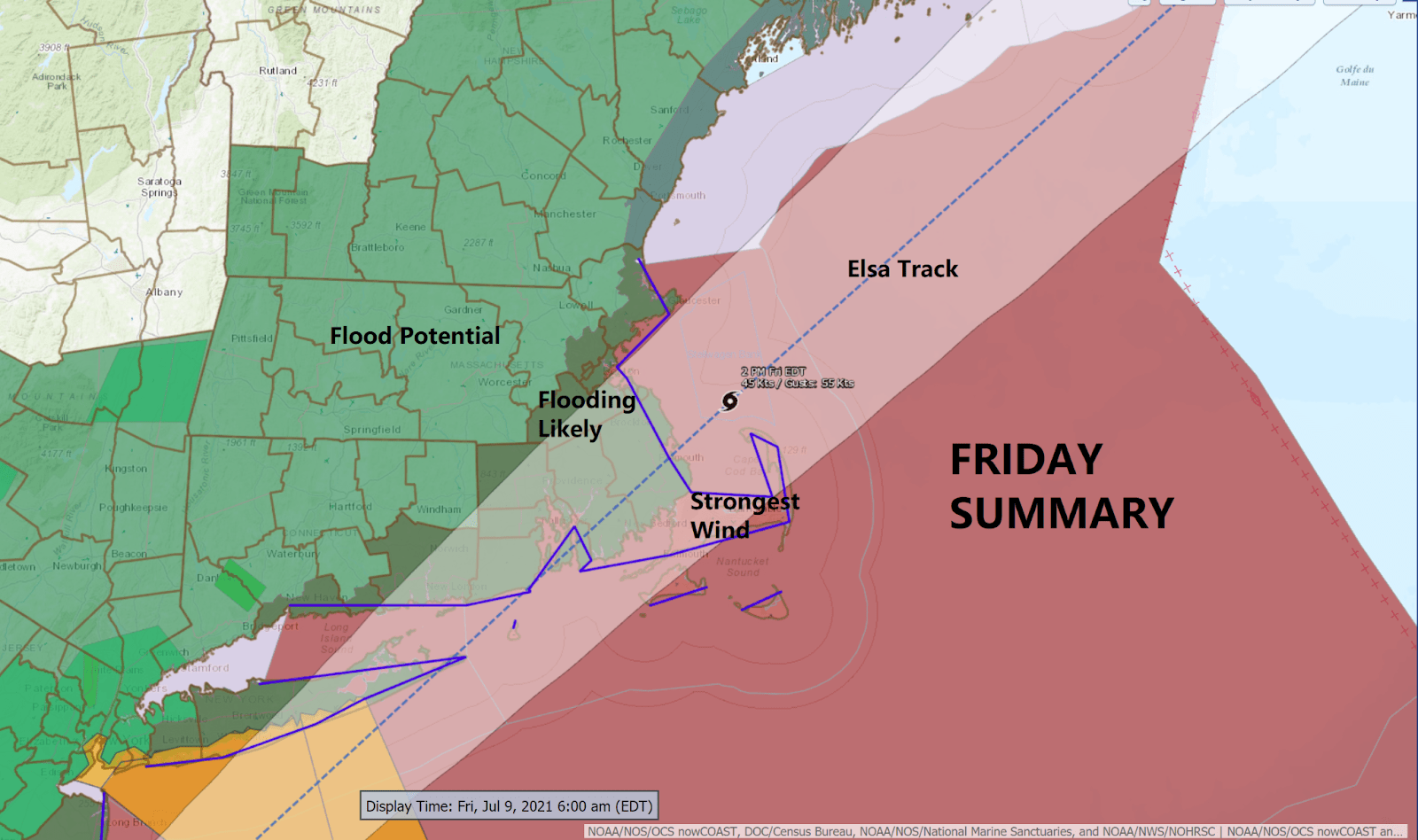
The center of Tropical Storm Elsa is crossing southeastern Massachusetts before moving into the Gulf of Maine later today.
This particular track will mean the heaviest rain will be roughly on either side of a line from Boston to Providence to New York City, with the strongest winds over Cape Cod and the Islands.
A few of the radars show tropical downpours to our south. As the storm moves north, these heavy bands will progress into our region, and you'll notice very heavy rain for several hours in the morning. They'll be gully washers, that's for sure.
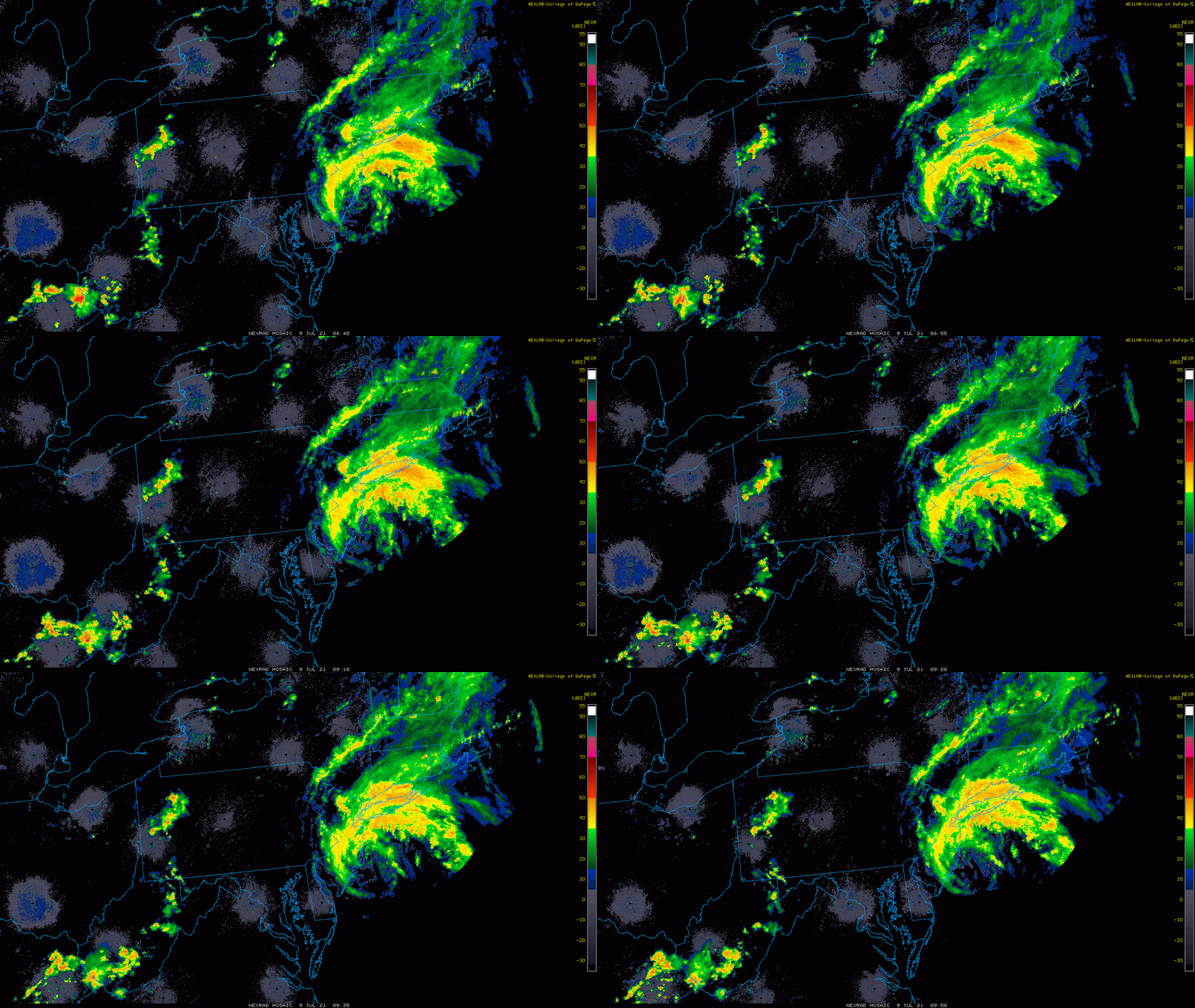
By early afternoon, the core of the rain will have moved north and we will be left with a few showers, but the bulk of the precipitation will be over.
Most areas are going to receive between 2-3 inches of rain in a relatively small amount of time. However, there is the chance for over 4 inches in isolated bands of heavy rain. The speed at which the rain will fall can lead to urban street flooding and flash flooding. Because the ground is saturated in much of the area, basement flooding could also be an issue. It's a good idea to give your sump pumps a quick check if they are not typically running in early July.
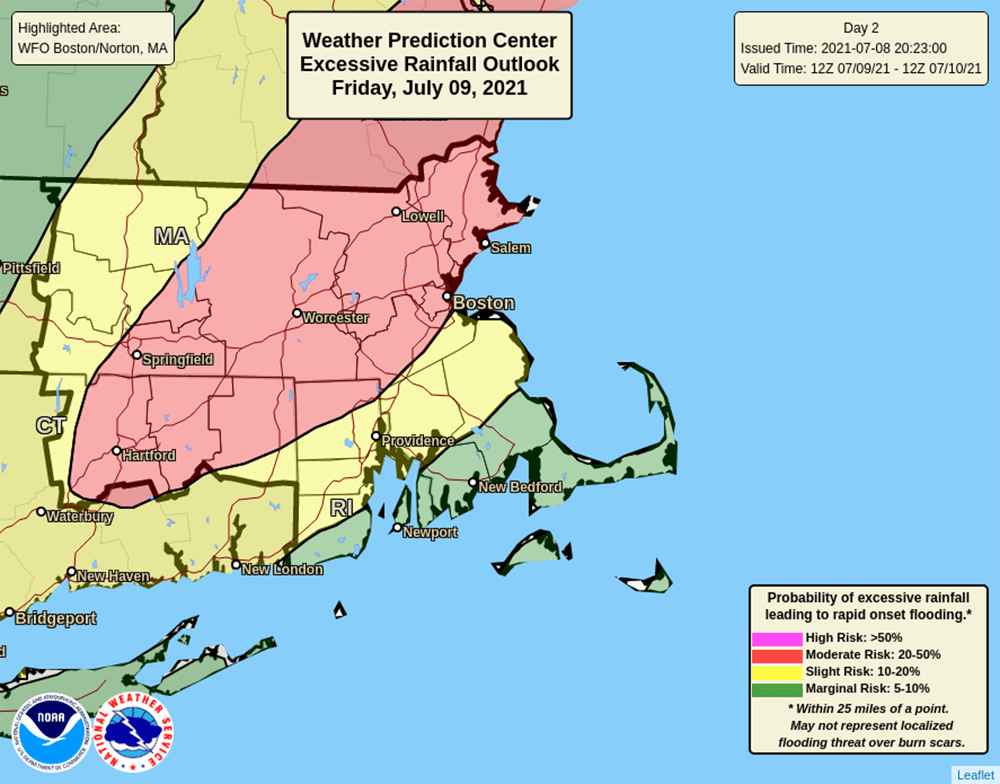
The National Weather Service issued flash flood warnings for Boston, Cambridge and Brockton Friday morning through 3:30 p.m.
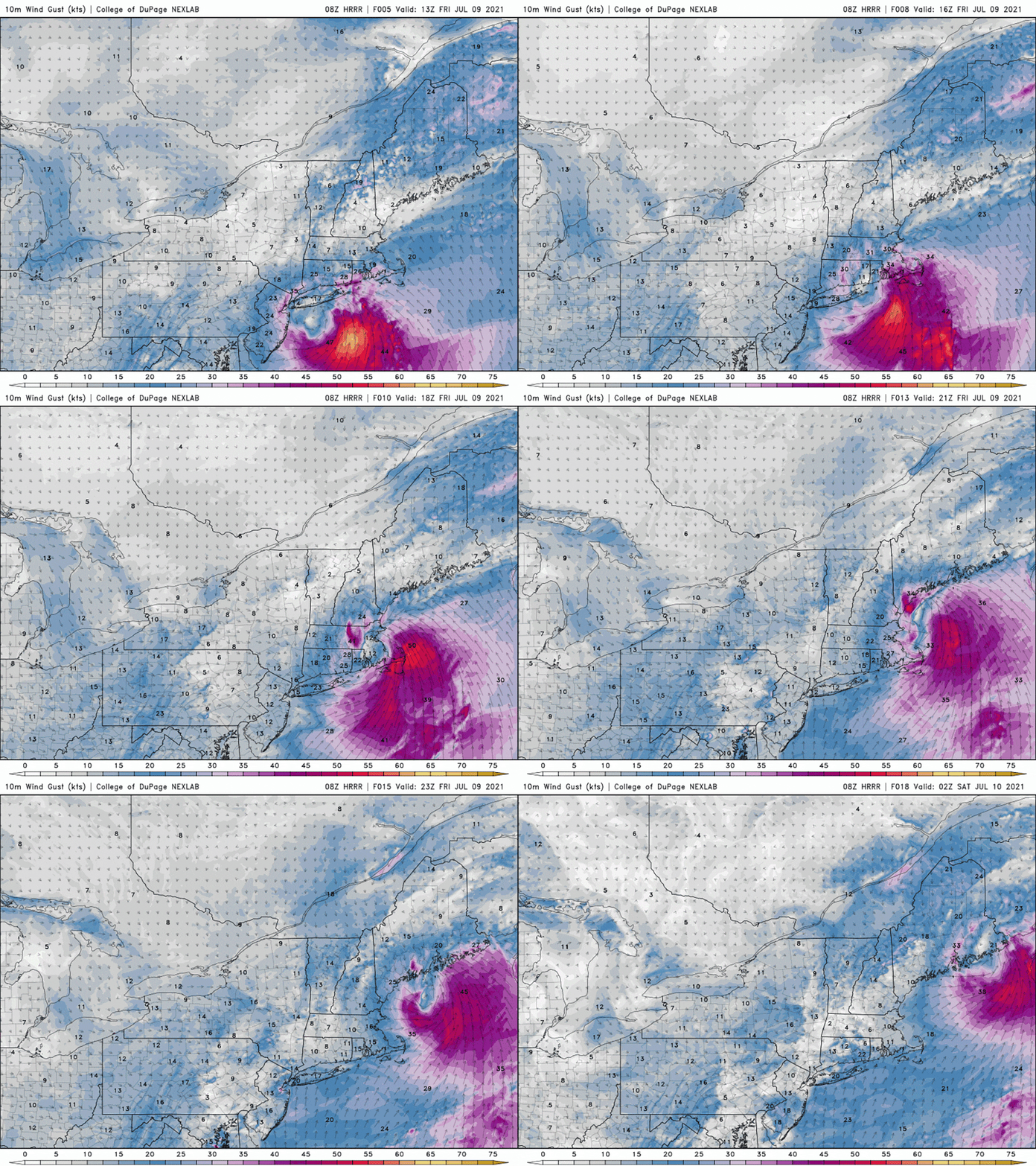
There is also a Tropical Storm Warning along the coast, where the winds will at times be exceeding 39 mph in gusts. Because the storm will be transitioning from a tropical one to an extratropical one as it reaches our latitude, the wind field may expand somewhat. This means power outages are a distinct possibility.
In the winter, when there's no leaves on the trees, it's easier for the wind to pass through — but this time of the year, with all the thick foliage acting as little sails, it's more likely to see some tree damage and subsequent power issues.
As of 1 p.m., there were more than 10,000 customers without power in Massachusetts, according to the state emergency management agency.
The strongest winds will arrive after 8 a.m. and be gone by sunset. If you live away from the coast, you may never experience any significant wind. This is really something that residents on Cape Cod, extreme southeastern Massachusetts, and especially Nantucket and Martha's Vineyard will notice.
Heavy rains also means a greater chance of raw sewage discharges into rivers or Boston Harbor during so-called combined sewer overflow (CSO) events. In most of the state, wastewater and stormwater travel through separate pipes, but some of the older sewer systems in Boston, Cambridge, Somerville, Haverhill and other cities are still “combined.” This means that the water you flush down the toilet and the rainwater that collects in catch basins on the street flows in the same pipe.
Most days, the system works fine, and the combined contents flow through pipes to a wastewater treatment center. But during really heavy rainstorms, the volume of water can exceed what the pipes can convey, and rather than letting sewage backup into your house or overflow onto the streets, a CSO system is designed to discharge into a nearby water body.
In the last few decades, dozens of combined sewer pipes have been separated and CSO outfalls have been closed, but the problem is vast, and every year, billions of gallons of sewage-laden wastewater are still released into rivers and harbors in Massachusetts.
So far today, the heavy rains from Elsa have contributed to several ongoing CSO discharges in the Mystic and Merrimack Rivers and Boston Harbor.
As the core of the storm moves over southeastern Massachusetts, there will be a lull in the wind and then it'll shift direction from the southeast and come from the northwest when the storm goes by.
It remains warm and somewhat humid for the weekend, with some sunshine but also a present chance of showers in the afternoon. Sunday is probably the pick of the weekend, as there should be fewer showers. Expect both days to have temperatures in the 77 to 81 degree range — fairly average for the second week of July.
This article was originally published on July 09, 2021.
This segment aired on July 9, 2021.